Read The Diplomat, Know The Asia-Pacific
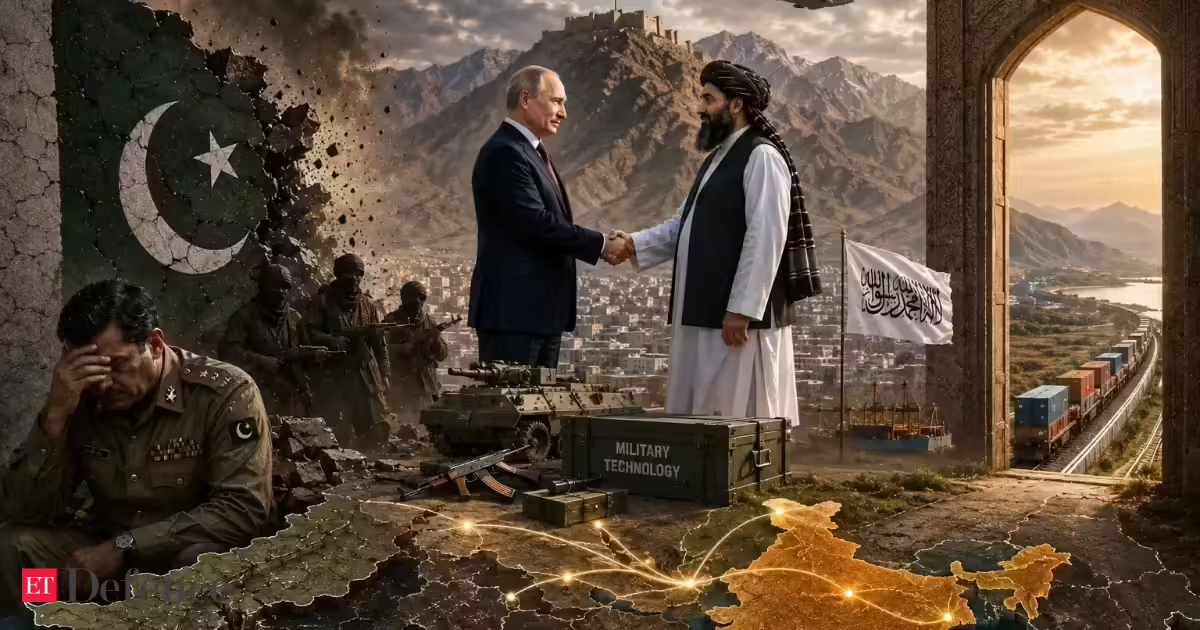
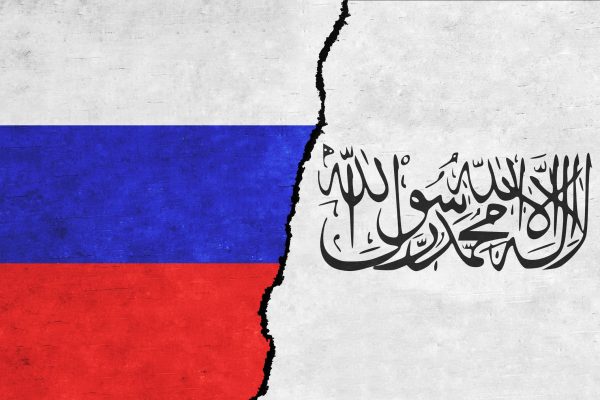
Moscow’s deepening relations with the Taliban hint at growing doubts about Pakistan as a counterterrorism partner.
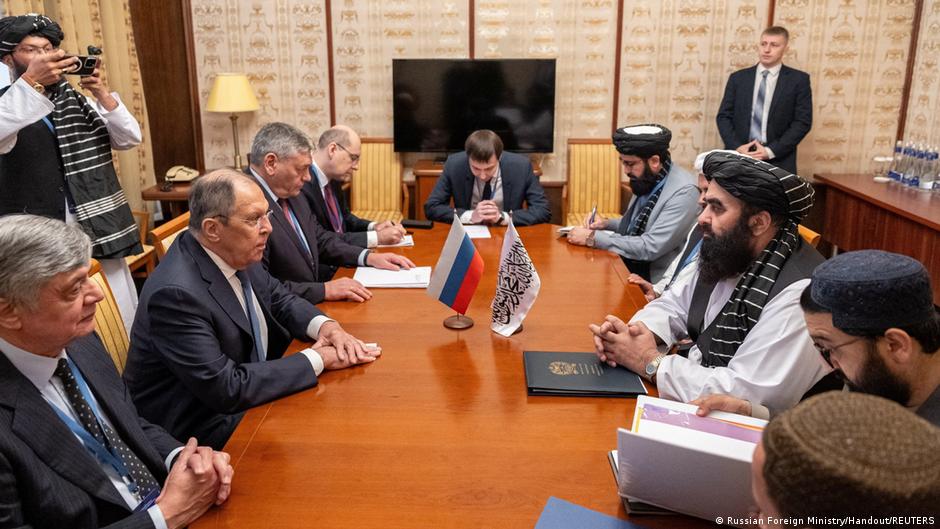
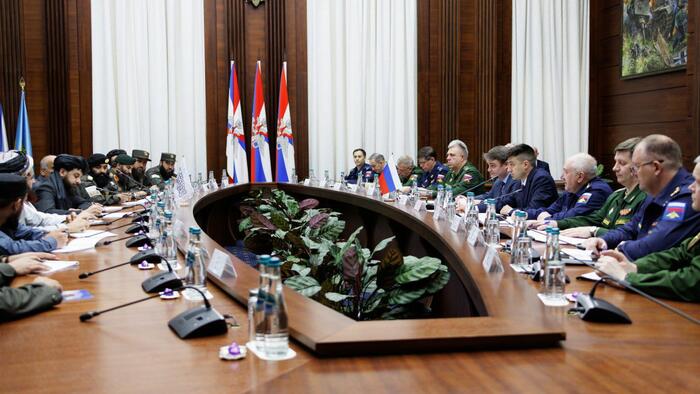
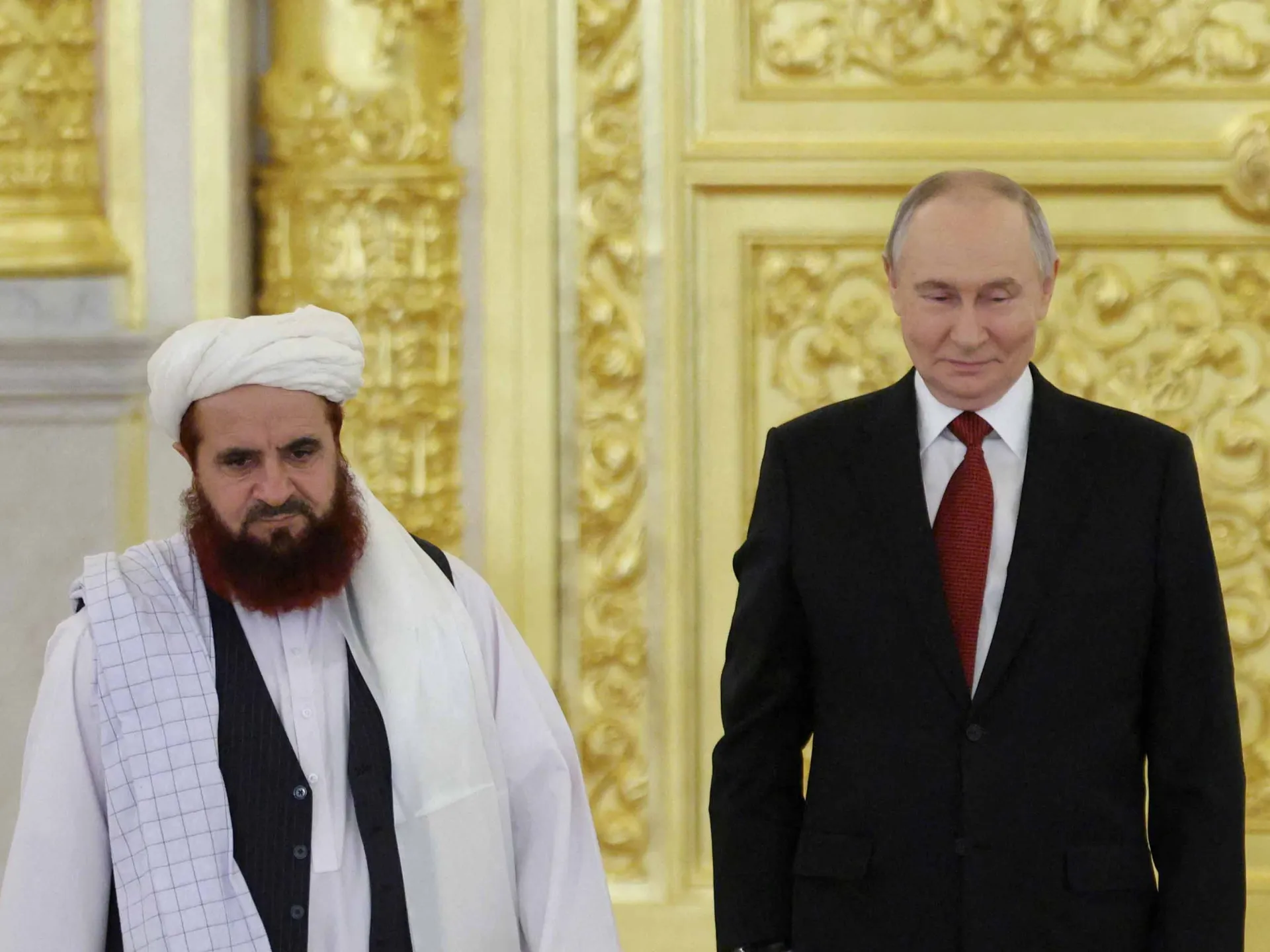
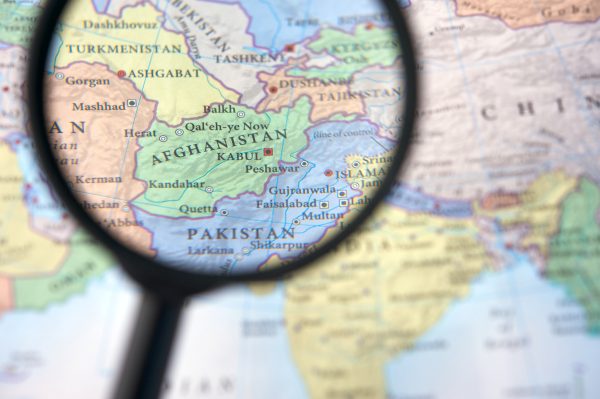
In late May, in a hall outside Moscow, Taliban Defense Minister Mohammad Yaqoob signed a military agreement with Russia. Two days later, back in Kabul, he promised that no neighbor would again strike Afghan territory with the same confidence. The neighbor he had in mind went unnamed but was obvious: Pakistan.
At a May 26 meeting of the security chiefs of the Commonwealth of Independent States (CIS) countries, Russia’s FSB Director Alexander Bortnikov told the assembled representatives that the Islamic State Khorasan Province (ISKP) is actively recruiting citizens of Tajikistan, Uzbekistan, Kyrgyzstan, and Kazakhstan, as well as labor migrants inside Russia. He described clandestine networks forming across CIS territory, with functioning financing channels and attack preparations already underway. The Taliban defense minister was among those present.
Bortnikov’s sharpest formulation was directed not at Kabul. He argued that ISKP, allied jihadist groups, and armed anti-Taliban formations are working to undermine Taliban authority with what he called the “active support” of British intelligence. Moscow offered no evidence for that claim, and independent observers have treated it as unsubstantiated; it fits a recurring Russian narrative that places Western intelligence services behind any and all instability on the CIS periphery.