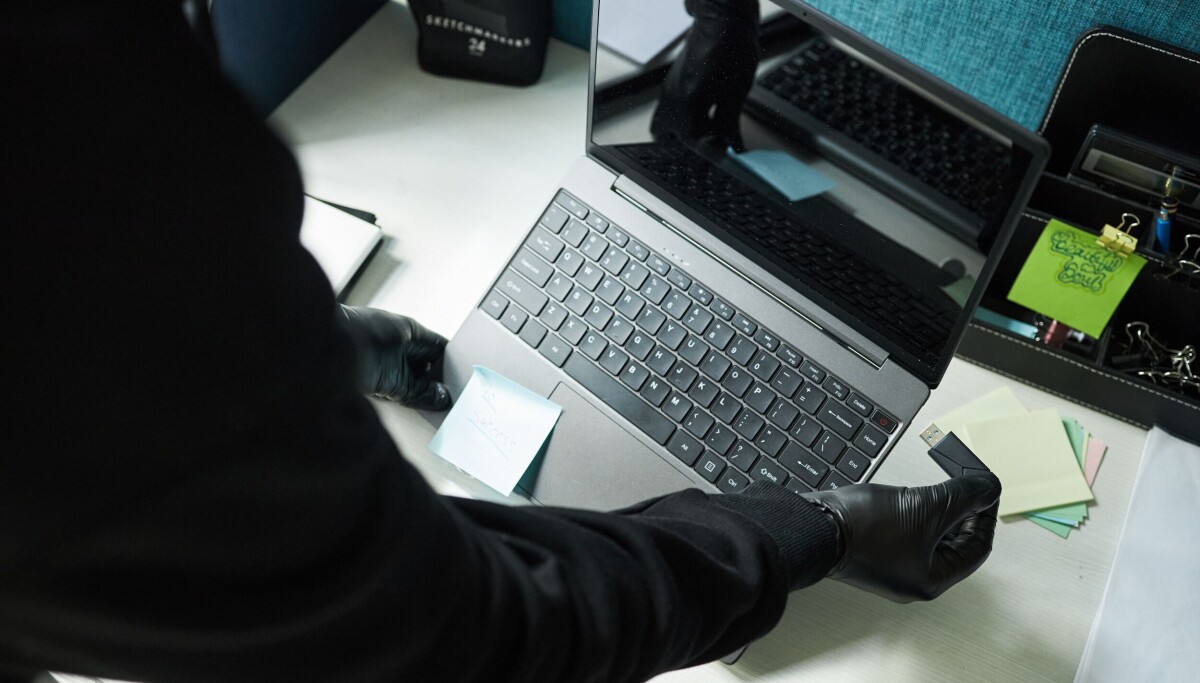
The Federal Bureau of Investigation (FBI) has warned that cyber criminals are posing as IT support staff at companies in order to gain access to critical computer systems.A hacking collective known as Silent Ransom Group (SRG) have been turning up to offices in the US pretending to be professional IT workers. After gaining an employee’s trust, the impersonator secretly installs malware on their device and steals sensitive files that can be used to ransom the company with at a later date.The FBI noted that SRG has been operating since 2022 but has recently changed their tactics from remote cyber attacks to in-person hacks.The main companies targeted have been US-based law firms, though the FBI alert warned that the medical and insurance sectors may also be at risk due to the highly sensitive nature of the data held by these industries.“The cyber threat actor Silent Ransom Group... is targeting law firms using information technology (IT) themed social engineering calls, then sending an individual posing as an IT support employee to the firm in-person, after which they insert a storage device into a computer to steal sensitive data to extort the victims,” the FBI alert stated.“Similar to their phishing emails, once SRG exfiltrates data they extort the victim by sending them a ransom email threatening to sell or post the data online.”The trend shows how hackers are resorting to surprisingly low-tech methods to carry out cyber attacks in the face of advanced AI defence systems. Award-winning security software you can trust. Always.Get All-in-One Protection for Your Digital Life.LEARN MOREADVERTISEMENTAward-winning security software you can trust. Always.Get All-in-One Protection for Your Digital Life.LEARN MOREADVERTISEMENTCyber security defenders are adopting artificial intelligence at scale, with Microsoft recently revealing a platform that uses more than 100 AI agents to discover vulnerabilities.Last month, Anthropic unveiled a “superhuman” AI system called Mythos that is able to find unpatched vulnerabilities in security tools on an unprecedented scale.The AI startup said at the time that AI models have now reached “a level of coding capability where they can surpass all but the most skilled humans at finding and exploiting software vulnerabilities.”A new initiative called Project Glasswing has brought together Amazon Web Services, Apple, Google, Linux, Microsoft, Mozilla, Nvidia and other leading tech firms in order to use Mythos to secure the world’s most critical software. Attackers are also increasingly turning to AI in order to bypass cyber defences, using tools like voice cloning to carry out phishing attacks over the phone, or even deepfakes of company executives within professional video calls.AI agents can also be adapted to autonomously perform tasks in minutes – like stealing credentials or deploying malicious payloads – that would typically take high-level attackers hours or even days to achieve.Cyber security professionals warned that implementing advanced AI-powered security systems to prevent such attacks is not enough in itself to ensure that a firm stays protected.Companies need to ensure they have strong defences throughout their organisation, with the latest FBI warning suggesting a “basic failure of layered security” among some firms, according to Bogdan Botezatu, a senior director of threat research at the cyber security firm Bitdefender.“The ‘low-tech’ nature of the attack is exactly the point. Criminals do not use advanced techniques because they are fashionable; they use whatever works,” he told The Independent.“Posing as IT support, walking into an office, plugging in a USB drive and copying files is crude, but it can be very effective if the target has weak physical security, poor employee verification procedures, and no controls around removable media.“This campaign is a reminder that cybersecurity is not only about AI, zero-days and malware. Sometimes the breach starts with someone at reception believing a stranger who says they are from IT.”
Hackers are turning up to offices and posing as IT support, FBI warns
Trend shows how criminals are resorting to surprisingly low-tech methods to carry out cyber attacks in the face of advanced AI defence systems
616 words~3 min read