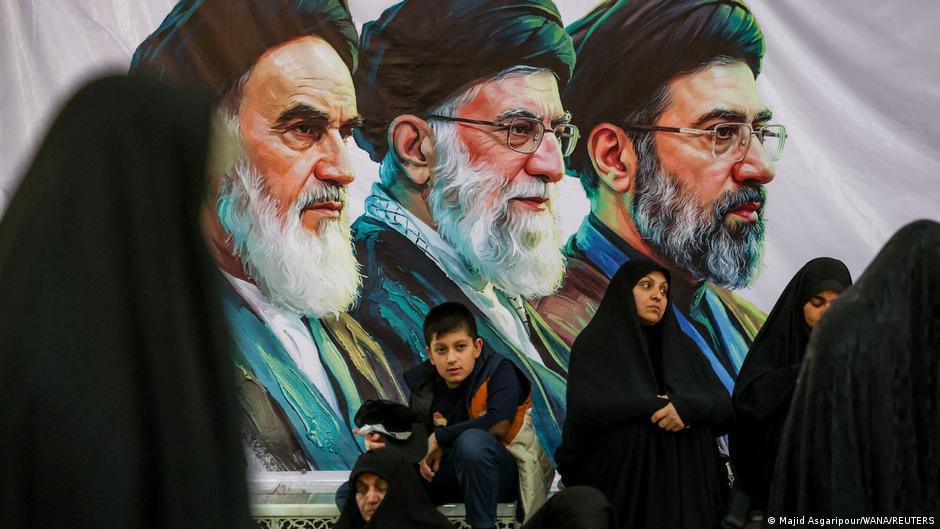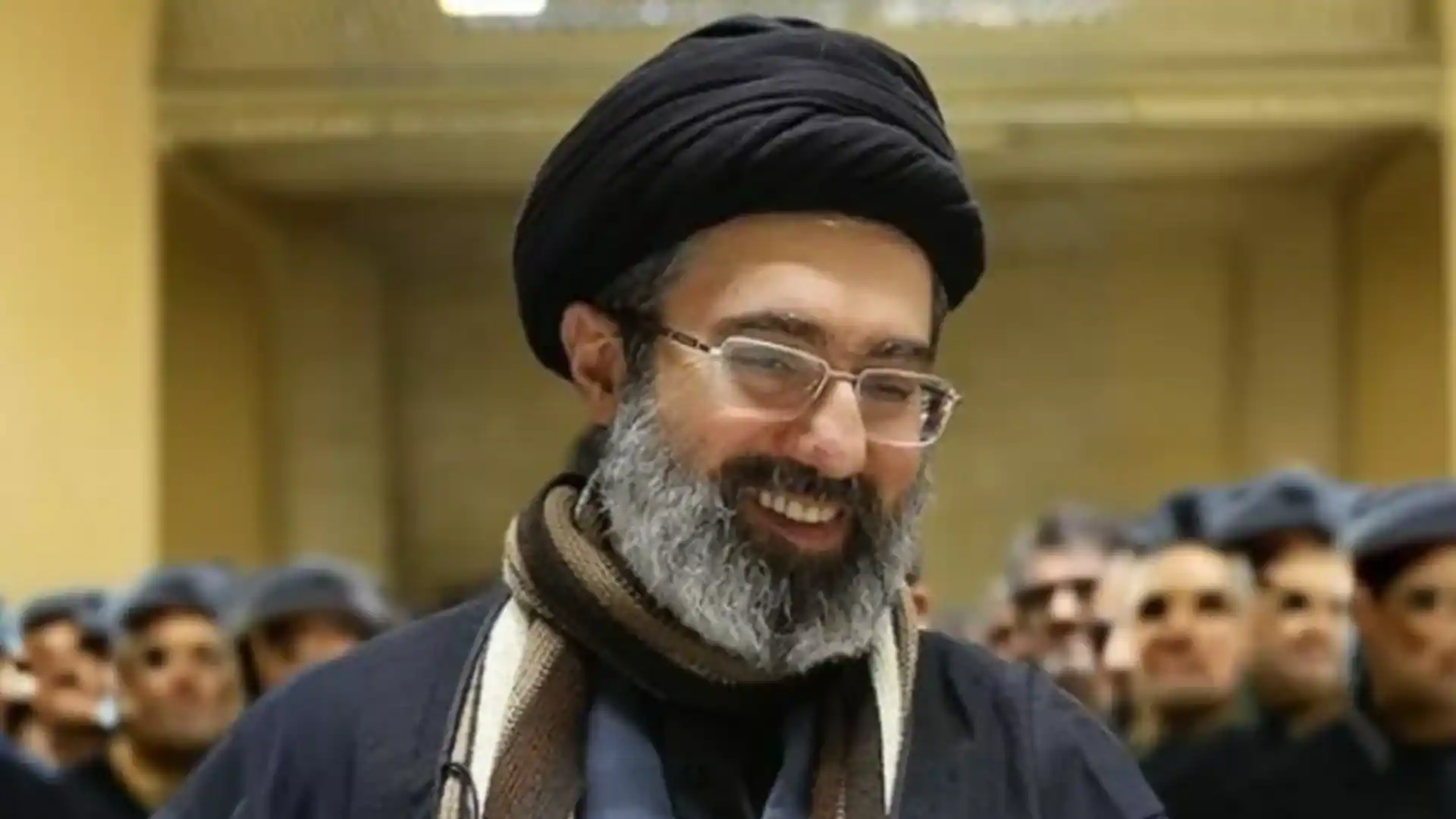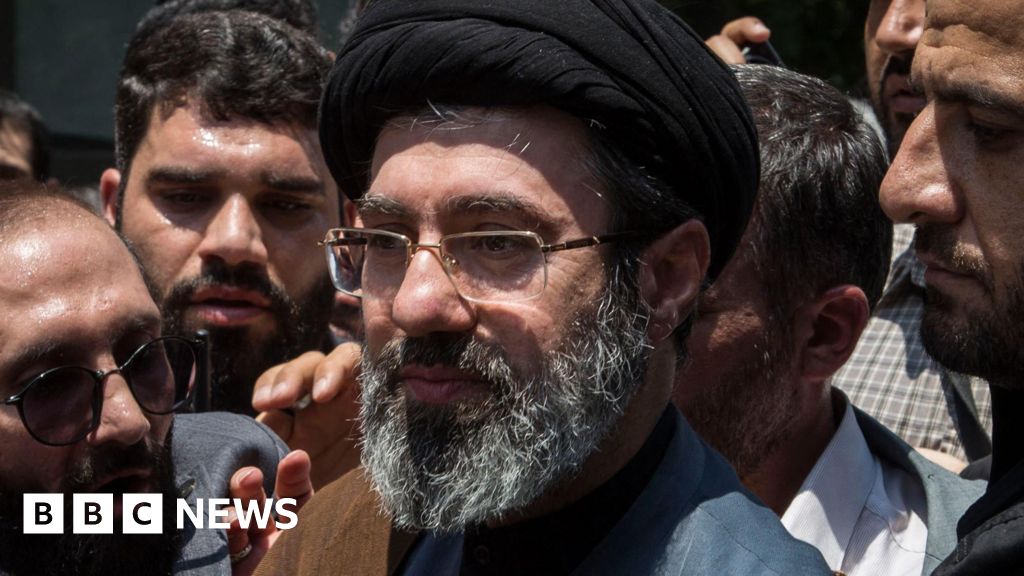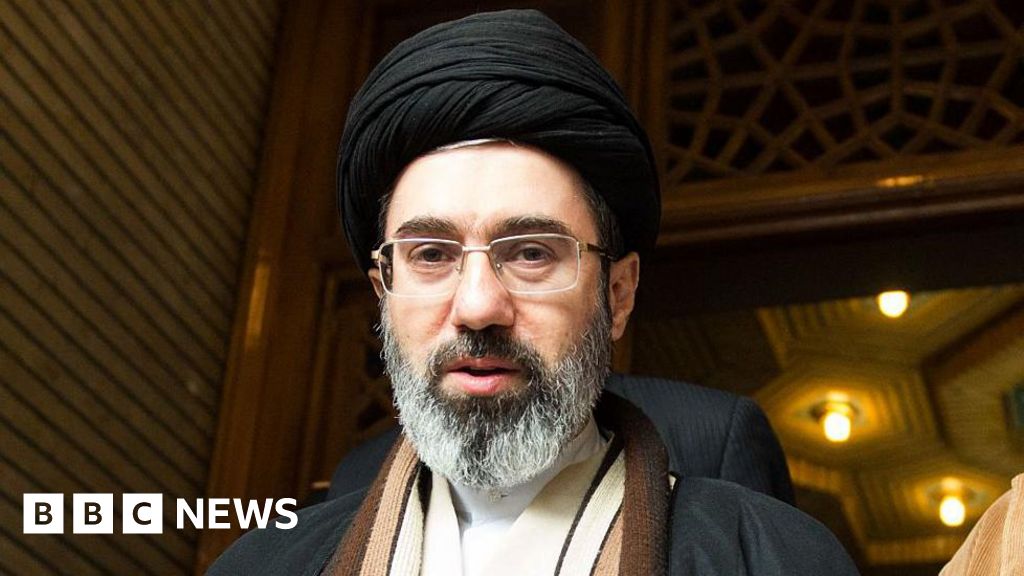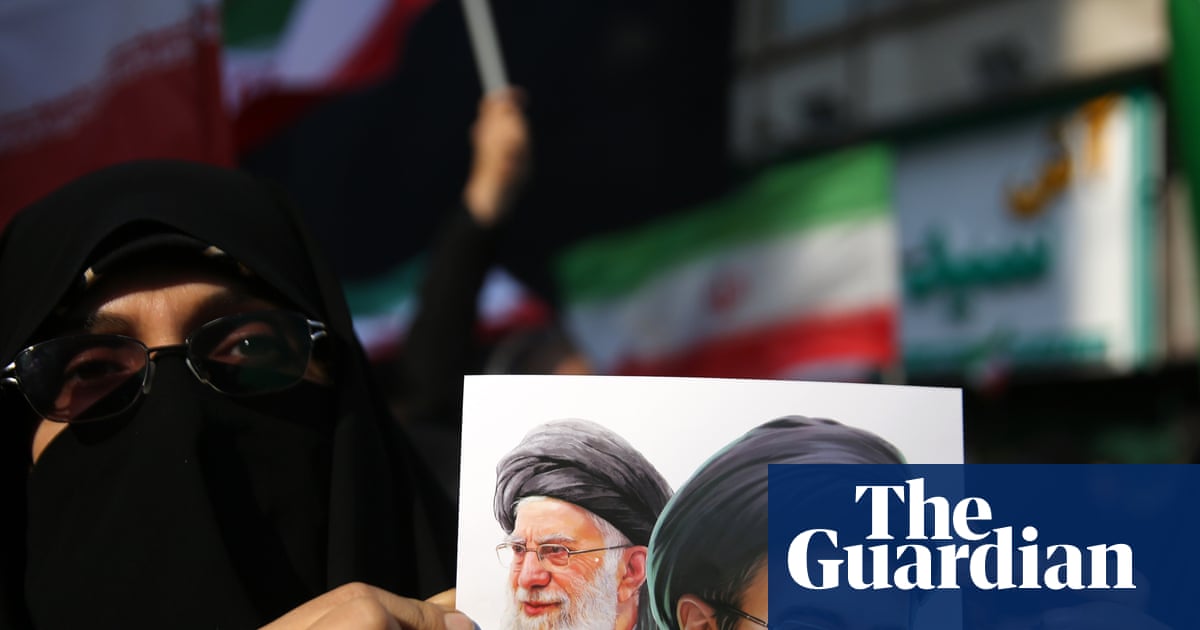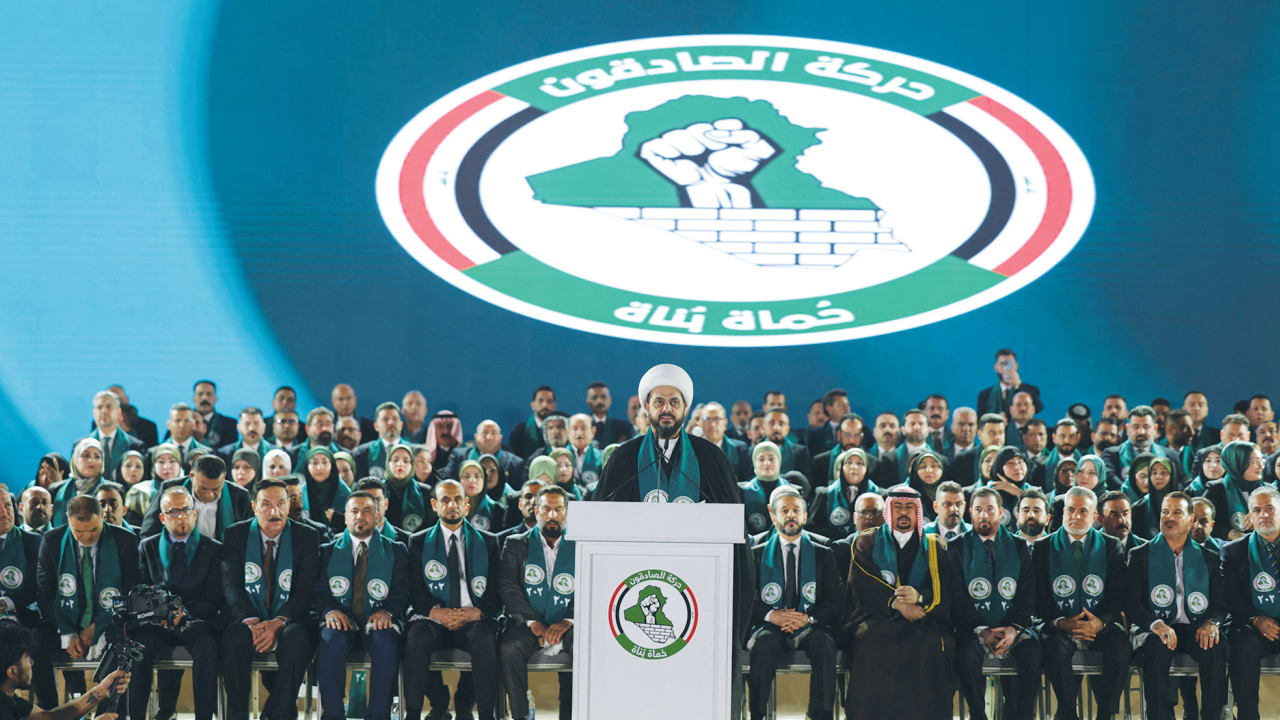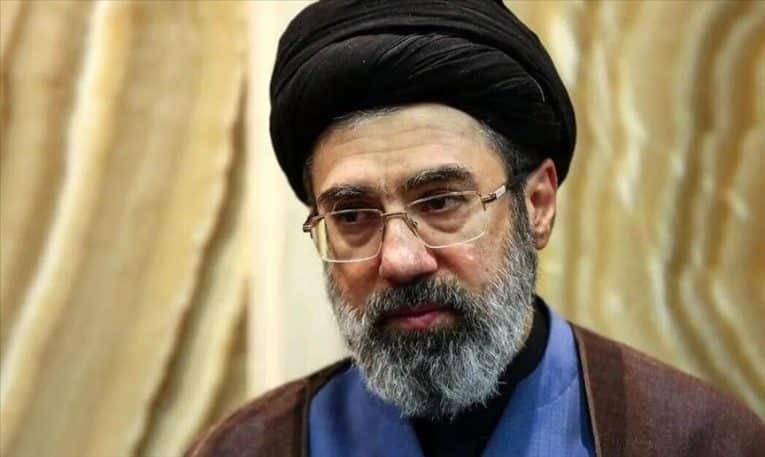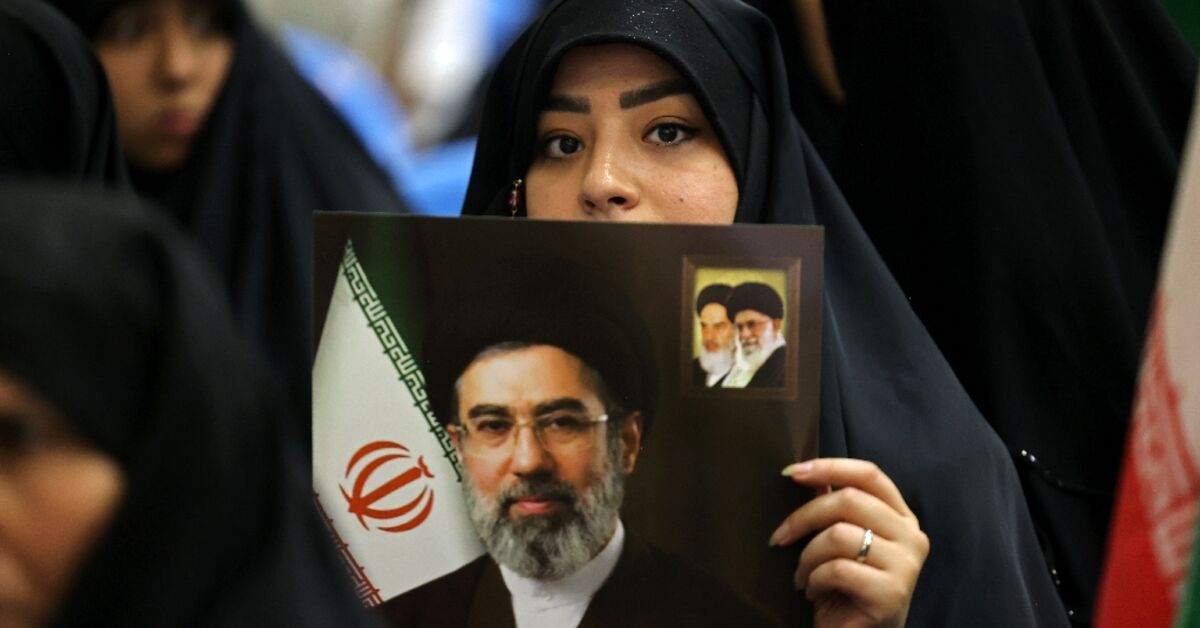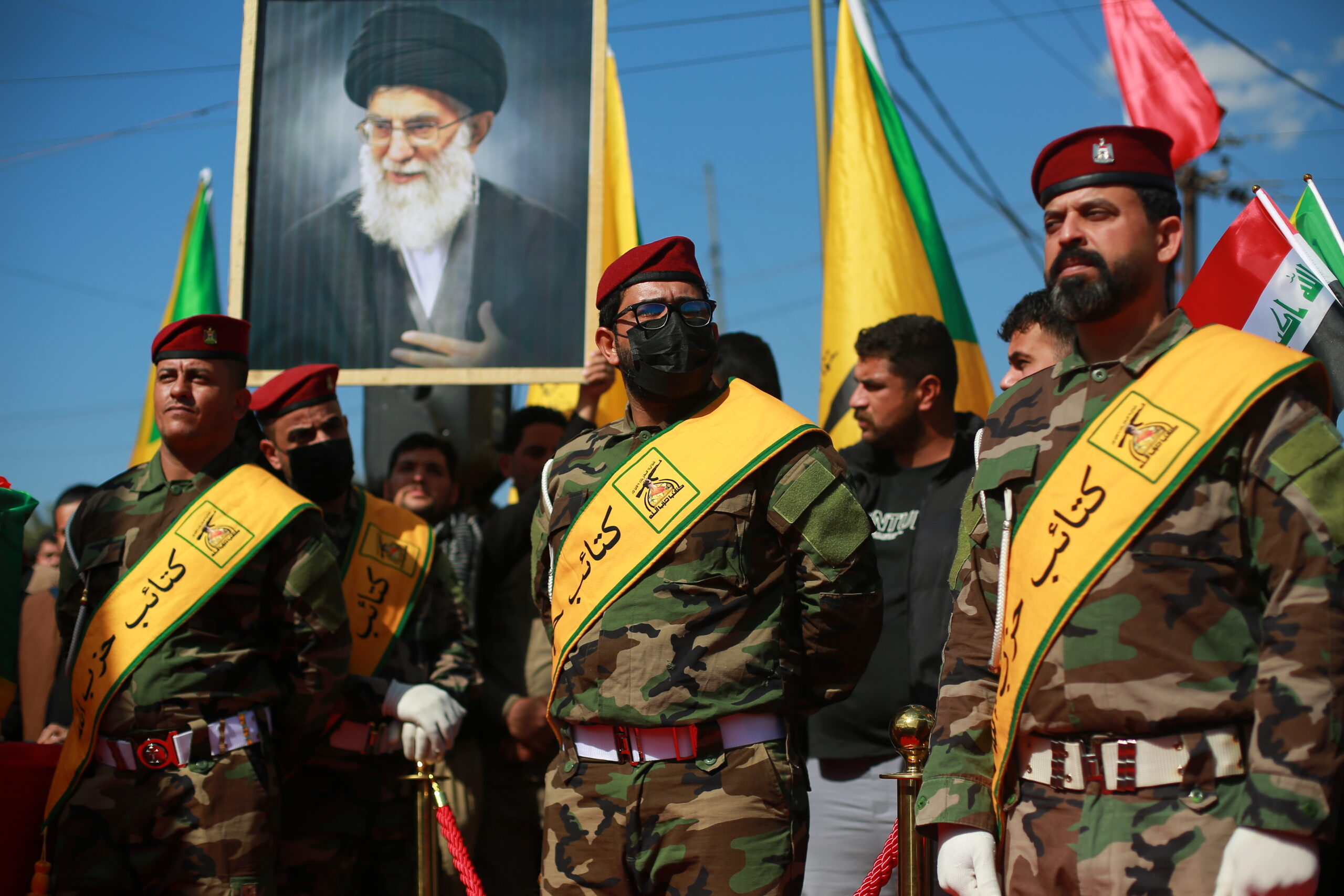
The Iranian regime under new Supreme Leader Mojtaba Khamenei is now functionally, even structurally, different from the one of the preceding forty-seven years—and that is reshaping Tehran’s influence in Iraq and leaving Iraq’s militias rudderless. In its first Khomeinist version (1979–1989), governance was entirely controlled by the supreme leader, Ayatollah Ruhollah Khomeini. The subsequent Supreme Leader Ali Khamenei (1989–2026) kept control of political and strategic decisions, but the military—the Islamic Revolutionary Guard Corps (IRGC)—acquired a larger share of decision making power. The military also competed with the clergy’s candidates for the highest offices, to the point that twenty IRGC generals ran for the presidency in 2021. The IRGC also came to control around two-thirds of the Iranian economy. Even so, Ayatollah Ali Khamenei’s charisma, experience, relationships, and powerful influence within both the religious and military establishments allowed him to play the man holding all the strings.
Yet the leader’s role appears to have receded since Mojtaba Khamenei succeeded his father. This is not only because Mojtaba took power wounded, unable to govern after the Israeli strike on February 28 that killed his father and kicked off the current war, but, more importantly, because of the significant role the military played in his selection, both before and after his father’s assassination. Mojtaba owes his position to the IRGC’s influence.