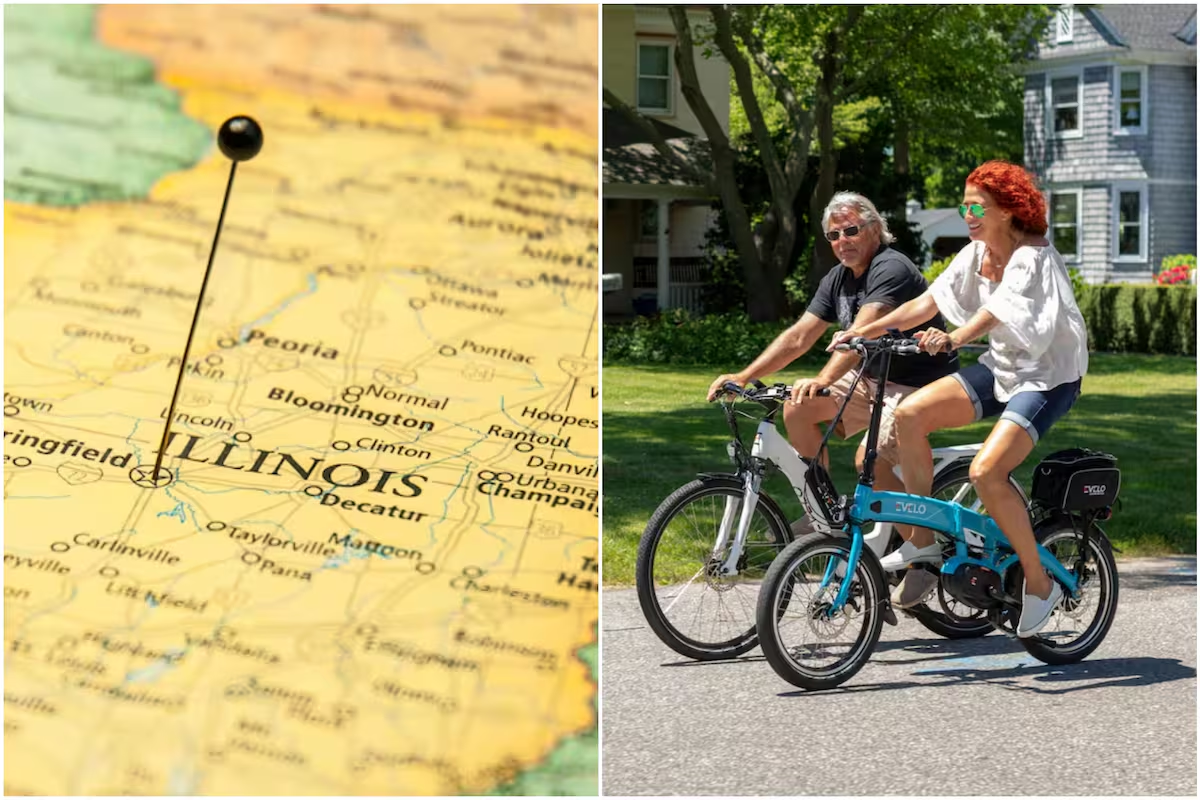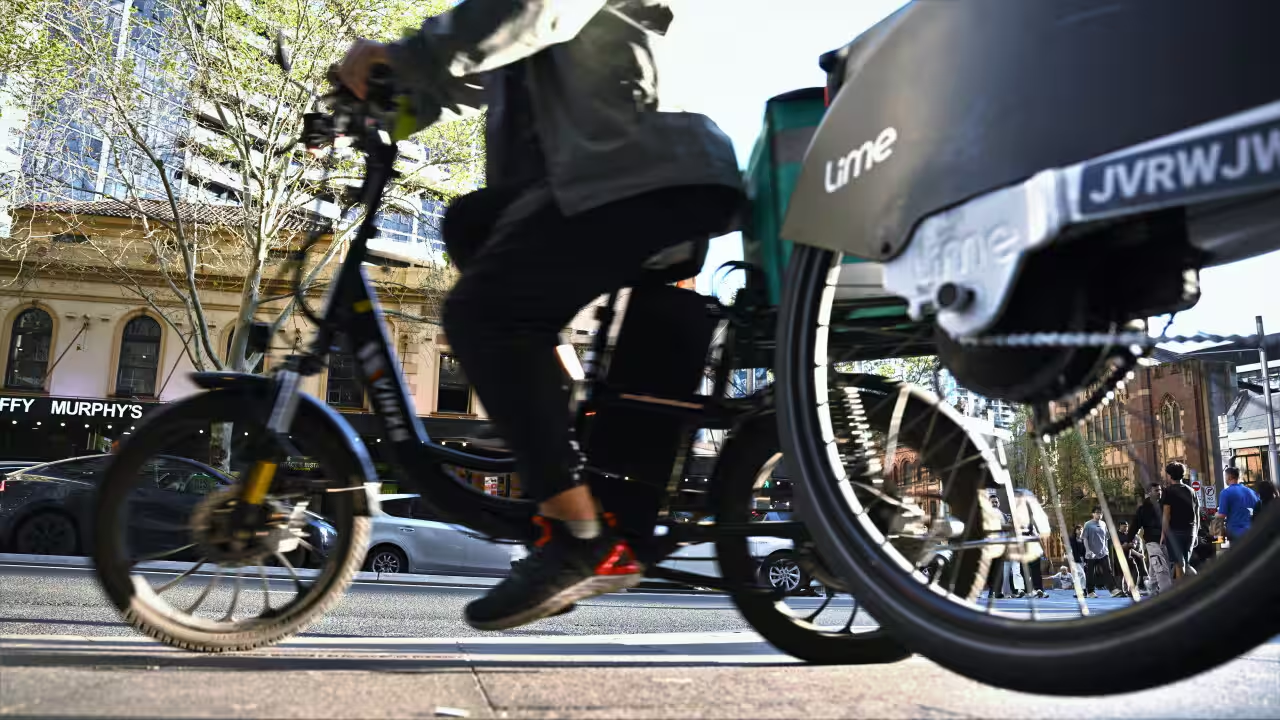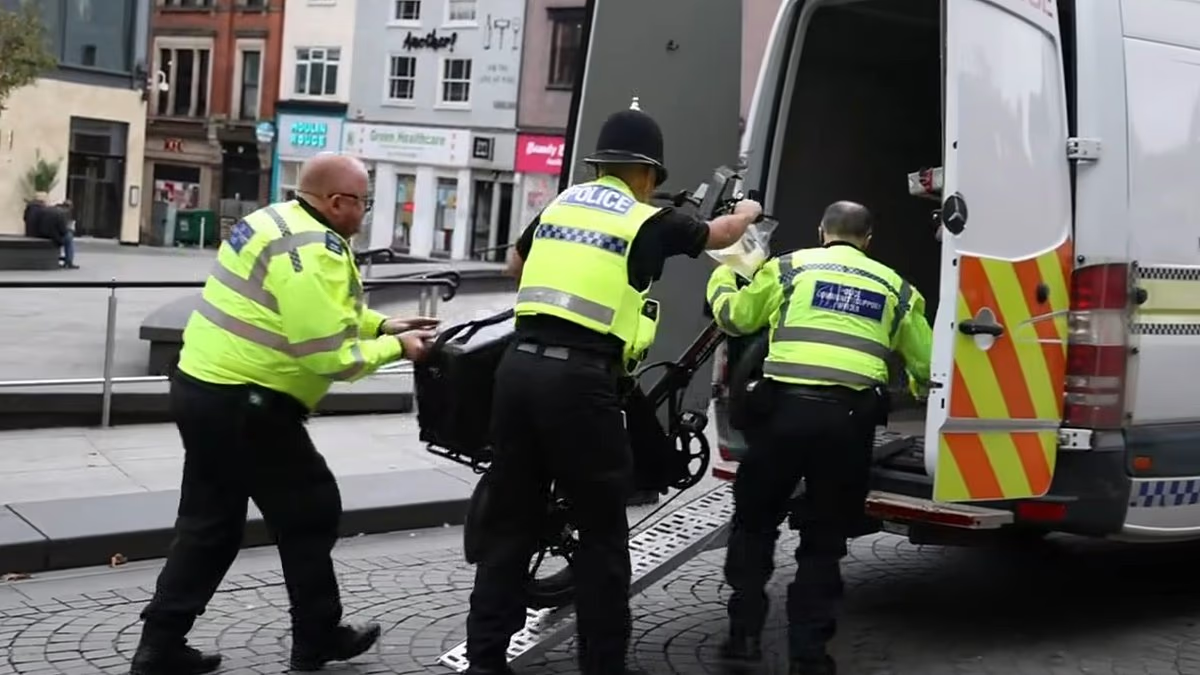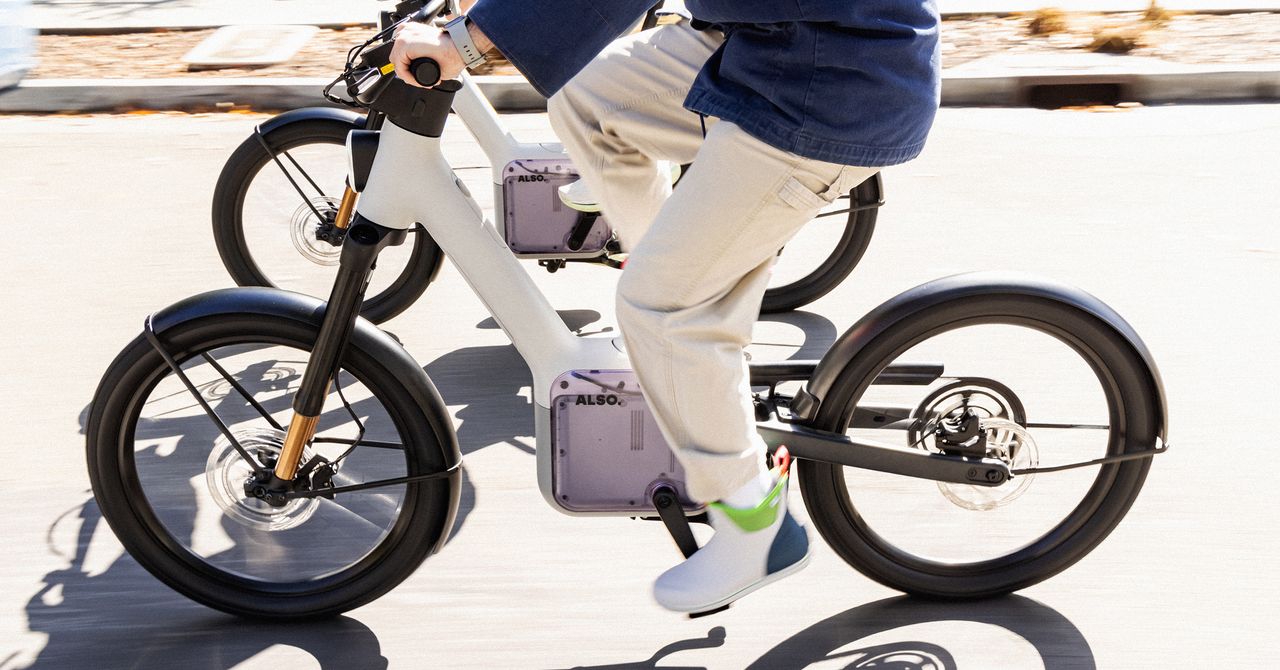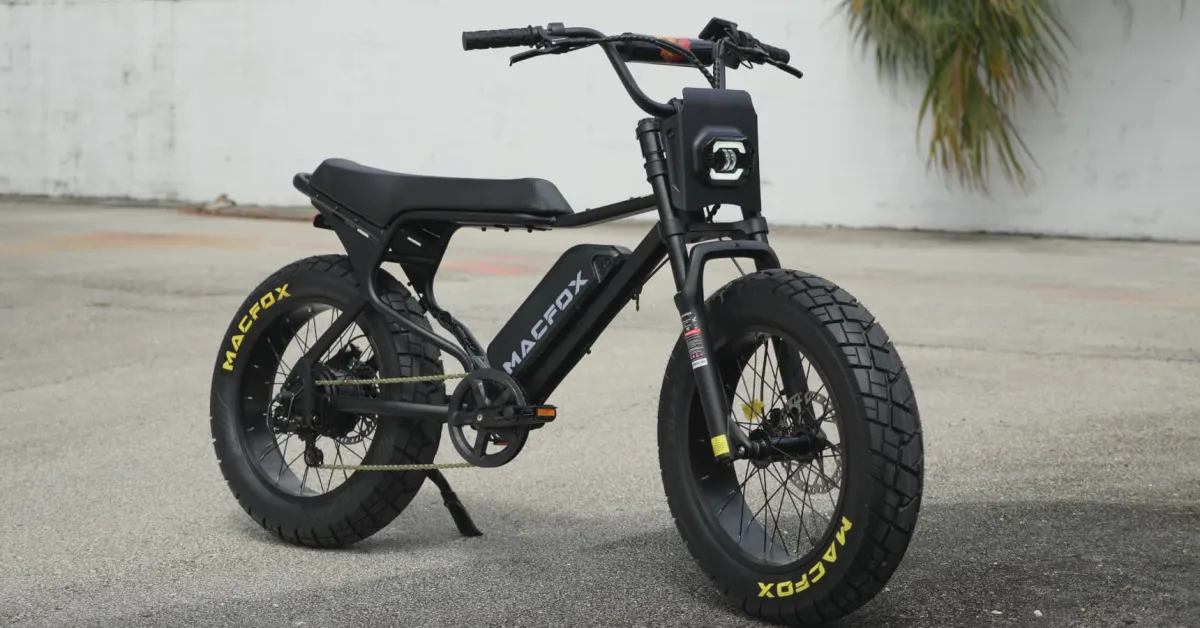
Illinois is on the verge of adopting a major update to its e-bike laws, and unlike many recent proposals around the country, this one doesn’t simply focus on traditional electric bicycles. In addition to the traditional 3-class electric bicycle system, it also sets in place a path forward for out-of-class models that are too fast or powerful to qualify as true electric bicycles.
The legislation creates a new legal framework that distinguishes between low-speed e-bikes (Class 1, 2, and 3) and the increasingly common high-speed electric vehicles that often blur the line between bicycles and motorcycles.
Senate Bill 3336 recently passed the Illinois House in an 80-30 vote and now awaits final action in the Senate. The bill is backed by Illinois Secretary of State Alexi Giannoulias, who argues that current laws haven’t kept pace with rapidly evolving micromobility technology.
The legislation formally adopts the familiar three-class e-bike system used in much of the United States. Under the proposal, Class 1 and Class 2 e-bikes would be limited to 20 mph (32 km/h), while Class 3 pedal-assist e-bikes could reach speeds of up to 28 mph (45 km/h). All three can feature motors with up to 750W of power (one horsepower).