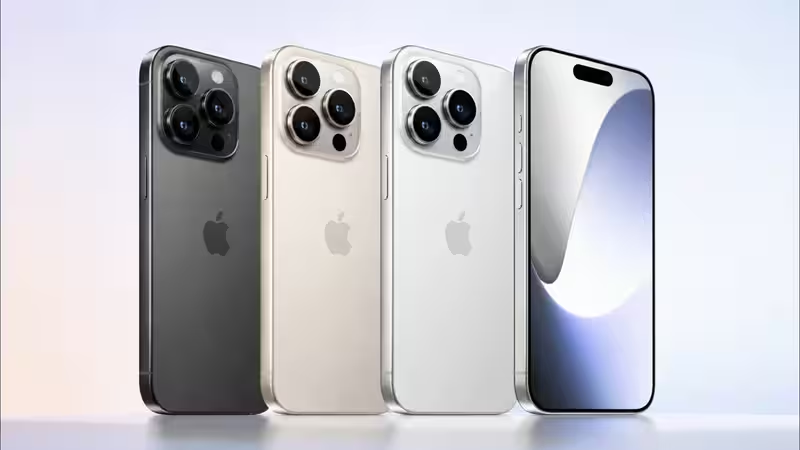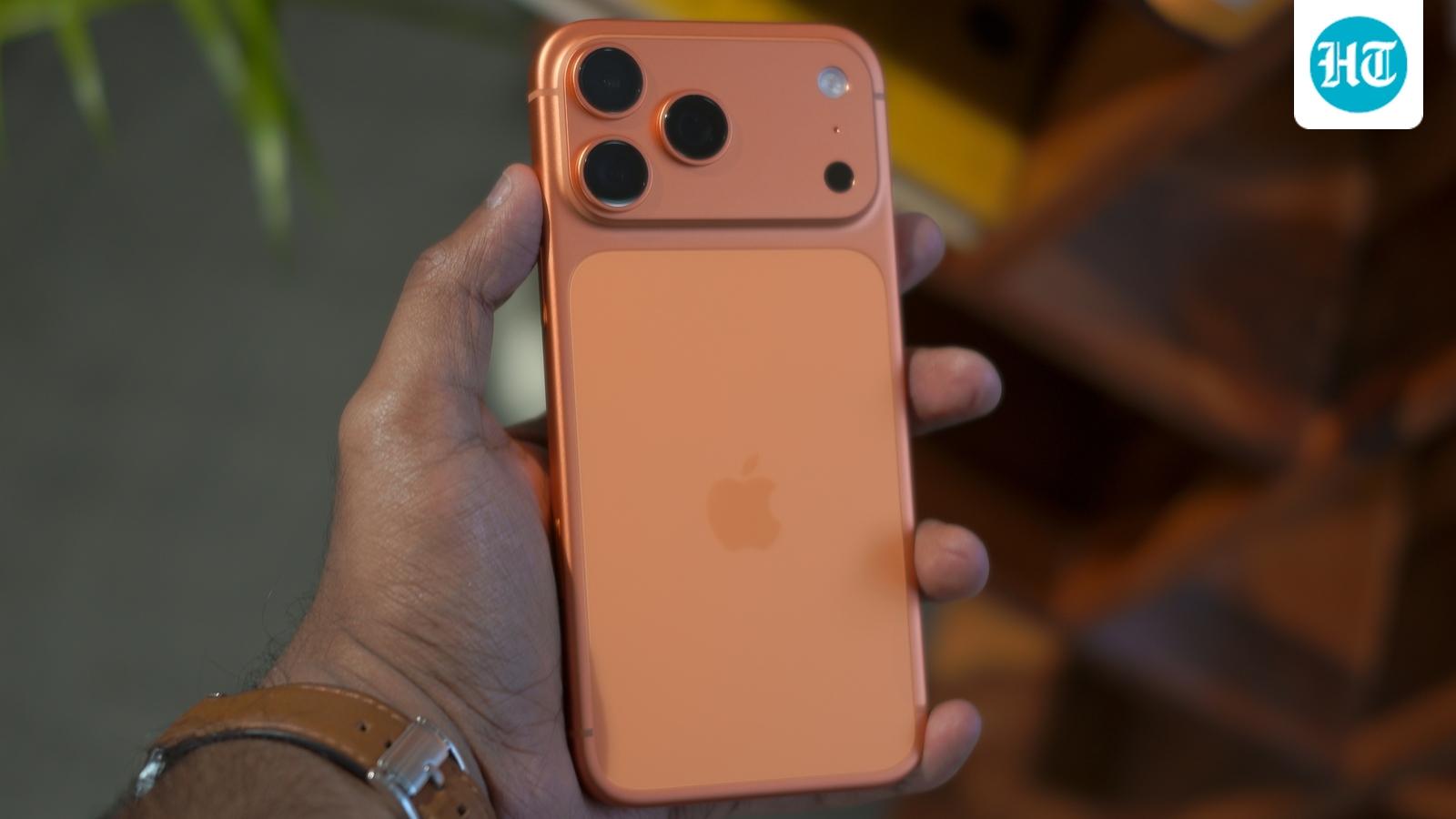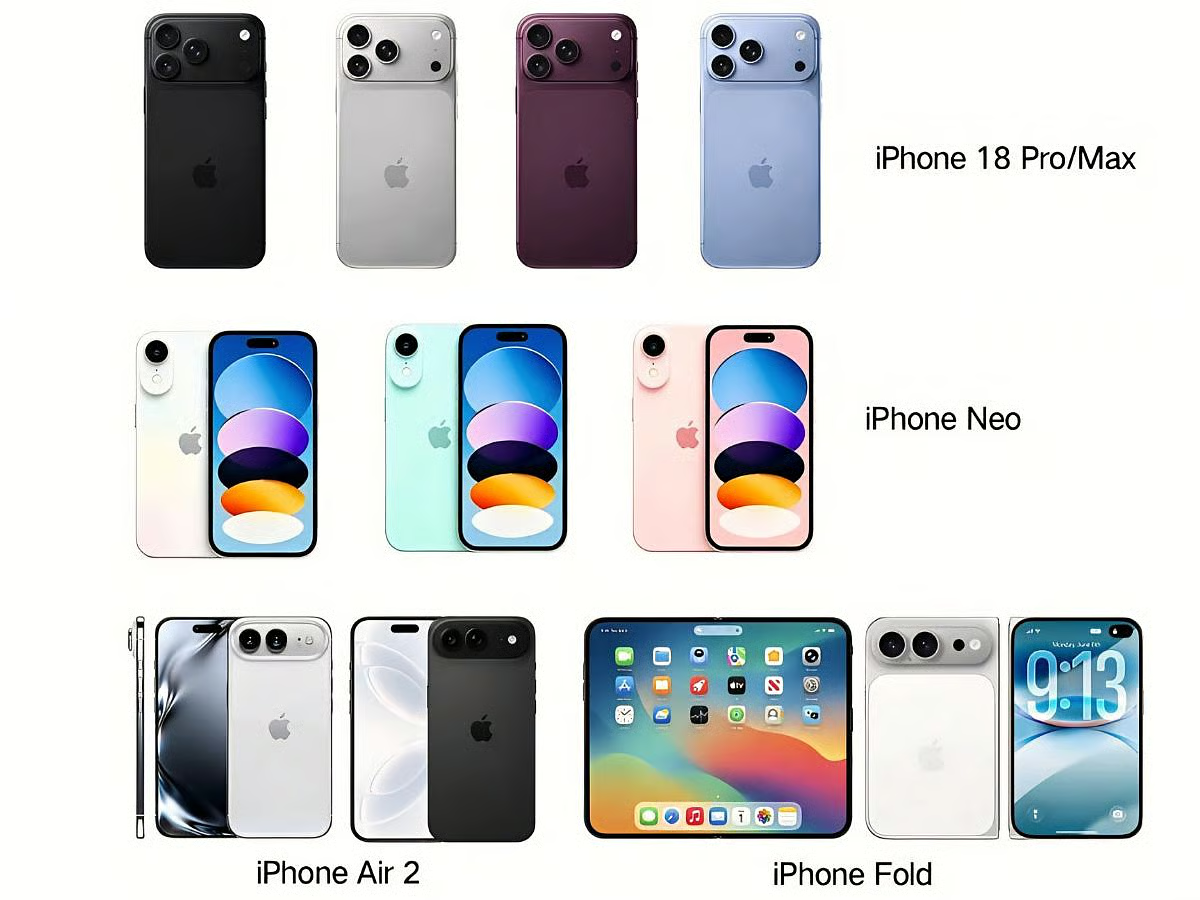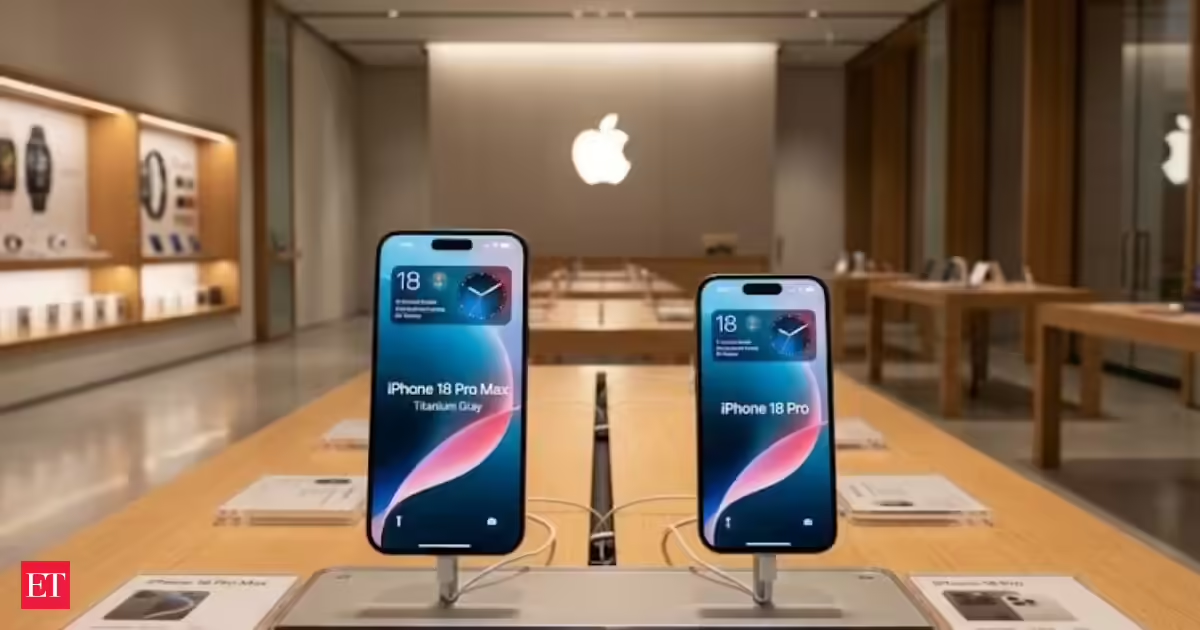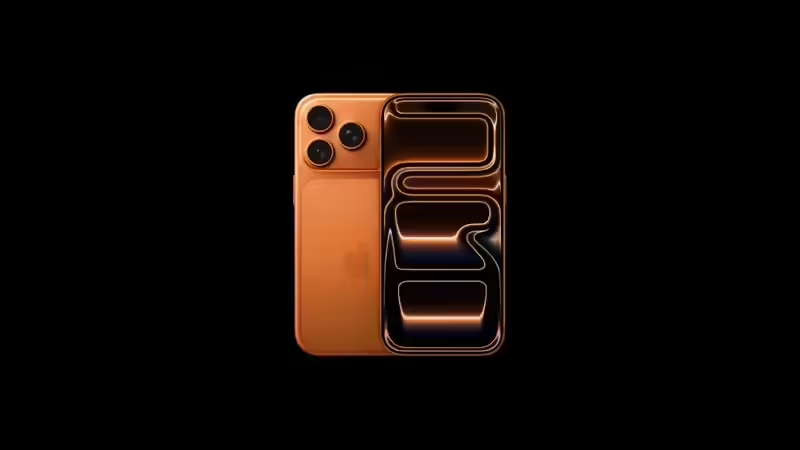
Photo credit: AppleApple will split the iPhone 18 launch into two windows. The iPhone 18 Pro, iPhone 18 Pro Max and Apple’s first foldable iPhone are expected to launch in September 2026, while the base iPhone 18, possible iPhone 18e and second-generation iPhone Air are expected in spring 2027.The split breaks Apple’s two-decade pattern of unveiling its full iPhone lineup in a single September cycle. The iPhone Fold, also referred to in some supply-chain reports as the iPhone Ultra, is expected to cross the $2,000 threshold, translating to roughly Rs 1.9 lakh to Rs 2.15 lakh in India depending on duties and configuration. The A20 Pro chip powering the Pro Max and Fold is expected to be Apple’s first iPhone chip built on TSMC’s 2nm fabrication process, a step forward from the current 3nm standard.This will also be the first iPhone cycle under Apple’s next leadership phase, with John Ternus expected to take over as CEO from September and Johny Srouji running a unified hardware organisation.Read AlsoWhy Apple is splitting the iPhone 18 launchFive drivers are pushing the split.First, the foldable is genuinely hard to build. Apple’s first foldable iPhone is expected to use a book-style design, a thin chassis, a near-invisible crease and a durable hinge. The hinge mechanism and crease-minimisation work are the chief production challenges. Apple cannot wait for the Fold to ramp before launching the iPhone 18 Pro. The split lets the Fold ship in limited volume at the top of the line without dragging on the rest of the lineup’s launch momentum.Second, the average selling price argument is real. Pulling the base iPhone 18 out of the September window pushes buyers who would otherwise have bought a base model toward the Pro variants. Pro and Pro Max margins are materially higher than base-model margins. Six months of Pro-only sales is the cleanest way to lift ASP across a fiscal year.Third, the September news cycle has become crowded. A typical Apple September event now juggles iPhone, Watch, AirPods and accessory launches in a single keynote. The two-pronged approach gives Apple two marketing windows instead of one.Fourth, Wall Street earnings recognition smooths out. Apple’s Q1 fiscal quarter, October to December, carries the high-margin Pro and Fold launch. The Q2 fiscal quarter, January to March, carries the base, e and Air 2 launch. That creates a smoother revenue curve than the current September-spike pattern.Fifth, the memory cost crisis hitting the wider smartphone industry creates component allocation pressure. With DRAM and NAND prices climbing through 2026, splitting the launch lets Apple stagger component buys across two windows rather than peaking once.Read AlsoHow the split works mechanicallyThe how is more interesting than the why.Samsung Display is expected to play a central role in Apple’s first foldable iPhone panel supply. These foldable OLED panels cannot be diverted to base iPhone production anyway because they are a different product category from the LTPO OLEDs used in the iPhone 18 Pro Max.TSMC 2nm capacity for the A20 Pro is the more meaningful constraint. The Pro, Pro Max and Fold each need A20 Pro silicon. Spring 2027 base models will likely sit on a less-cutting-edge A20-family variant, freeing 2nm capacity for higher-margin devices through the fall ramp.Factory line management matters too. Apple’s manufacturing partners in India, including Foxconn and Tata Electronics, are increasingly important to the iPhone supply chain. Apple’s hardware reorganisation under Johny Srouji is expected to tighten coordination between silicon, hardware engineering and manufacturing partners.Software differentiation is the fourth mechanism. The Fold needs foldable-native iOS work: multi-app handling, app continuity between outer and inner displays and hinge-aware UI states. WWDC 2026 is expected to lay the software groundwork for Apple’s first foldable iPhone.Fifth, the iPhone Air becomes the testbed. Apple is expected to use learnings from thin-device engineering, battery placement and thermal management to shape both the Fold and the next iPhone Air.Read AlsoiPhone 18 Pro and iPhone 18 Pro Max specificationsThe most significant camera rumour involves a variable aperture mechanism for the main camera on the iPhone 18 Pro models. This would allow dynamic adjustment of light intake and depth of field, giving users more control in bright scenes, low light and portrait-style shooting.The Pro Max is expected to get the larger battery, stronger thermal headroom and the most aggressive camera configuration. Both Pro models are expected to ship with the A20 Pro on TSMC 2nm. The Pro lineup is also expected to bring design refinements, including a cleaner front layout and a new colour story led by a deep red or Dark Cherry-style finish.Read AlsoiPhone Fold: Apple’s first foldable arrives as a halo productThe iPhone Fold is expected to feature a roughly 5.5-inch outer display and a 7.8-inch inner display, with a super-thin design, minimal crease and a durable hinge. Apple is positioning the Fold above the Pro Max, not as a replacement but as a separate ultra-premium category.For pricing context, the foldable is expected to sit around Rs 2 lakh or higher in India. That places it above conventional Pro Max pricing and closer to the top of the foldable market.The Fold also matters as a technology demo for future iPhone designs. The display tech, hinge engineering and foldable-native iOS paradigm will define iPhone designs two to three years out. The iPhone Air 2 and future iPhone generations are likely to inherit some of the Fold’s chassis, battery and thermal learnings.Read AlsoiPhone 18, iPhone 18e and iPhone Air 2 in spring 2027The spring 2027 wave is the more conservative side of the split. Some reports suggest the base iPhone 18 could be scaled back to reduce production costs, bringing it closer to the entry-level iPhone 18e in terms of positioning.The Air 2 is the most interesting device in this window because of the Fold inheritance: a thinner profile, better battery efficiency despite fewer cameras, and engineering learnings from Apple’s sub-6mm device work.Read AlsoiPhone 18 series expected specificationsModelChipsetKey featuresLaunchiPhone Fold / iPhone UltraA20 Pro, TSMC 2nm5.5-inch outer display, 7.8-inch inner display, minimal-crease hinge, foldable-native iOSSeptember 2026iPhone 18 Pro MaxA20 Pro, TSMC 2nmVariable aperture main camera, larger battery, satellite upgrades, Dark Cherry-style finishSeptember 2026iPhone 18 ProA20 Pro, TSMC 2nmPro camera upgrades, cleaner front design, incremental refreshSeptember 2026iPhone Air 2A20 familyThinner profile, single-camera design, better battery efficiencySpring 2027iPhone 18A20 familyStandard refresh, possible cost-led spec reductionSpring 2027iPhone 18eA19 or A20 familyEntry-tier successor in the e-seriesSpring 2027iPhone 18 series expected India pricingModelExpected starting price in IndiaiPhone 18eRs 59,900 to Rs 69,900iPhone 18Rs 79,900 to Rs 89,900iPhone Air 2Rs 99,900 to Rs 1,09,900iPhone 18 ProRs 1,29,900 to Rs 1,39,900iPhone 18 Pro MaxRs 1,49,900 to Rs 1,59,900iPhone Fold / iPhone UltraRs 1,89,900 to Rs 2,15,000What the split means for Indian manufacturing and Indian buyersThe India angle is structural, not incidental. Apple’s India manufacturing partners are increasingly important to global iPhone output. Foxconn and Tata Electronics are expected to play a larger role in Apple’s hardware roadmap, especially as Apple diversifies production outside China.For Indian buyers, the split launch creates two distinct windows. Festive-season buyers in September 2026 get the Pro lineup and the Fold. Spring 2027 buyers, typically the demographic upgrading from older iPhones, get the base, e and Air 2.Apple’s India revenue distribution flattens across the year rather than concentrating into the September-Diwali spike. The split launch also lets Apple drip-feed premium inventory into a price-sensitive market where memory costs and replacement cycles are under pressure.Read AlsoThe A20 Pro chip and Apple’s silicon ambition under SroujiThe A20 Pro is expected to be the first iPhone chip on TSMC’s 2nm process. It is also the first major iPhone silicon cycle after Johny Srouji’s expanded hardware role.Apple’s silicon programme has produced several consecutive generations of leading-edge mobile chips. The 2nm move is the cleanest generational jump since the A14’s move to 5nm in 2020: node shrink, performance lift, efficiency gain and AI acceleration in a single cycle.Where this leaves Apple’s launch calendarApple has spent twenty years training its supply chain, sales channel and marketing engine to peak in September. The iPhone 18 launch is the year that pattern breaks.The Fold is the immediate reason. The split is the strategic answer. John Ternus’s first iPhone cycle as CEO begins by changing the most-watched product calendar in consumer technology. The base iPhone 18 launching alongside the Air 2 in spring 2027 is the consequence, not the headline.Read Alsoend of article
iPhone 18 Pro and iPhone Fold Debut September 2026, Base Model in 2027
Find latest technology news, gadgets reviews & ratings. Popular & latest gadgets specifications, features, prices, photos & videos. Trending mobile phone comparisons, slideshows, how tos and videos for latest mobile phones, tablets, technology news updates.
1,381 words~6 min read