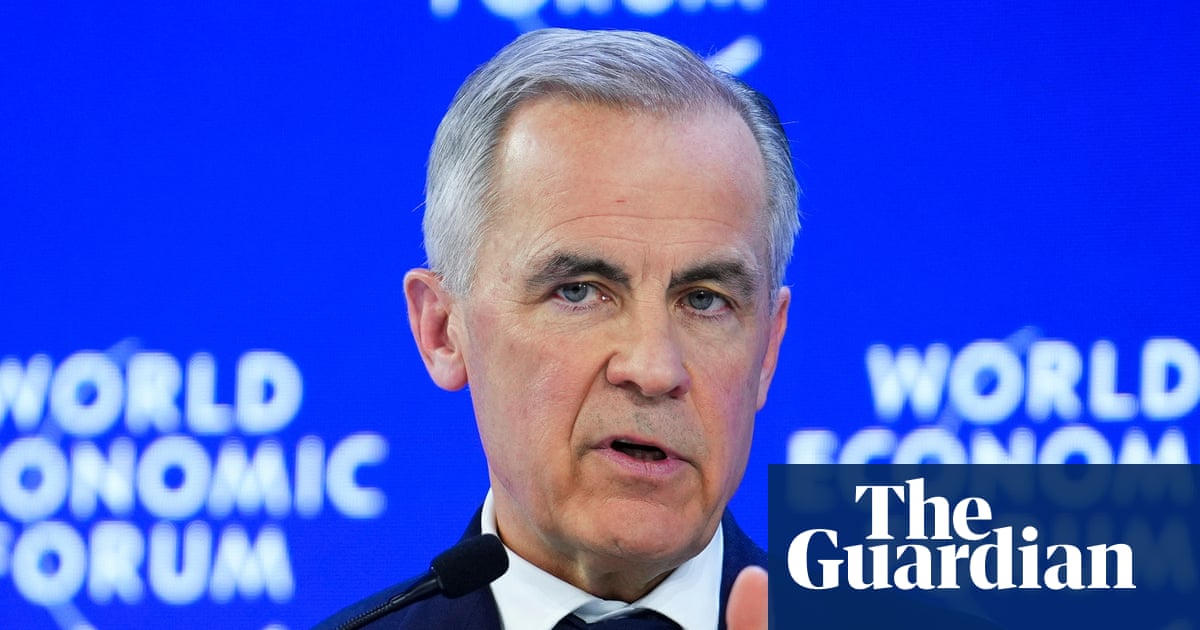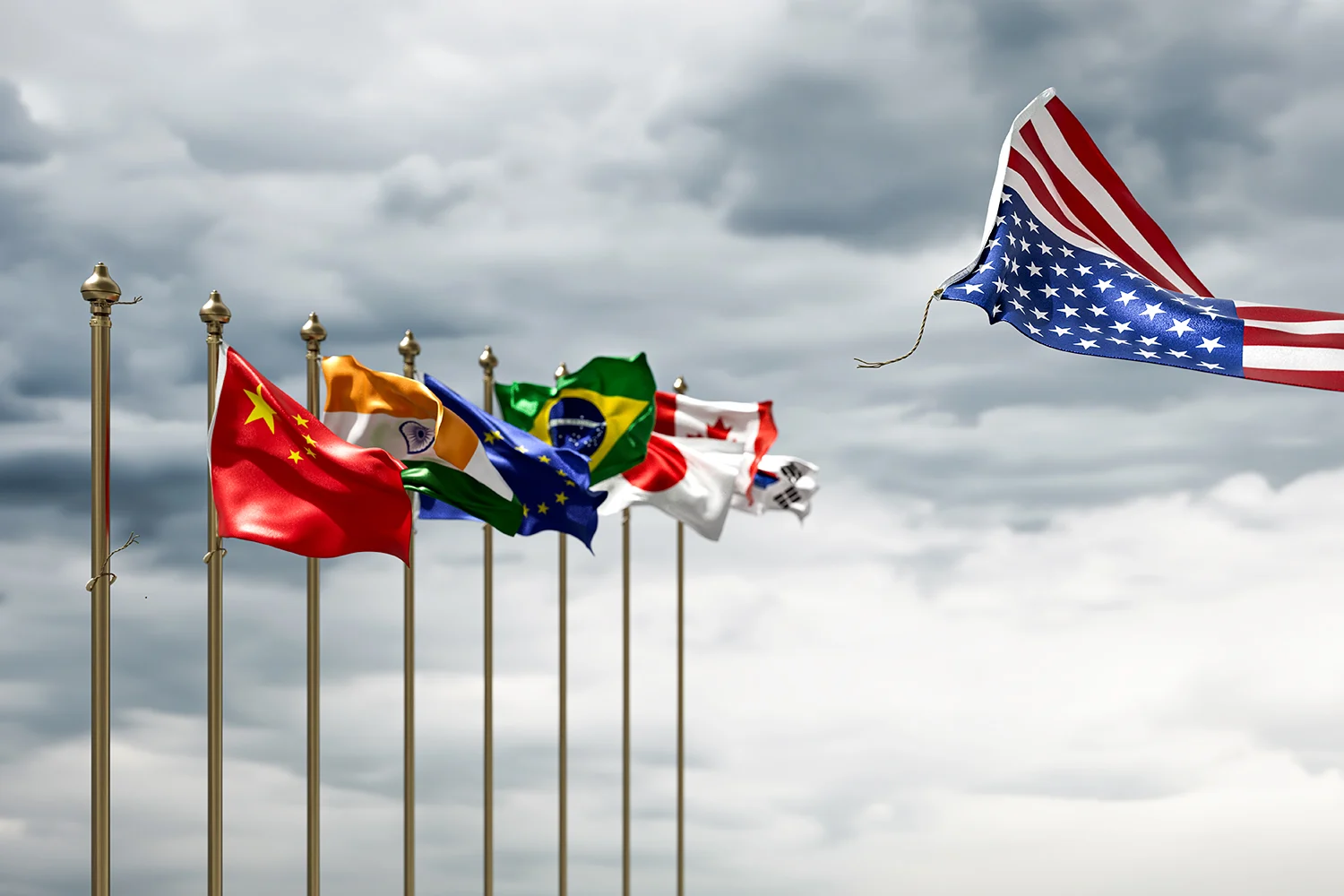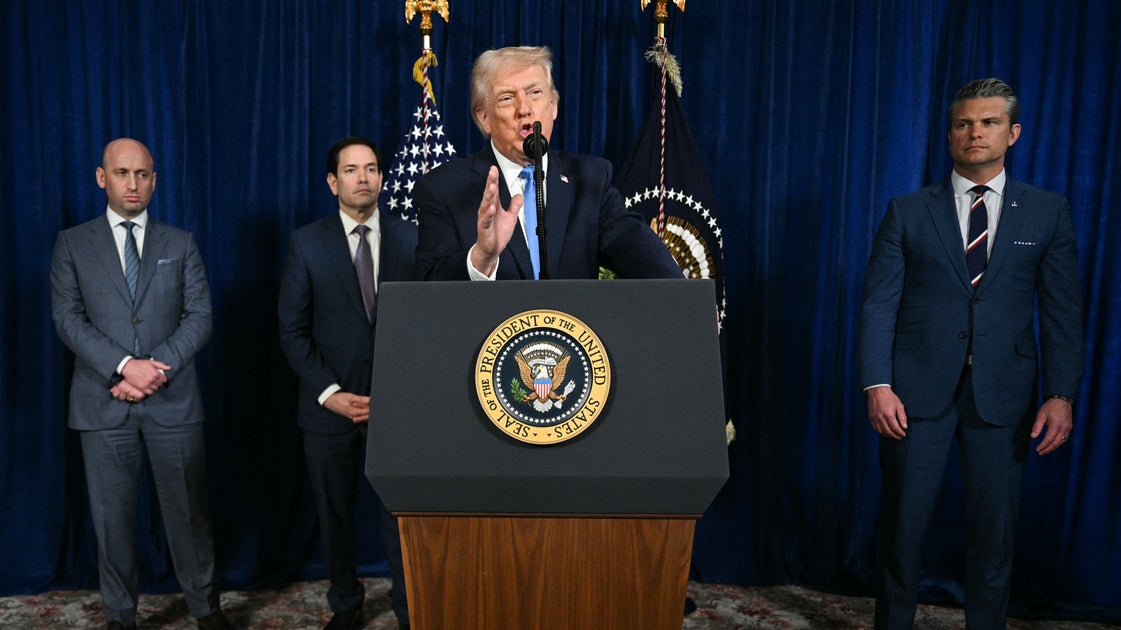
U.S. foreign policy during Donald Trump’s second term has unleashed deep and wide-ranging concern about international stability and the future of the global order. For Canadian Prime Minister Mark Carney, Trump has created a “rupture in the world order”; Danish Prime Minister Mette Frederiksen, following Trump’s threats to invade Greenland, said that the old world order “is now gone.” The Munich Security Report 2026, released ahead of the eponymous conference, described U.S. policy under Trump as a “sweeping destruction” of the post-1945 order, whereas others have called it “the great dismantling” and even the end of modernity. Trump’s war against Iran has further inflamed tensions between Washington and its allies, weakening U.S. influence around the world.
However, the U.S.-led world order already ceased to exist long before Trump’s return to power. Neither he nor his MAGA movement are the main drivers of change; current Washington policies are better understood as a symptom of fundamental structural shifts that have already occurred. Indeed, the rise of right-wing populism, nationalism, protectionism, and heightened geopolitical contestation reaches far beyond Trump.
U.S. foreign policy during Donald Trump’s second term has unleashed deep and wide-ranging concern about international stability and the future of the global order. For Canadian Prime Minister Mark Carney, Trump has created a “rupture in the world order”; Danish Prime Minister Mette Frederiksen, following Trump’s threats to invade Greenland, said that the old world order “is now gone.” The Munich Security Report 2026, released ahead of the eponymous conference, described U.S. policy under Trump as a “sweeping destruction” of the post-1945 order, whereas others have called it “the great dismantling” and even the end of modernity. Trump’s war against Iran has further inflamed tensions between Washington and its allies, weakening U.S. influence around the world.