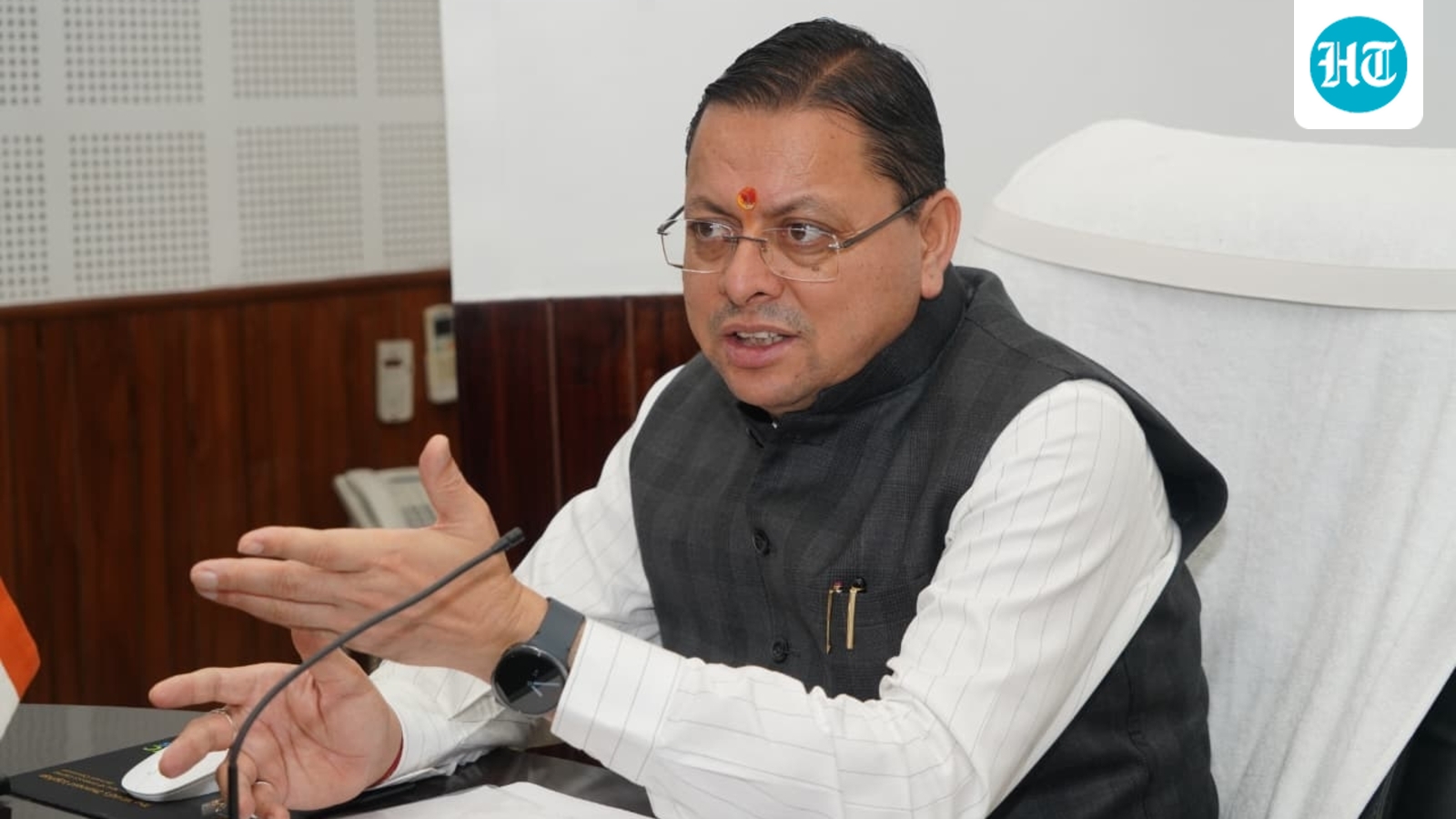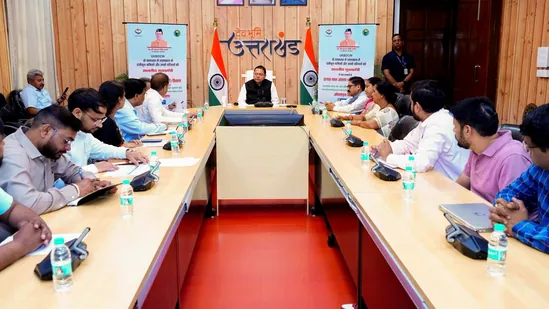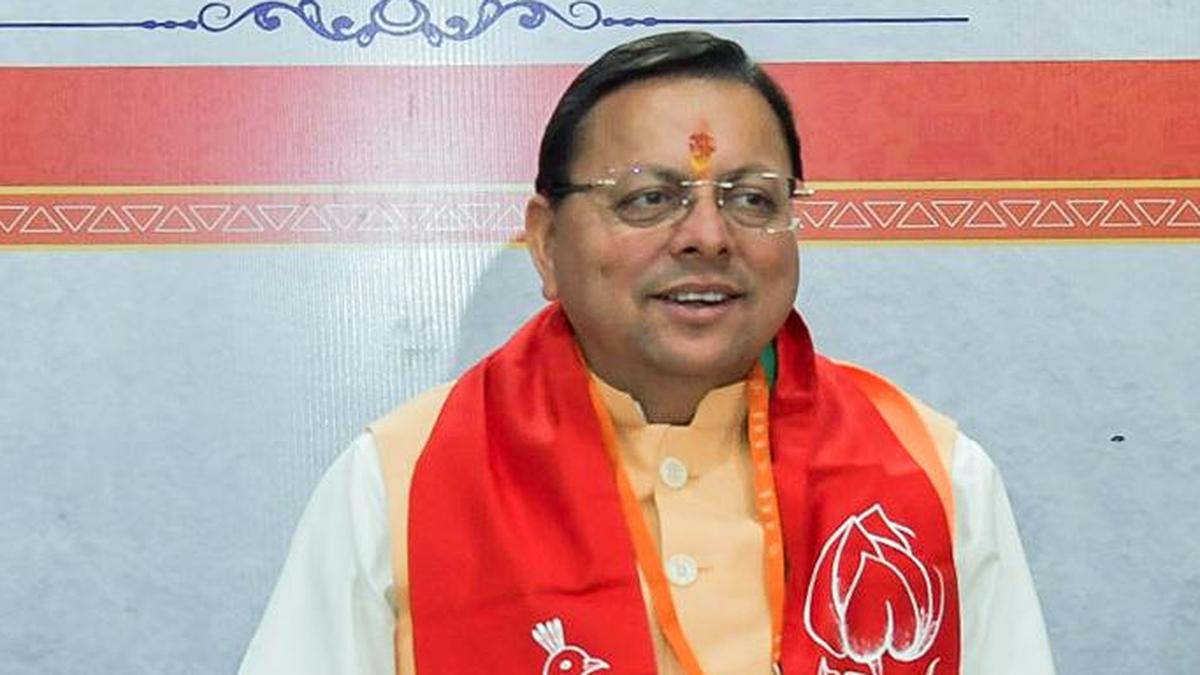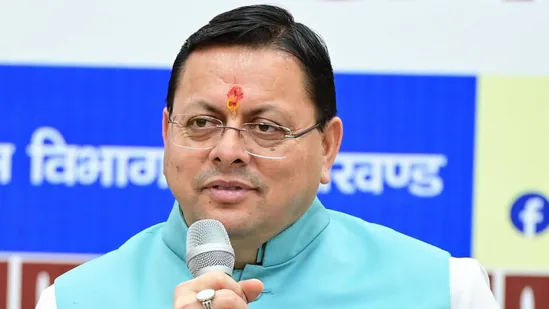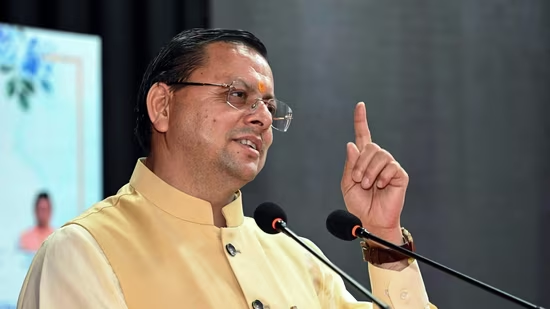
Uttarakhand Chief Minister Pushkar Singh Dhami on Thursday transferred pension benefits worth ₹176.59 crore to more than 9.74 lakh beneficiaries under various social welfare schemes and called for greater outreach to ensure welfare programmes reach eligible citizens across the state.Addressing a state-level awareness programme in Dehradun, he said the government remains committed to social justice, welfare delivery and ensuring benefits reach eligible citizens without delays. (@pushkardhami X)The transfer was made through a one-click digital mechanism during a state-level collective awareness and orientation programme held at the IRDT Auditorium near Survey Chowk in Dehradun. According to the state government, a total of 9,74,338 beneficiaries received pension payments for May 2026, amounting to ₹176.59 crore.During the event, the Chief Minister also administered pledges related to the state's anti-drug campaign and respect and care for senior citizens.Focus on welfare deliveryAddressing participants at the workshop, Dhami said the programme would play an important role in ensuring that social welfare schemes reach people at the grassroots level.He said the government's objective is to provide benefits to every eligible person without discrimination, delays or procedural obstacles.The Chief Minister referred to various welfare programmes implemented by the Centre under Prime Minister Narendra Modi, including the Jan Dhan Yojana, Ujjwala Yojana, Pradhan Mantri Awas Yojana, Ayushman Bharat and the free ration scheme. He also cited initiatives such as Stand-Up India, the Pradhan Mantri Mudra Yojana, PM SVANidhi and the National Rural Livelihood Mission as measures aimed at promoting self-employment and economic empowerment.State initiatives highlightedDhami said the Uttarakhand government has undertaken several measures aimed at strengthening social justice and supporting vulnerable groups.Among the initiatives highlighted were the provision of three free LPG cylinders annually to Antyodaya families, increased vehicle allowance for employees with disabilities, and programmes designed to support women's economic empowerment through self-help groups and the Lakhpati Didi scheme.He also referred to schemes including the Mukhyamantri Swarozgar Yojana, Mukhyamantri Palayan Roktham Yojana, Vibrant Village Programme and the Apni Sarkar portal, saying these initiatives were intended to extend development benefits to remote and underserved populations.Economic and infrastructure indicatorsThe Chief Minister said Uttarakhand had recorded significant progress in infrastructure and economic development over the past few years.He pointed to developments in road connectivity, education, healthcare, rail services and aviation infrastructure, and said events such as the National Games and G20 meetings had helped raise the state's profile.Dhami said the state's economy had expanded by around one-and-a-half times over the past four years, while Gross State Domestic Product (GSDP) grew by 7.23% during the last year. He added that per capita income had risen by 41% over four years and that the unemployment rate had declined by 4.4%.According to the Chief Minister, the state's budget size has crossed ₹1 lakh crore, while sectors including homestays, startups, industrial investment, heliports and power generation have registered significant growth.Governance and implementationDhami also highlighted measures including anti-copying legislation, anti-conversion and anti-riot laws, and land protection initiatives. He said more than 11,000 acres of government land had been freed from encroachment and that over 33,000 youths had secured government jobs through transparent recruitment processes since the implementation of the anti-copying law.Calling for stronger implementation of welfare schemes, he stressed a four-point strategy involving wider public awareness, simplification of administrative processes, greater use of technology and regular monitoring with accountability mechanisms.He urged members of commissions, councils and committees to undertake regular visits to districts and remote areas to review the implementation of government programmes on the ground.
Uttarakhand transfers ₹176.59 crore in pensions to 9.74 lakh beneficiaries, Dhami reiterates welfare focus
CM Dhami on Thursday transferred ₹176.59 crore in pension benefits to more than 9.74 lakh beneficiaries through a one-click digital transfer system.
570 words~3 min read