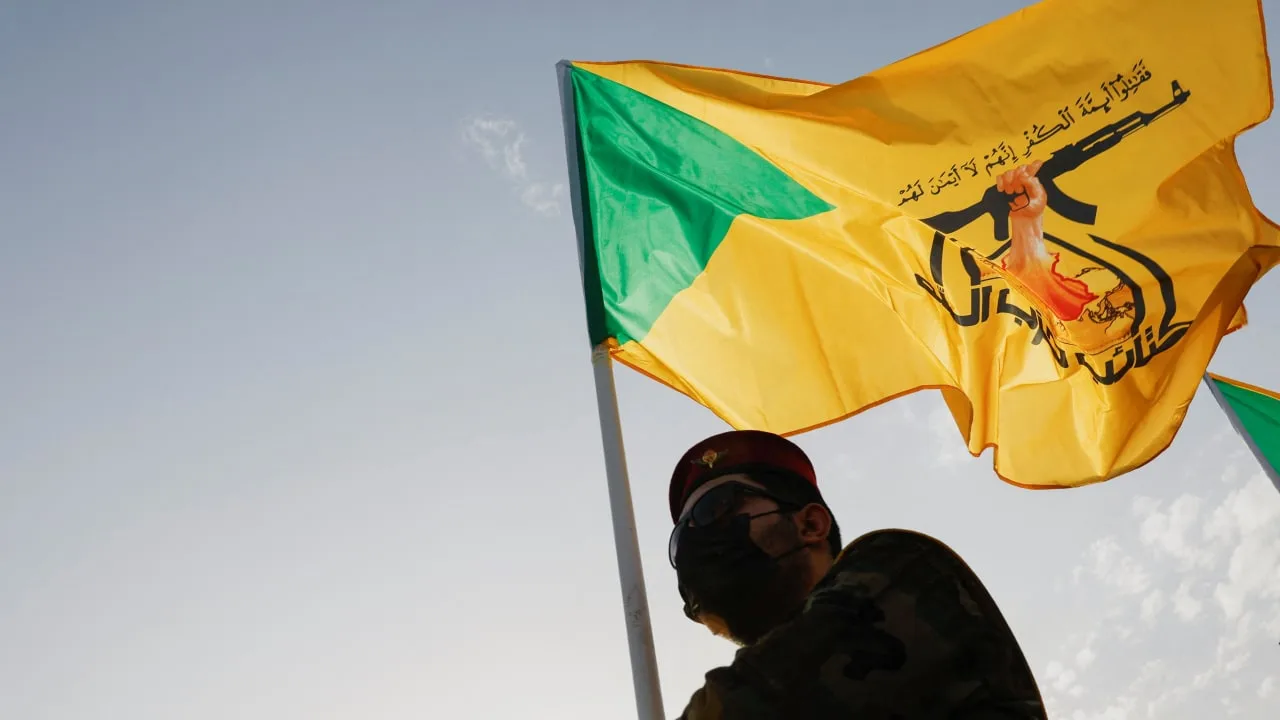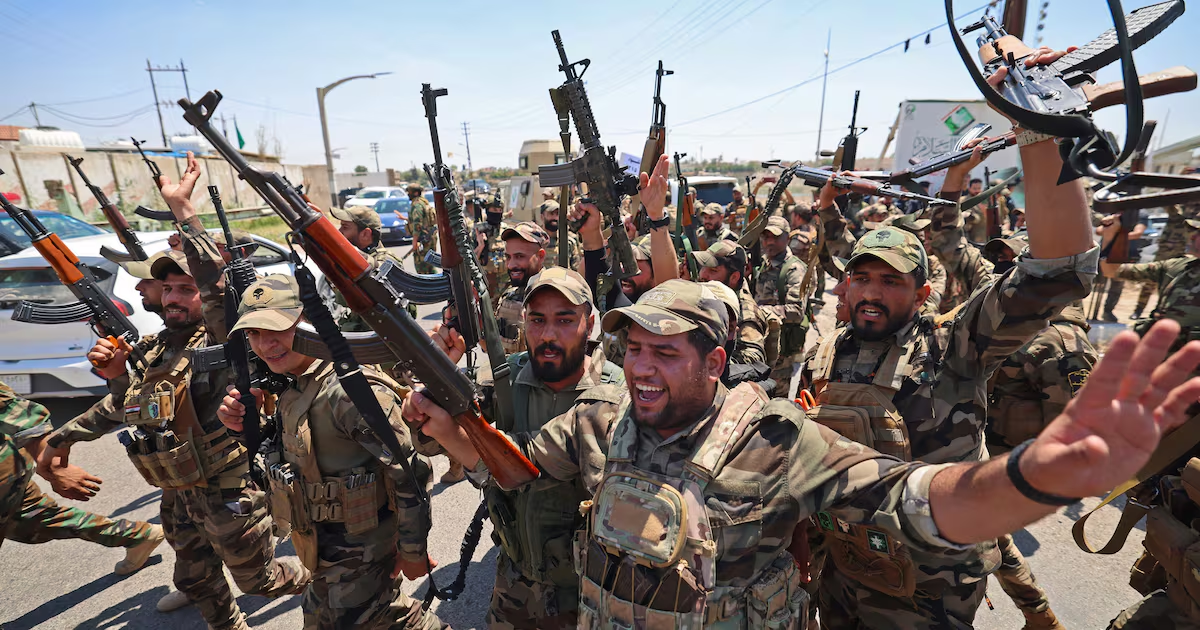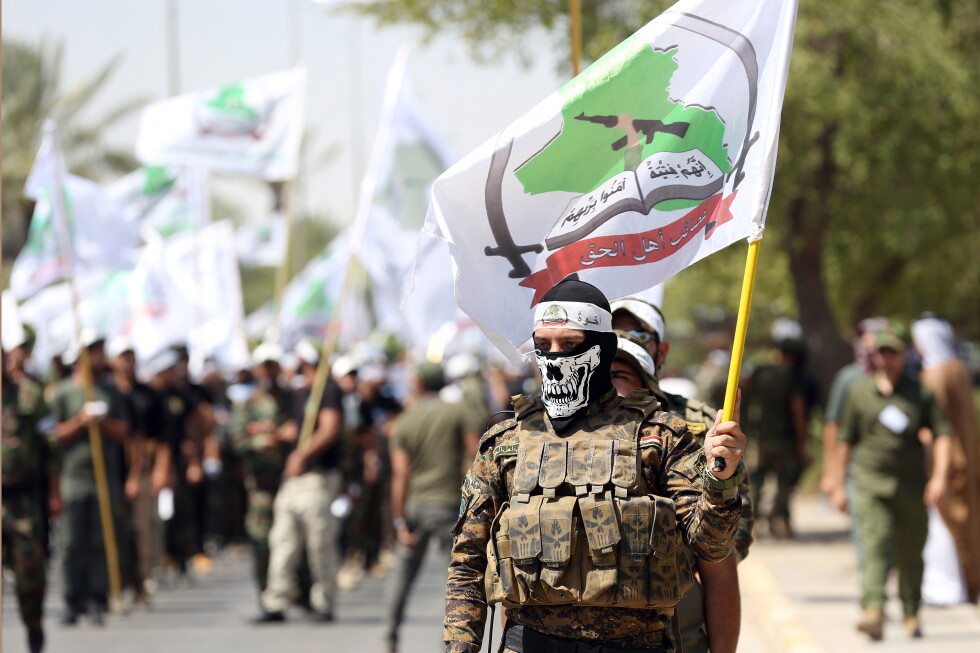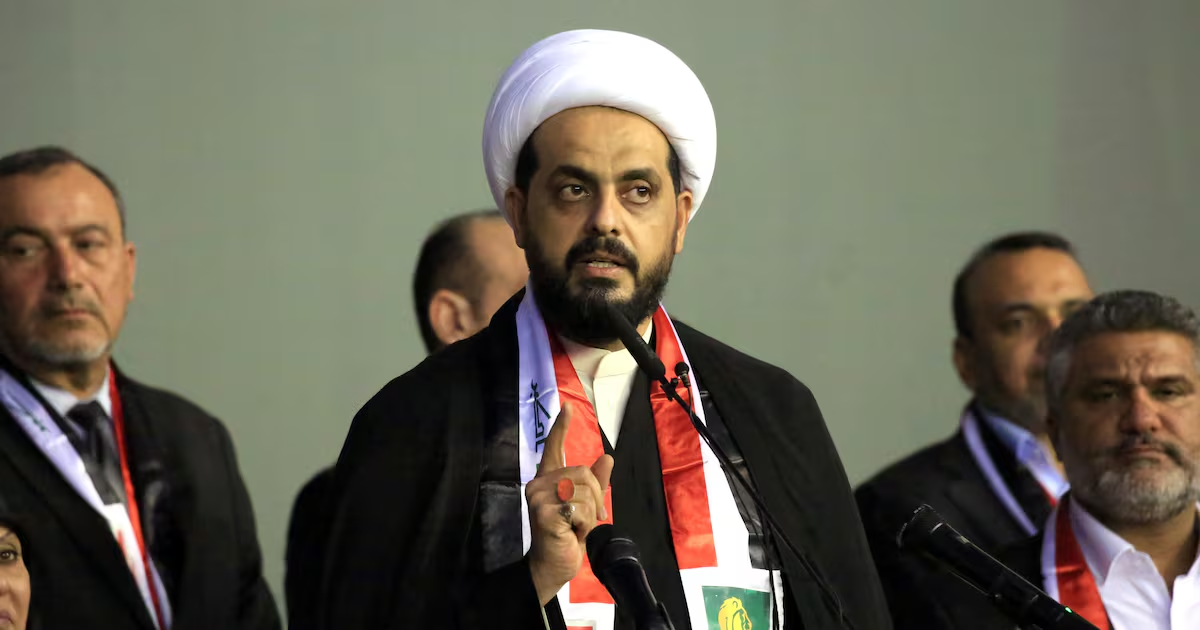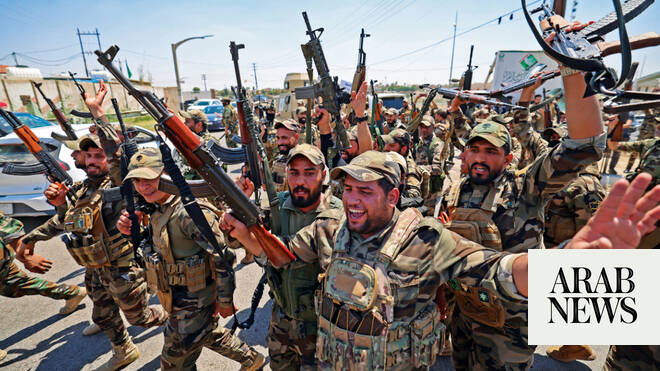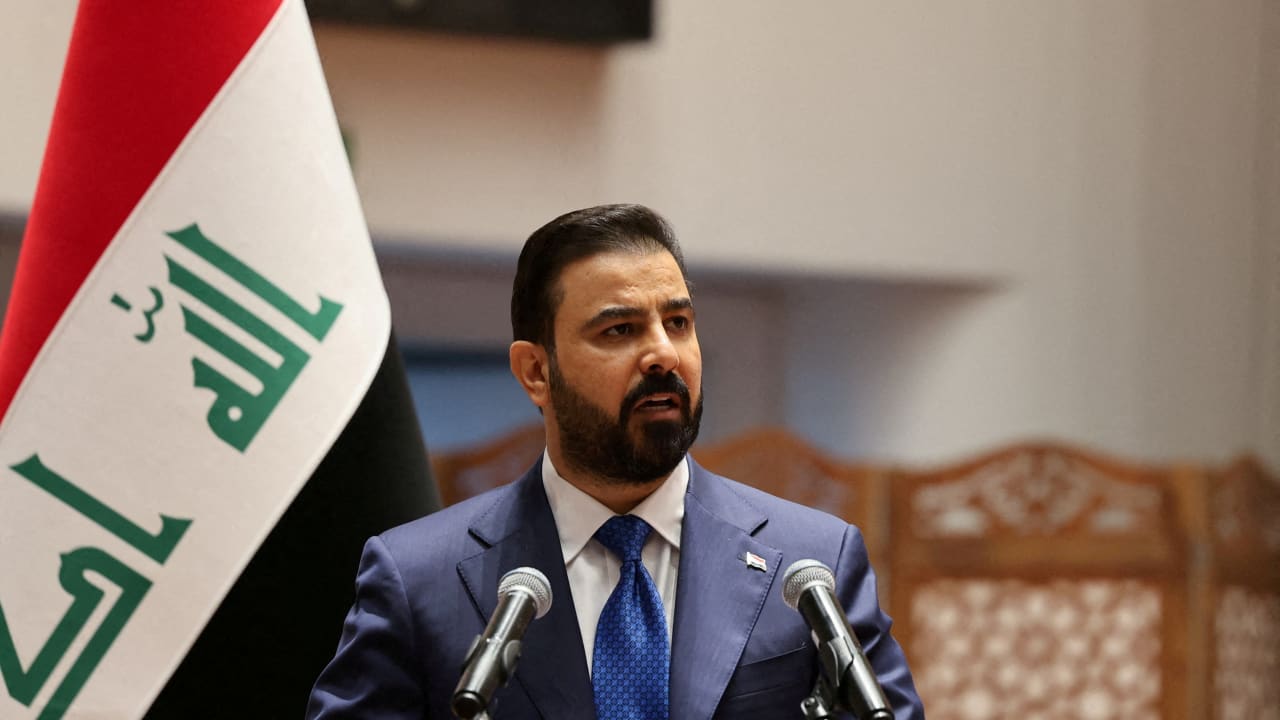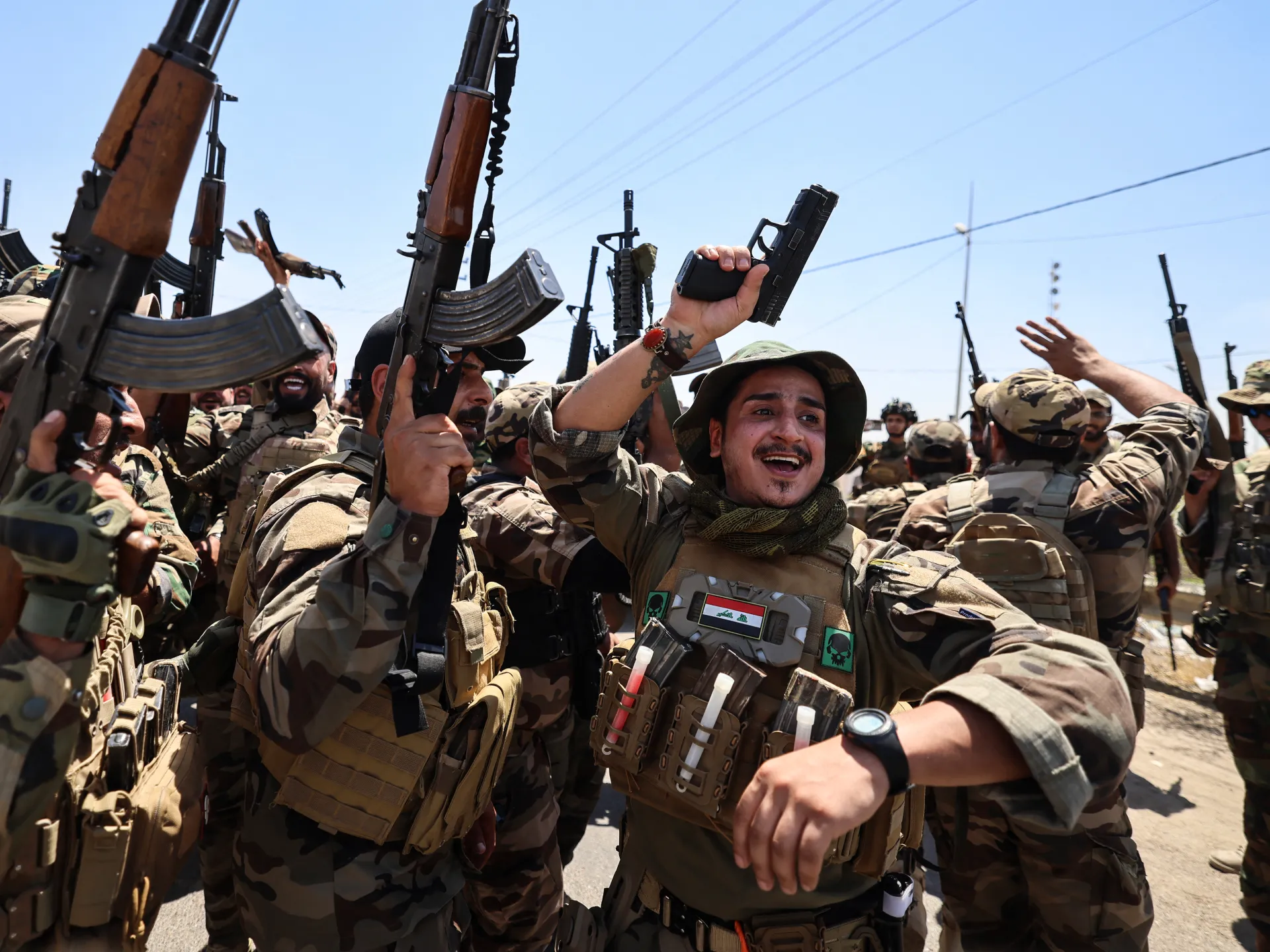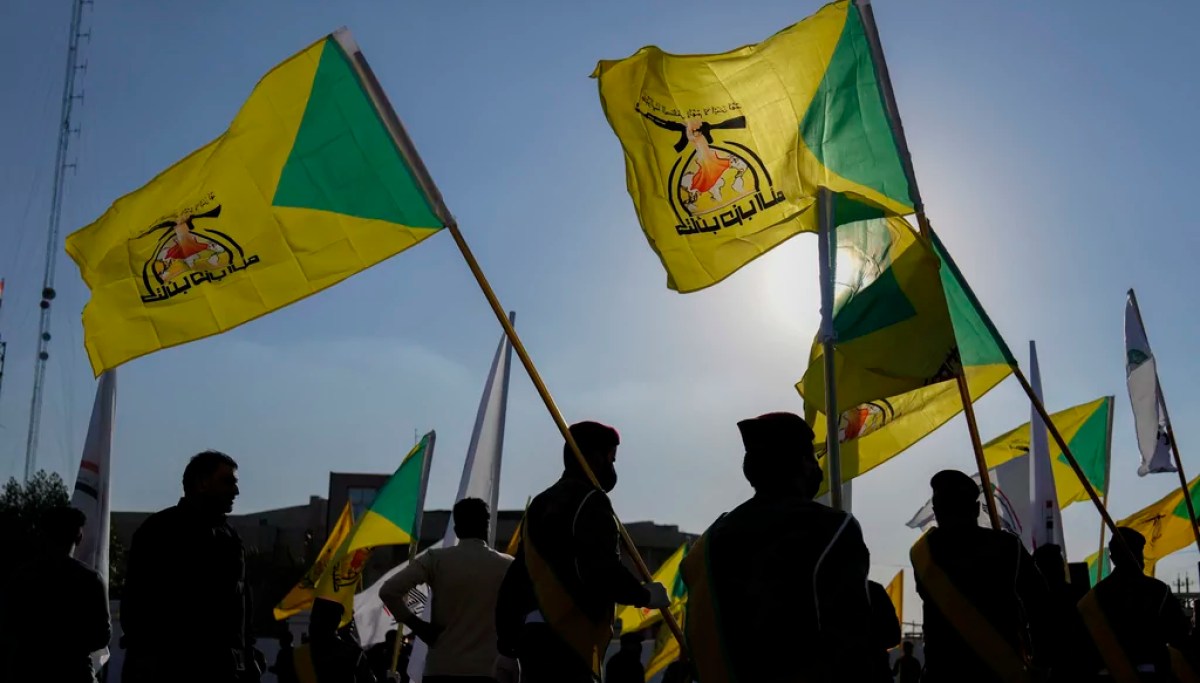
Recent reports suggesting that Iraqi militias are preparing to disarm have generated optimism in Washington. If true, it would represent a significant step toward restoring state authority and reducing the influence of armed groups that have operated outside government control for years.The problem is there is little evidence that genuine disarmament is actually taking place.The first question policymakers should ask is simple: Who is making these pledges, and who is not?
IRAQ IS BEING CAPTURED, AND WASHINGTON IS LETTING IT HAPPEN
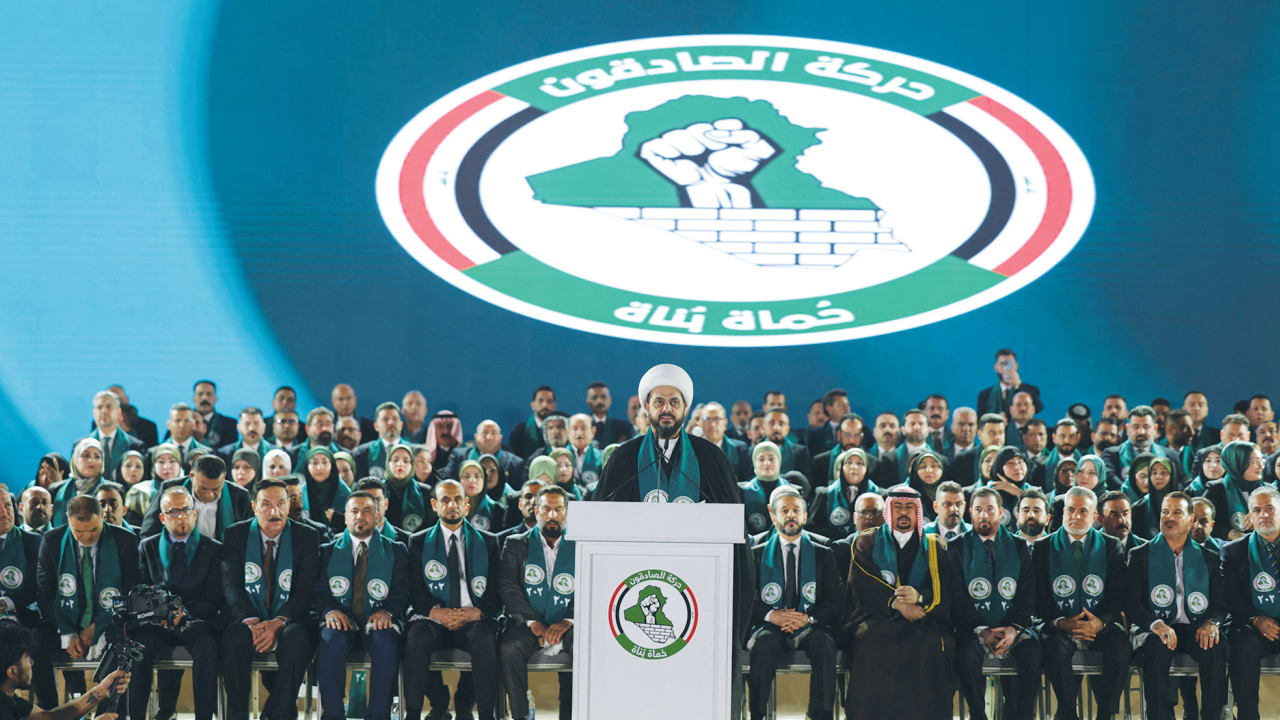
Several figures associated with the Sadrist trend have publicly signaled a willingness to lay down weapons or further integrate into state institutions. Yet many of the most powerful Iran-aligned factions that emerged from the Badr movement and other entrenched militia networks have made no comparable commitment.
That alone should encourage skepticism.
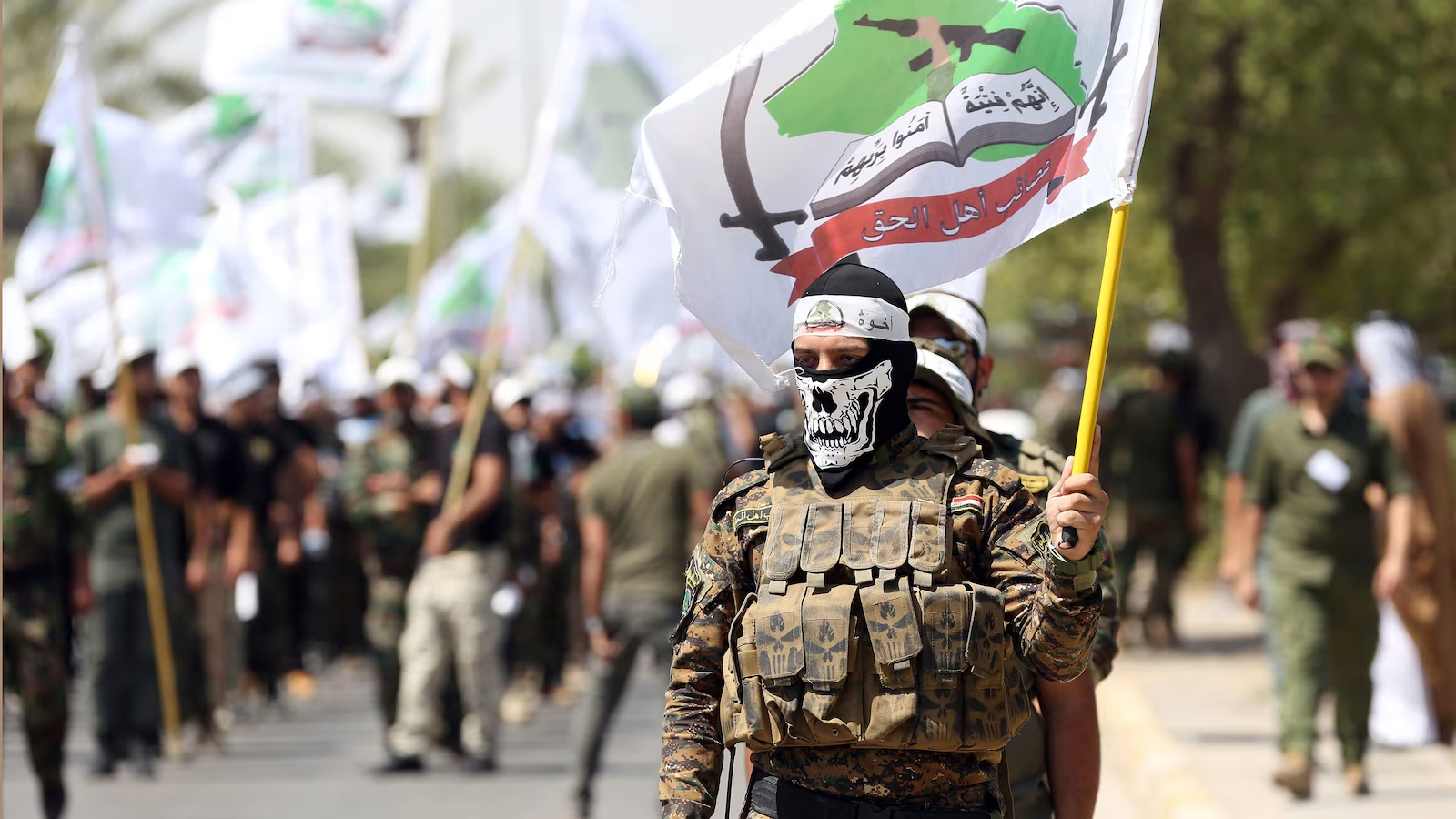
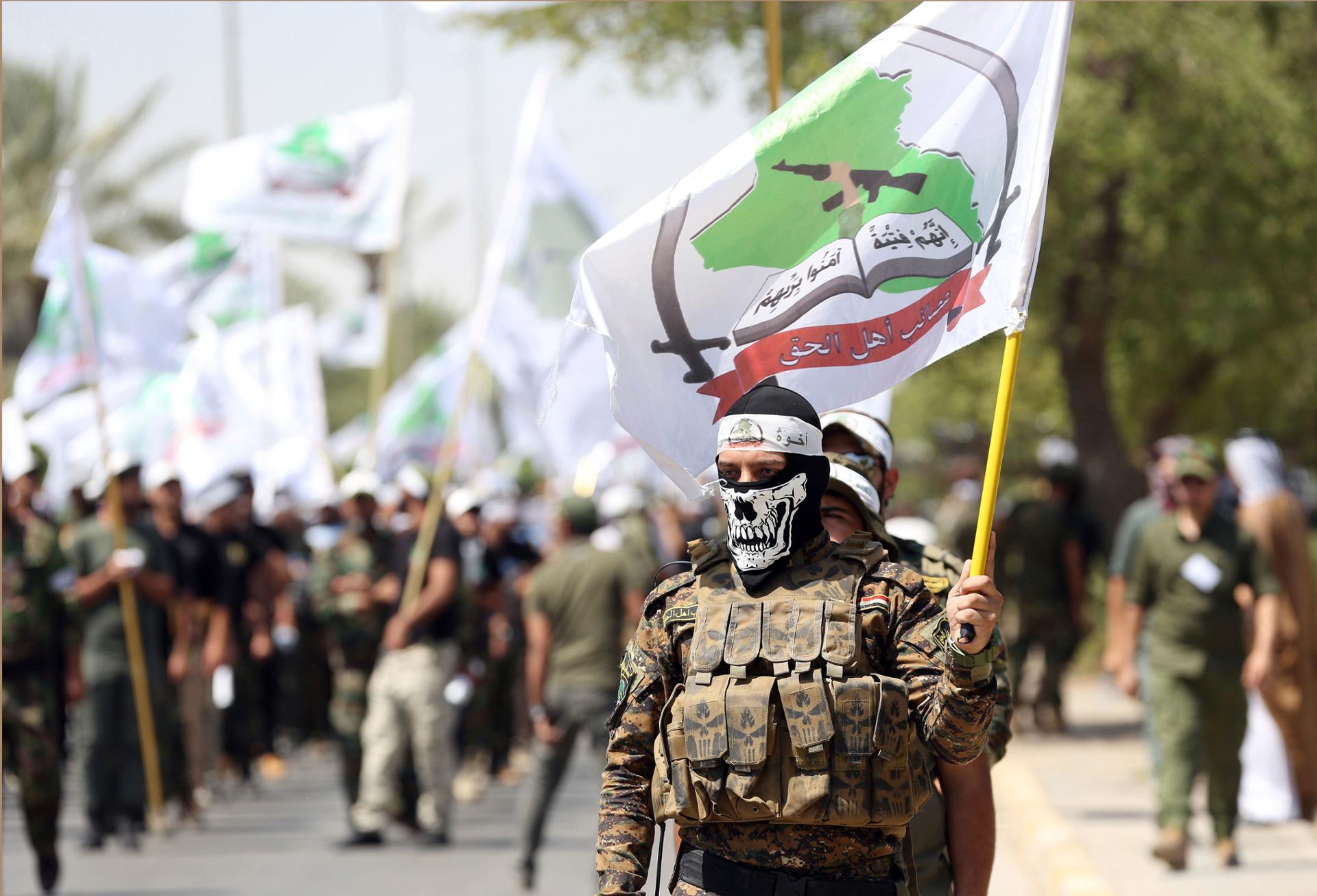
More importantly, many of Iraq’s militia leaders understand that power is not measured solely by weapons. It is measured by influence, political leverage, economic networks, and control over state institutions. A militia commander who exchanges fatigues for an Iraqi military uniform while continuing to answer to militia leadership has not disarmed. He has simply changed clothes.