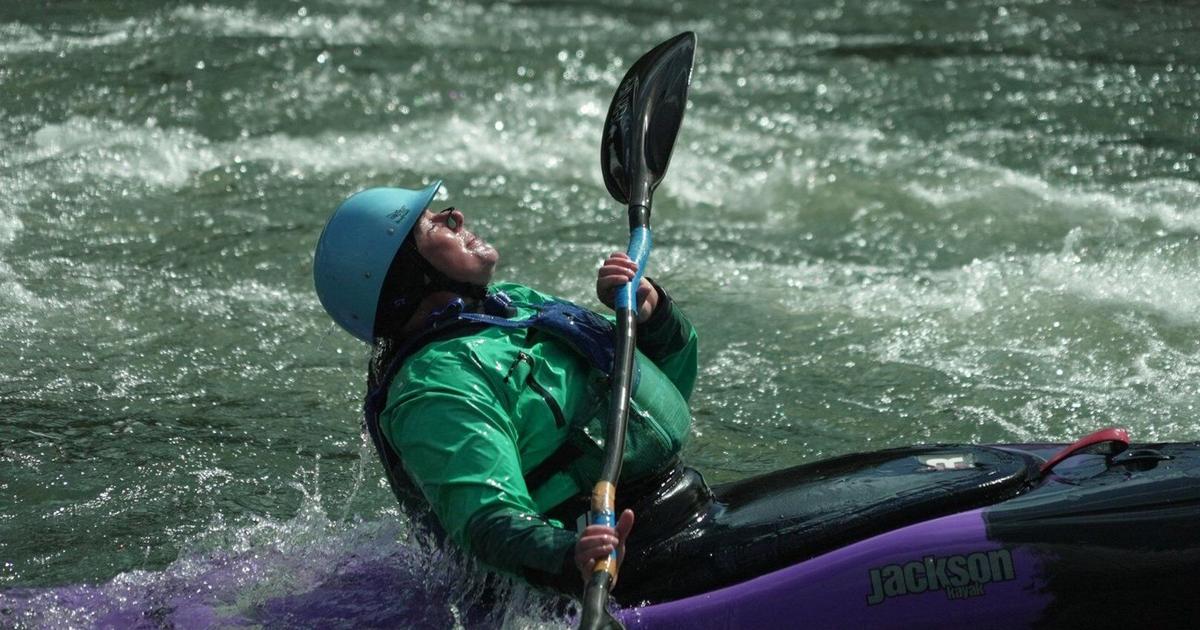
MANCHESTER, Iowa (AP) — Hannah Ray J Childs propelled her kayak into a rapid on Iowa’s Maquoketa River on a recent afternoon and dipped her paddle in the water to swing the front of her boat into the air.She loves to spend her days performing whitewater kayaking acrobatics that dunk her body in the water and give her the “feeling of flying,” she said. The water is where she found community — she even first spotted her husband when he was flipping his kayak in violent water. He in turn taught her how.But she has also gotten sick from the water and now wears nose and ear plugs to minimize risk. Many others question why she spends so much time on the water.
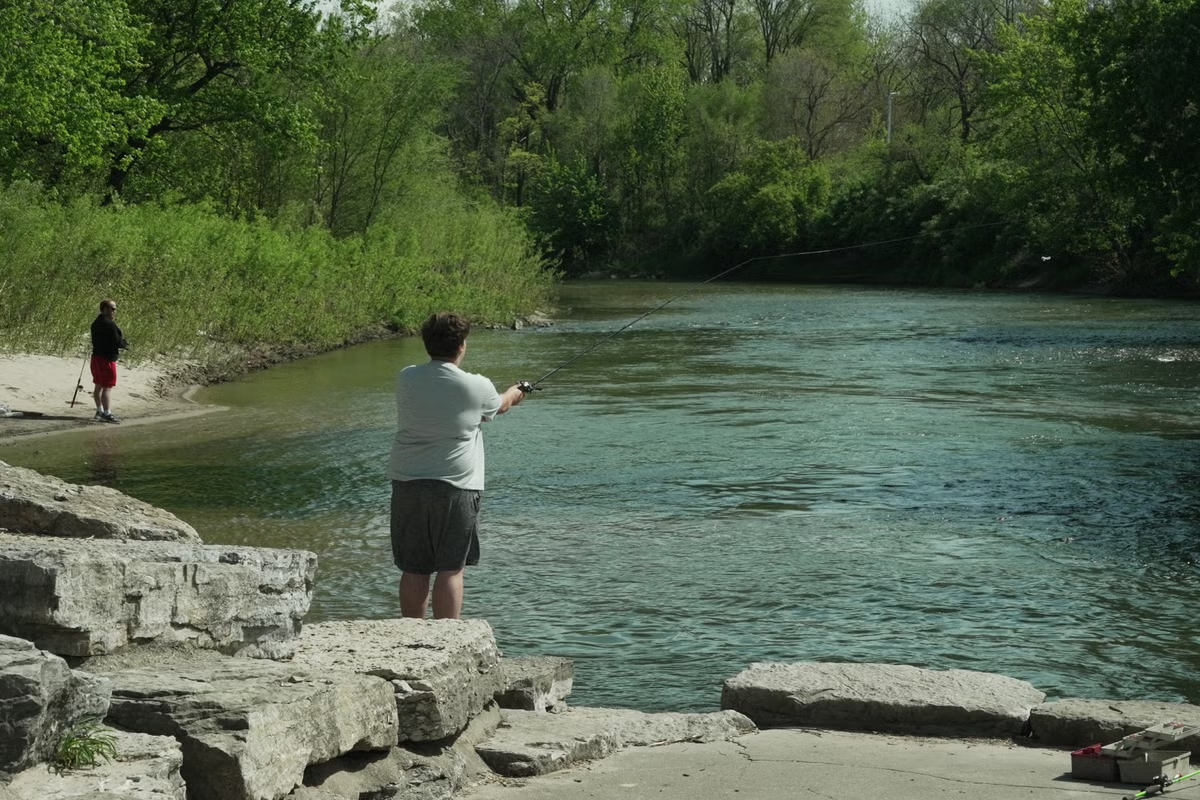
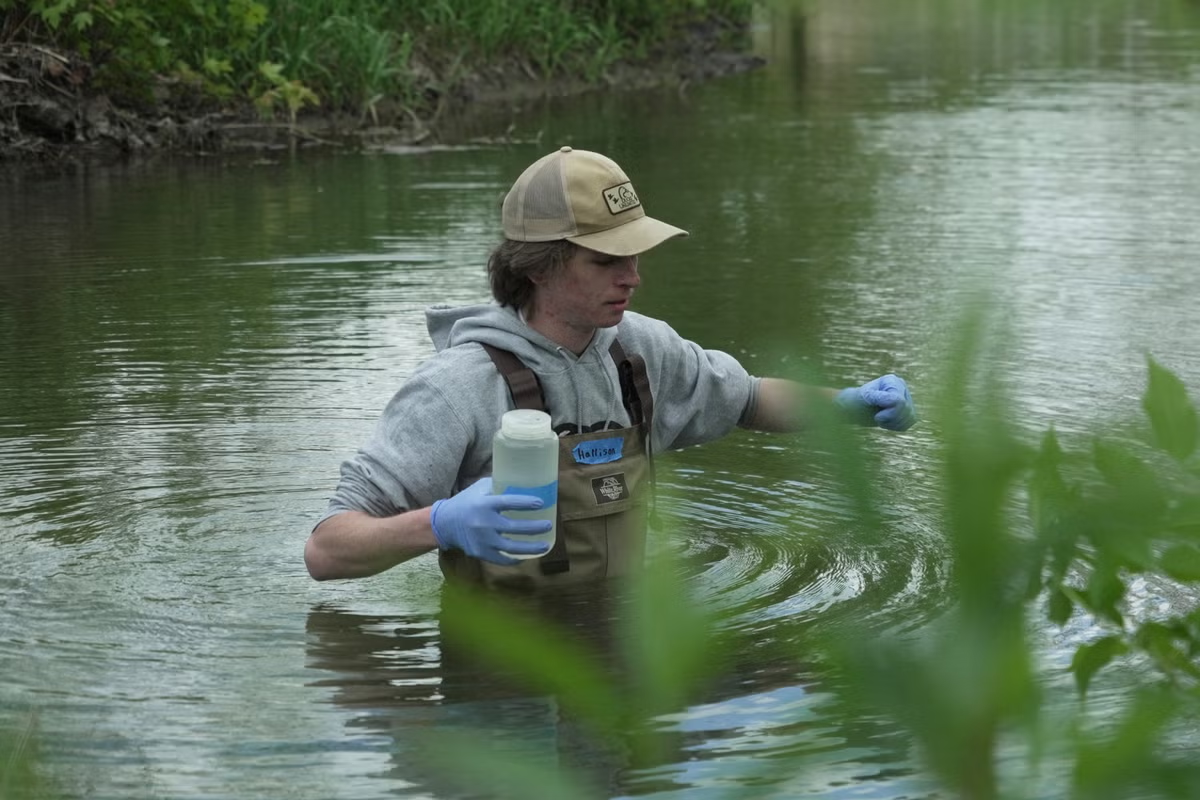
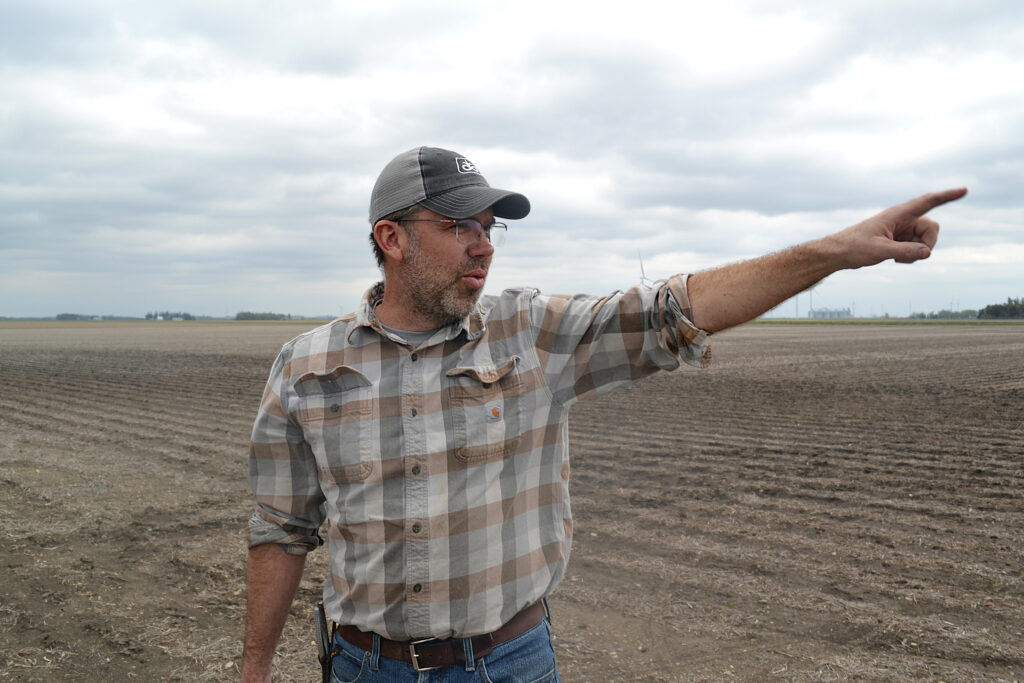
“People’s first response when I tell them that I like to kayak and be upside down in the river,” Childs said, “is, ‘Ew, that’s disgusting. Why would you do that?’”Iowa is a particularly stark example of the Midwest’s broader struggle with water pollution. The state is among the top producers of corn, soybeans and hogs, and it boasts a dense network of streams and rivers. Fertilizer and manure on those farms contain nitrates and phosphorus that drain into those waters, making Iowa among the leading contributors to an aquatic dead zone in the Gulf of Mexico. Last summer its biggest city imposed water restrictions as it struggled to remove the harmful nitrates from tap water.Water pollution has been a stubborn problem here for decades, affecting not only public health but also people’s ability to enjoy the water in the summer.Algal blooms can create dangerous conditions at beaches, and soil runoff can make the water just feel gross. Bacteria, sometimes from human sewage, keeps teenagers out of streams. More than half the sections of rivers, streams and lakes the state tracked in 2024 did not meet state standards for swimming, drinking or aquatic life.The state has relied on voluntary actions and incentives — not mandates — to reduce nitrate and phosphorus runoff, but it remains far short of its goal. Recently environmental groups sued the Trump administration, alleging that it improperly reversed a Biden-era requirement for Iowa to address nitrate pollution in sections of several rivers.There has been investment and some improvement. In May, Republican Gov. Kim Reynolds promoted a $320 million package for water infrastructure and other projects, adding to the nearly $100 million annually that the state allocates to the problem. Phosphorus has diminished some. Better practices such as cover crops, reduced or no tillage to protect the soil and on-farm installations to reduce runoff have substantially increased in recent years.