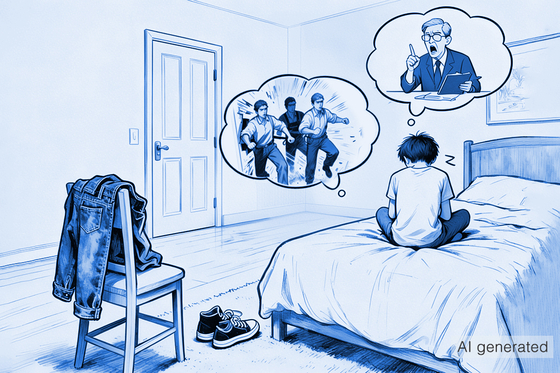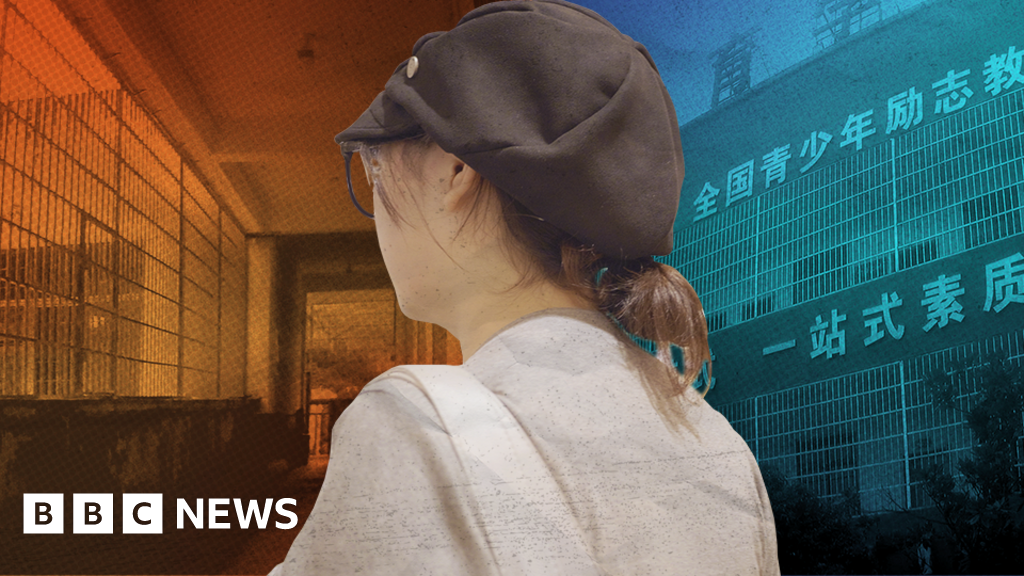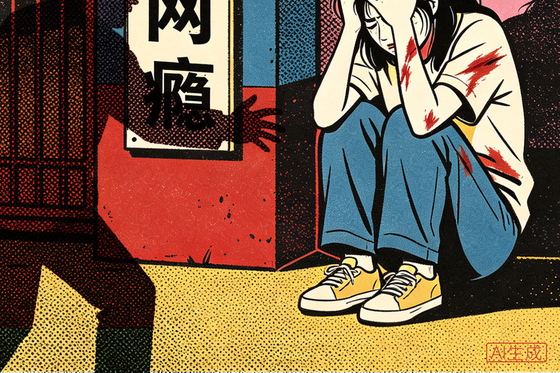
1. [para. 1][para. 2] On June 2, authorities in Sanmenxia, Henan province, addressed a case where a female university student was tricked by her family into an internet-addiction treatment center, classifying it as an unauthorized educational operation by a company lacking administrative approval. However, this bureaucratic response masks a darker reality of unregulated boot camps and a culture where parents routinely violate the law to restrict their children’s freedom under the guise of discipline.2. [para. 3][para. 4] The victim, 21-year-old Beijing university student Su Ling (pseudonym), was lured to the Lixuan Education center in mid-March for dating a man her parents disapproved of. For 11 days, she endured violent dragging, corporal punishment, and psychological abuse as part of forced “ideological remolding.” She was rescued by her boyfriend and reported the illegal detention to police, but was turned away. This case represents a brutal struggle for control and a gross violation of personal rights, with unregulated correction facilities acting as proxies for parents willing to pay for such abuse.3. [para. 5][para. 6] Chinese social media frequently documents adults being forced into boot camps for issues like gaming addiction or passive lifestyles, including a 31-year-old man from Xinyang forcibly taken to a facility in Jinan. Su’s ordeal highlights profound ignorance of legal boundaries among some parents. She was an exemplary student, but her parents’ traditional authoritarianism viewed her romantic choices as tied to family face and social standing, leading them to use extreme measures like false imprisonment to force compliance.4. [para. 7][para. 8] At the core is a fundamental misconception that children are parental property. When deviation from expectations is treated as a malfunction, parents cross legal lines. China’s Civil Code explicitly states that individuals aged 18 and older have full civil capacity and independent rights to make decisions about personal freedom, whereabouts, and relationships, free from parental interference. Even for minors, guardianship rights have strict legal limits.5. [para. 9][para. 10] The boot camps operate under the guise of educational or psychological consulting, delivering illegal detention and violent discipline. Adults struggle to escape, while minors sent for emotional issues or poor grades face even worse conditions, with reports of injuries and deaths common. These institutions survive due to massive market demand: parents view adolescent rebellion as defects, pay exorbitant fees (sometimes tens of thousands of yuan), and hope for a compliant child, forming the bedrock of a lucrative industry of violence.6. [para. 11] These camps exploit a regulatory vacuum by registering as consulting firms, bypassing licensing requirements for educational institutions. The education department claims no jurisdiction; market regulators only verify licenses; police adhere to a policy of non-intervention in what they categorize as family matters. This fragmented oversight creates a perfect environment for abuse to flourish.7. [para. 12][para. 13] To stop the cycle, regulatory agencies must shift from post-incident damage control to proactive prevention. A coordinated top-level governance framework with clear accountability among market regulators, education departments, health commissions, and local police is needed. A dynamic tracking mechanism for minors who suddenly disappear from school should trigger immediate investigations if a child is sent to an unlicensed facility.8. [para. 14][para. 15] Parents who resort to kidnapping and forced detention must face real legal consequences, from civil liability to criminal charges. The judicial system must draw a hard line between legitimate parental discipline and illegal imprisonment. Protecting the safety and mental health of the younger generation requires society to confront toxic parenting paradigms, with public outrage followed by enforcement of the law. The author Zhang Can is a reporter at Caixin Media, and views expressed are the author's own.AI generated, for reference only
Commentary: When Parental Control Crosses the Line Into Illegal Detention
Local authorities look the other way as parents use unregulated boot camps to imprison their adult children under the guise of behavioral correction
600 words~3 min read