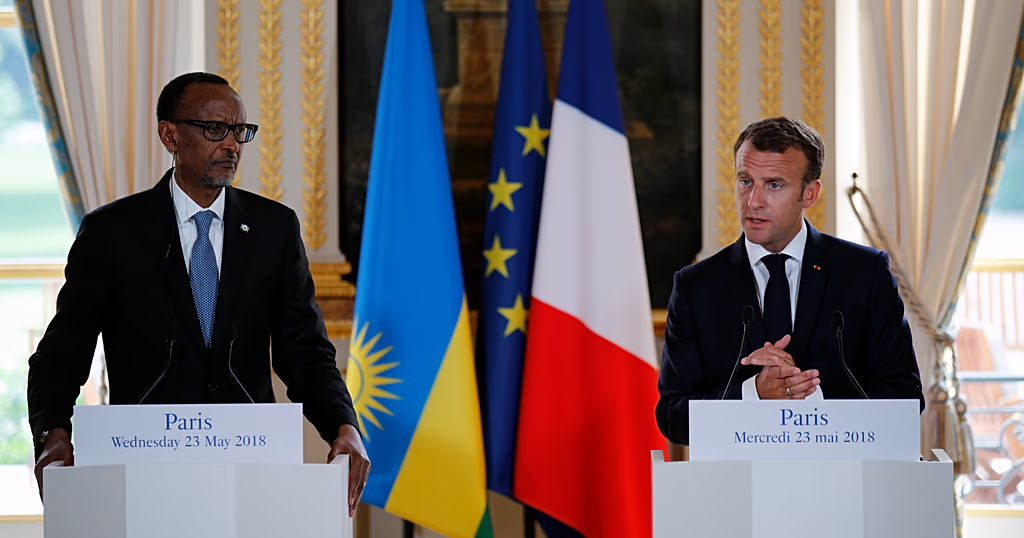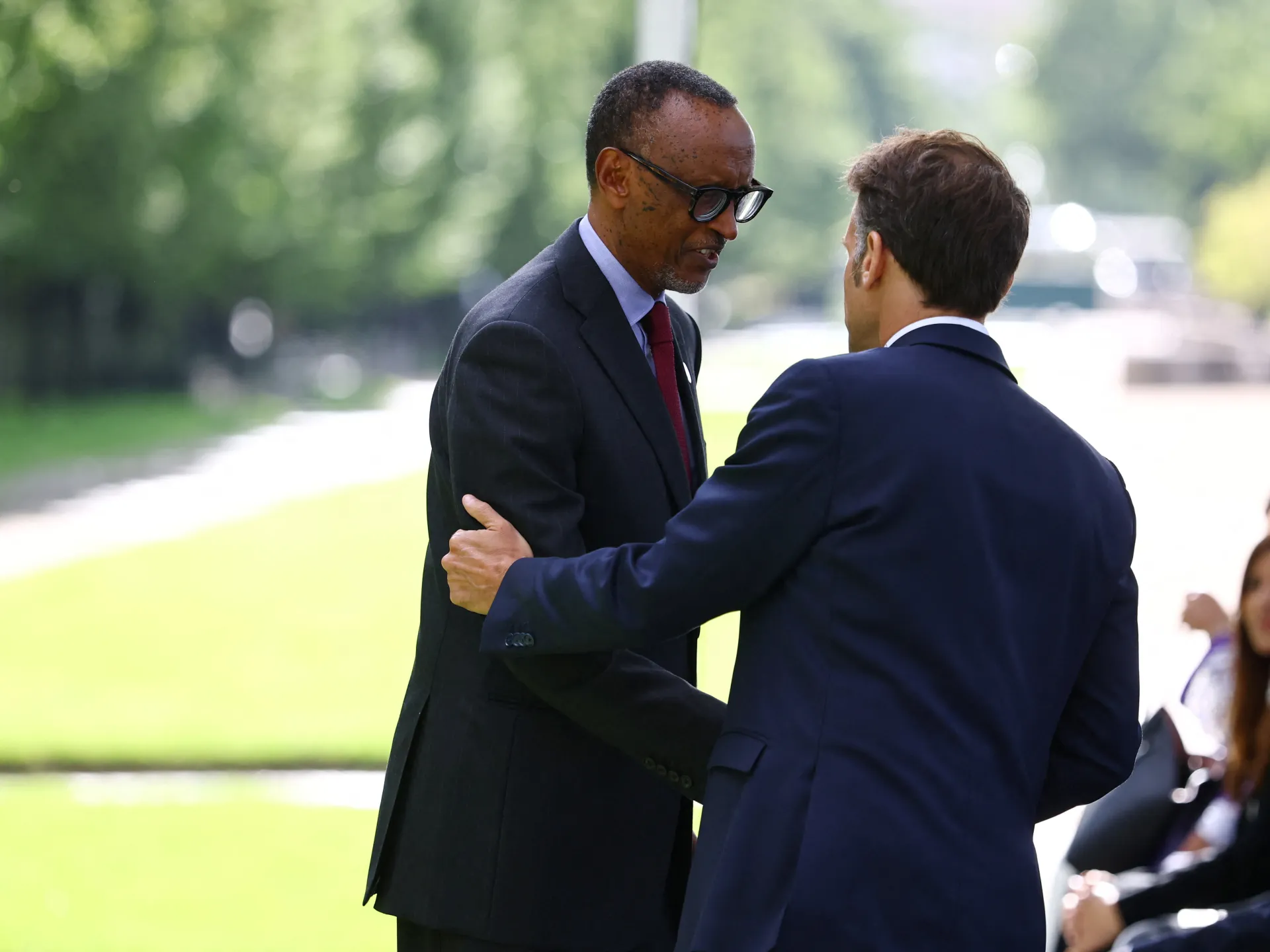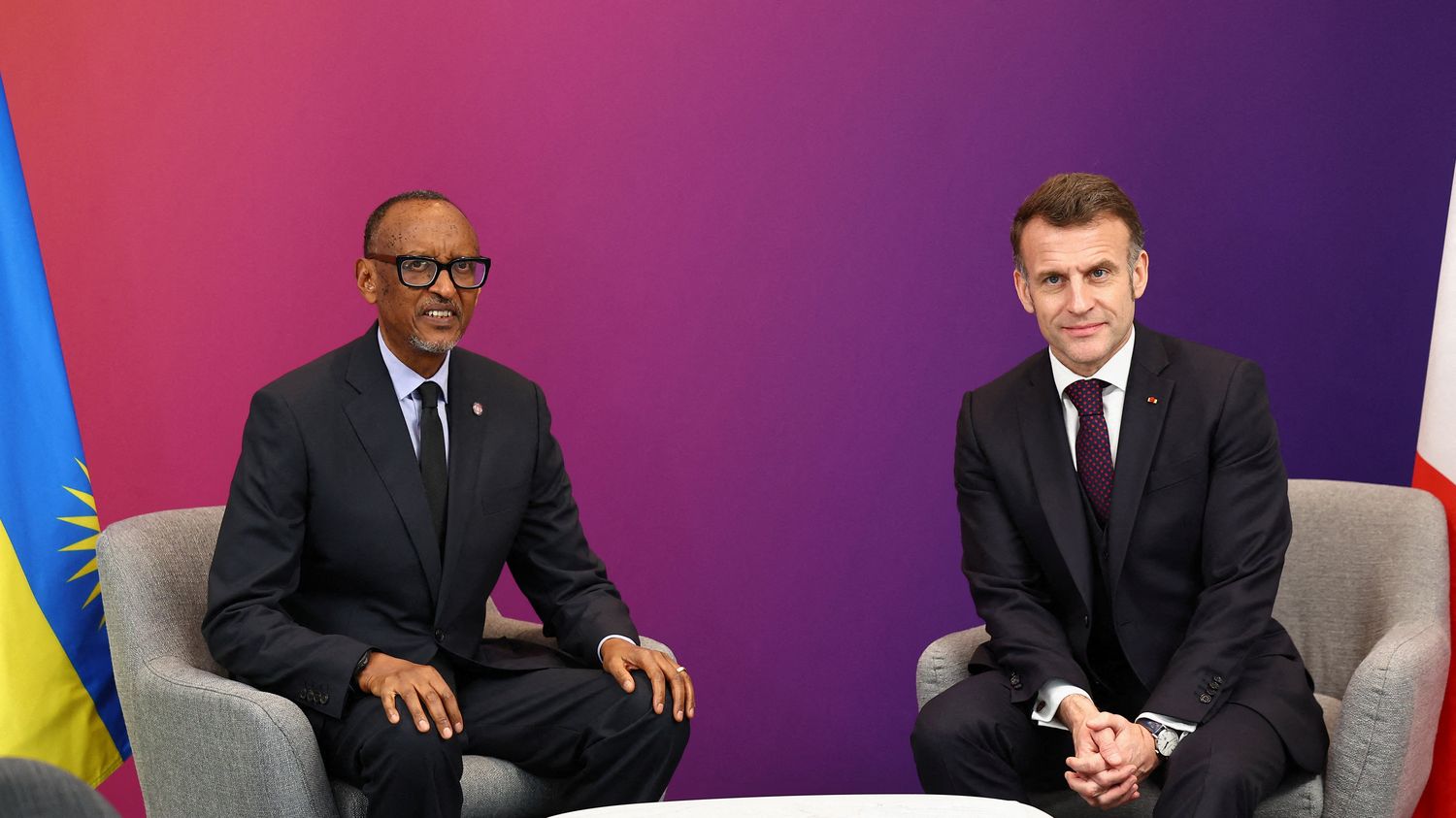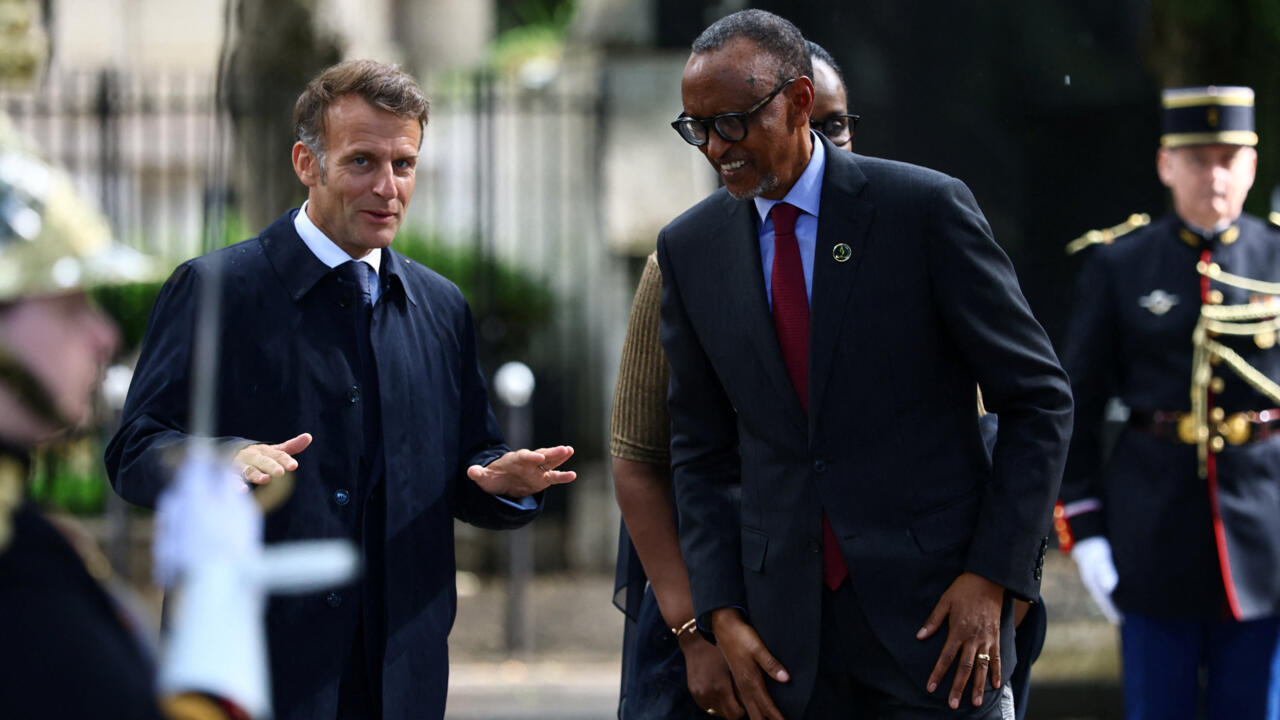
The memorial inaugurated in Paris symbolises more than remembrance. It reflects the evolution of a relationship between Rwanda and France that has moved, however imperfectly, from denial toward dialogue and from confrontation toward mutual respect
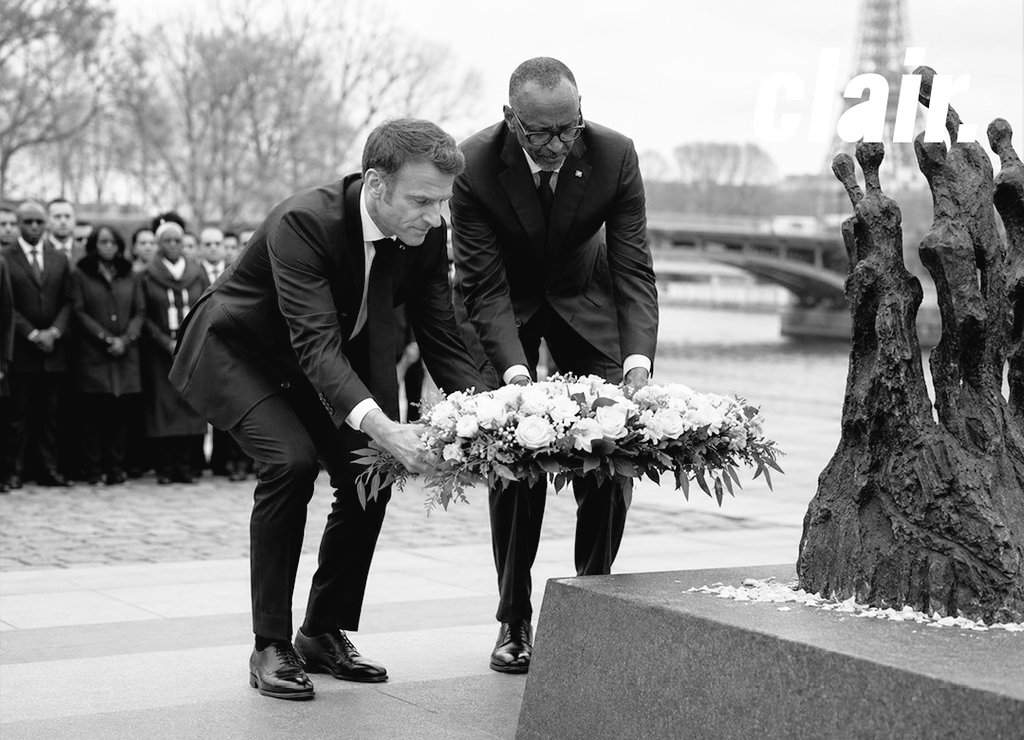
The inauguration of the Memorial to the Genocide Against the Tutsi in Paris was more than a commemorative event. It was a statement about memory, responsibility, and the remarkable path Rwanda has taken since 1994.
For those who listened carefully, President Paul Kagame’s address was not simply a reflection on the past. It was an explanation of how a nation that was abandoned during its darkest hour rebuilt itself, restored its dignity, and emerged with a clear understanding of both the possibilities and the limits of international solidarity.
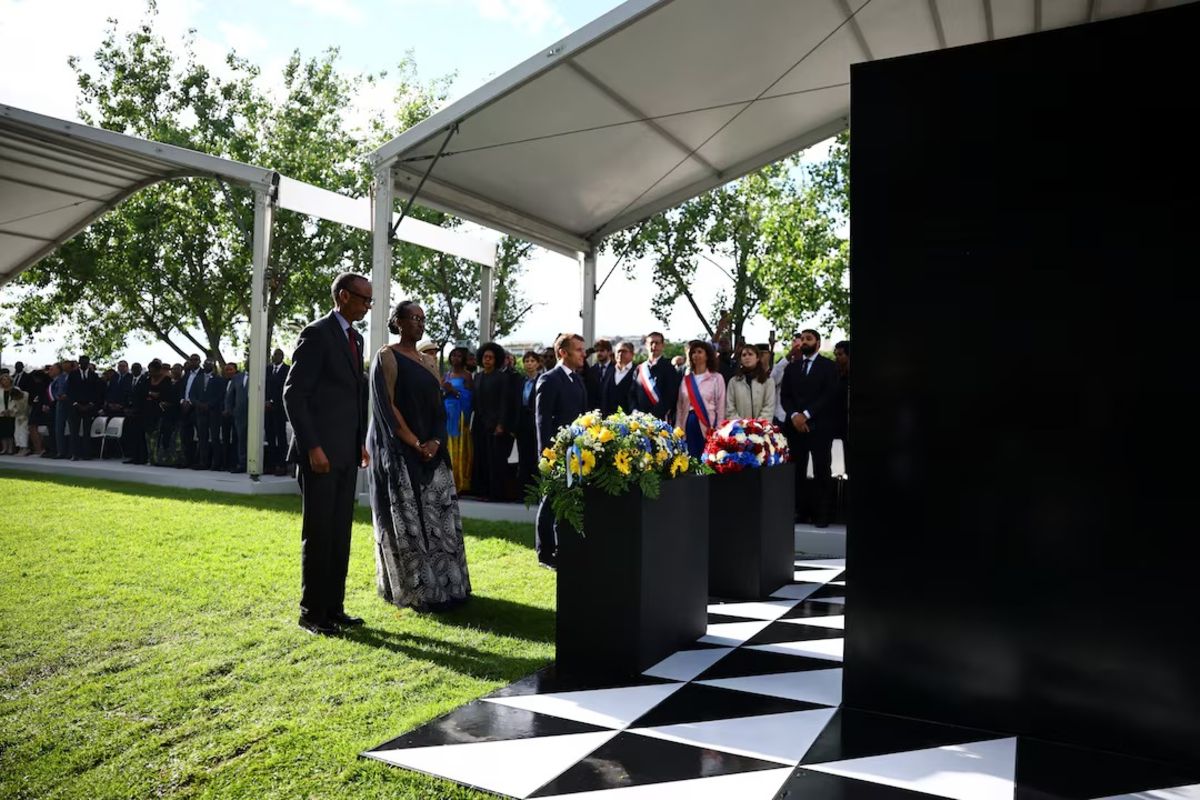
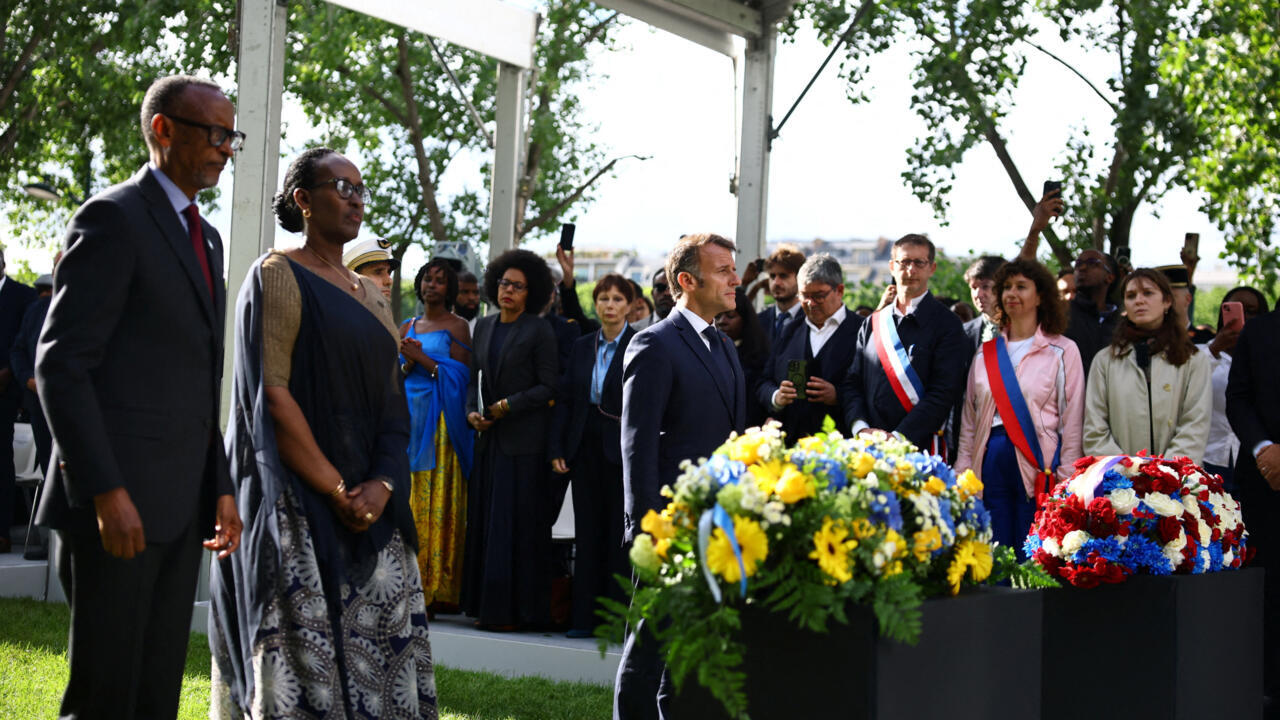
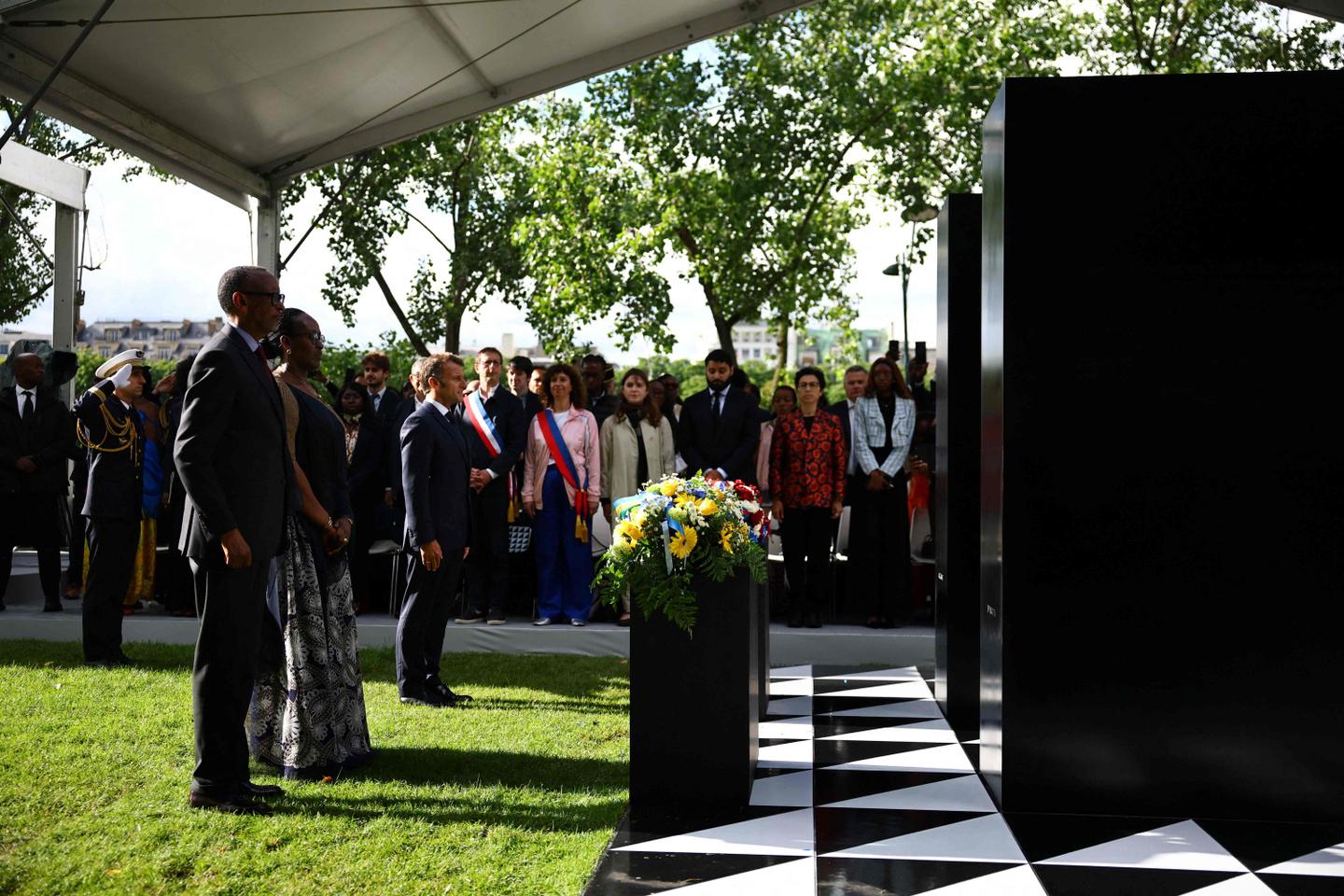
The setting itself carried profound symbolism.
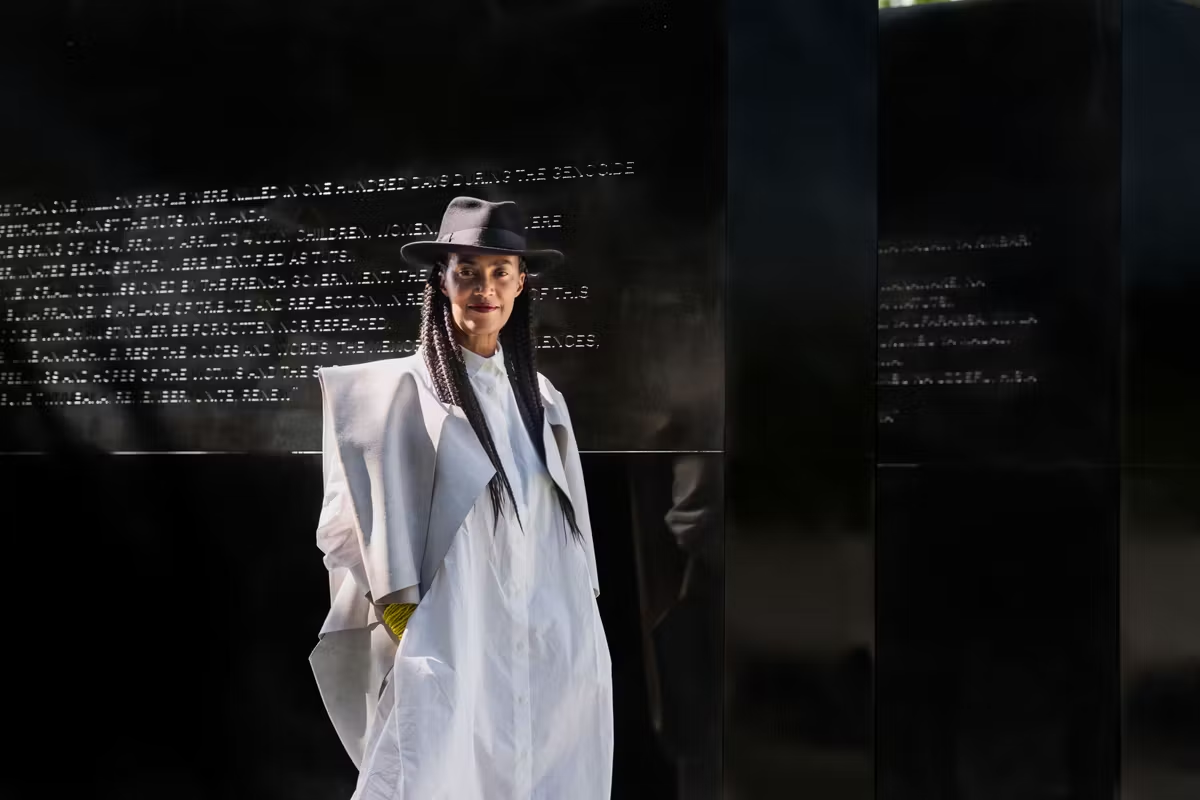
A memorial dedicated to the victims of the Genocide Against the Tutsi now stands prominently in the heart of Paris. Its elegant design, inspired by Rwanda’s cultural heritage, represents not only remembrance but recognition. Recognition of a tragedy that was foreseeable, that was foreseen, and that the international community failed to prevent.