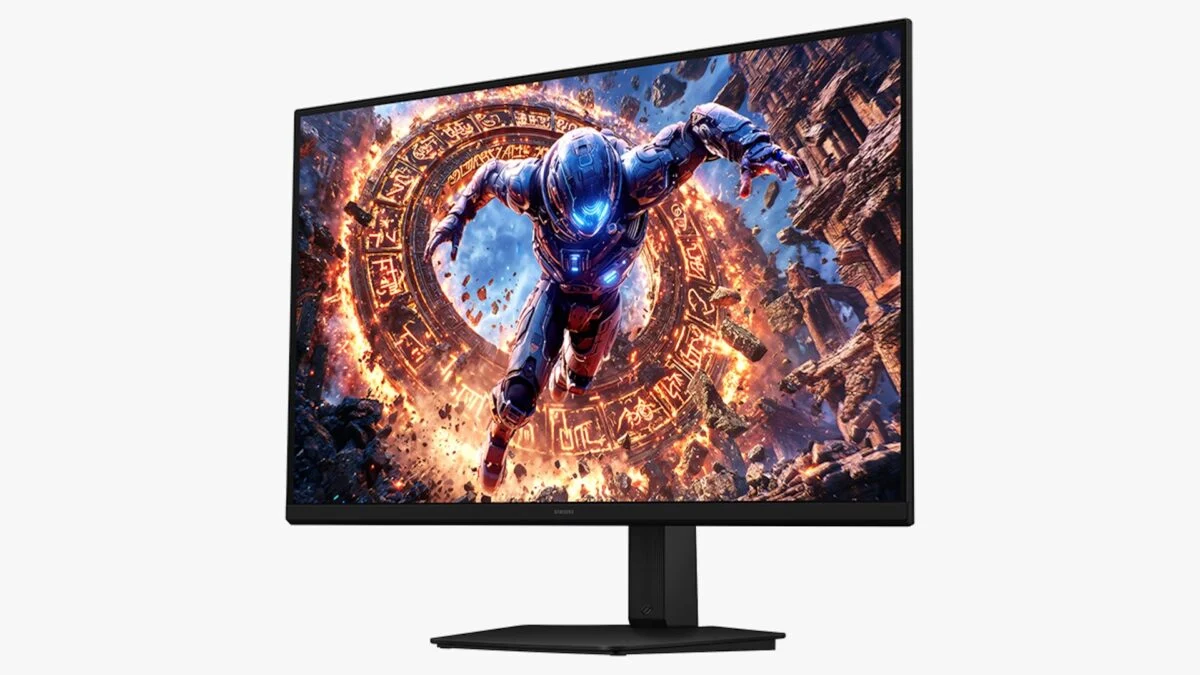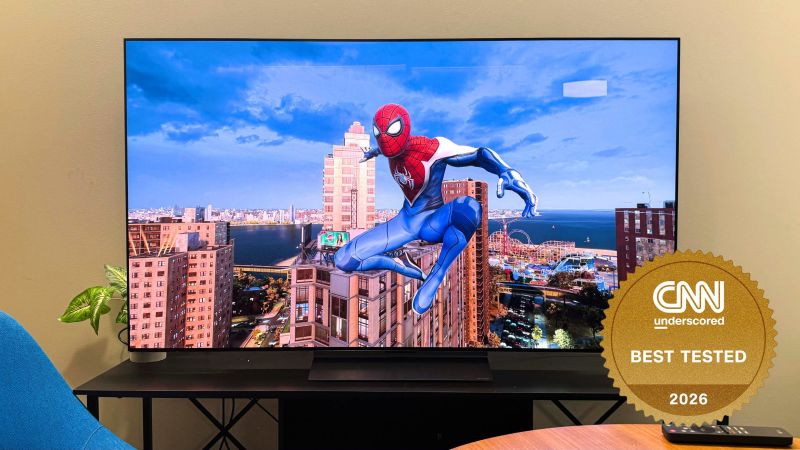
For years, TV brands have promoted 8K as the next step in home entertainment. Yet in 2026, most consumers are still buying 4K televisions, and for good reason.
The main challenge for 8K remains content availability. While streaming platforms, broadcasters, and gaming systems have steadily embraced 4K, native 8K movies, shows, and live events remain rare. As a result, many viewers end up watching upscaled content rather than true 8K material.
Resolution is also only one part of picture quality. Factors such as brightness, contrast, colour performance, motion handling, and sound often have a greater impact on day-to-day viewing. For many households, the visual difference between 4K and 8K is difficult to notice unless the screen is very large and viewed from a short distance.
Price continues to play a major role as well. Consumers can find a wide range of 4K TVs across different budgets, making them a more practical choice for movies, sports, gaming, and streaming. While 8K technology continues to evolve, 4K remains the standard that delivers the best balance of performance, content support, and value.
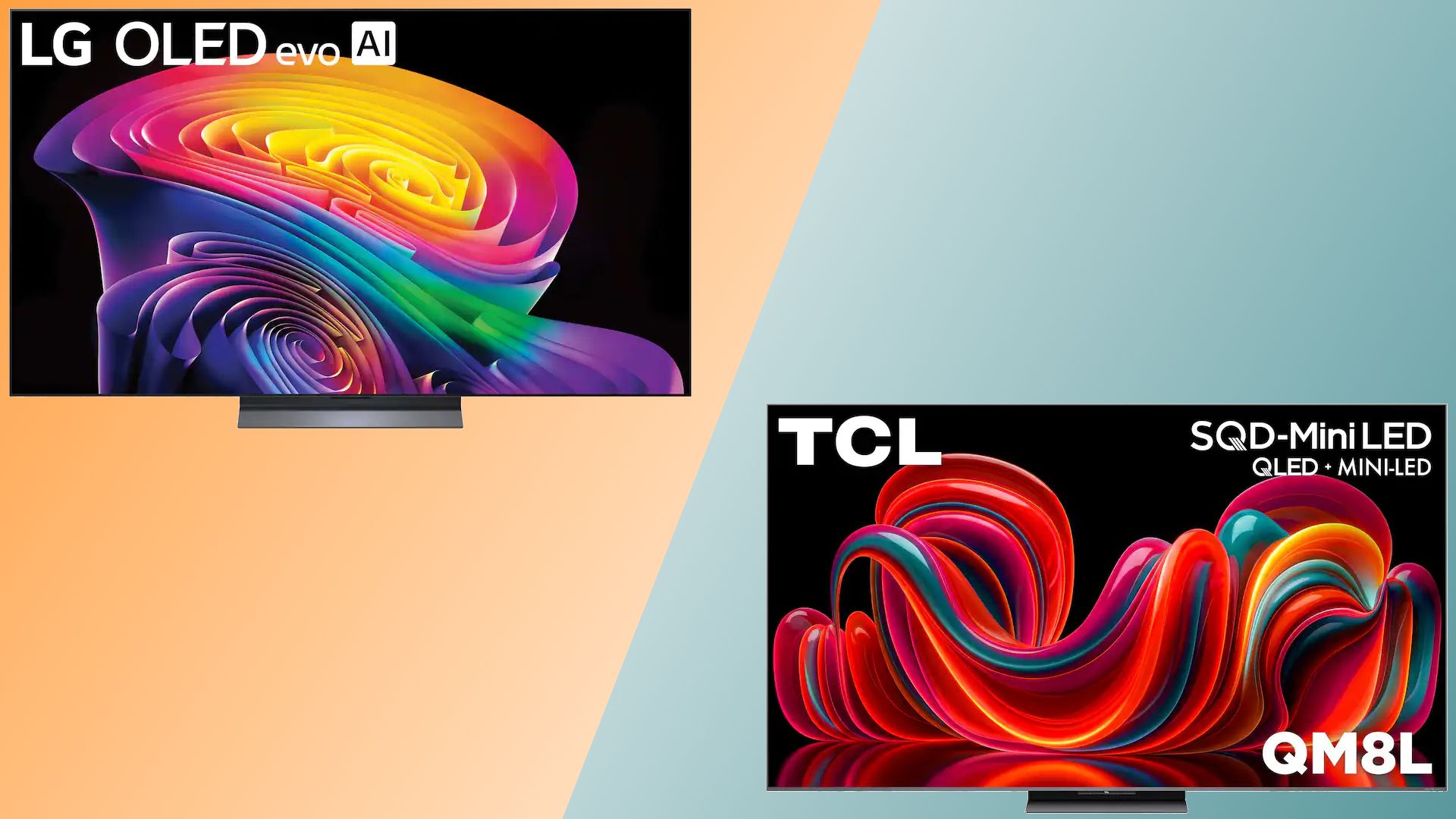
If you're considering a new television, these 4K models offer features that matter more than resolution alone.