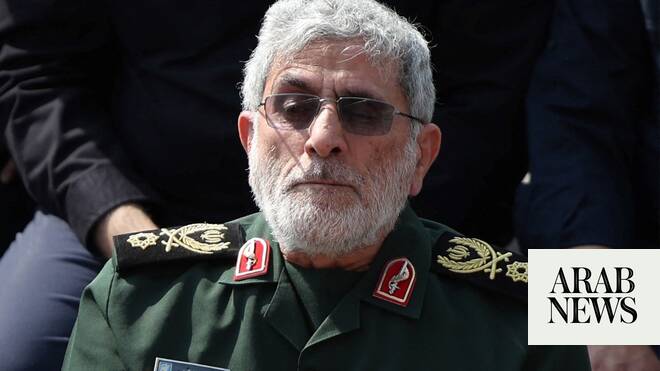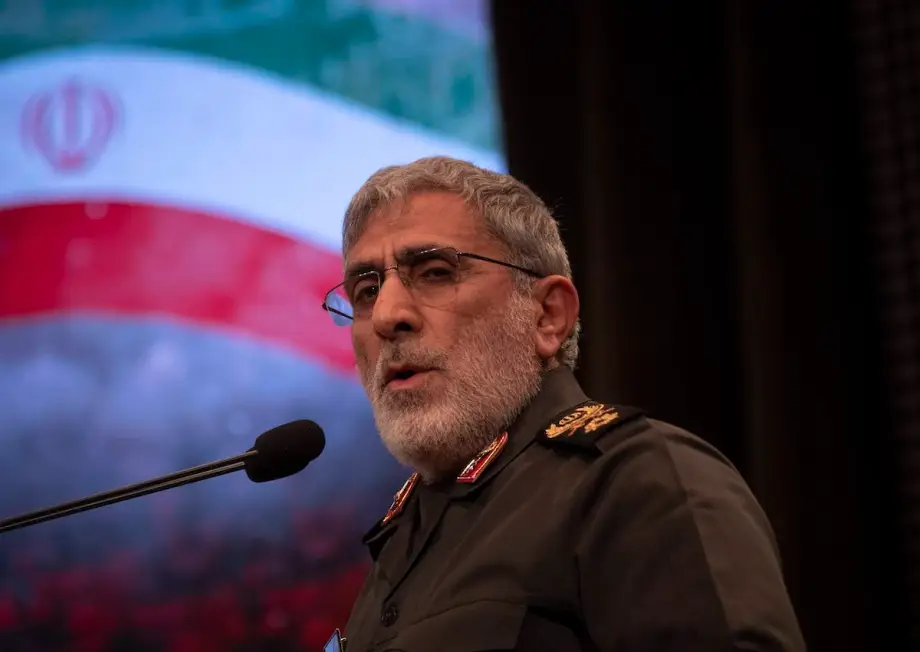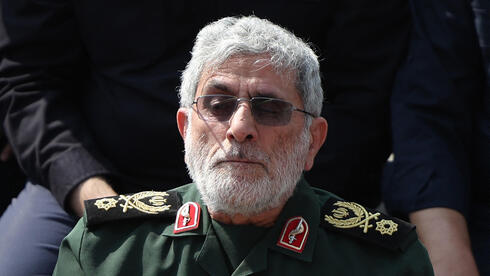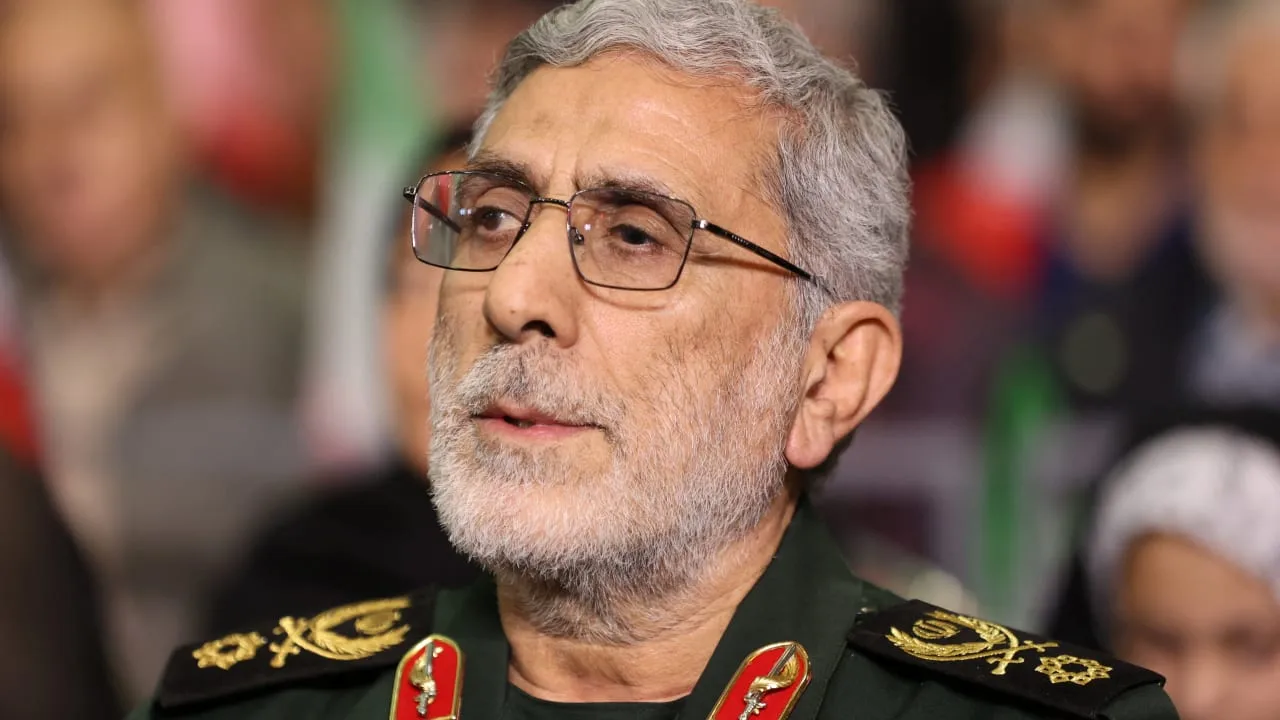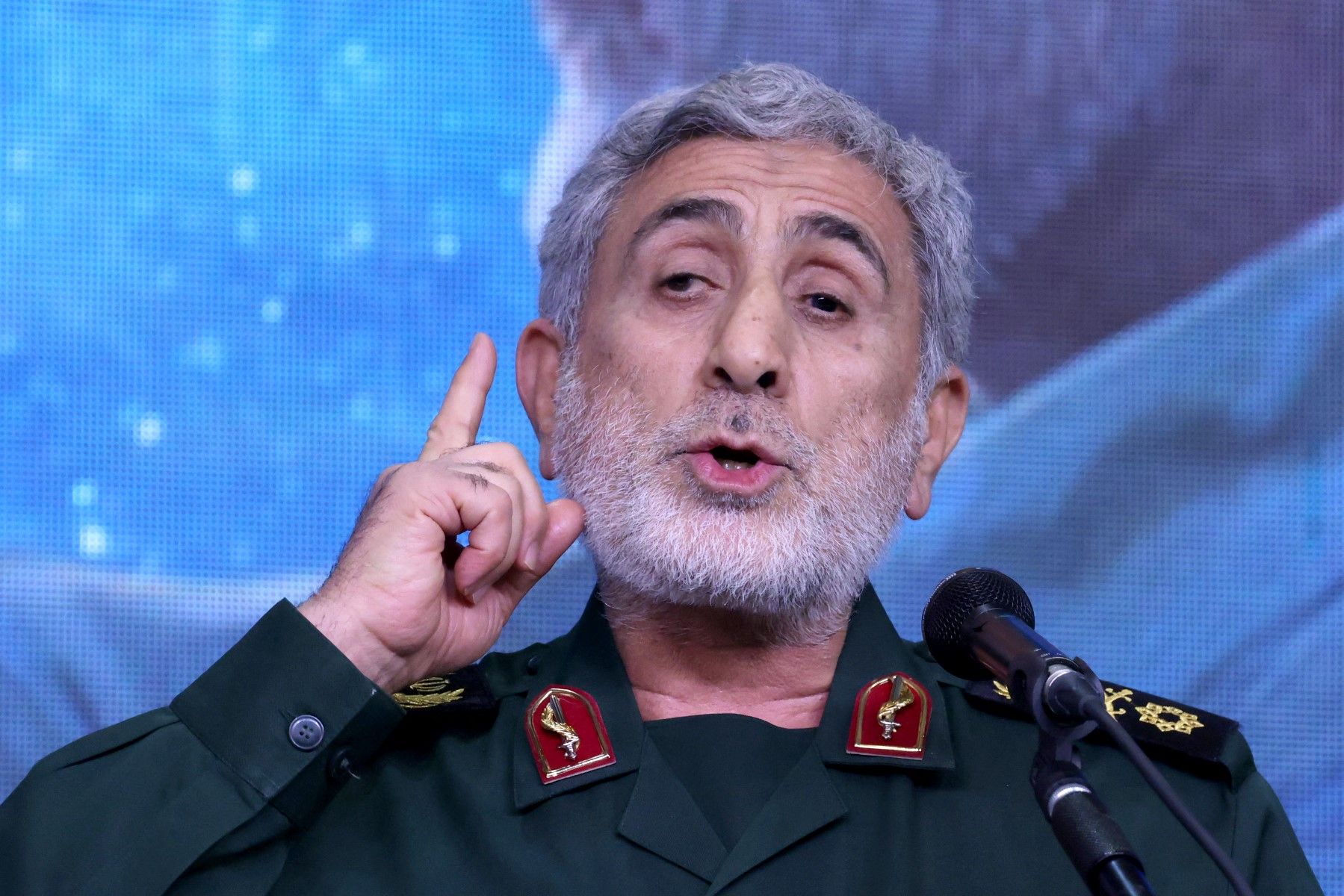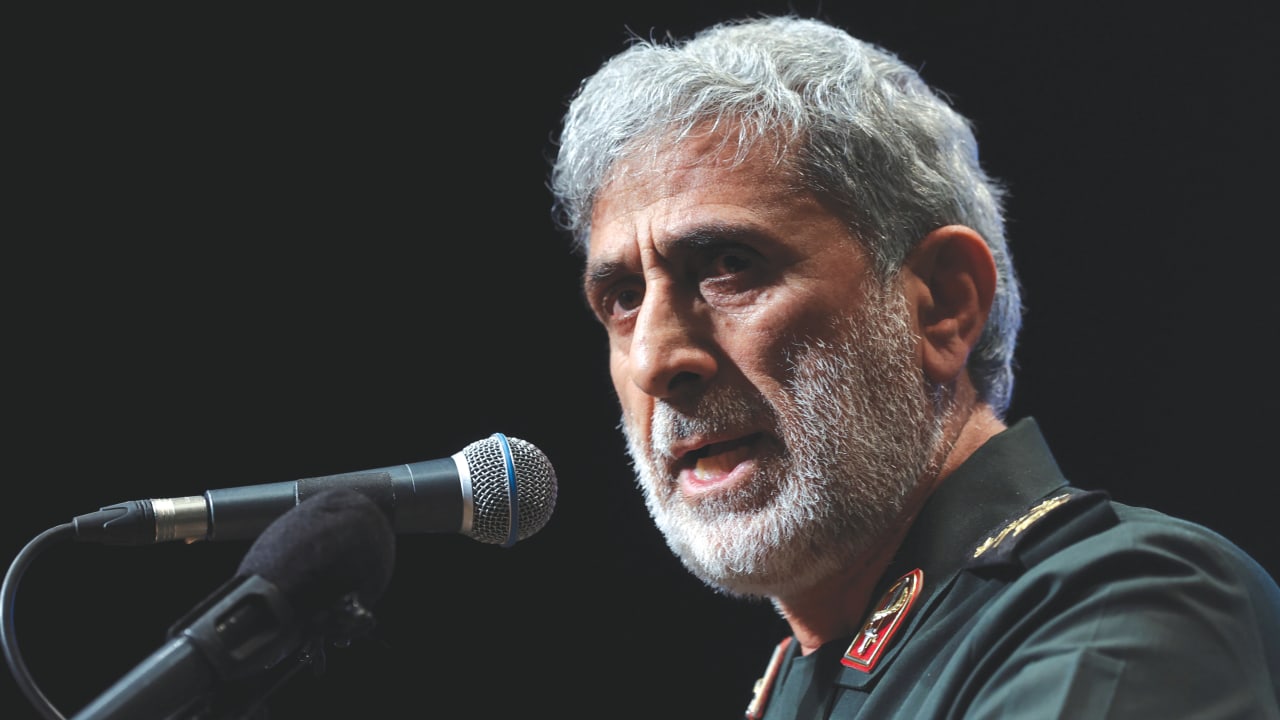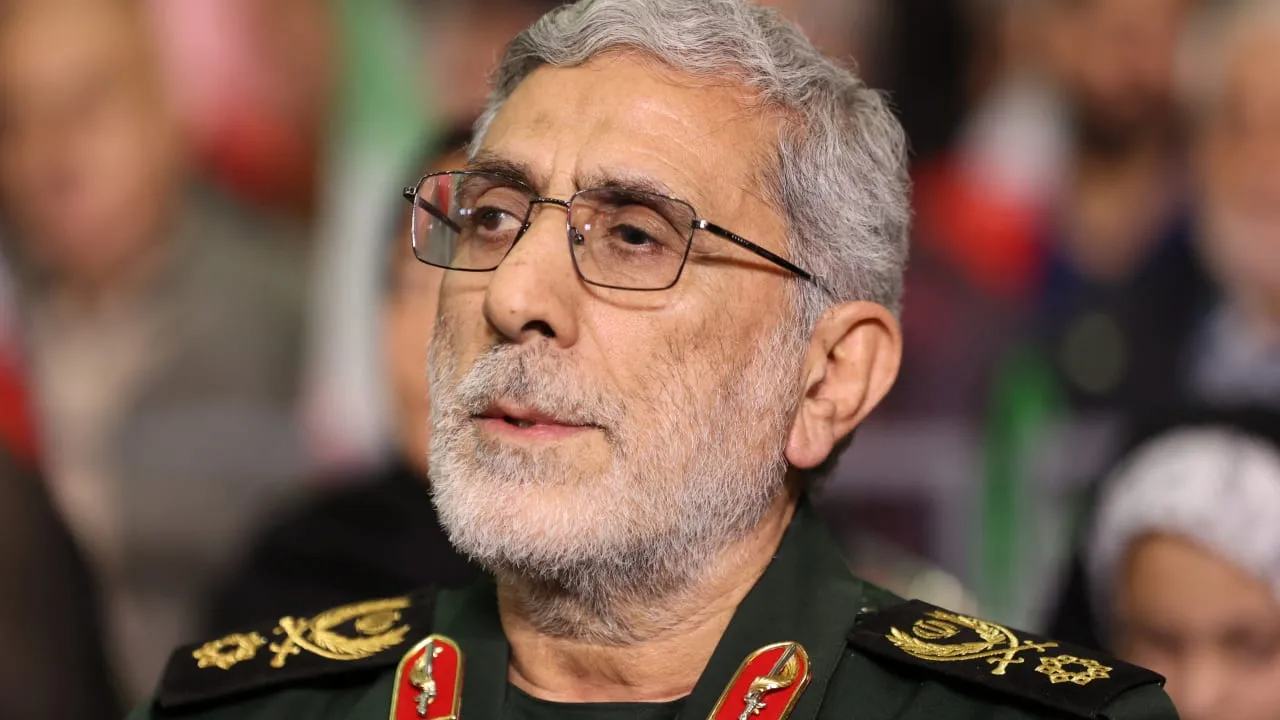
Jerusalem Post/Middle East/Iran NewsIran’s Quds Force chief Esmail Qaani demanded Israel withdraw from Lebanon, warning that supporting Hezbollah is a duty and stressing the region’s ongoing tensions.Follow us on GoogleIRGC Quds Force chief Esmail Qaani pictured in Tehran, Iran, February 17, 2026; illustrative.(photo credit: MAJID ASGARIPOUR/WANA (WEST ASIA NEWS AGENCY) VIA REUTERS)BySETH J. FRANTZMANJUNE 4, 2026 15:46Esmail Qaani, the head of the Quds Force within the Iranian Islamic Revolutionary Guards Corps (IRGC), has put out a statement that appears to seek to pressure the Israel-Lebanon ceasefire deal. The deal was agreed in Washington overnight. Now, Qaani and Iran appear concerned. He demanded that Israel withdraw from Lebanon.Qaani has made several threats recently. He also threatened over the last few days to use Iranian influence, apparently via the Houthis, to threaten shipping in the Red Sea and Bab a-Mandeb straits. “Supporting the resistance in Lebanon is the duty of all of us, and removing Israel from the region is an attainable goal for Muslims,” Qaani said. The post was circulated on a social media platform in Iran, and it has not been fully verified. Nevertheless, it was reported in regional media, such as Arab News in Saudi Arabia.Qaani apparently added that “the minimum demand of the resistance is the withdrawal of the usurping regime (Israel) to the position it held before the start of the 40-day war.” The 40-day war apparently refers to the recent conflict that began on February 28. Israel has carved out a security zone in southern Lebanon since Hezbollah attacked Israel on March 2. Iran is also in talks with the US about a deal regarding the Strait of Hormuz. As such, Iran also wants to try to secure concessions in Lebanon.Iran trying to keep its proxies aliveIran has been trying to preserve Hezbollah. It doesn’t want the group removed. The group is a key piece of real estate in the region for Iran. Hezbollah is a historic Iranian proxy. It has been increasing in power since the 1980s. it fought Israel in the 1980s and 1990s. Then it fought Israel again in 2006, and then since October 8, 2023. Israel has not been able to decisively defeat the group, despite eliminating its leadership and killing some of its fighters.In recent days, there appeared to be tension between Jerusalem and Washington over Israel’s desire to increase attacks in Lebanon and hit Hezbollah in the Dahiyeh in southern Beirut. US President Donald Trump personally pushed for a ceasefire and tried to warn Israel from strikes in Beirut. Israeli officials vowed they would attack if Hezbollah attacks continued. Iran is watching closely. It wants a ceasefire in Lebanon.A meeting between Israeli and Lebanese delegations hosted by the United States, after the Trump administration said Israel and Lebanon agreed to implement a ceasefire to end hostilities, at the State Department in Washington, DC, US, June 3, 2026. (credit: REUTERS/Nathan Howard)In Washington, Israel and Lebanese delegations met for a fourth time on June 3. Now there is a deal that could pave the way to a comprehensive agreement. Hezbollah’s goal is a ceasefire, but also preventing that agreement. The next talks may take place in June and could lead to a larger agreement in late June.Qaani is a shadowy figure. He has survived the recent conflict. Rumors on social media have mocked him for appearing to be an Israeli agent because he always seems to survive. Qaani has tried to guide the Quds Force since January 2020, when his predecessor Qasem Soleimani was killed in a US drone strike in Baghdad. He was killed alongside Kataib Hezbollah commander Abu Mahdi al-Muhandis, a key Iranian-backed militia ally in Iraq. Soleimani was a major architect of Iranian regional policy. He worked closely with Hezbollah in Lebanon. Qaani has not appeared as effective. Follow us on Google
Qaani demands Israel withdraw from Lebanon amid US-brokered deal | The Jerusalem Post
Iran’s Quds Force chief Esmail Qaani demanded Israel withdraw from Lebanon, warning that supporting Hezbollah is a duty and stressing the region’s ongoing tensions.
633 words~3 min read