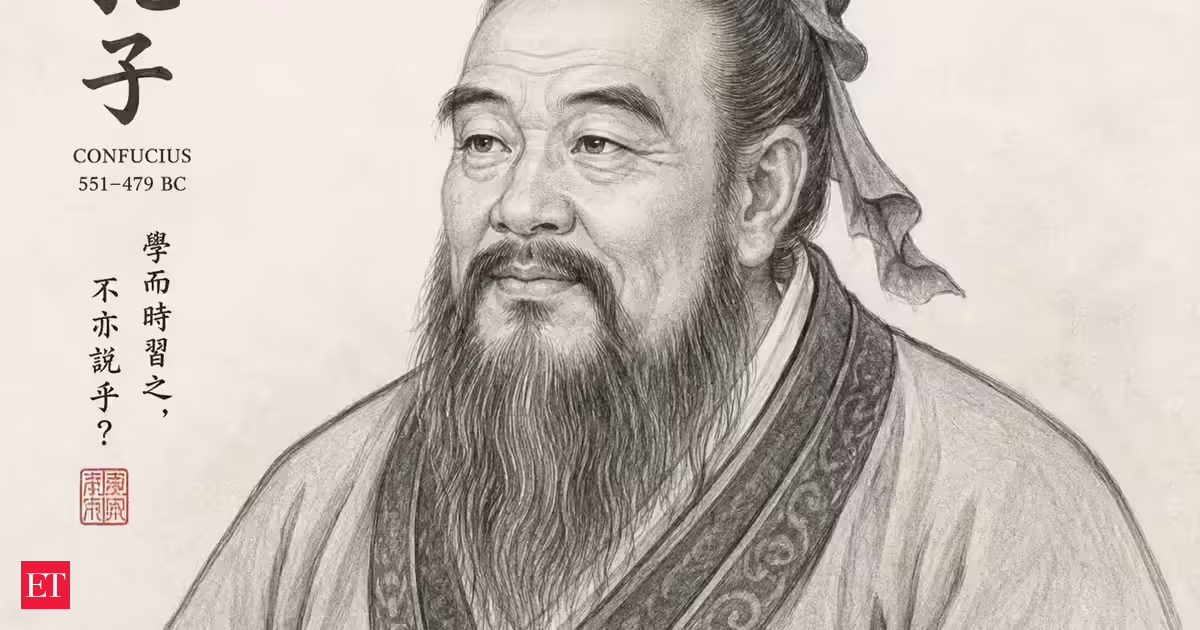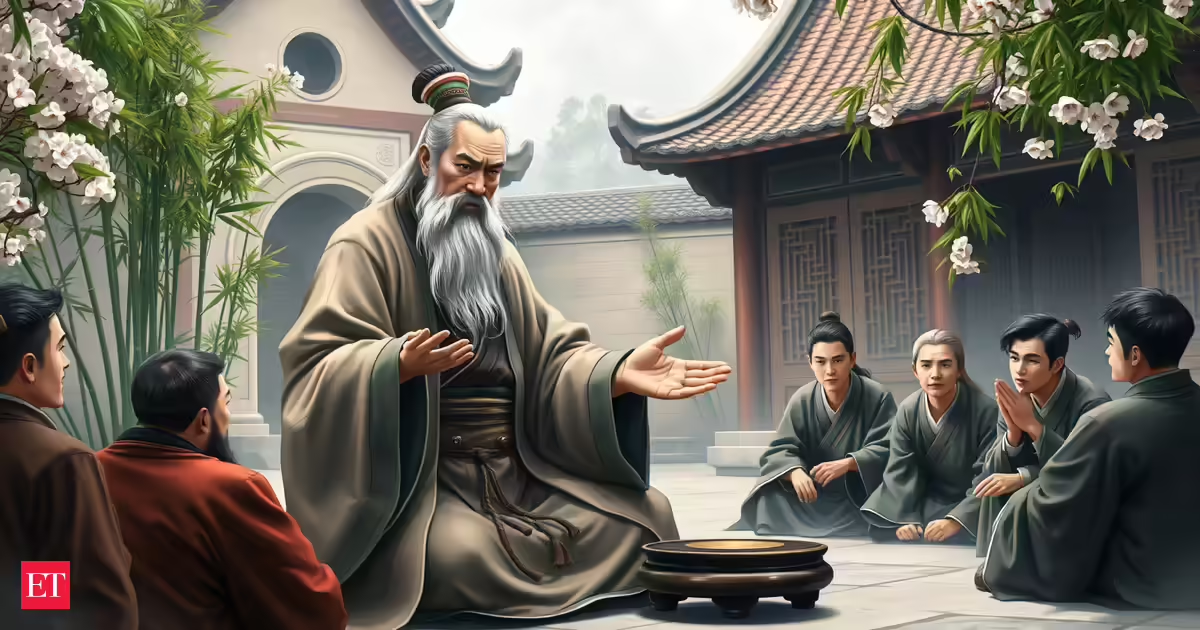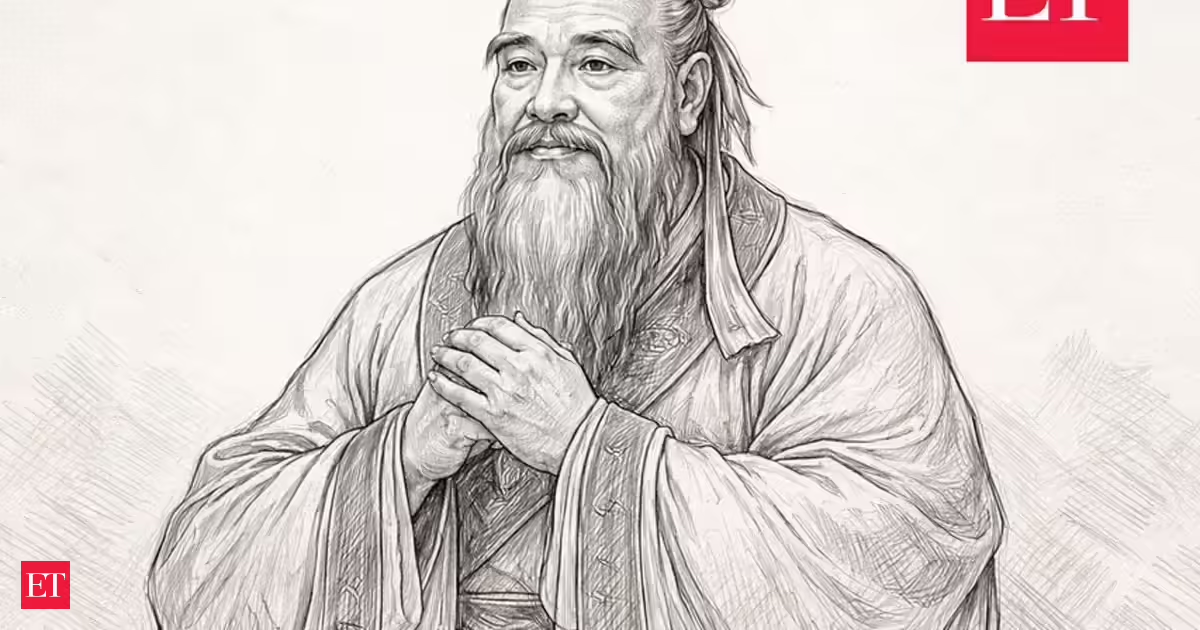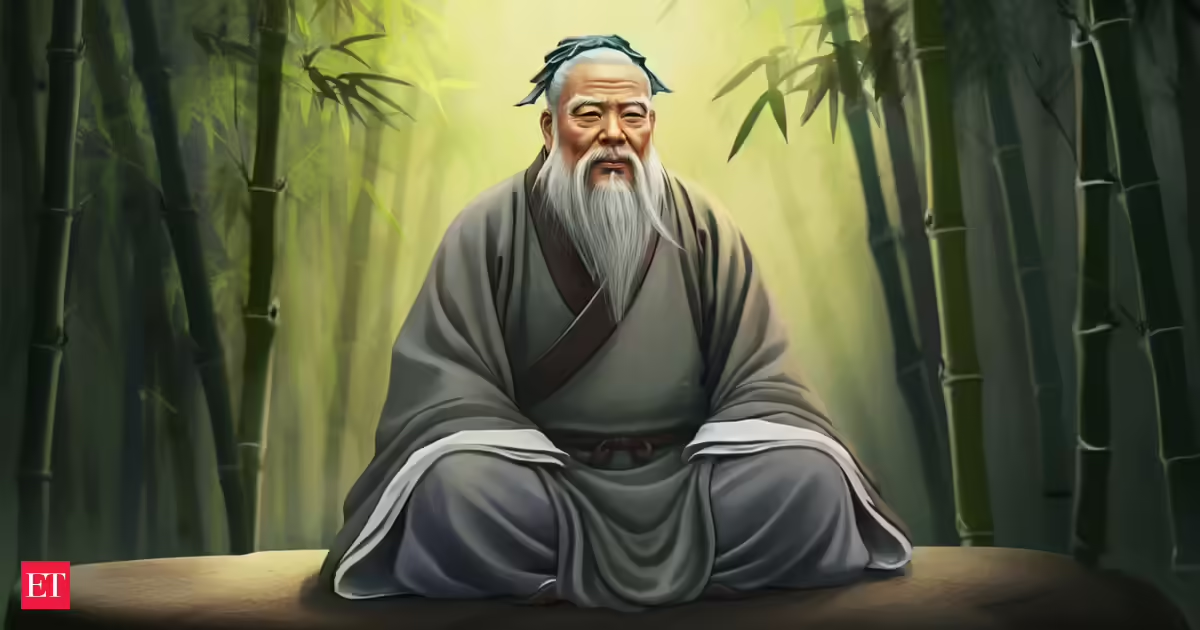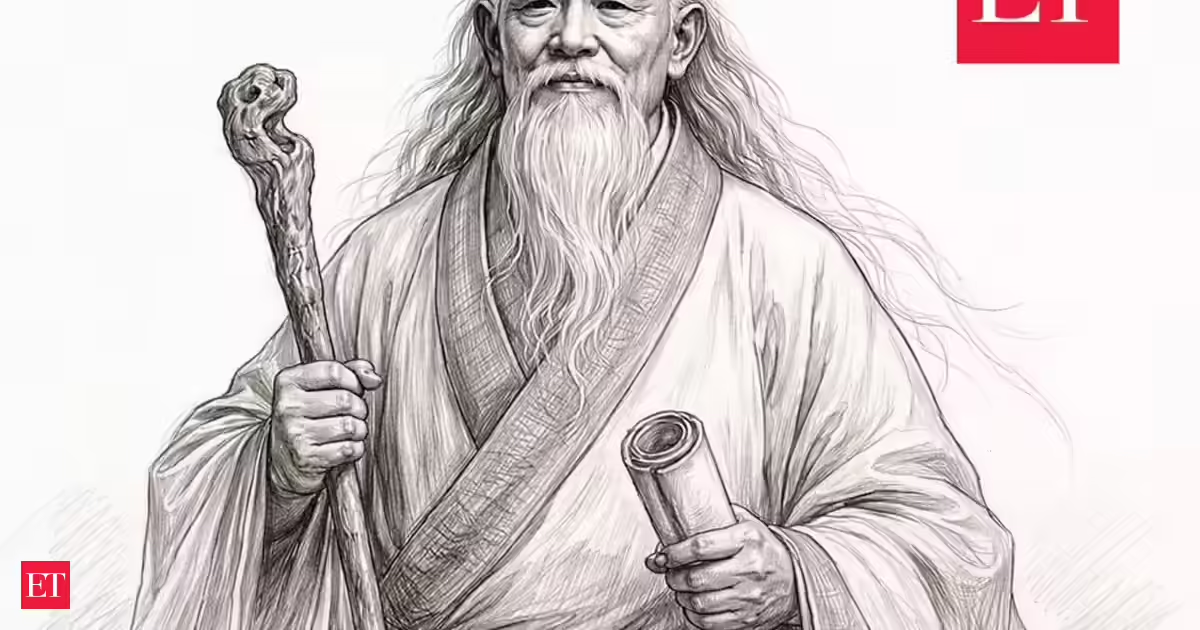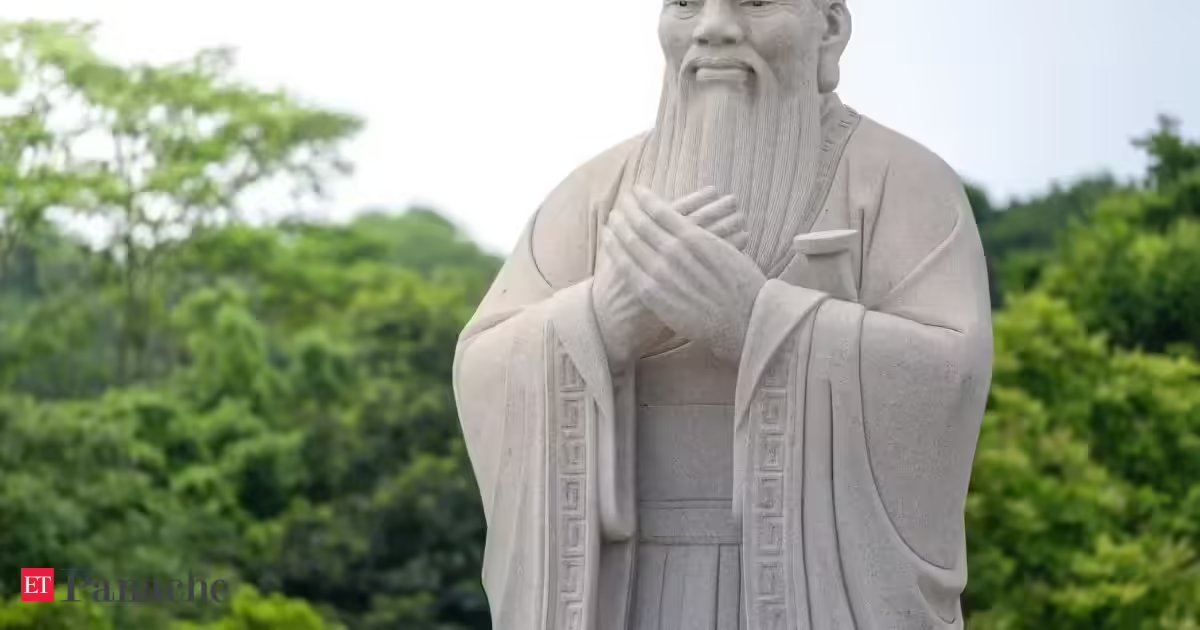
Quote of the day by Confucius: ‘Love is like a spice. It can sweeten your life; however, it can spoil it, too’ - Chinese philosopher on love's power to heal and hurtSynopsisConfucius, a pivotal ancient Chinese philosopher, profoundly shaped East Asian culture and governance with his emphasis on personal virtue and responsible leadership. His teachings on benevolence, justice, and respect continue to influence societal values. A quote on love highlights its dual nature, capable of both enriching and spoiling life, underscoring the need for balance and wisdom in relationships.Confucius' quote of the day highlights the power of love. (Image - iStock)Among the many intellectual figures of ancient China, Confucius stands out as one whose influence has endured across generations. Revered for his wisdom and teachings, he helped shape the cultural and philosophical foundations of East Asian societies. His ideas left a lasting imprint on everything from education and public administration to social values and everyday behaviour. The philosophy associated with him, later known as Confucianism, emphasised both personal virtue and responsible leadership. Rather than focusing solely on laws or authority, it encouraged people to cultivate strong moral character and contribute to social harmony.Values such as benevolence, justice, sincerity, respect, and ethical conduct formed the cornerstone of Confucius’ teachings that continue to resonate even today. Today’s quote of the day from the famous philosopher captures the bittersweet nature of love. It goes like this, ‘Love is like a spice. It can sweeten your life; however, it can spoil it, too.’Quote of the day by Confucius: Deeper meaning At first glance, Confucius’ comparison of love to a spice may seem simple, but it contains a profound insight into human relationships. Just as a pinch of spice can transform an ordinary meal into something memorable, love has the power to enrich life with joy, meaning and emotional fulfilment. It brings warmth to our relationships, strengthens bonds between people and inspires acts of kindness, sacrifice and compassion. Love often motivates individuals to become better versions of themselves, encouraging patience, understanding and empathy. Through love, people experience a sense of belonging and connection that can make even difficult times easier to endure. However, the philosopher deliberately chose the metaphor of a spice rather than a staple ingredient. A spice enhances something when used in the right measure, suggesting that love, too, requires balance, wisdom and emotional maturity. When nurtured with care and respect, it can become one of life's most rewarding experiences.You Might Also Like:Confucius quote of the day: Why it matters even todayThe second part of the quote serves as an important reminder that love is not always a source of happiness. Confucius warns that the same emotion capable of sweetening life can also spoil it when it becomes unhealthy, excessive or misguided. Jealousy, possessiveness, unrealistic expectations and emotional dependency can turn love into a source of pain rather than comfort. In modern times, where relationships are often influenced by social pressures and unrealistic portrayals of romance, this message remains especially relevant. The quote encourages people to approach love with self-awareness and balance instead of allowing emotions to overpower reason. It highlights the importance of maintaining mutual respect, healthy boundaries and individual growth within any relationship. By acknowledging both the uplifting and challenging aspects of love, Confucius presents a realistic perspective that continues to resonate across generations, reminding us that meaningful relationships require not only affection but also wisdom and responsibility.More about ConfuciusAccording to the Stanford Encyclopedia of Philosophy, Confucius' impact extended well beyond the realm of philosophical thought. Throughout Imperial China, his teachings played a significant role in shaping governance, influencing ethical expectations for rulers, and educating the scholar-officials responsible for administering the state. By the time of the Han dynasty, mastery of Confucian ideas concerning history, ritual practices, and social conduct had become an important qualification for those serving in positions of authority.Centuries later, the Song dynasty witnessed the rise of Neo-Confucianism, a movement that blended Confucian principles with broader reflections on the universe, human nature, and vital energy. This intellectual development helped establish a distinct identity for Confucian thought separate from Buddhism and Daoism. Scholar Zhu Xi further strengthened its influence by incorporating the Analects into the “Four Books,” which went on to become foundational texts across China, Korea, and Japan.As noted by the Stanford Encyclopedia of Philosophy, Confucius also gained prominence in Europe during the eighteenth century. Jesuit scholars introduced his ideas to Western audiences, emphasising his commitment to ethical reasoning and virtuous conduct. Enlightenment thinkers, including Leibniz, admired his teachings as evidence that moral principles and universal truths could be understood through human reason, helping his legacy transcend both geographical and cultural boundaries.Read More News on...morelessRead More News on...moreless
Quote of the day by Confucius: ‘Love is like a spice. It can sweeten your life; however, it can spoil it, too’ - Chinese philosopher on love's power to heal and hurt
Confucius, a pivotal ancient Chinese philosopher, profoundly shaped East Asian culture and governance with his emphasis on personal virtue and responsible leadership. His teachings on benevolence, justice, and respect continue to influence societal values. A quote on love highlights its dual nature, capable of both enriching and spoiling life, underscoring the need for balance and wisdom in relationships.
780 words~4 min read