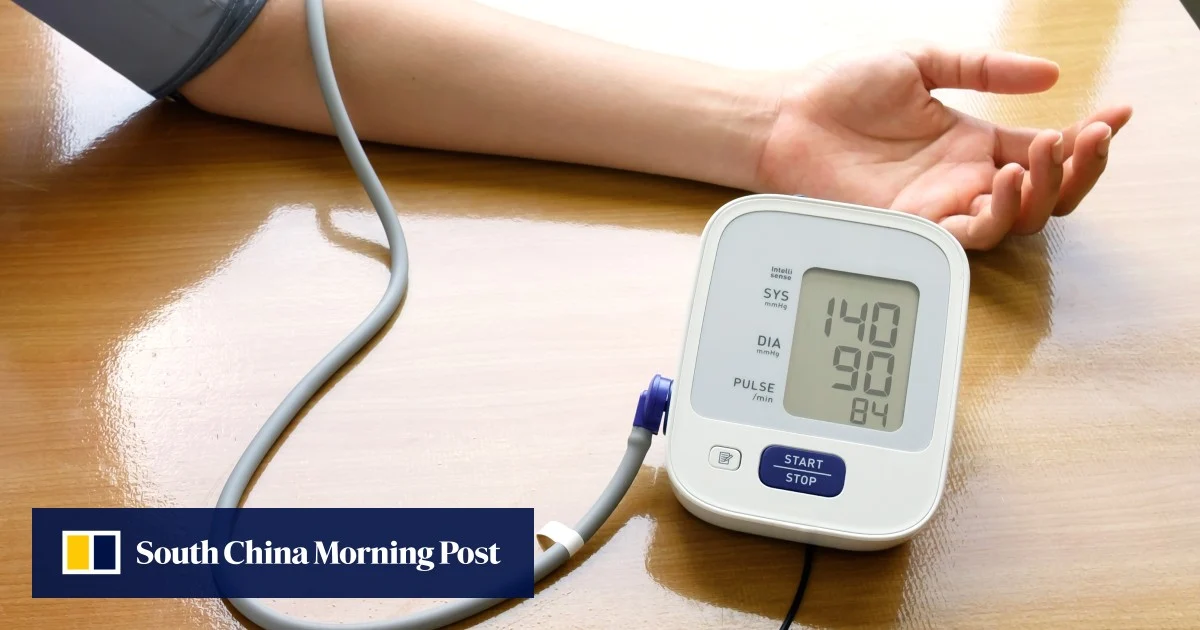
Experts say there are other key ways to help reduce your risk of dementia too13:27, 04 Jun 2026People with a genetic predisposition for elevated pulse pressure face a higher likelihood of dementia-related death, new research has revealed. The study discovered that this blood pressure measurement could heighten risk by 16 per cent.Pulse pressure, a key indicator of cardiovascular risk, is determined by subtracting the lower number from the upper number in a blood pressure reading. Readings of 50 mmHg or higher may raise a person's chances of developing various health conditions, including heart disease and strokes.For the study, published in Neurology journal, researchers examined data from over 8,000 adults with an average age of 64 who were monitored for up to 14 years for dementia‐related mortality and approximately nine years for cognitive impairment. Discussing the results, Dr Sheona Scales, director of research at Alzheimer's Research UK, said: "Heart-health risk factors such as high blood pressure and high cholesterol have long been recognised as contributors to dementia risk."Now, research in Neurology has brought fresh insights, suggesting that people with a greater genetic risk for high blood pulse pressure may have an increased risk from dying from dementia related causes. These findings highlight how closely heart and brain health are connected and could share the same genetic underpinnings."Though more research is necessary, in time, studies such as this could help inform us as to who is at a greater risk and in need of earlier support to help them better protect their brain health over the course of a lifetime. Because the research included people from a diverse range of backgrounds, it adds to a more complete picture of how dementia risk varies across different communities."This helps ensure that future prevention strategies are effective and relevant for everyone." But she emphasised that there are other crucial ways to reduce your chances of developing dementia."However, genetic risk is just one part of the story," she said. "Keeping your pulse pressure in a healthy range goes hand in hand with looking after your overall blood pressure."That means staying on top of check‐ups, eating a balanced diet, and keeping active - all priorities championed through the Think Brain Health initiative led by Alzheimer's Research UK."High blood pressure and dementiaHigh blood pressure is already recognised as a significant risk factor for dementia. The NHS therefore recommends "keeping your blood pressure at a healthy level" to help reduce your risk.The Alzheimer's Society also urges people to keep their blood pressure at a healthy level. On its website it says: "Evidence shows that high blood pressure increases a person's risk of developing dementia."Long-term research studies have demonstrated that people who had high blood pressure in mid-life (from 40-64 years of age) were more likely to develop dementia in later life, particularly vascular dementia. Research has shown also shown that high blood pressure varies by ethnicity and is more common in black people and contributes to an increased risk of developing dementia."Many research studies suggest that treatment for high blood pressure may be helpful in maintaining memory and thinking skills and reduce dementia risk compared to those who are left untreated."Healthy blood pressure levelsBlood pressure readings consist of two figures, with the upper number appearing before the lower one (such as 130/80). High blood pressure is typically diagnosed when your reading reaches:140/90 or above when measured by a healthcare professional135/85 or above when measured at homeTo help lower your blood pressure, the NHS says you should:Have a healthy, balanced dietExercise regularly – aim to do at least 150 minutes of exercise a weekLose weight if you're overweightNot eat too much salt – avoid salty food or adding salt to your mealsNot drink too much alcohol – avoid drinking more than 14 alcohol units a week on a regular basisNot drink too much caffeine – drinks high in caffeine include coffee, tea and colaNot smokeOther dementia risk factorsA major study published in The Lancet journal in 2024, found there were 14 key dementia risk factors. These are:Article continues belowBeing less educatedHearing lossHigh blood pressureSmokingObesityDepressionPhysical inactivityDiabetesExcessive alcohol consumptionTraumatic brain injuryAir pollutionSocial isolationUntreated vision lossHigh cholesterolIf you have concerns regarding your blood pressure or any of the risk factors above, you should consult your GP.
Blood pressure reading linked to higher dementia death risk
Experts say there are other key ways to help reduce your risk of dementia too
703 words~3 min read