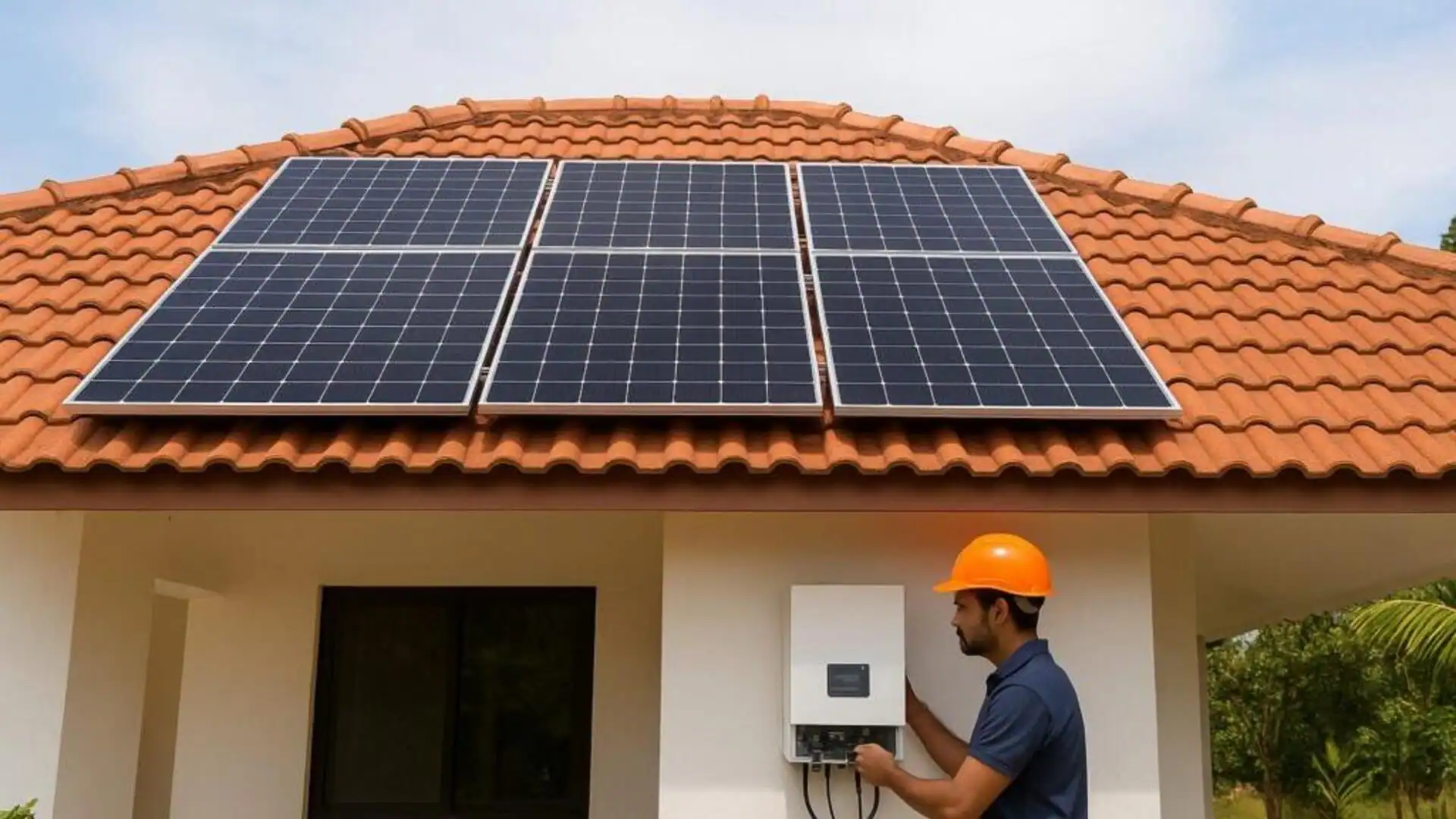
While growing cybersecurity concerns have prompted the EU to consider restrictions on funding for PV projects using inverters supplied by high-risk vendors like China, experts say India may need a more calibrated approach that strengthens security oversight without disrupting solar deployment.
With cybersecurity and energy security concerns increasingly shaping renewable energy policy worldwide, India faces a growing debate over its dependence on imported solar inverters, particularly those sourced from China.
According to the latest report by JMK Research & Analytics, more than 27.5 GW of inverter shipments were recorded in India during the first quarter of 2026 from 19 suppliers of both central and string inverters. In the central inverter segment, Chinese manufacturers accounted for a dominant share, with Sungrow, Sineng Electric, and Hopewind together contributing nearly 85.5% of total shipments. In the string inverter segment, Sungrow, Sineng Electric, and TBEA collectively held around 45.7% of the market.
While growing cybersecurity concerns have prompted the EU to consider restrictions on funding for PV projects using inverters supplied by high-risk vendors like China, experts say India may need a more calibrated approach—one that strengthens security oversight without disrupting solar deployment.