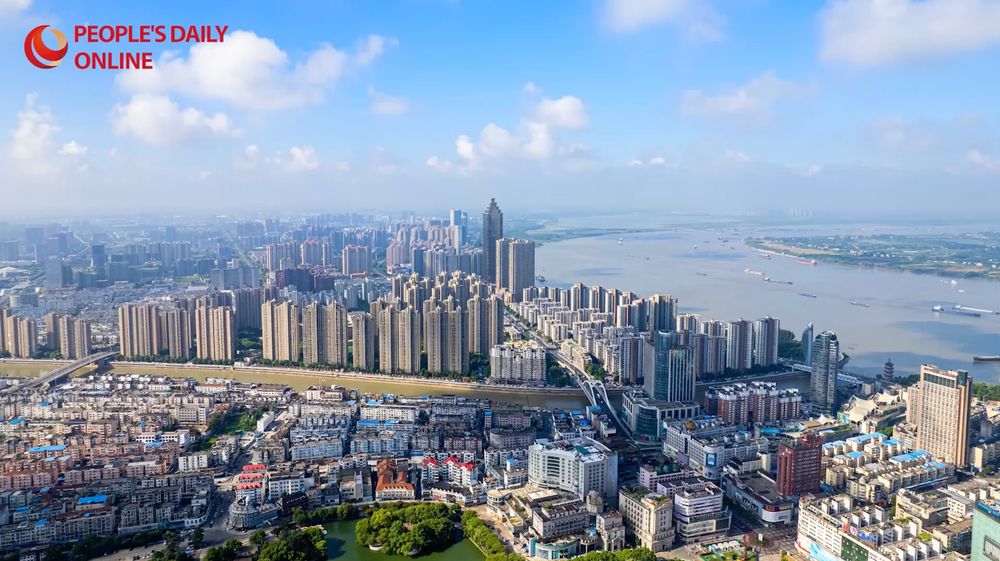
Located at the confluence of the Yangtze River and the Qingyi River, Wuhu in east China's Anhui Province has long been shaped by the culture of southern Anhui and built on a solid industrial foundation.
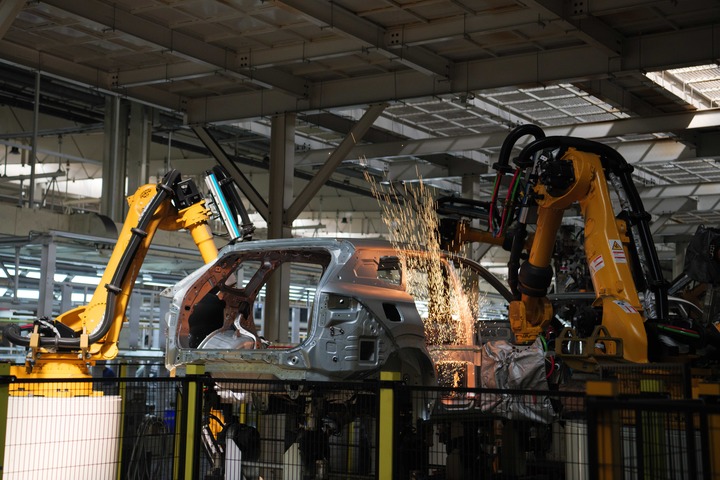
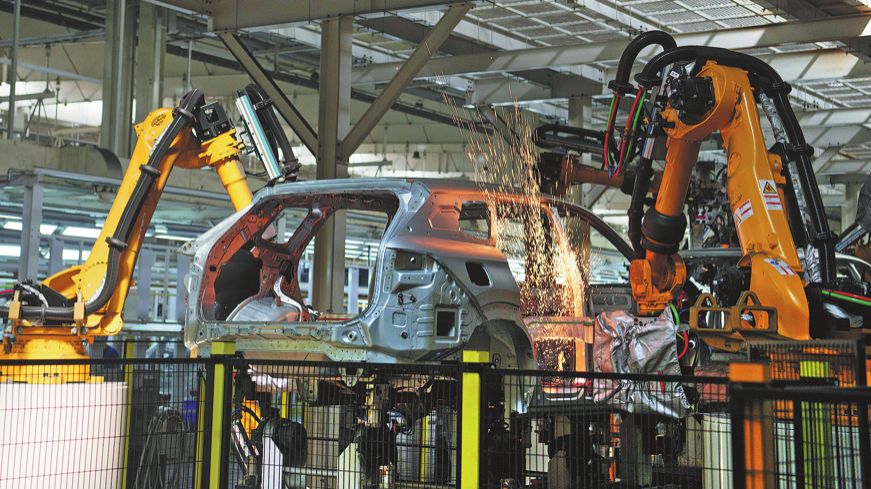
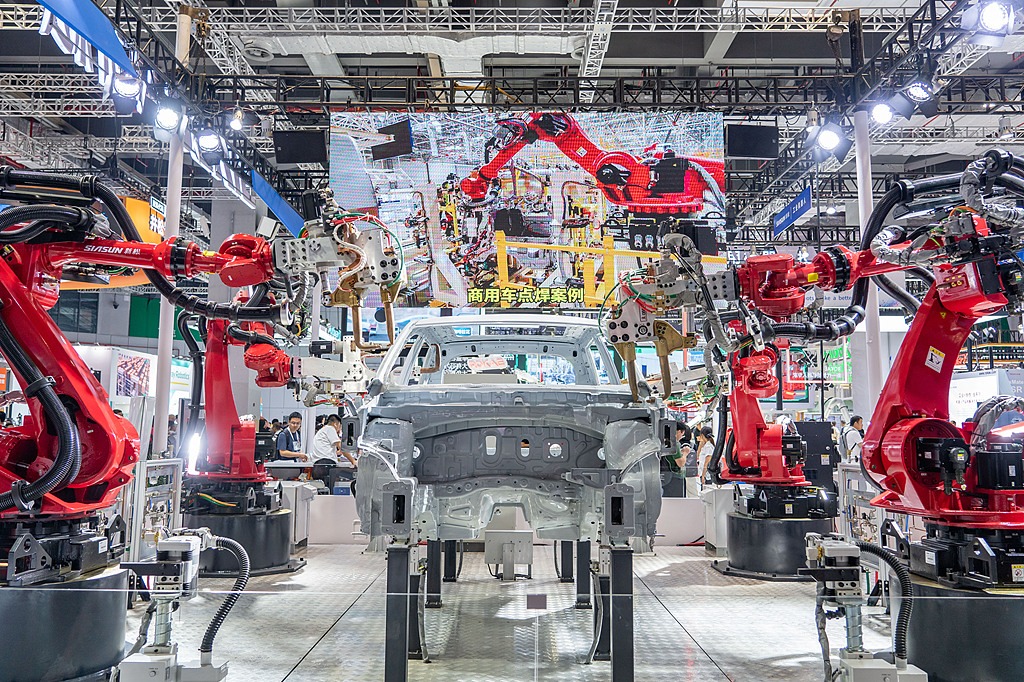
Located at the confluence of the Yangtze River and the Qingyi River, Wuhu in east China's Anhui Province has long been shaped by the culture of southern Anhui and built on a solid industrial foundation. As one of China's major industrial cities, Wuhu has undergone a remarkable transformation from traditional manufacturing to emerging modern industries. From cultural heritage to industrial innovation, "Wuhu takes off" — a Chinese internet slang phrase that sounds like cheering "Woohoo! Let's go!" and expresses excitement about things going well — perfectly captures the city's rapid rise.
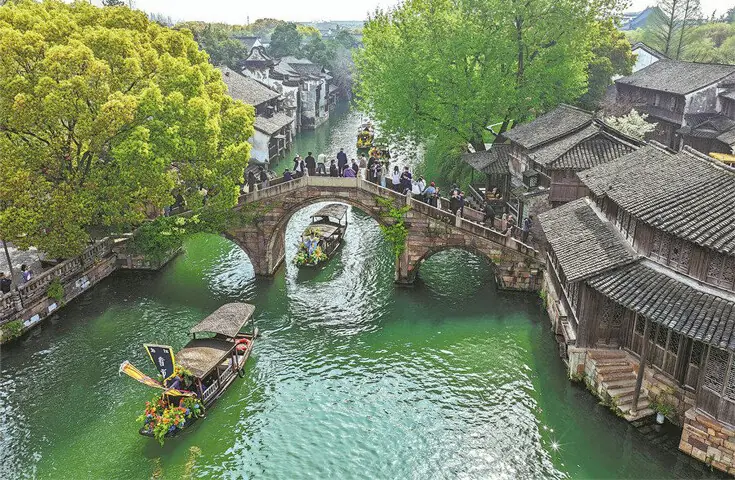
Where the city meets the water, life slows to a gentler rhythm.
On street corners, freshly roasted red-skinned duck glistens under the light. A drizzle of savory-sweet sauce brings out the rich aroma of the meat. Locals and tourists alike line up to enjoy the delicacy.
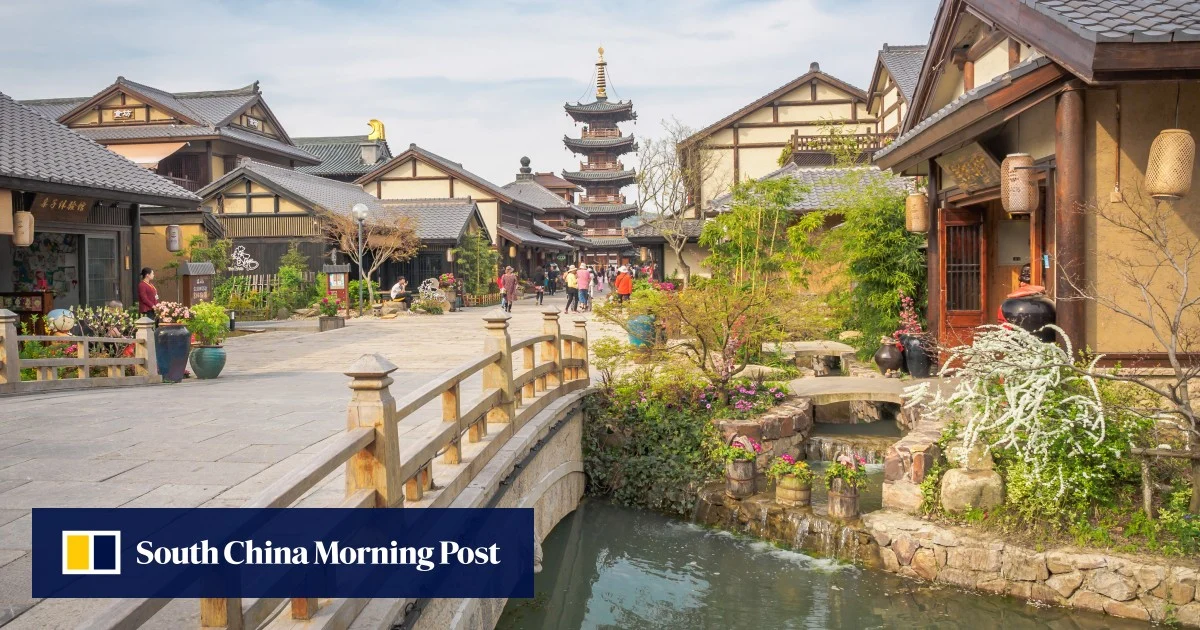
The alleys of Wuhu Ancient City are even livelier. At the stall of dough figurine artist Wang Jingyang, visitors often stop to watch. With skillful movements of his fingers, cartoon characters gradually come to life, attracting young people eager to customize their own figurines. Traditional dough modeling, an intangible cultural heritage, has found a new form of expression.