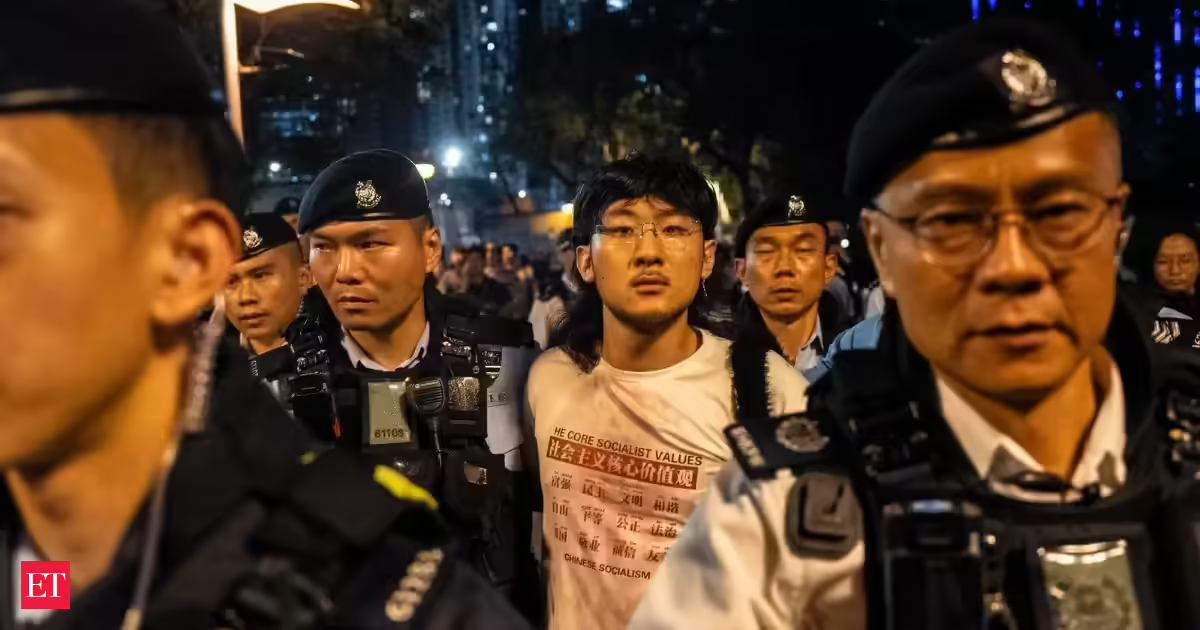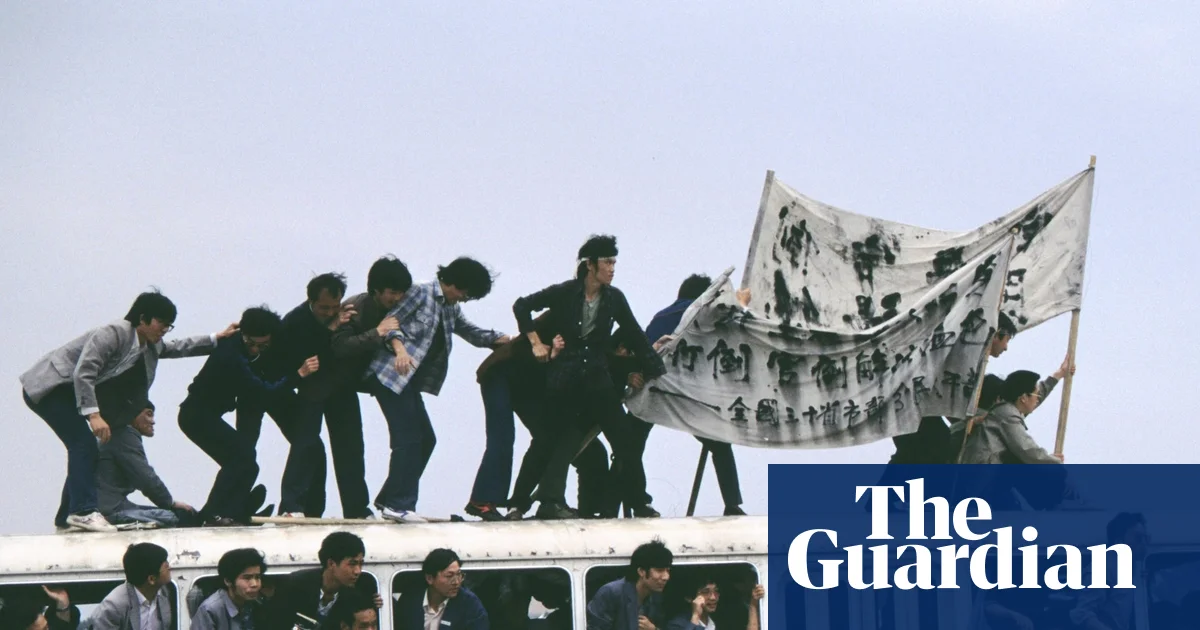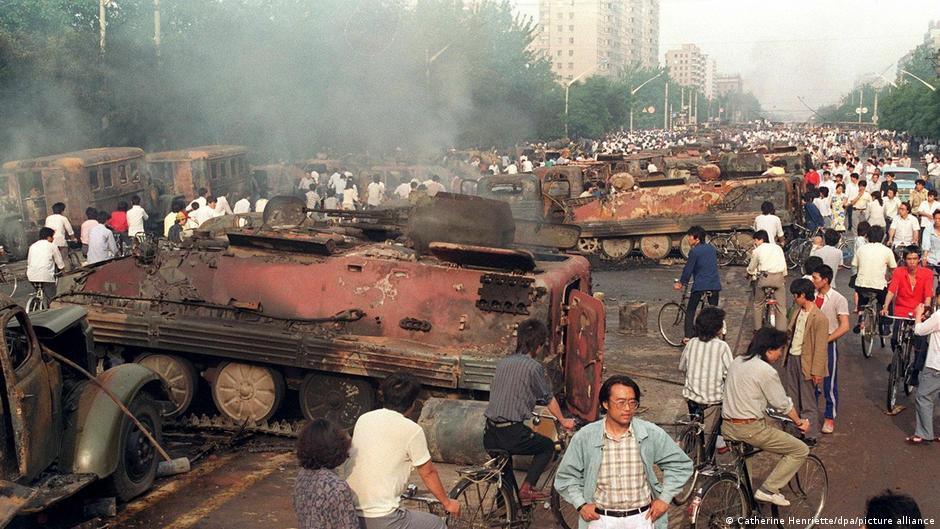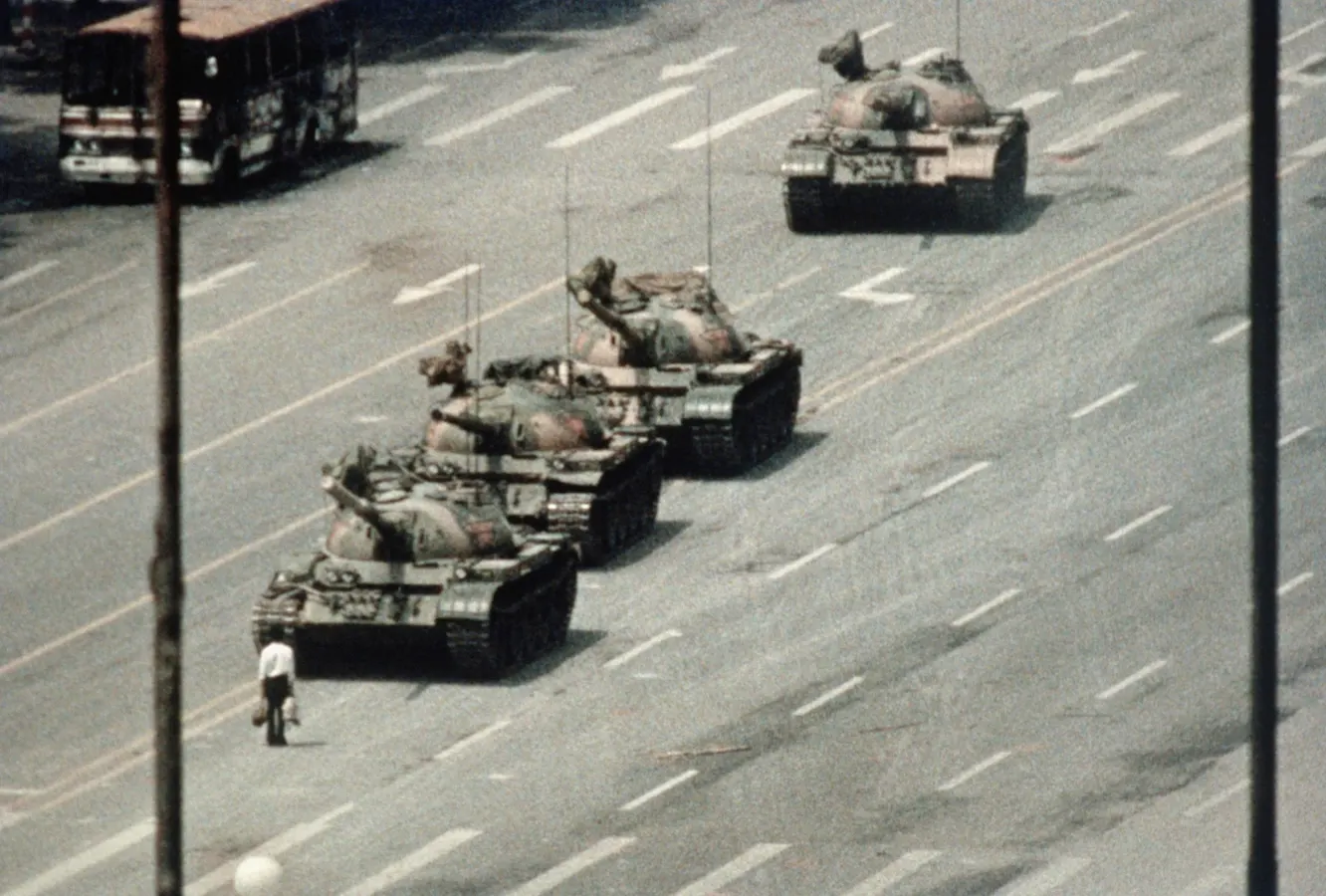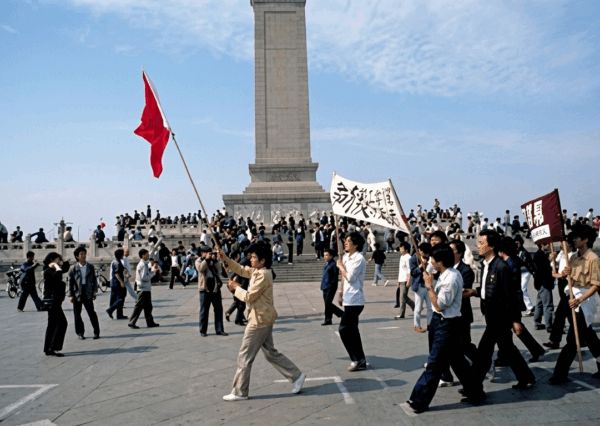
Thirty-seven years ago, I was a middle school student who took to the streets of China, alongside hundreds of thousands of people. The majority of those who died in the resulting military action against protesters were not students. They were workers – ordinary citizens. I have never forgotten that.
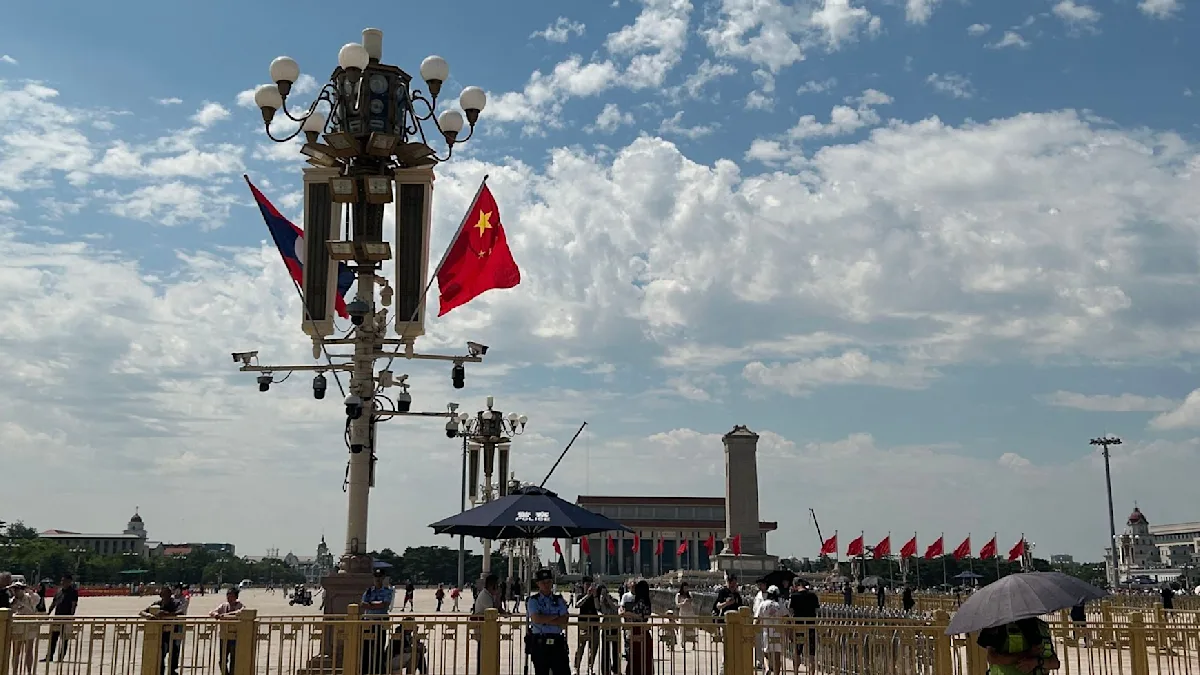
After the crackdown, China increasingly relied on economic growth to maintain political stability and state legitimacy. In the process, a society built on surveillance, censorship, and political control gradually took shape, and was steadily strengthened through economic growth and technological advancement. Millions of people learned the same lesson: that silence is safer than honest speech.
I have spent more than three decades investigating labor conditions inside Chinese supply chains, and confirmed a pattern. When a society has no space for free expression, the pressures of economic growth often fall most heavily on those with the least power to resist them.
The consequences became especially visible during China’s state-owned enterprise reforms in the late 1990s. Tens of millions of workers lost their jobs as state industries were restructured. Entire communities were transformed, and countless families experienced economic hardship. Yet despite affecting the lives of tens of millions of workers, opposition remained fragmented and was quickly contained before it could develop into a broader national movement.