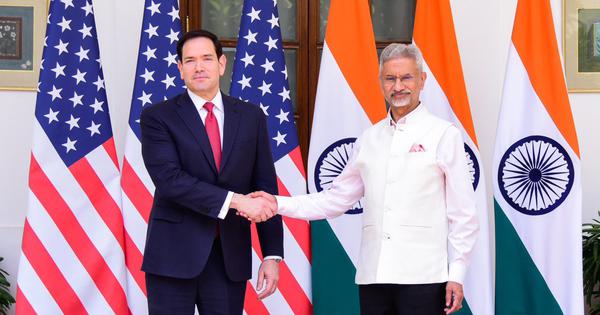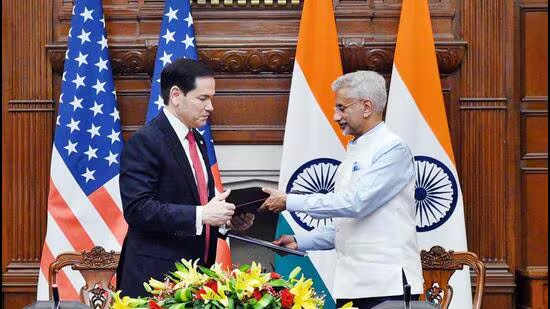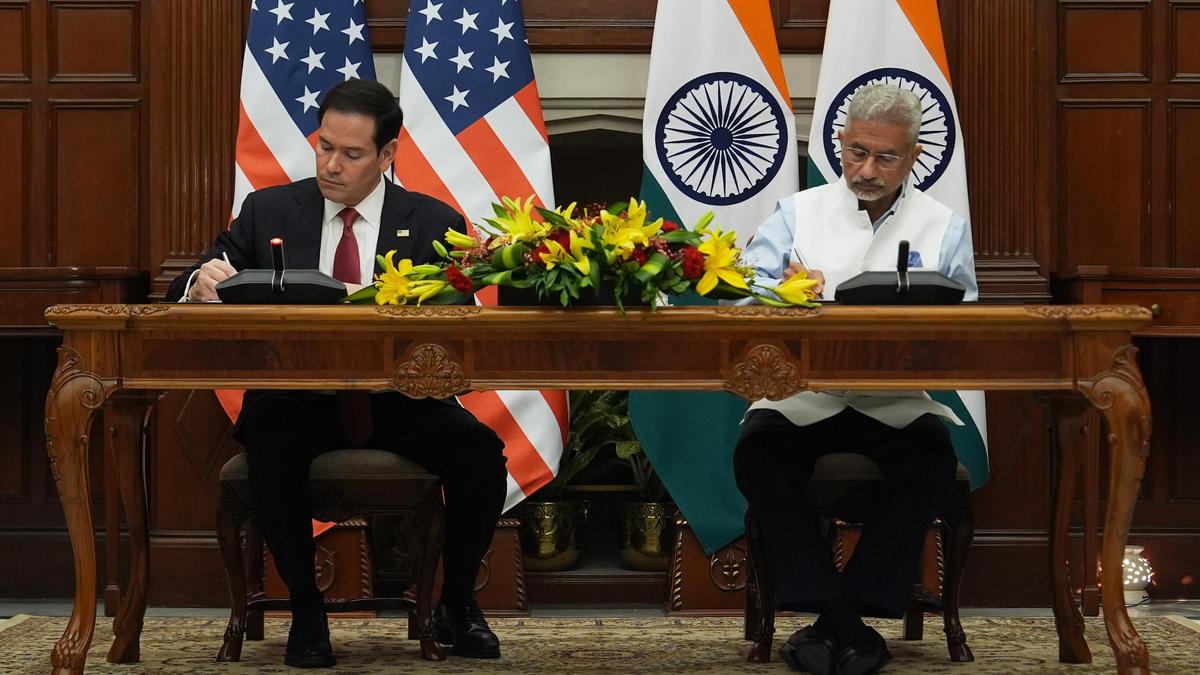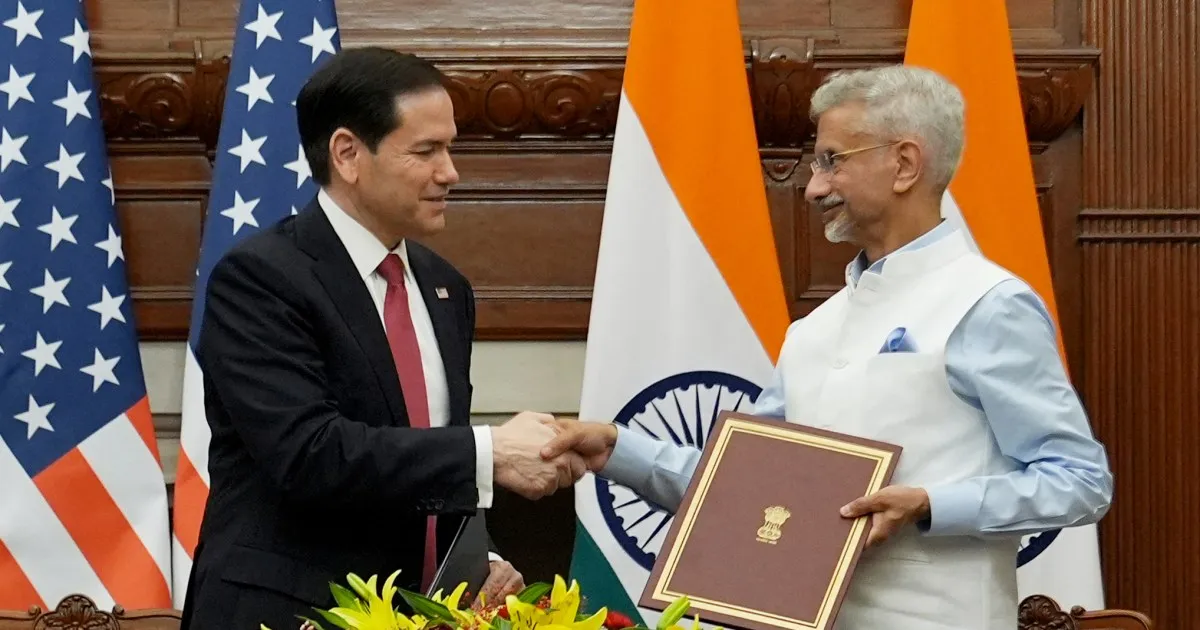
A new India-US pact on critical minerals has put the spotlight on New Delhi’s potential as an alternative to China, but analysts say despite the country’s significant resources, it is unlikely to dent Beijing’s dominance in the sector any time soon.Delhi and Washington signed a framework agreement on May 26 during US Secretary of State Marco Rubio’s visit to India to secure supplies of critical minerals and rare earths, including their mining and processing.According to a US embassy statement, the framework would allow the United States and India to engage in international efforts to protect sensitive supply chains from “coercive market practices” and reduce their collective “vulnerability to single-source monopolies”.The bilateral pact was signed before the Quad countries – Australia, India, Japan and the US – agreed in Delhi to launch a US$20 billion critical minerals framework.The India-US pact comes amid mounting concern over China’s export controls on rare earth elements and strategic metals vital for global technology supply chains.Indian Foreign Minister Subrahmanyam Jaishankar described the agreement as “something very timely and critical”, while Rubio underscored the strategic importance of ensuring reliable long-term access to critical minerals and supply chains for both countries.US Secretary of State Marco Rubio and India’s Foreign Minister Subrahmanyam Jaishankar shake hands after signing a memorandum of understanding in New Delhi on May 26. Photo: AFP
As India rises in critical minerals race, can it dent China’s dominance?
While India could become a valuable part of an alternative supply chain, analysts say it is unlikely to replace China any time soon.
220 words~1 min read