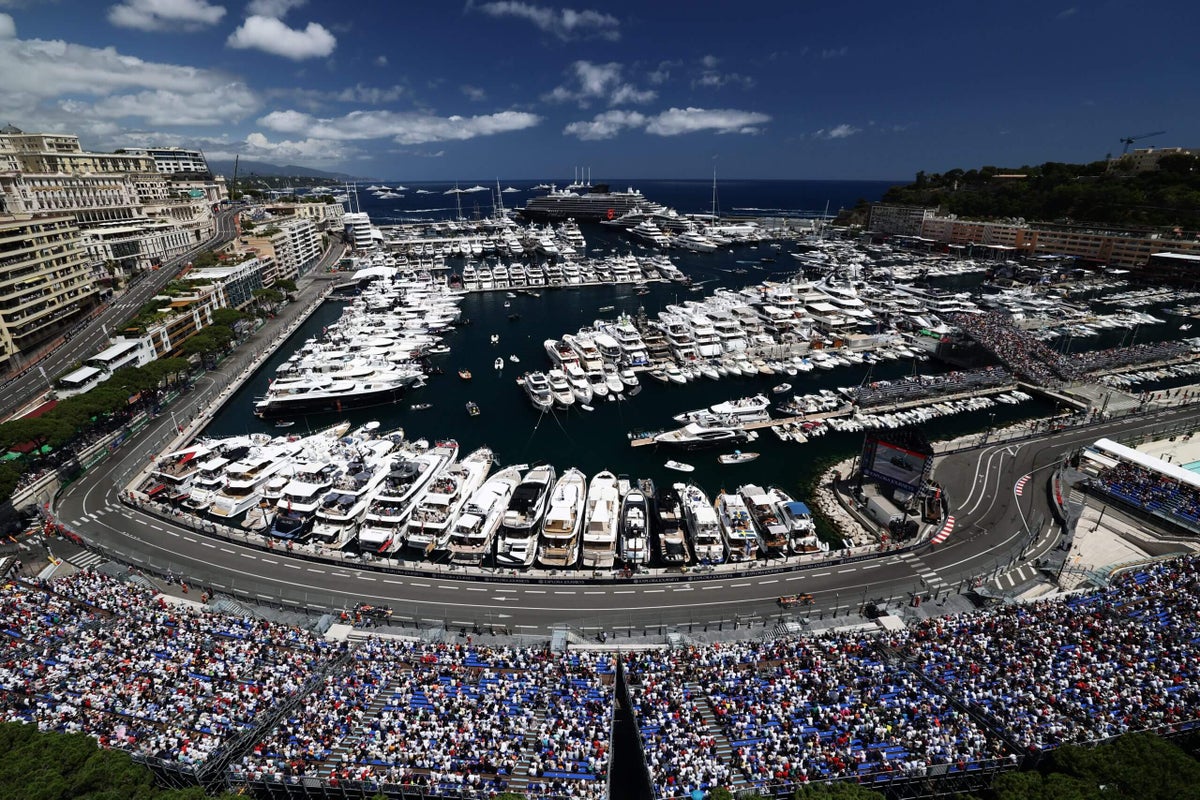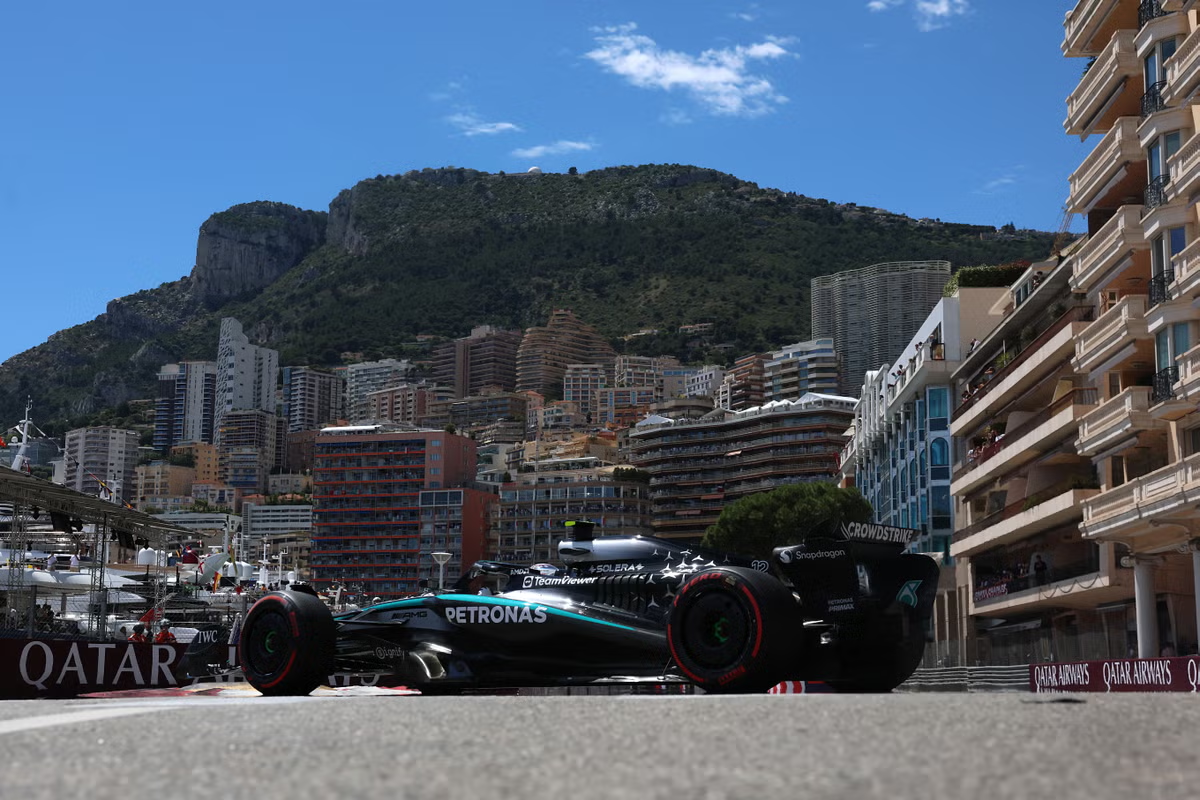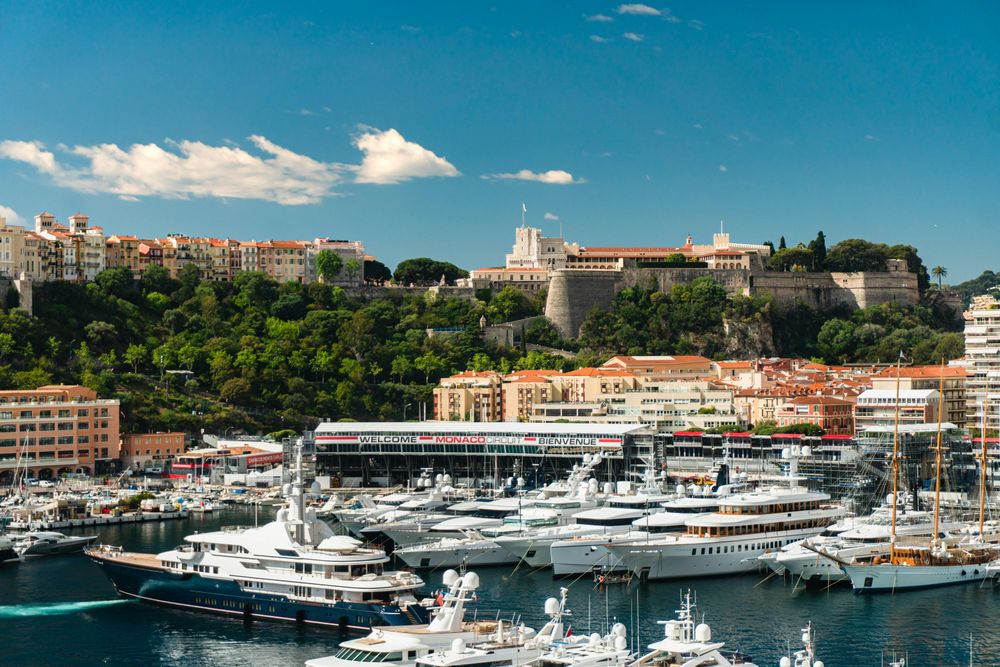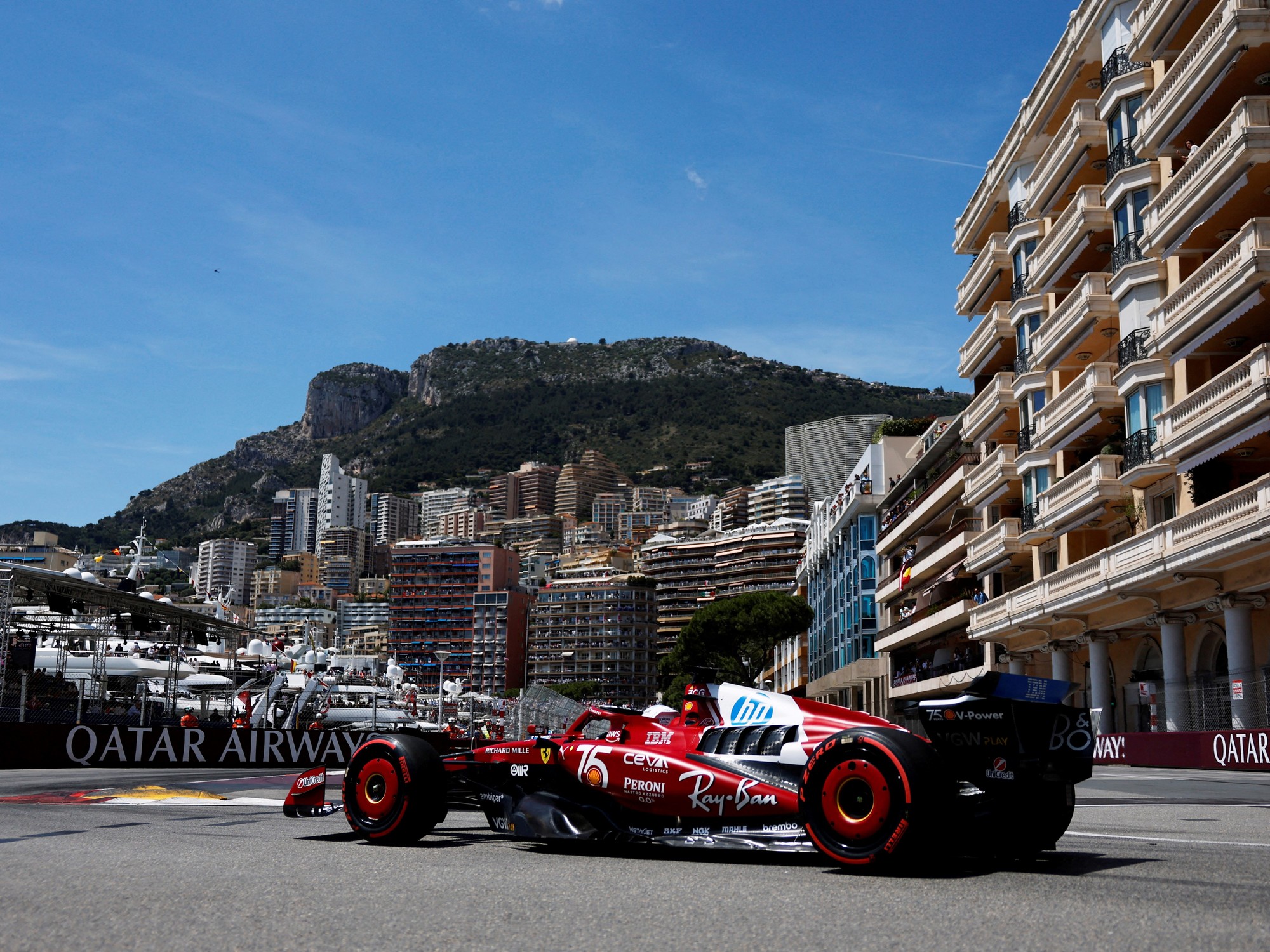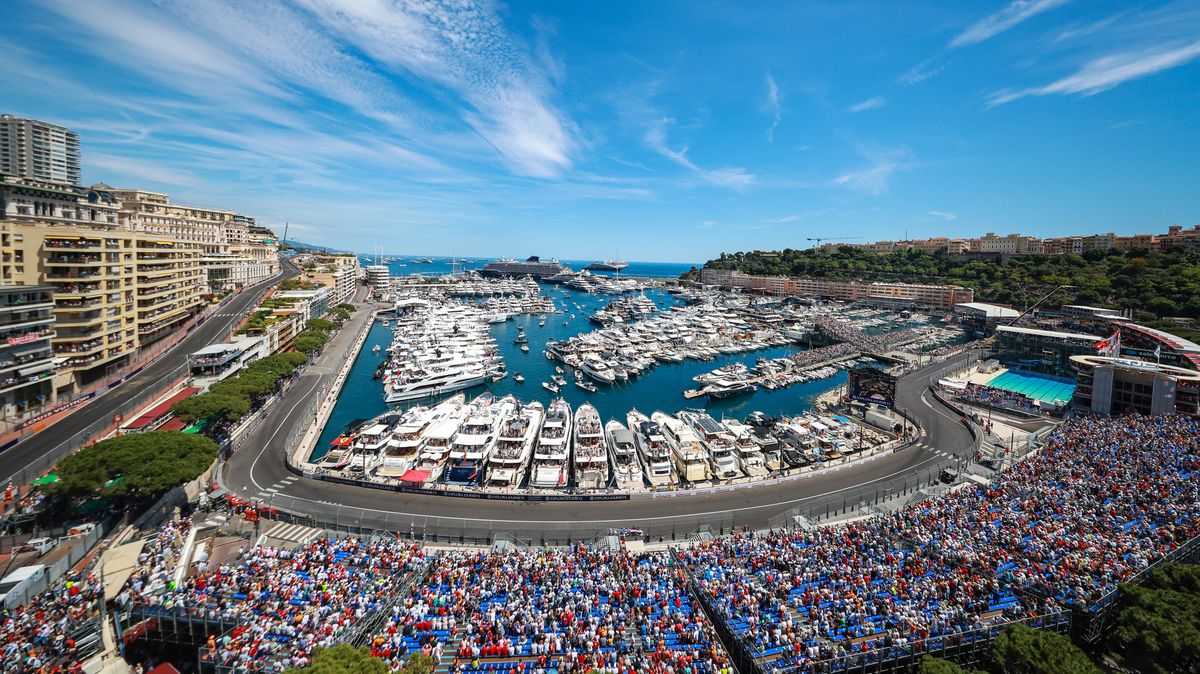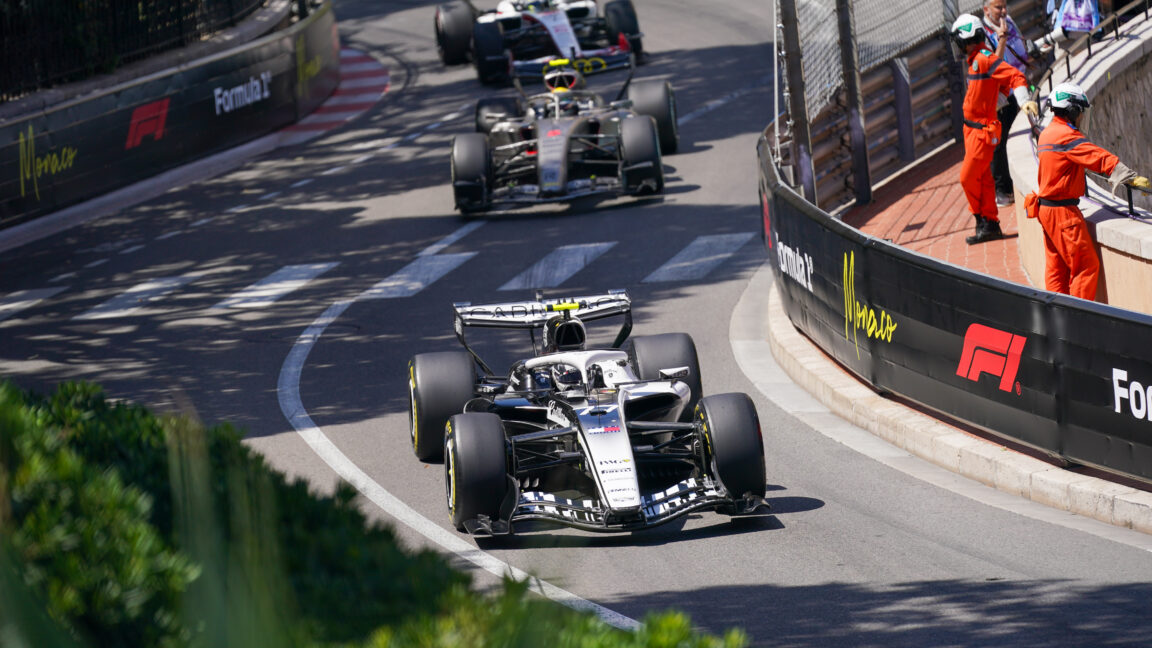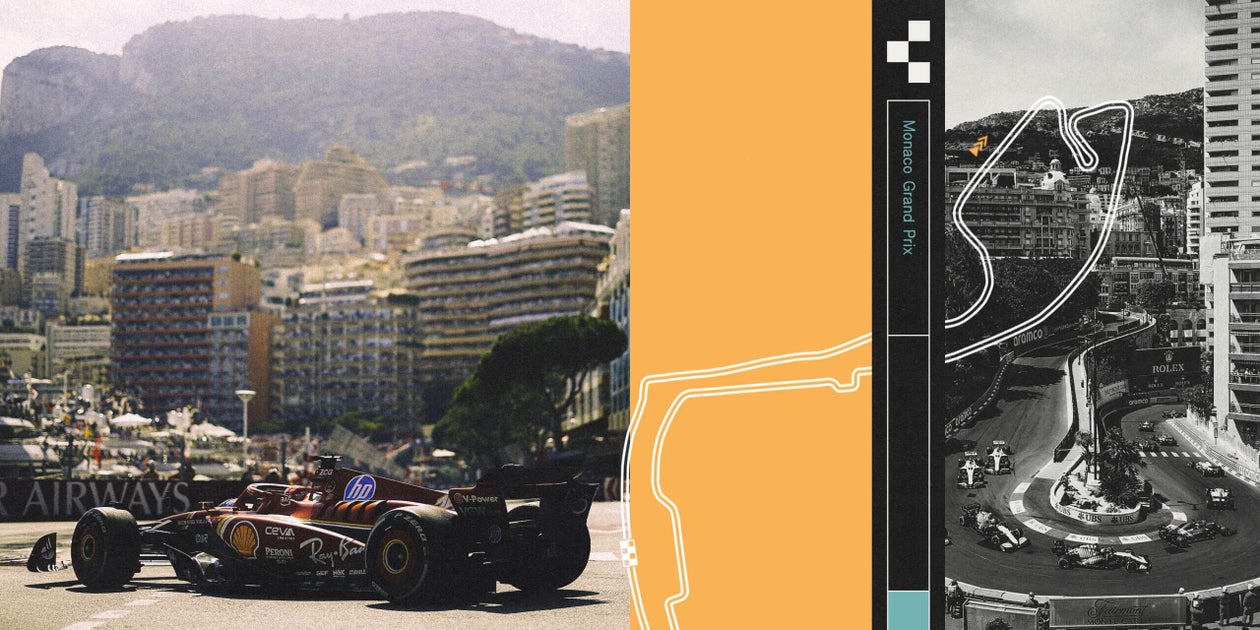
The Monaco Grand Prix is the epitome of Formula 1.The principality is known as a playground and a haven, attracting tourists and the rich and famous. It may be the world’s second smallest independent state (at 0.76 square miles, barely half the size of New York’s Central Park), but it’s packed with casinos, designer malls and clubs. Each year, when the grand prix rolls around, the harbor fills with yachts as fans prepare for the thrill on track and champagne moments afterward on the podium.Monaco’s street track was part of the calendar for F1’s inaugural season in 1950, while race dates back to its first running in 1929. The iconic circuit is narrow, requiring pinpoint accuracy because even being a millimeter off can be a costly error as the drivers navigate around famous buildings, a tight hairpin, and past a slew of yachts. Early races saw the occasional car end up in the harbor; now, fans see costly shunts into the barriers. Overtaking is incredibly difficult (the 2003 race had zero on-track overtakes), and strategy is critical. Nelson Piquet once said driving in Monaco is “like riding a bicycle around your living room.”As the 2026 edition of the Monaco GP kicks off, here’s all you need to know about one of the jewels in F1’s crown.Something of a squeezeThough they’ve fluctuated over time, F1 cars have gotten longer, wider and heavier as the machinery continued to advance. A notable change for 2026 is that the new cars are 10cm narrower than those used in 2025.When it comes to tight tracks like Monaco, where the circuit’s space is dictated by its surroundings, the width can present unique challenges as drivers figure out how to navigate areas such as the tight Turn 6 hairpin.Points of interest (with a history lesson)The Monaco GP is part of motorsport’s Triple Crown (along with the Indianapolis 500 and 24 Hours of Le Mans) for a reason. It’s 78 laps of pure adrenaline as drivers tackle the 19 turns in the heart of the principality, zipping past the iconic Monte-Carlo Casino, the yacht-filled harbor and more.Turn 1: Sainte DévoteThe track’s opening turn is a right-hander with a small chapel just beyond the barriers on the left. Expect to see lockups happen here, and cars going straight into the run-off. It’s one of the few places you could see a shuffle in the grid during the opening lap, depending on who gets a better start.The Sainte Dévote Chapel dates to the 11th century and is dedicated to the patron saint of Monaco.Turn 3: MassenetThe cars are at the top of the hill as they enter the tight, quick left-hand turn, one of the highest points of the circuit. This portion of the track runs in front of the city’s opera house, named after French opera composer Jules Massenet.Turn 4: Casino SquareThis is one of the most iconic and recognizable corners on the circuit that even non-motorsports fans may know — the 1995 James Bond film “Golden Eye” includes scenes filmed in the Monte-Carlo Casino. The right-hander takes drivers past the front of the establishment.Another off-track fun fact: Gambling is illegal for Monaco residents. According to the BBC, Princess Caroline felt the revenue shouldn’t come from Monégasques, but should instead come from foreigners. Monaco citizens still get a deal: they don’t pay income taxes.Turn 6: The Hairpin This turn has had several names over the years, including “Loews Hairpin” or the “Fairmont Hairpin,” the latter of which is the name of a famous hotel just outside the corner. Sandwiched between a pair of right-handers, it’s one of the slowest turns on F1’s calendar (think average car speed on a residential road type slow).
Monaco GP track breakdown: F1’s crown jewel of risk, precision and rich history
Fans may dislike the difficulty of overtaking, but the narrow, twisting street track demands the absolute most from drivers.
1,585 words~7 min read