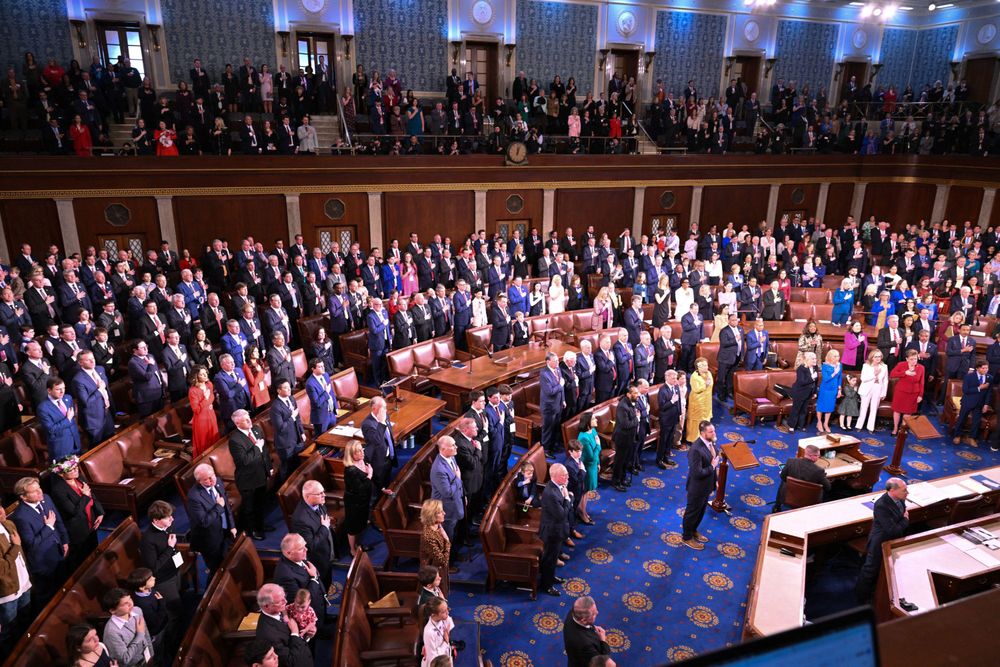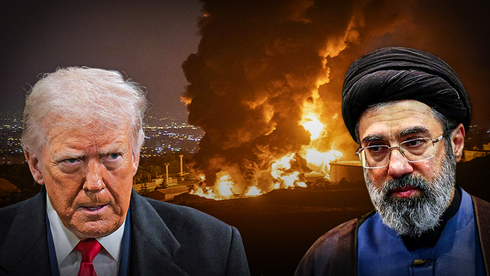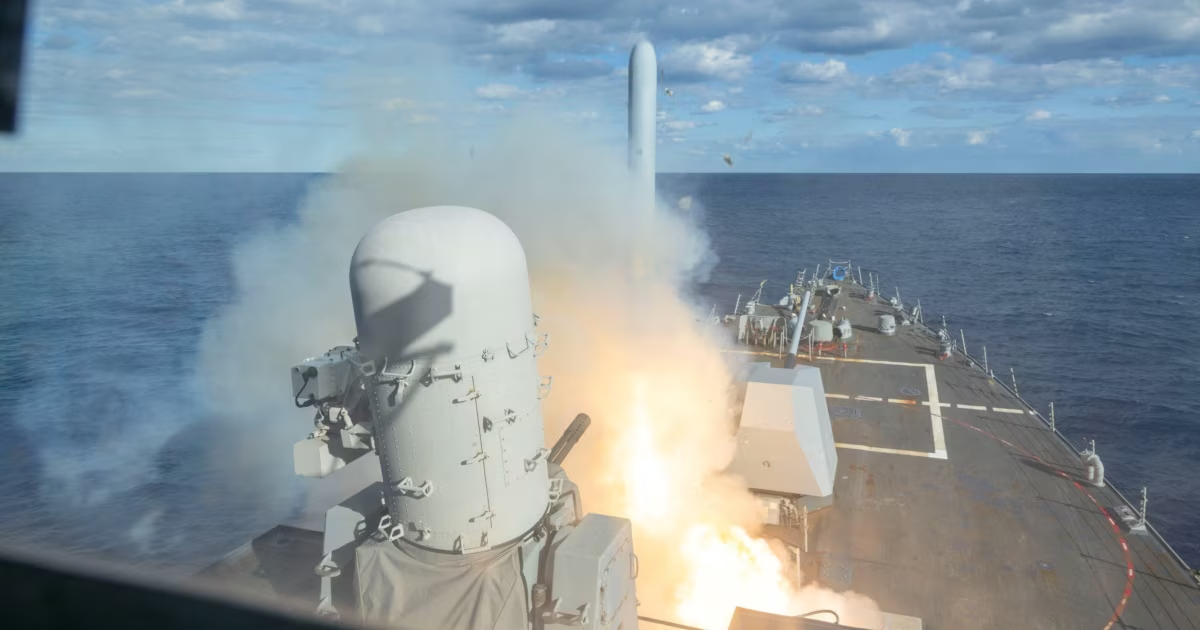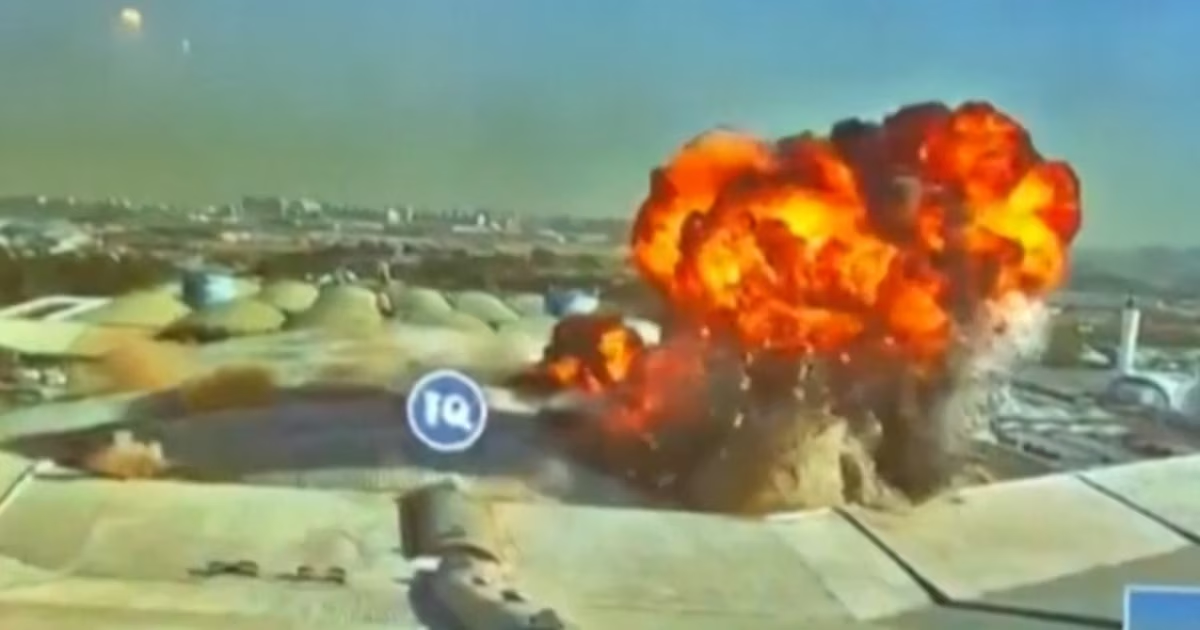
WASHINGTON -- The US House of Representatives has passed a largely symbolic resolution aimed at limiting President Donald Trump's ability to continue military operations against Iran, highlighting growing unease among congressional lawmakers over the conflict. At the same time, senior administration officials have insisted the confrontation is effectively over, even as military exchanges continue across the region.
Jake Sotiriadis
RFE/RL spoke with Jake Sotiriadis, a nonresident senior fellow at the Atlantic Council's Scowcroft Center for Strategy and Security who also advises the US State Department, where he trains diplomats in strategic foresight and geopolitical futures at the Foreign Service Institute, about whether these developments could signal the beginning of a diplomatic off-ramp between Washington and Tehran or merely a pause in a confrontation that still carries a significant risk of escalation.RFE/RL: What do these mixed signals tell us about where this crisis stands?Jake Sotiriadis: The administration is following a tactic we've seen previous administrations use when it comes to defining the status of a particular conflict. The House vote is largely symbolic -- it's not a binding resolution that's going to limit the administration's ability to do anything. In the unlikely event that it passes in the Senate in its current form, it still doesn't really have any bearing on the president's ability to conduct military operations.Symbolically, this is obviously not a good look for the administration. This is not what the administration would like because it is a reflection of the House. This is also in line with current polling. The vast majority of the American public being polled is not in favor of the conflict right now.