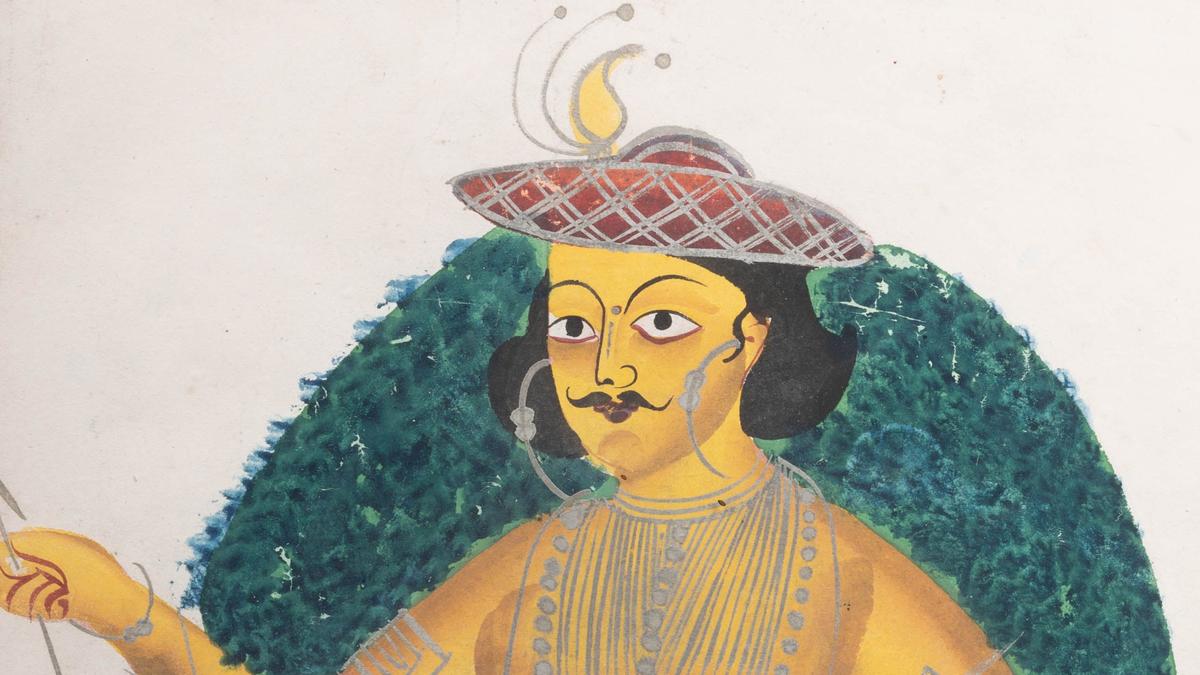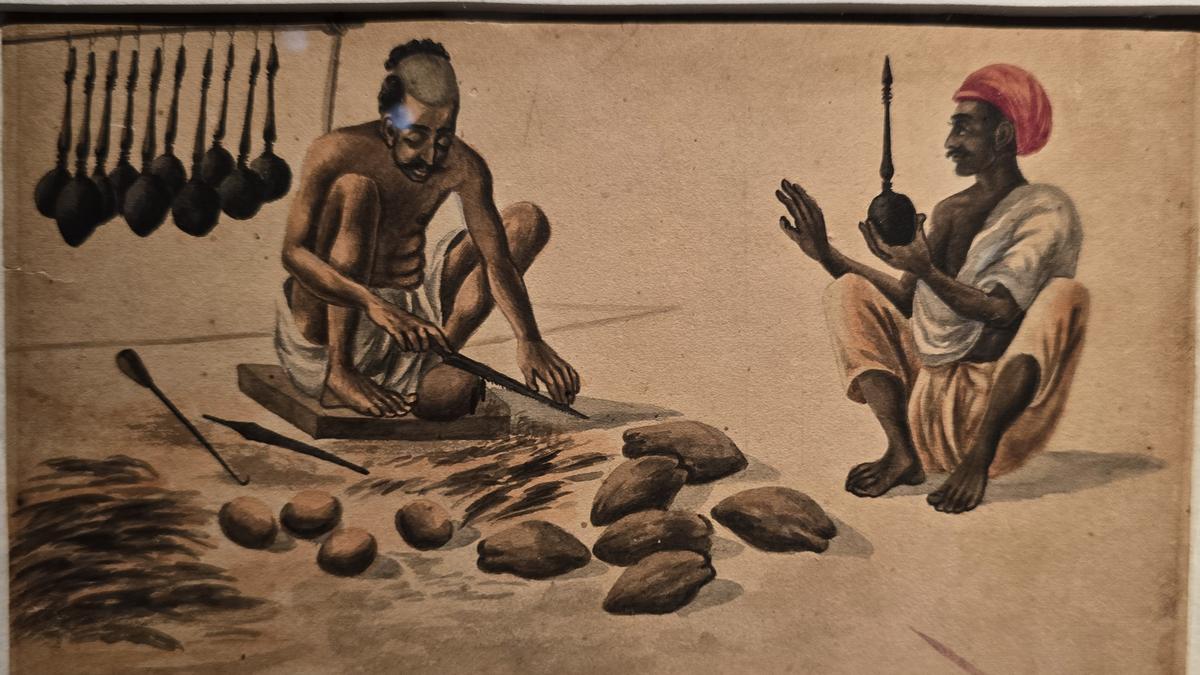
Picture watercolours on imported paper, in delicate brushwork on pale, bare backgrounds, and the stark image of two men in dhotis working in a distillery. Or a woman, dressed in blue-and-yellow ghaghra and dupatta, dancing in a palace hall while the musicians play. These artworks are part of an 18th-century Indian painting tradition known as Patna Kalam. It was a pre-photographic visual documentation of the daily lives of ordinary people, featuring vegetable sellers, blacksmiths and servants fetching groceries, among others. Last December, Patna Kalam paintings were part of an exhibition at the Bihar Museum Biennale 2025, where it witnessed a renewed interest. Which begs the question: why is an art built to capture daily life now surviving only behind glass?Hidden away in storage in art colleges, or confined to private collections and the archives of the British Museum and the Victoria & Albert Museum, London, the nearly lost Patna Kalam was reintroduced via the Patna Kalam: Ek Virasat exhibition held at Patna Museum between December 2025 and February 2026, and a workshop for keen students. Art enthusiasts agree that if not for such interest from the State government, they would have had to travel outside India to see this art tradition. Apart from the Patna Museum paintings, the exhibition featured works lent by Sanjay Kumar, a Dhanbad resident and descendant of the famous Patna Kalam painter Hulas Lal.
Patna Kalam revival: How Bihar is bringing back the lost art that captured everyday India
Bihar is seeing renewed interest in the nearly forgotten 18th-century Patna Kalam art, in which Mughal miniature met European naturalism
1,560 words~7 min read