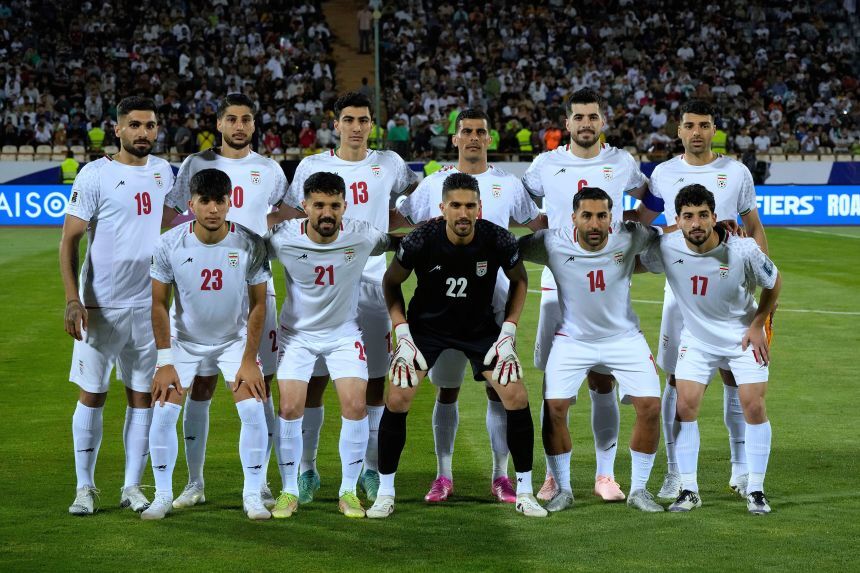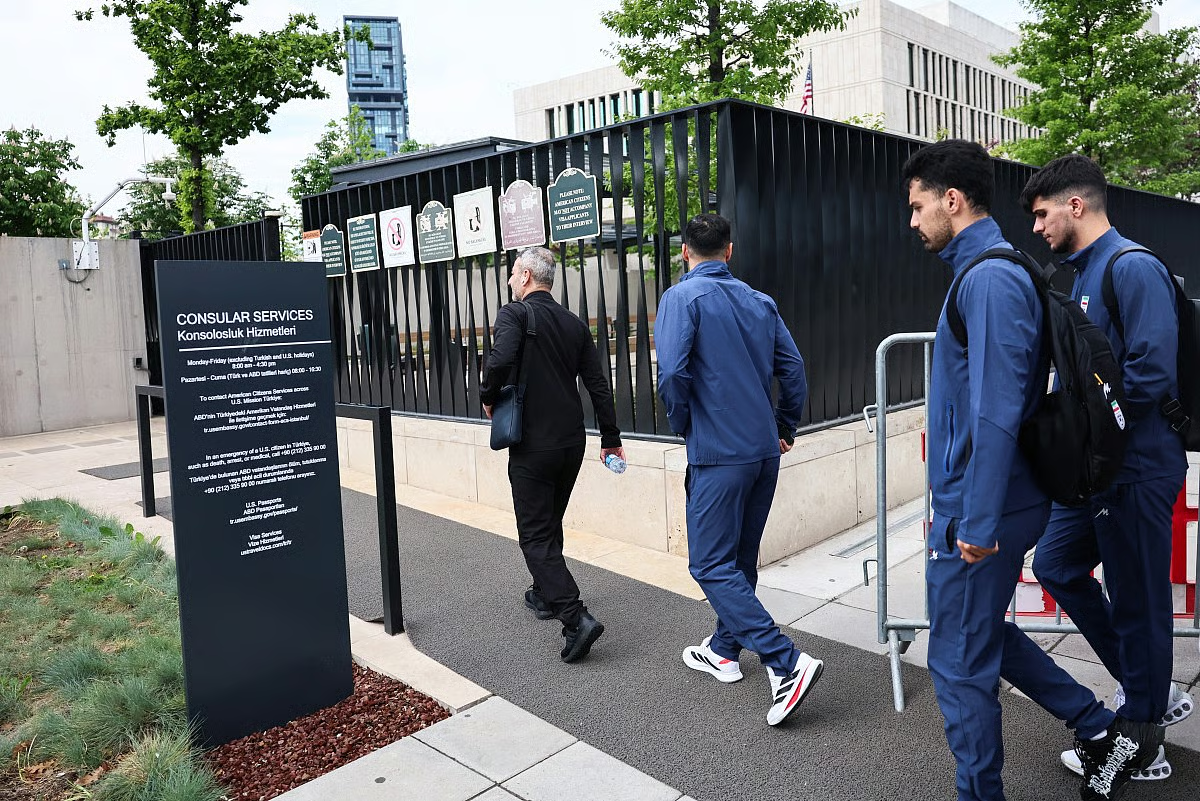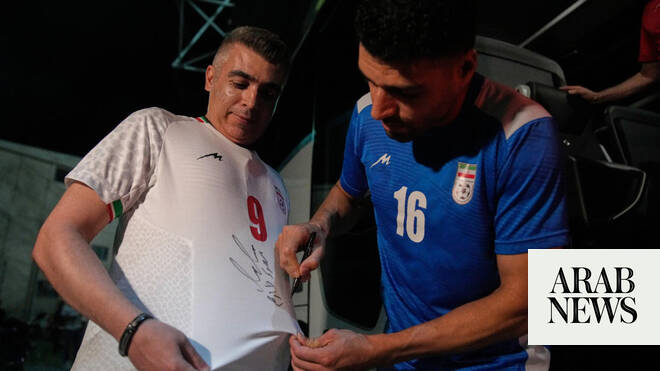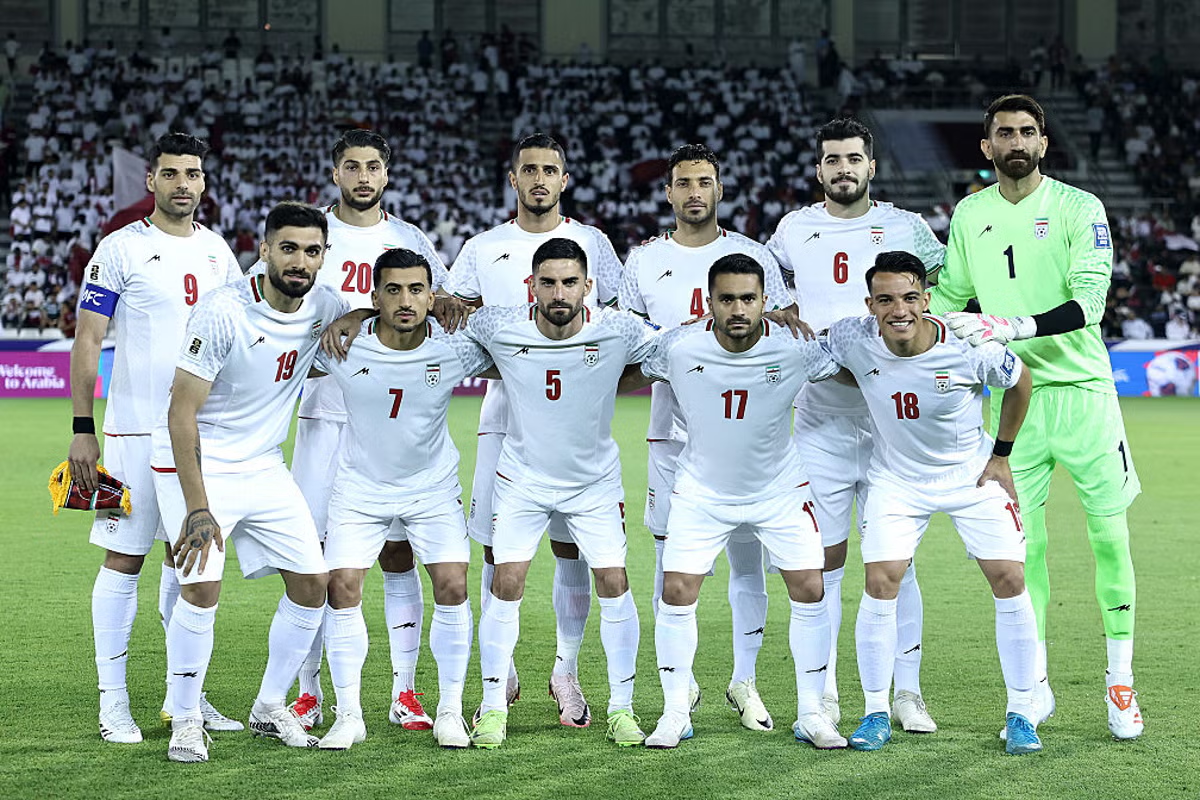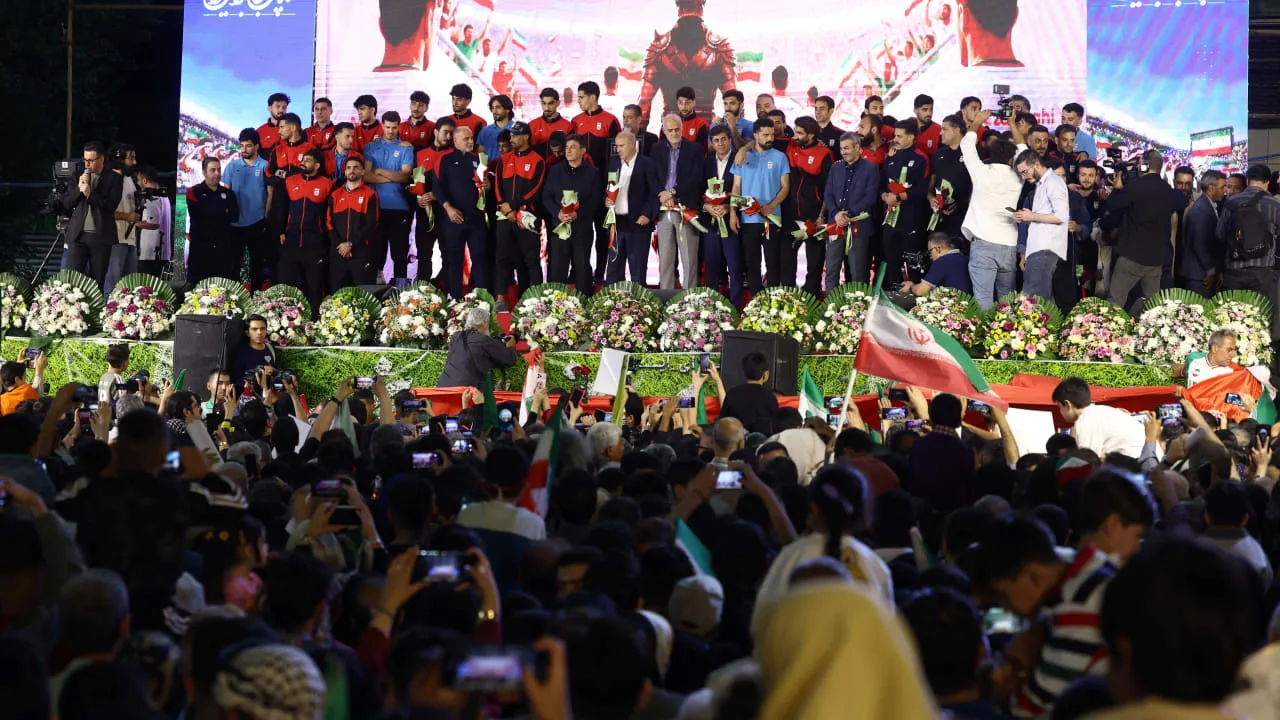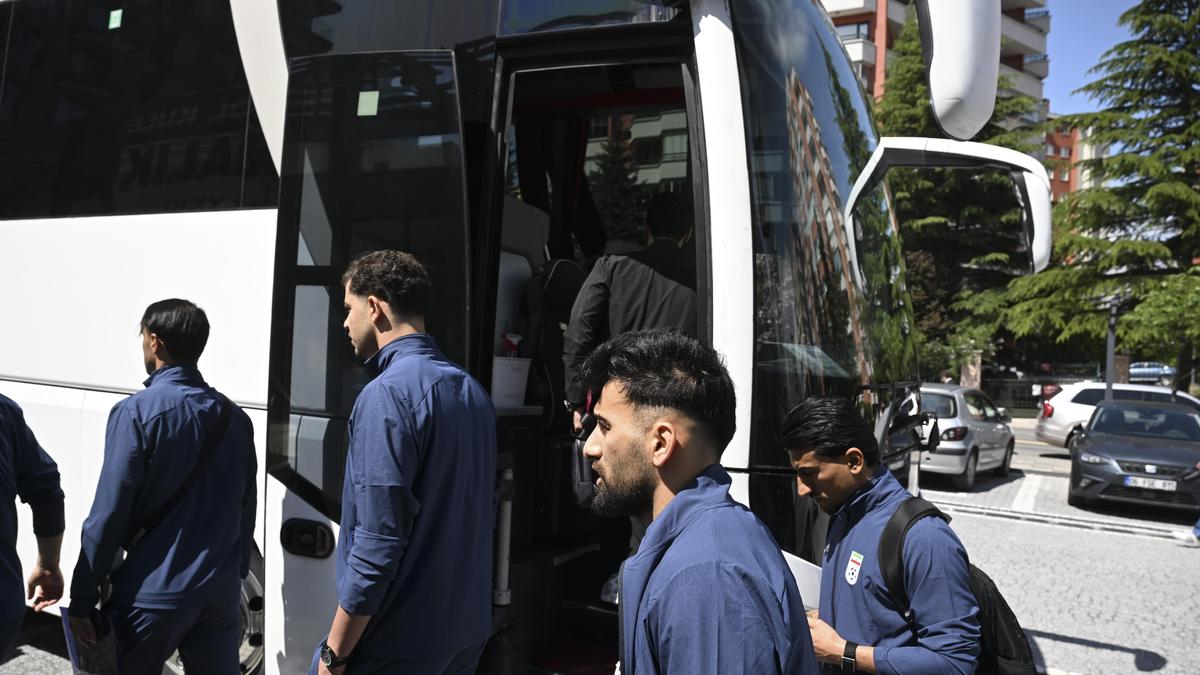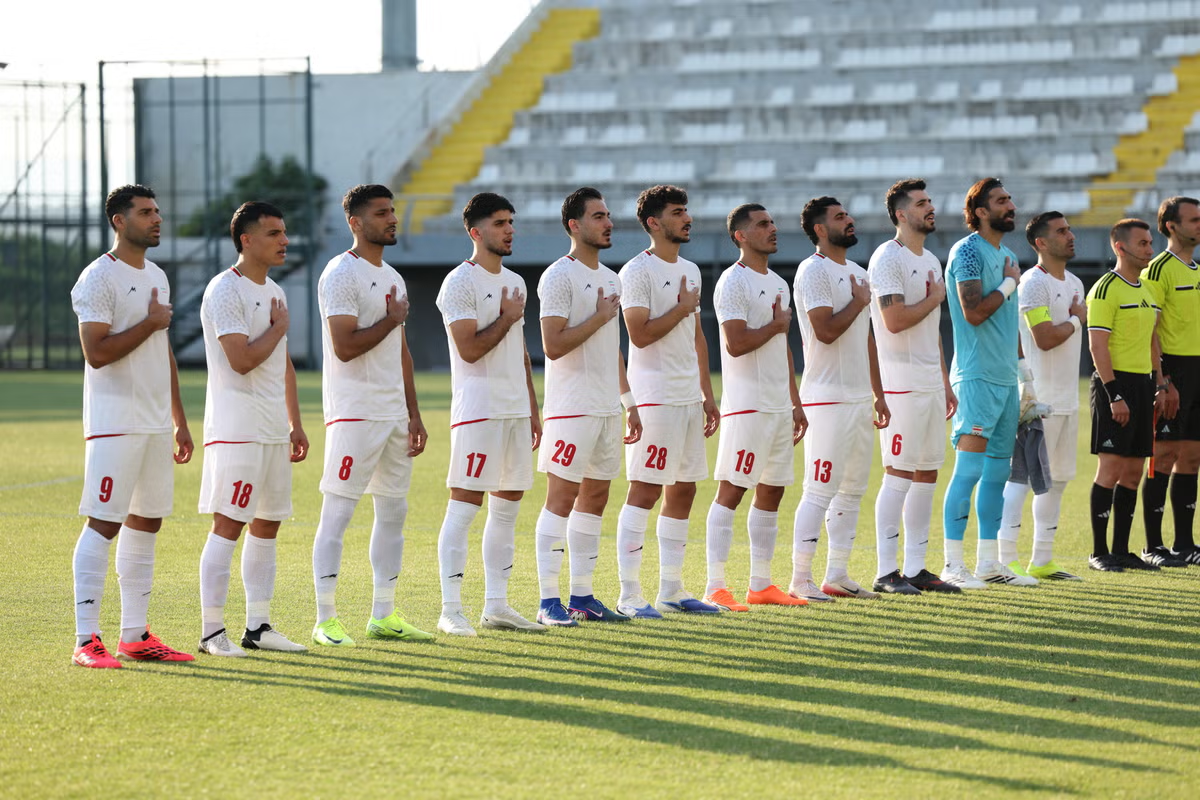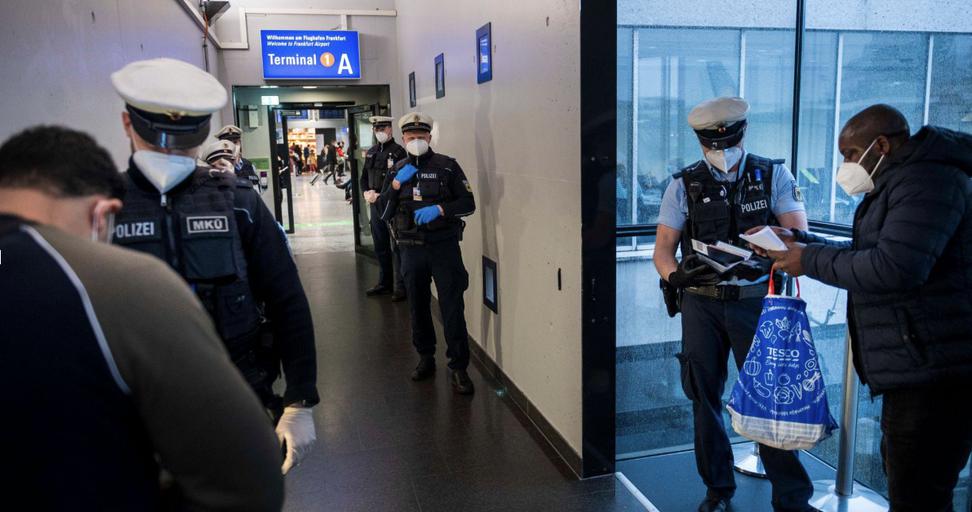
In recent weeks, directors of the Football Federation, officials from the Ministry of Sport and the Ministry of Foreign Affairs of the Islamic Republic, and even political figures, have attempted to frame the "non-issuance of visas" for the Islamic Republic's football team delegation as a sign of a sports tournament being entangled with political and social issues.
Not that the footprint of politics is entirely absent from this matter, but it must be remembered that US stringency regarding visa issuance for citizens of certain countries is nothing new.
In this very World Cup, four teams that qualified for the tournament find their governments embroiled in political and economic disputes with the United States of America.
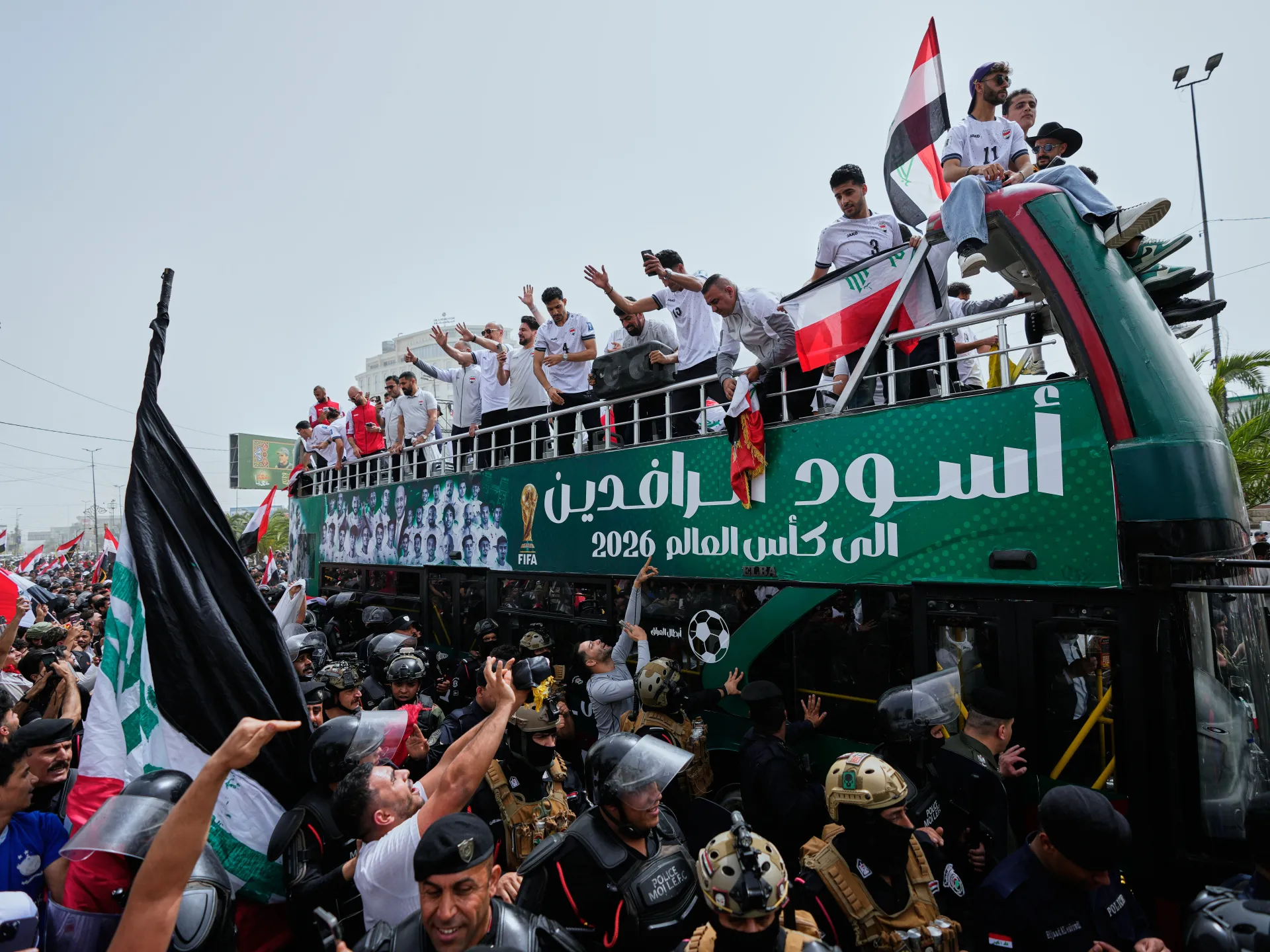
From Haiti and Senegal to the Ivory Coast and even Iraq, these are countries whose national teams have qualified for the 2026 World Cup and whose citizens have faced immigration restrictions, security screenings, or political sensitivities in recent years. But did the national teams of these countries face serious obstacles to travel to the World Cup like the Islamic Republic's team?
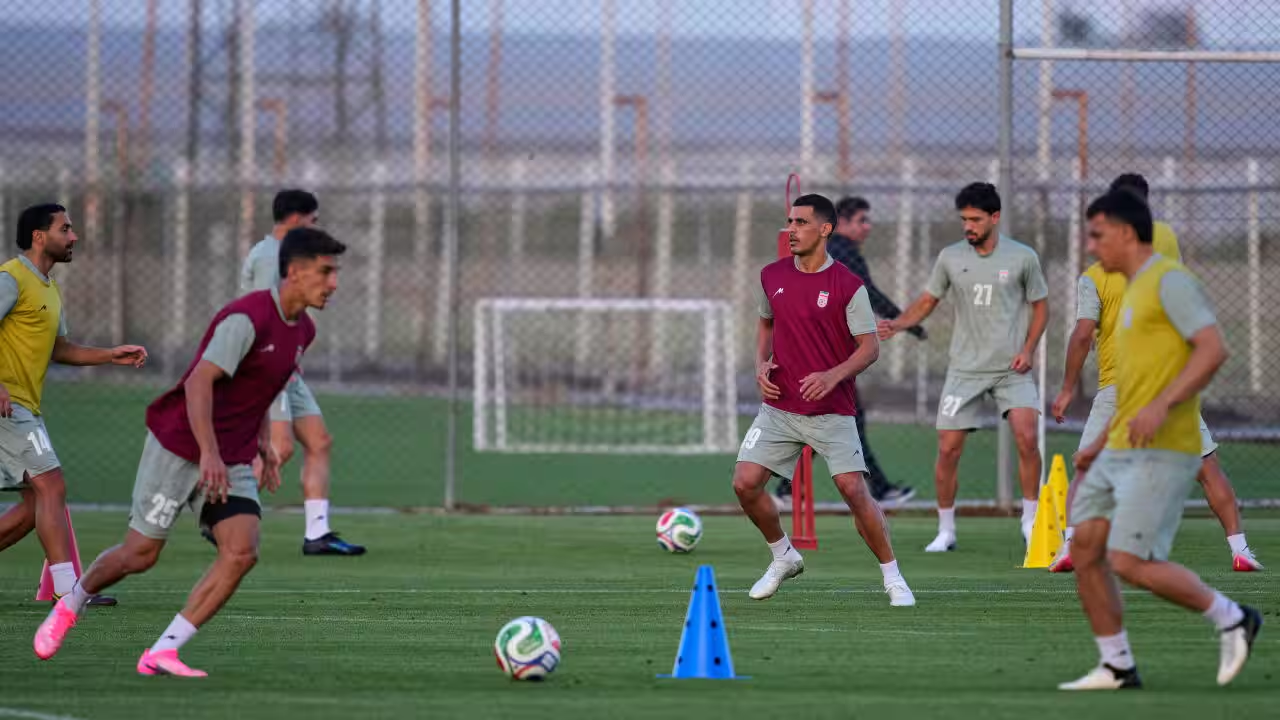
The crucial difference lies here: despite restrictions and strict measures, many of these same countries have managed to dispatch their delegations to the 2026 World Cup; their players have entered the US or Mexico, taken delivery of their camps, and commenced training. In this report, we ask what differentiates this team and this government from those in Haiti, Iraq, the Ivory Coast, and Senegal.