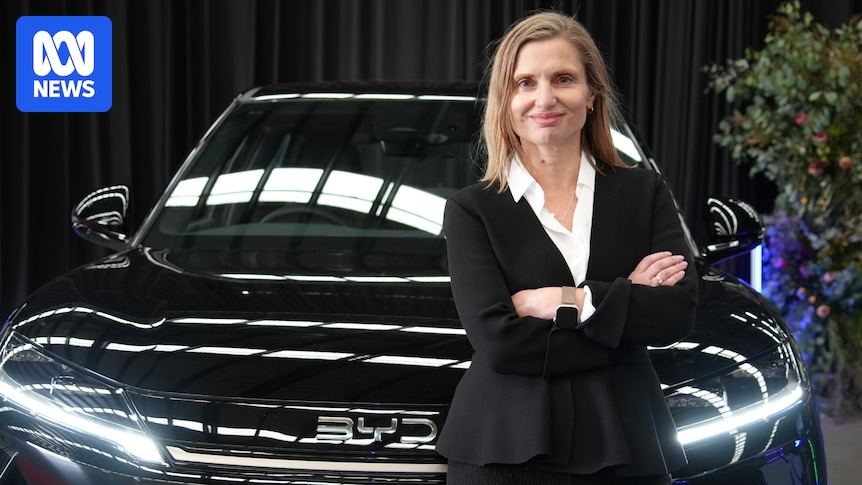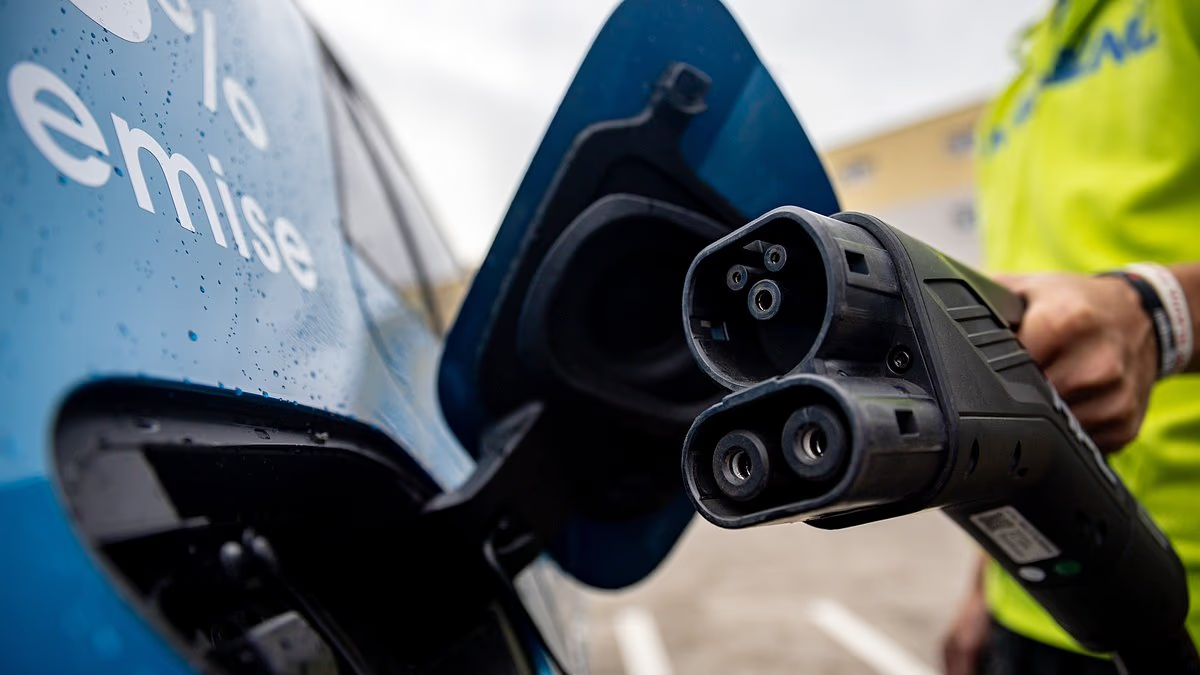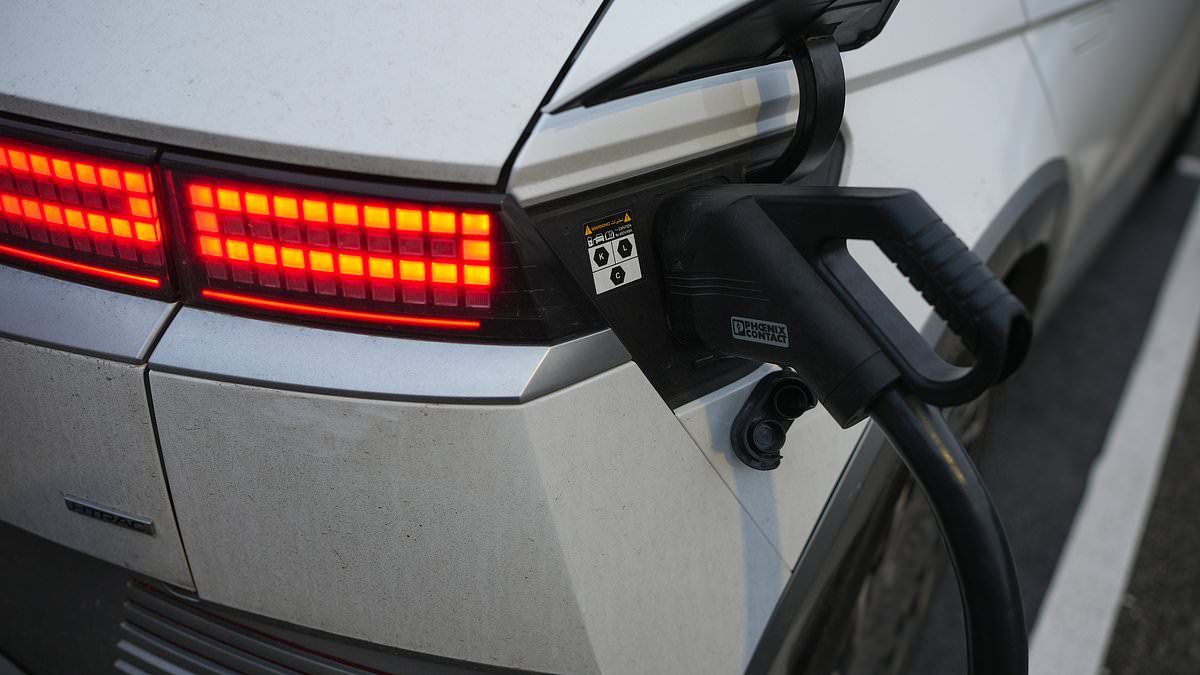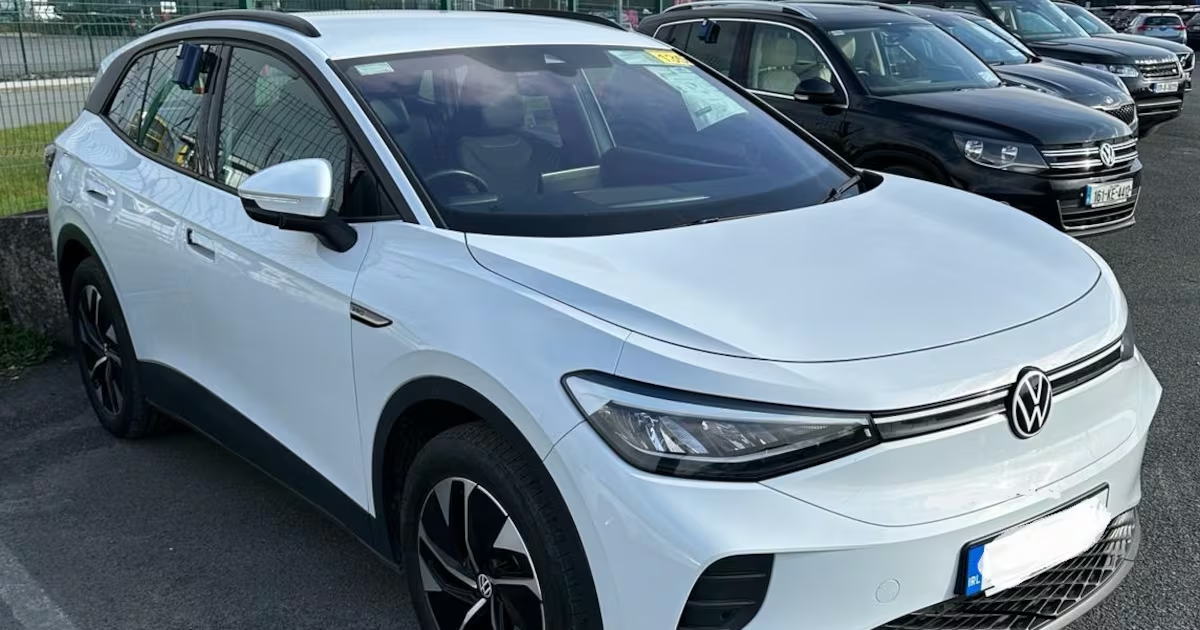
Car dealers sold more new models last month than they have in any May since the pandemic, and demand is being driven by electrified vehicles as deliveries of traditional petrol and diesel models go into reverse.Car registrations rose by 7.1 per cent to 160,622 units - the most recorded since May 2019.And it was a surge in electric vehicles that underpinned the increase, with orders up 34.2 per cent on May 2025.As such, EVs accounted for 27.3 per cent of cars entering our roads last month.Hybrid demand also grew by 12 per cent year-on-year, largely propelled by the availability of affordable new models from China.This swell of electrified car sales offset a 7.1 per cent dip in petrol car registrations and a 2.2 per cent fall in diesel sales last month, as motorists shifted away from conventional fuel types.While petrol remains the dominant force - representing more than two in five registrations - the ongoing decline in diesel means they now account for fewer than one in 20 new models purchased. This is a dramatic drop from the 50 per cent market share diesel held a little over a decade ago.Ginny Buckley, CEO of EV website Electrifying.com, said the latest figures 'should finally put to bed the old chestnut that drivers don't want electric cars'. The arrival of new - cheaper - electric and hybrid vehicles from China is accelerating the shift away from sales of petrol and diesel cars, latest industry figures released on Thursday show The upswell of EV and hybrid sales saw May registrations hit their highest on record since the pandemic, the SMMT saidThe Society of Motor Manufacturers and Traders (SMMT) says the uplift in car sales has been backed by a resurgence in private buyers.Sales to motorists via showrooms grew by 17.2 per cent in May, buoyed by 'increasingly competitive offers from an unprecedented range of brands and a 6.4 per cent increase in model choice'.The data points to an increasing appetite for Chinese brands specialising in hybrid and electric cars, which in the last 24 months have arrived in the UK en masse with prices that undercut mainstream rivals.The SMMT says deliveries of EVs to private buyers have grown by 25.6 per cent in 2026, compared with the opening five months of last year, largely due to the availability of more affordable Chinese options.This too is reflected in the manufacturer sales charts.While legacy makers topped the order in May - with VW out front ahead of Audi, Kia, BMW and Vauxhall - Chinese-owned MG was the sixth most popular brand.With 7,463 sales last month, MG even overtook US giant Ford, which recorded a 19 per cent decline in registrations to just 6,911 units.Chinese brands Jaecoo and BYD also climbed the rankings, outselling the likes of Mini, Peugeot, Land Rover and Volvo thanks to their impressive ranges of plug-in hybrid and electric models respectively.The Jaecoo 7 - now widely dubbed the 'Temu Range Rover' for its similar looks at roughly half the price of a UK-made luxury SUV - was the fourth best-selling model last month, behind only the Ford Puma, Kia Sportage and Vauxhall Corsa.Jaecoo says the vast majority of orders for the 7 SUV are placed by private buyers visiting its dealerships. Despite the rise in demand for EVs, Tesla slipped down the rankings with just 2,934 sales as Elon Musk's car firm's fortunes in Britain continue to waver.Tesla sales were even surpassed by Chery - the Chinese newcomer that entered the UK market just a year ago and yesterday confirmed it is in talks with Nissan to produce cars at the Sunderland factory in the North East. The Jaecoo 7 - now widely dubbed the ' Temu Range Rover' for its similar looks at roughly half the price of a UK-made luxury SUV - was the fourth best-selling model last month TOP 30 BEST-SELLING CAR BRANDS IN MAY BRAND SALES MARKET SHARE % INCREASE/DECREASE VS MAY 2025 Volkswagen 14,110 8.78% 4.04% Audi 9,098 5.66% 12.45% Kia 8,955 5.57% 4.38% BMW 8,503 5.29% -8.83% Vauxhall 7,675 4.78% 9.39% MG 7,463 4.65% 12.65% Ford 6,911 4.30% -18.59% Skoda 6,621 4.12% -10.94% Mercedes 6,552 4.08% -7.54% Toyota 6,187 3.85% -4.54% Hyundai 6,077 3.78% -16.28% Renault 5,646 3.51% 8.24% Jaecoo 5,207 3.24% 210.13% BYD 5,157 3.21% 70.48% Mini 5,151 3.21% 78.67% Peugeot 5,114 3.18% -16.89% Land Rover 4,934 3.07% 6.27% Volvo 4,918 3.06% -0.32% Nissan 4,832 3.01% -29.81% Cupra 3,484 2.17% 14.72% Chery 3,166 1.97% 0.00% Tesla 2,934 1.83% 45.54% Omoda 2,754 1.71% 84.58% Citroen 2,084 1.30% 60.06% Dacia 2,048 1.27% -5.14% Suzuki 1,656 1.03% 45.01% Porsche 1,539 0.96% 10.88% Seat 1,412 0.88% -23.55% Polestar 1,305 0.81% 11.16% Mazda 1,276 0.79% -51.68% Source: SMMT*brands in bold = Chinese newcomers that have arrived in the last 3 years ‘Gradual shift in consumer demand’ towards EVsThe SMMT says the 'gradual shift in consumer demand for new technologies continues to reshape the market', with electric car sales bolstered by a combination of 'substantial manufacturer discounting' and the Government's Electric Car Grant.Experts say increased appetite for EVs is also being driven by concerns about soaring fuel costs, as conflict in the Middle East continues to cause price fluctuations.Jamie Hamilton, automotive partner and head of electric vehicles at Deloitte, said: 'The number of consumers expecting fuel prices to be higher next month remains well above the long-term average, with three quarters anticipating a rise in costs compared with half just two months ago.'This will continue to influence consumer purchasing decisions, whether it’s the affordability of petrol and diesel vehicles or the attractiveness of going all-electric.'Despite the rise in EV sales, registrations are still short of mandated Government targets.The Zero Emission Vehicle (ZEV) mandate requires manufacturers to increase their share of electric car sales to 33 per cent by the end of this year.But even after an impressive May, EV registrations for the year to date account for just 23.9 per cent of the market.That said, car makers will also receive ZEV credits for CO2 emissions reductions across their vehicle ranges and for increased hybrid sales. As such, most brands should be on track to meet the binding targets.Mike Hawes, SMMT chief executive, said: 'Britain’s car buyers are responding to a market offering more choice than ever, from both new and familiar brands, resulting in a robust May.'The EV transition is progressing, but consumer uptake still lags behind even today’s targets, let alone the ambition set out in the latest Carbon Budget.'While industry shares the long-term ambition, the pathway to Net Zero must be credible. It cannot come at the cost of lost competitiveness and deindustrialisation.'A review of the transition is now urgent to ensure ambition matches market realities and we have a sustainable path to road transport decarbonisation.'Commentators within the EV sector disagreed with Hawes' view.Gurjeet Grewal, CEO of Octopus Electric Vehicles, said: 'Month after month, the UK is proving that the ZEV mandate isn't a stretch target - it's a reality.'Driven by growing consumer demand, the conversation has moved from "can we get there?" to "how much further can we go?"'Tanya Sinclair, CEO of Electric Vehicles UK, added: 'Why are we told that the public isn't ready and the demand isn't there? Twenty-seven per cent says otherwise.'This is the mainstream choosing electric on its own terms, because it's cheaper to run and better to own.'Instead of scare-mongering about readiness, let's ensure supply, charging and policy keep pace with a market that's going electric at speed.' CARS & MOTORING: ON TEST
Over a quarter of new cars sales are EVs as market shift accelerates
Orders for electric cars rose by 34.2% to reach almost 44,000 deliveries last month, official data shows. Experts say it should 'finally put to bed the old chestnut that drivers don't want EVs'.
1,240 words~6 min read