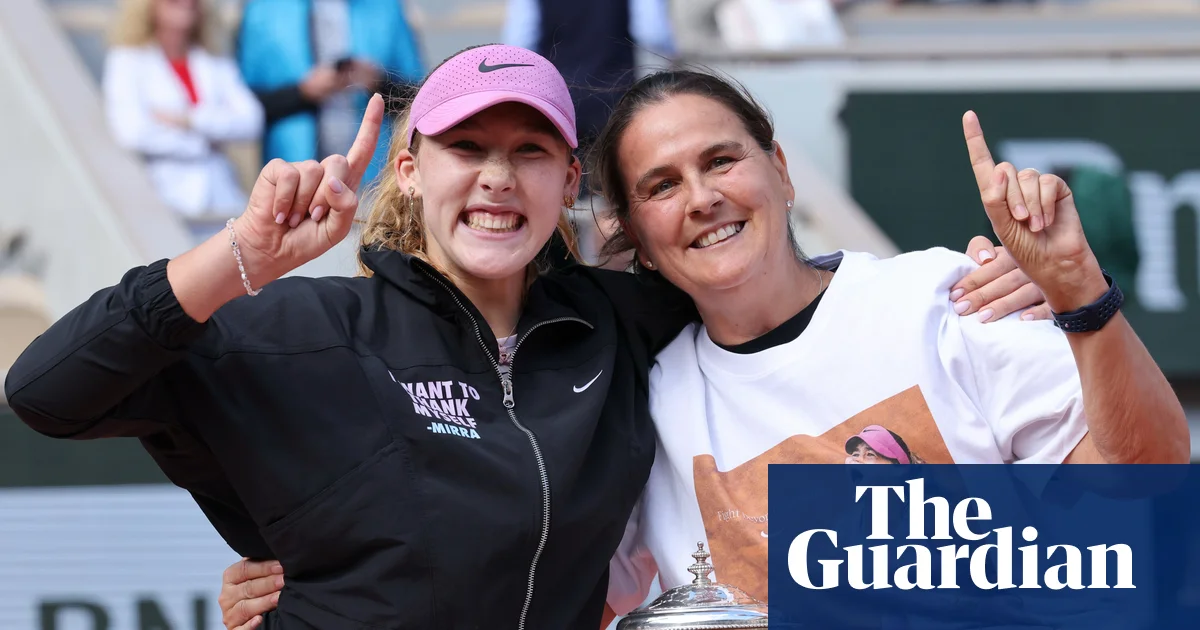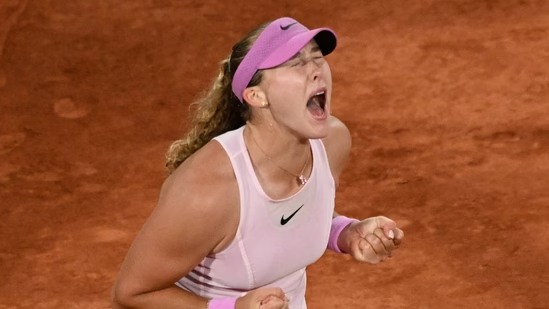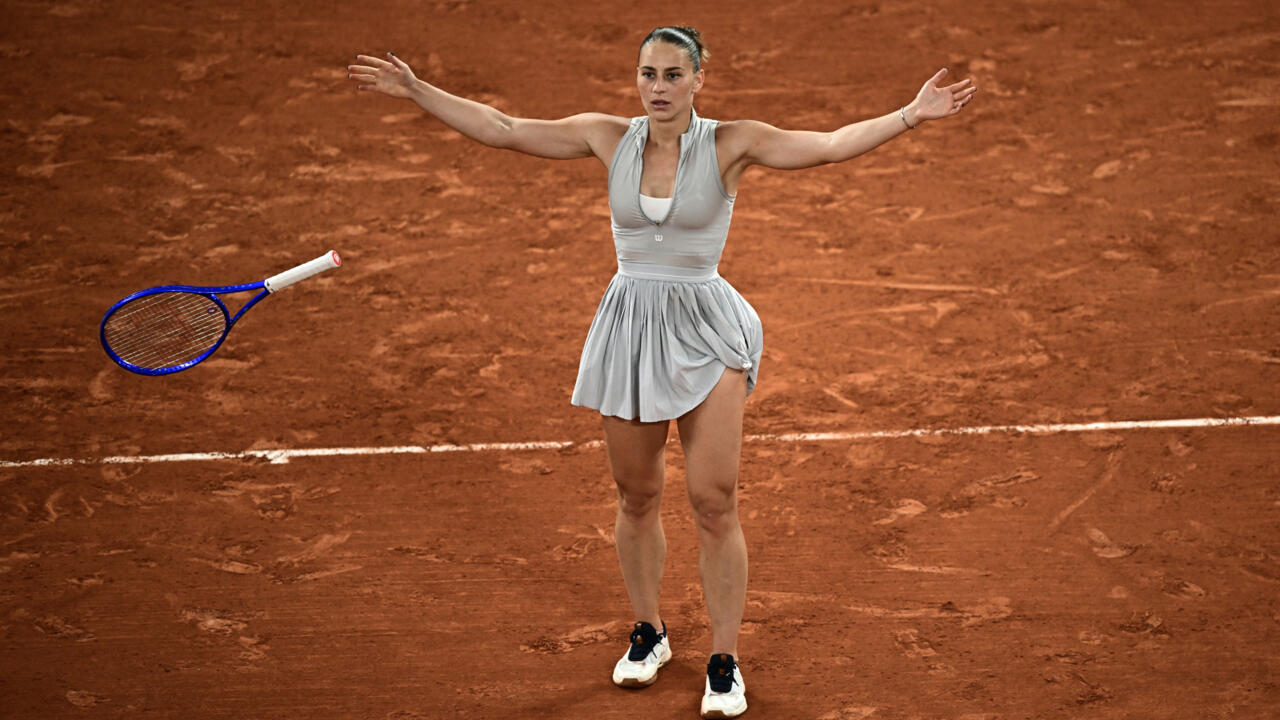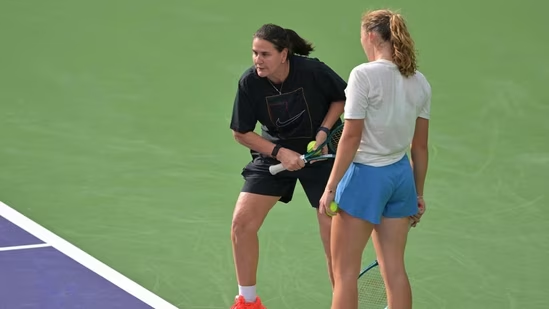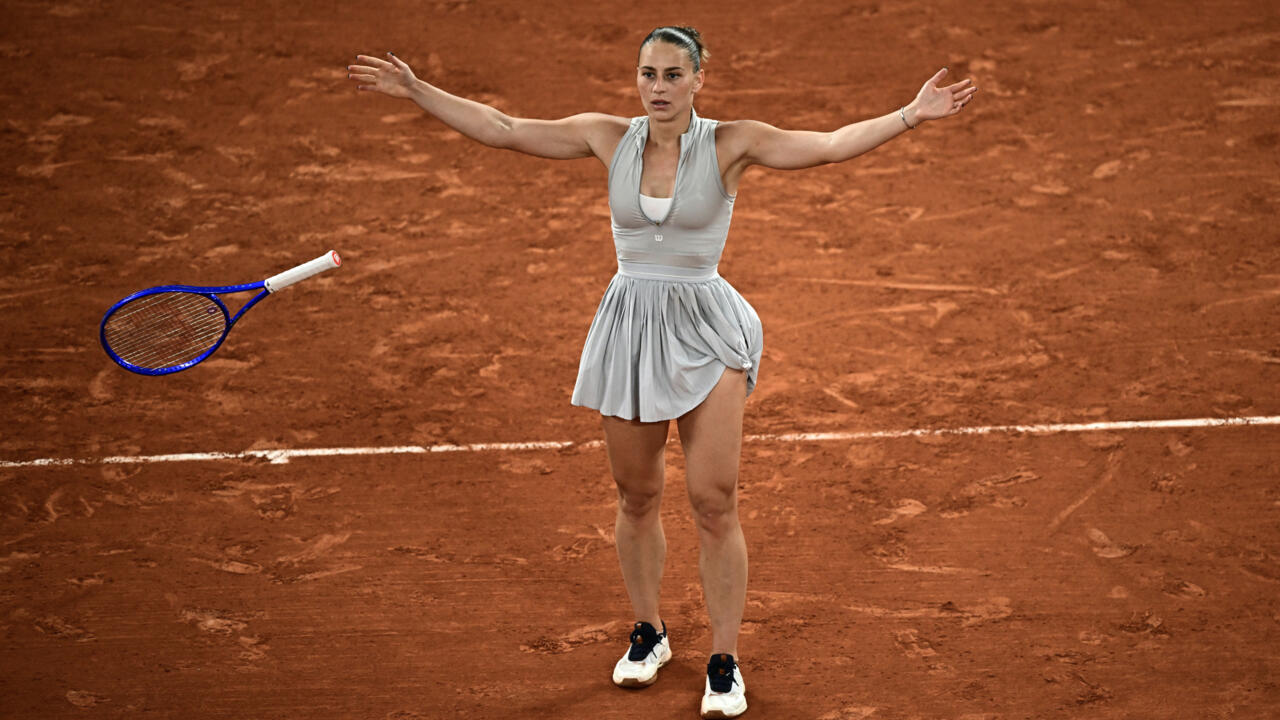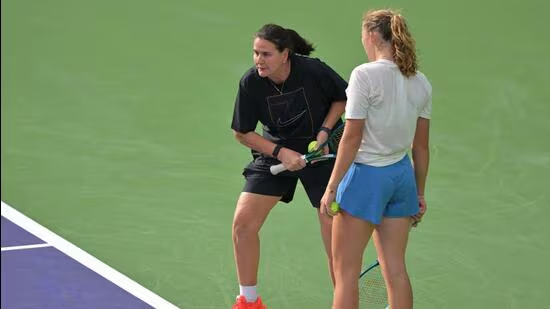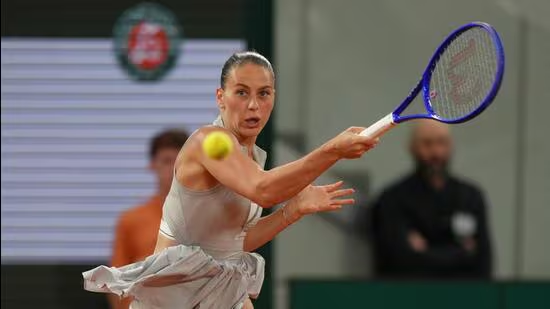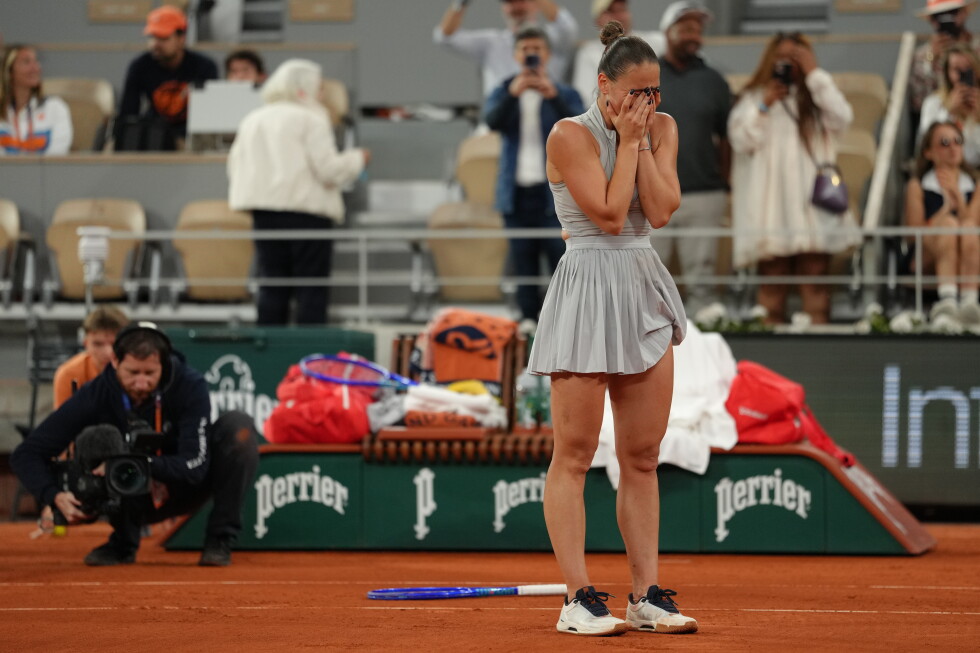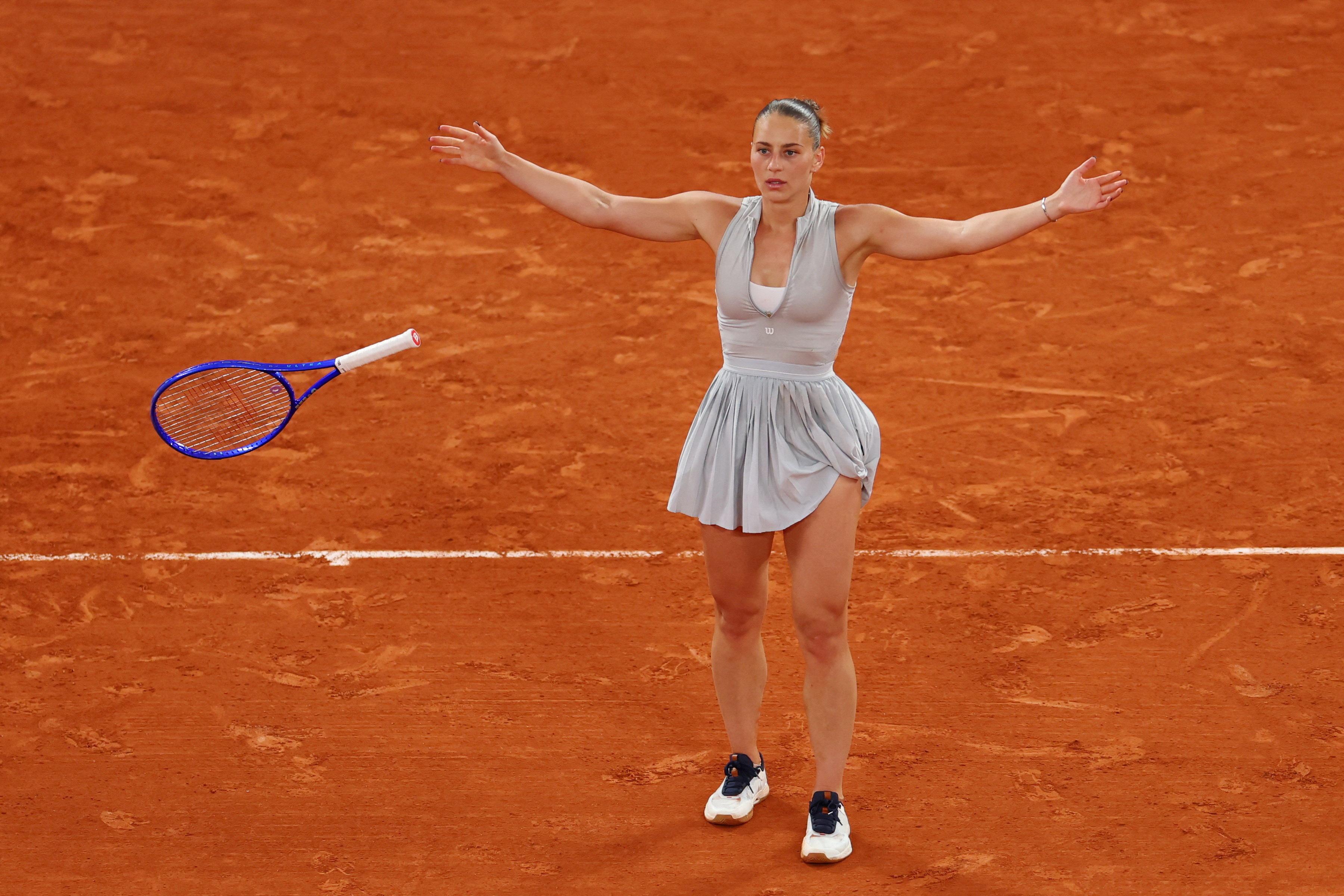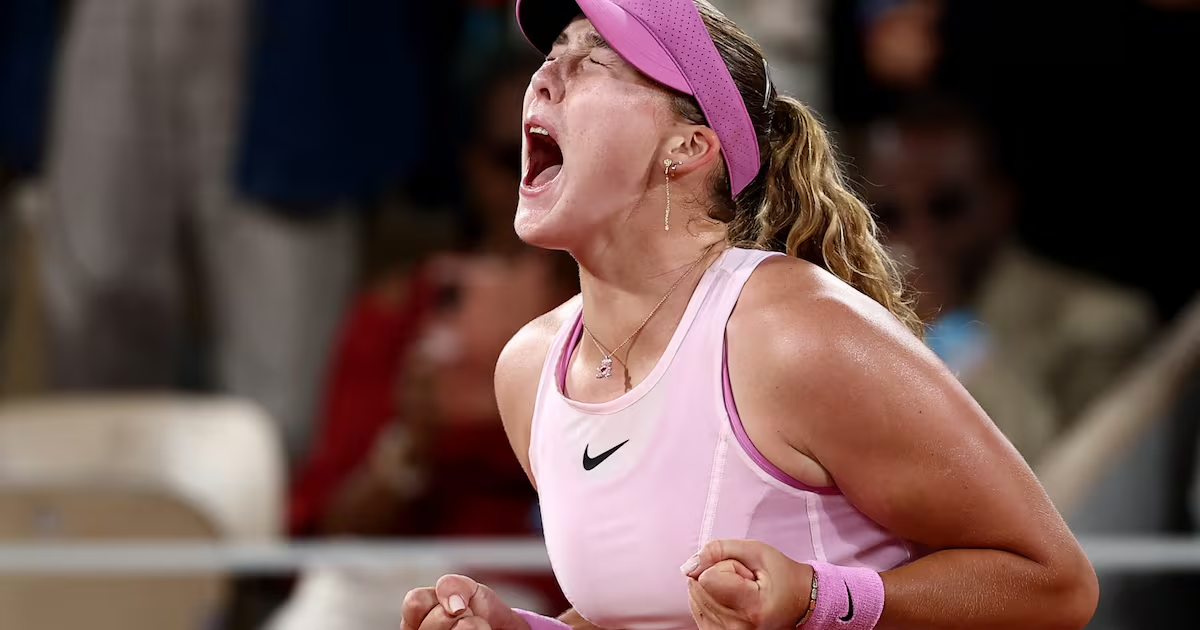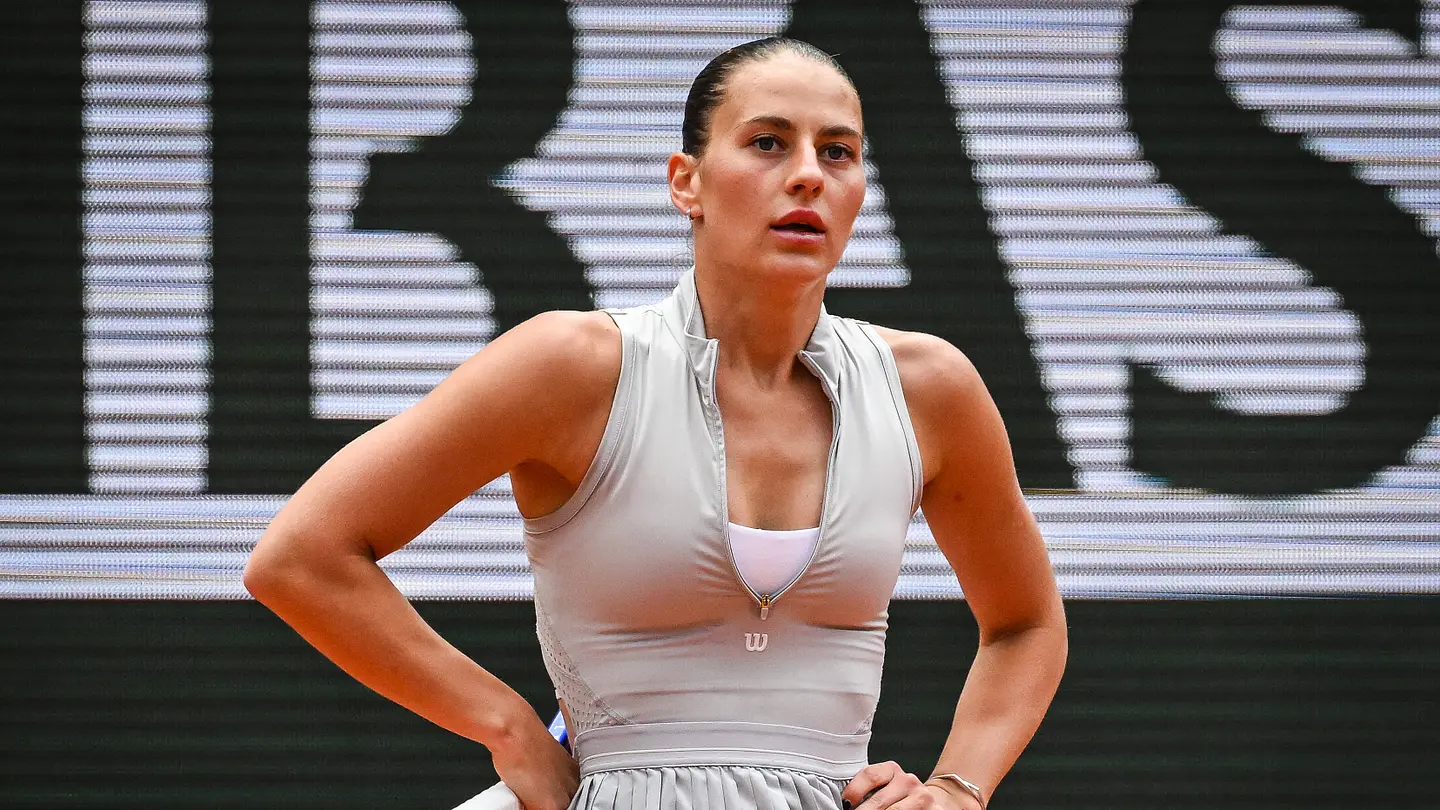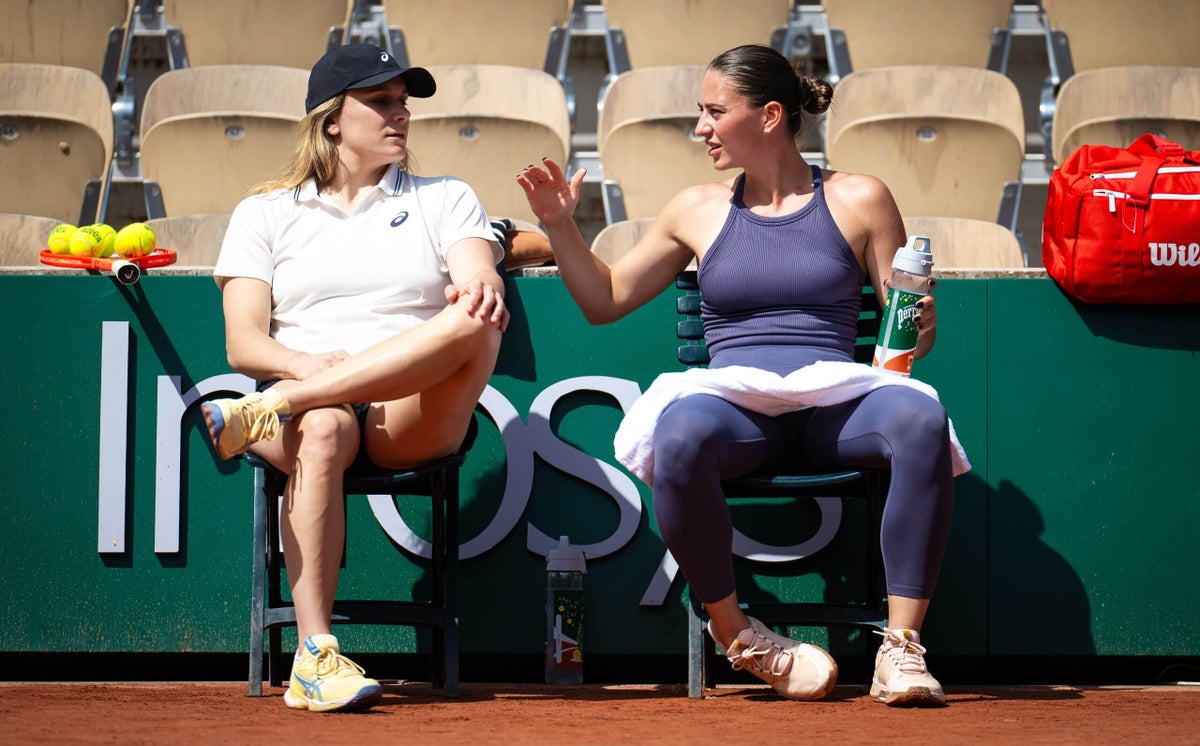
PARIS — No matter who wins Thursday’s French Open semifinal between Marta Kostyuk of Ukraine and Mirra Andreeva of Russia, something very rare is going to happen two days later.A tennis player coached by a woman is going to play in a Grand Slam final.Kostyuk’s coach, Sandra Zaniewska, and Andreeva’s, Conchita Martínez, are rare figures, with just a handful of female coaches at the highest level of the sport. The job requires being on the road for 20, 30 or perhaps 40 weeks a year. That doesn’t make for a particularly family-friendly work environment, which Zaniewska, and other established coaches, said is biggest obstacle to bringing more women into the ranks.“I imagine that if I had a family and kids, I would not be here at all,” Zaniewska, 34, said during an interview in 2024. “I wouldn’t even want to be here. So I understand.”The similarities between Zaniewska and Martínez mostly end with gender.Zaniewska is 20 years younger than Martínez. Martínez was a top-10 player as a teenager who became a Wimbledon champion; Zaniewska never rose above No. 142 in the world rankings. Martínez hails from Spain, one of the world’s established tennis nations; Zaniewska comes from Poland, which until Iga Świątek, had never produced a Grand Slam champion.When Kostyuk hired Zaniewska, her main experience coaching on the WTA Tour was with Alizé Cornet, the French player with a penchant for slaying top-10 stars at Grand Slams. Zaniewska spent time as the head of sports performance at the Mouratoglou academy in France, named for Patrick Mouratoglou, the celebrity coach of Serena Williams, Naomi Osaka and more. She established a solid reputation among players who came through there. But that was the bulk of her experience, not as a tour-level coach.Martínez was never going to do anything outside of tennis. She was part of the fabric of the sport. Before Andreeva, Martínez had coached Spain’s great Davis Cup team, which is a men’s team, the rarest of rare things for a woman in tennis, as well as Garbiñe Muguruza, a two-time Grand Slam champion.Martínez is coaching royalty. She’s just never had much female company on the tour.Zaniewska figured she was done with tennis when she retired in 2017. She never wanted to coach. A little under a year later, her friend, Croatia’s Petra Martić, asked her to help coach her for a couple months. It turned into two years and Zaniewska hasn’t stopped, coachng Cornet and starting to work with Kostyuk, 23, in 2023.Zaniewska has a Substack, where she posts her essays on tennis and coaching and life and philosophy and Kostyuk.A recent one was called “The Useful Lie: On belief, memory, and the strange relationship athletes have with reality.” Another was called “The Unseen Court: The Illusion of Suddenly.”Martinez speaks sparingly with the public, not wanting to share too much information about Andreeva with rivals. In interviews, there are plenty of smiles and laughs that come with the same unsaid message: Good question, but I’m not going to answer it.Kostyuk had been coached by her mother and needed a big-sister-like figure to take on the role, someone who accepts all of her unconditionally and without the baggage of familial ties and mother-daughter relationships.Zaniewska asked a lot of questions. Why tennis? What does she want to achieve? What are her dreams? Why does she think she can achieve them? What was she looking for in a coach? What does she feel she needs from a coach? Why had some of the previous partnerships with coaches not worked out?“Just really to get as broad of a picture as possible,” she said.Then came a trial week in Monaco. Kostyuk was a mess, crying on the court. Zaniewska didn’t care. She wanted Kostyuk to let it out.“She let me be who I am. I was feeling very, very comfortable,” Kostyuk said in a news conference after her quarterfinal win over Elina Svitolina. “I think, probably for the first time in my life that I felt comfortable with the coach. Like, truly as a human, you know? Not as a tennis player.”The losses piled up over the next few months. Would they dump each other because there was so little winning? Both thought the other one might drop them. Kostyuk, though, knew she had found her person. “It’s just more relatable,” she said of Zaniewska during an interview in 2024. Two years on, ahead of her first major semifinal, she remembered thinking, “I know it’s going to work out, because we are great together.”Andreeva had been coached by mostly male professionals through her childhood years, as her ever-present tennis mom, Raisa, moved her and her sister from Siberia to Sochi to France as she tried to raise champions. She was wildly talented but young in every way, as 16-year-olds are.Conchita Martinez and Mirra Andreeva’s partnership has accelerated her rise up the tennis ladder. (Robert Prange / Getty Images)Her management team connected her with Martinez in early 2024. She was a little wary. She knew what teenagers could be like. She wasn’t sure how hard Andreeva wanted to work or if she would listen to her.Then she spent a little time on the practice court. Andreeva worked very hard and could be harder on herself than Martinez was on her. Martinez preached patience. Build an arsenal of skills one by one.Andreeva wanted everything all at once. A student of tennis history, she pulled up videos on the internet of Martinez’s old matches. She studied them, and when Maritnez spoke, she listened, mostly, then put her own Gen-Z spin on Gen-X wisdom, like Anne Hathaway taking princess lessons from Julie Andrews in “The Princess Diaries.”Zaniewska and Martinez’s approach to getting the best out of a common trait in their players also diverges. Zaniewska saw Kostyuk’s emotional swings on the court and didn’t mind them.“I always tell her that I doubt that she’s going to be a player that’s not going to express anything, you know. If you’re going to stop expressing your frustration, then you’re also going to stop to stop encouraging yourself. You’re just going to go entirely flat,” she said.“It’s how she is, it’s who she is as a person, and I think that can be an incredible quality if used in the right way.”Martinez saw Andreeva’s emotional outbursts on court and preached control. Petulance helps no one. It leads to poor decisions. Martinez, a teen phenom herself, has experience of the specific pressures that come with the status. With the benefit of experience, she has arrived at a simple solution: Guiding Andreeva to stop acting like a brat when the emotions are going the wrong way“I think what is making her so successful, at the moment because she’s not making, like, a lot of stupid decisions on the court.” she said during an interview in March last year, as Andreeva made her title run to the BNP Paribas Open at Indian Wells. “Having the good choices, waiting for the right ball to do something, really holding her ground and, being able to compete.“It’s the good choices where to hit and why you hit there, you know, I want her to really be aware why, and I think she’s getting it.”Neither Martinez nor Zaniewska says too much during a tennis match. Zaniewska respond to Kostyuk’s questions but generally does not insert herself into the match.Martinez watches stoically, especially when Andreeva goes on one of her tirades. And when Andreeva hits one of her crazily creative shots and turns to Martinez for praise, she is met with a smile, and maybe some clapping. Then it’s on to the next point.Martinez is right for Andreeeva. Zaniewska is right for Kostyuk. And now they have a Grand Slam semifinal to play.
Marta Kostyuk vs. Mirra Andreeva: Two female tennis coaches and one Grand Slam semifinal
Sandra Zaniewska and Conchita Martinez have used divergent approaches to help their players be their best selves in their careers.
1,283 words~6 min read