Banking jobs in Kenya and, by extension, most African markets have carried a certain social prestige thanks to stable salaries, pension plans, and confidence in a sector that seems too important to shrink.
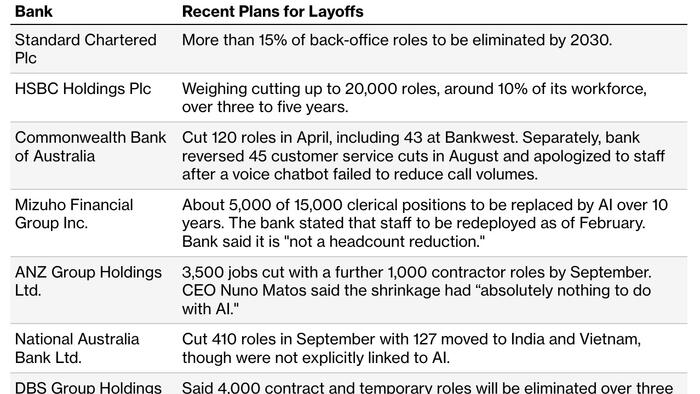
But the proliferation of artificial intelligence (AI) is threatening to rewrite this promise. Looking at a bank like Standard Chartered Kenya (StanChart), the numbers tell a big story before its executives do.
In 2013, StaChart had over 2,200 employees. At the time, the bank operated a large branch network, sizable operational teams, several middle-management roles, and thousands of employees handling most processes manually—from onboarding customers and processing paperwork to compliance reviews and reconciliations.
By the end of 2025, its workforce fell below 1,000 employees for the first time in history.
These shifts at Stanchart signal re-pricing of labour inside Africa’s banking sector. The work that used to justify thousands of entry- and mid-level roles is now being done by systems that are cheaper and involve far fewer people.