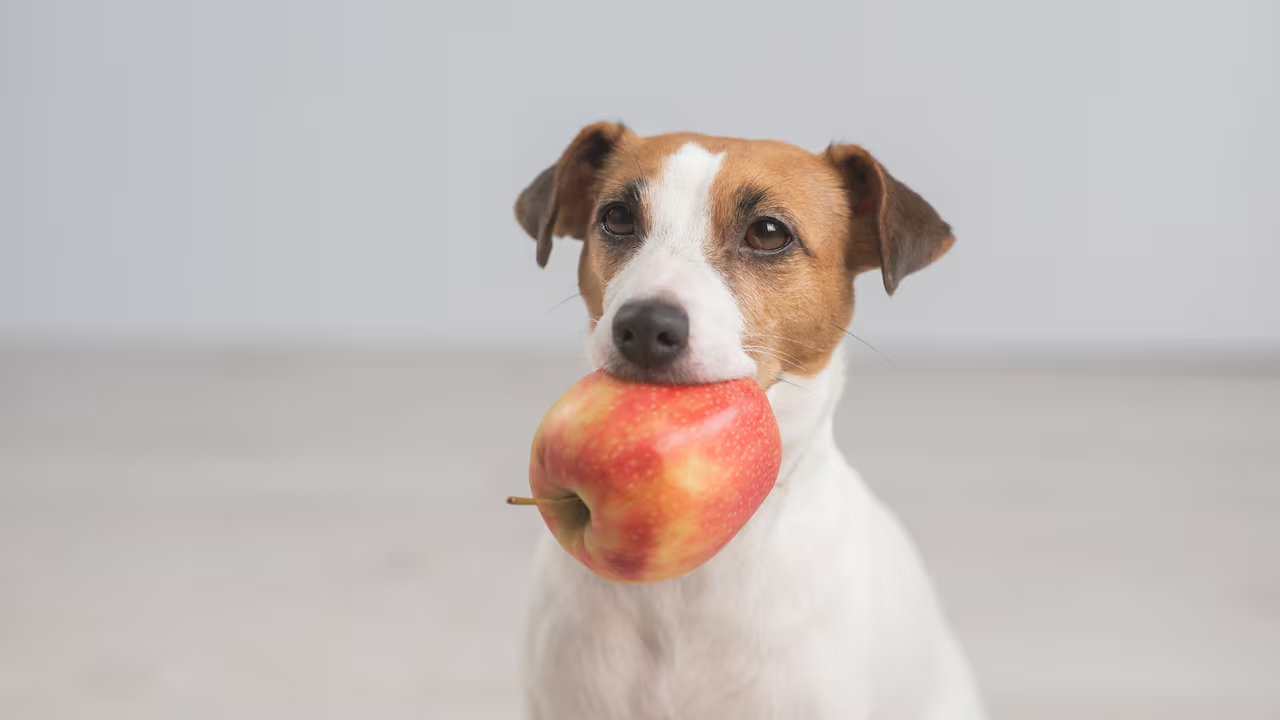
Blue Cross issued a warning for animal lovers who feed fruit and vegetables to their pets10:22, 04 Jun 2026Updated 10:23, 04 Jun 2026Animal lovers have been warned to be careful when feeding their pets. While many dogs enjoy eating fruit and vegetables - and there are lots of healthy options for pets - not all food is safe for animals.Blue Cross has issued an alert to dog owners, raising awareness of the fruit and veg that could pose a risk to pets. Posting on Facebook, the animal welfare charity shared a reminder for owners. The guidance explained which foods can be enjoyed in moderation, and which are best avoided.The charity said: "Not all fruit and veg are safe for dogs. Some make healthy, occasional treats, while others can be dangerous, even in small amounts."Blue Cross's post explained that dogs can eat blueberries, bananas, apples, carrots, peas, cabbage, cooked potatoes, and cooked sweet potatoes. However, dogs cannot eat tomato leaves, leeks, grapes, raisins, onions, wild mushrooms, garlic, avocado, or macadamia nuts.The charity shares a comprehensive food safety list on its website, detailing which fruit and vegetables are safe for pets. However, fruit and veg should only make up a small part of a dog's diet.Blue Cross says: "While fruit and vegetables are a good source of vitamins, minerals and fibre, they should only make up a small amount of your dog’s daily diet. If you are unsure about how many fruits and vegetables your dog should eat, speak to your vet."Thankfully, the charity also has a webpage answering feeding FAQs. Blue Cross tells owners: "How much you should feed your dog depends on their breed, age and size."The guidance on the packet should tell you how much to feed your dog based on this information. It may be useful to weigh out your dog's food to make sure you are not feeding too much or too little.The guidance adds that treats should be enjoyed in moderation. The charity explains: "All dogs enjoy treats, but all treats contain calories. This means you need to think about how many, and what type of treats you give when deciding how much to feed your dog."If your dog has more treats than normal one day, reduce the amount of food given that day to compensate. Low calorie treats are available, which are useful for dogs who are prone to weight gain or may be on a diet.Article continues below"You can also make your dog work a little harder for treats by using a treat ball, or giving treats only as part of a play or training exercise."
Warning for pet owners who feed their dogs fruit and vegetables
Blue Cross issued a warning for animal lovers who feed fruit and vegetables to their pets
432 words~2 min read