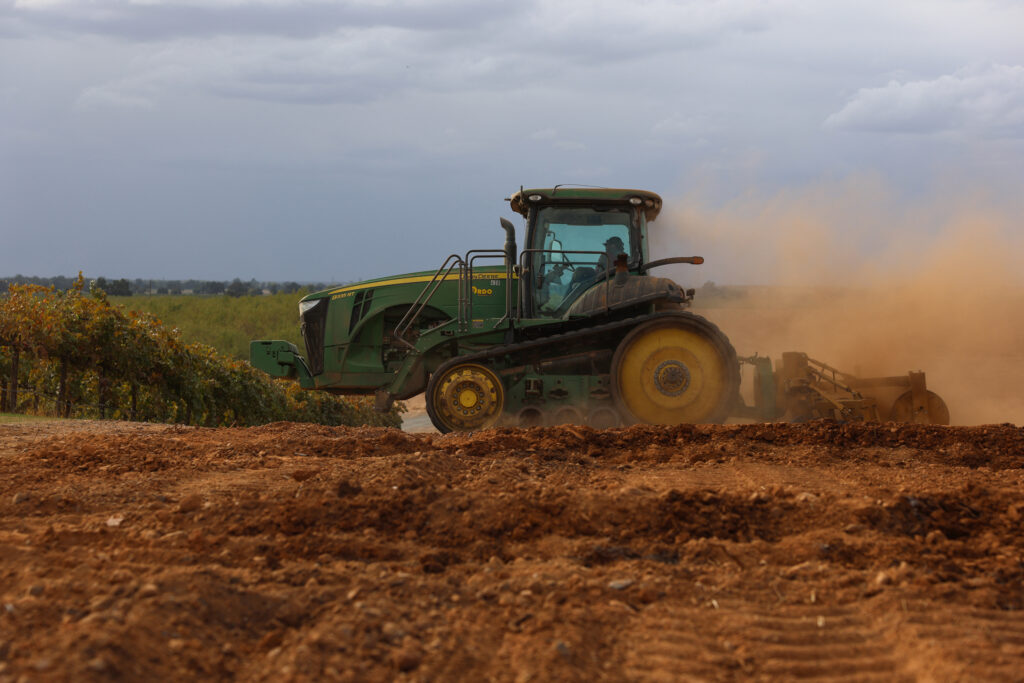
California regulators passed a rule in January 2024 that they said would protect communities from one of the state’s most popular, and dangerous, pesticides.
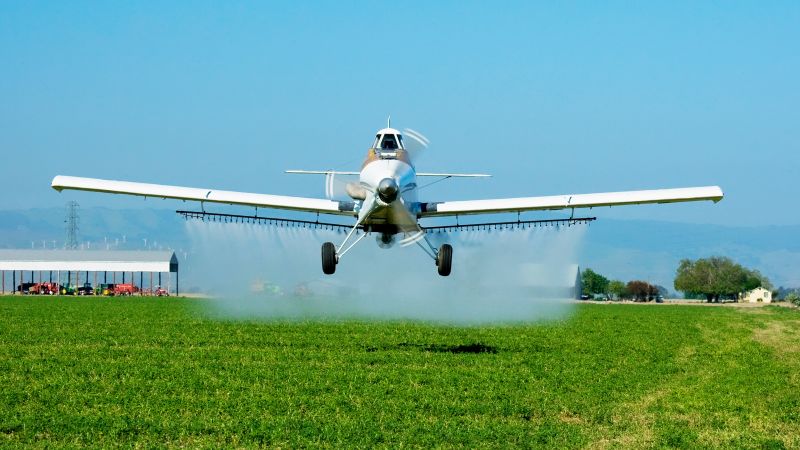
For decades, they knew that 1,3-dichloropropane, or 1,3-D, causes tumors in multiple organs in laboratory animals, which led the state to flag it as a carcinogen in 1989. Yet regulators allowed growers to fumigate fields with large volumes of 1,3-D to kill anything living in the soil before planting strawberries, almonds, grapes and other billion-dollar crops.
But now, a year after regulators implemented a rule they said would reduce cancer risk by decreasing the amount of 1,3-D in the air, applications of the highly volatile compound have spiked, state records show.
Growers applied a million more pounds of 1,3-D last year than they did in either 2023, before regulators enacted the “residential bystander” rule, or in 2024, after they implemented it.
Increases were highest in Kern and San Joaquin counties, where it was used mostly on almond and grape plantings. Notably, the “adjusted total pounds”—which accounts for different application methods, weather conditions and other factors that affect how much of the volatile pesticide escapes into the air—nearly doubled in both counties and increased by almost 20 percent statewide.