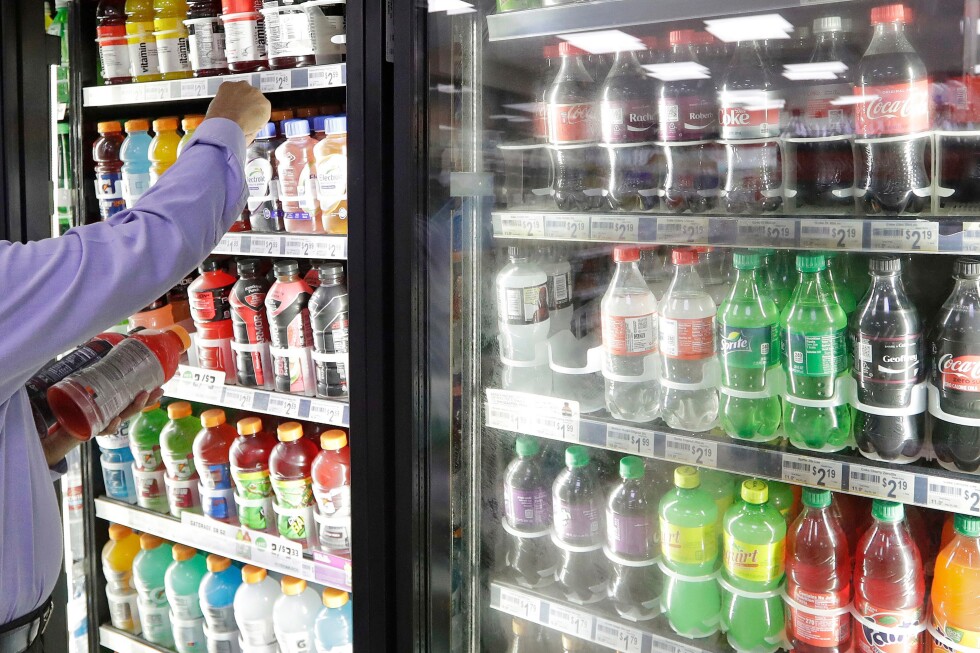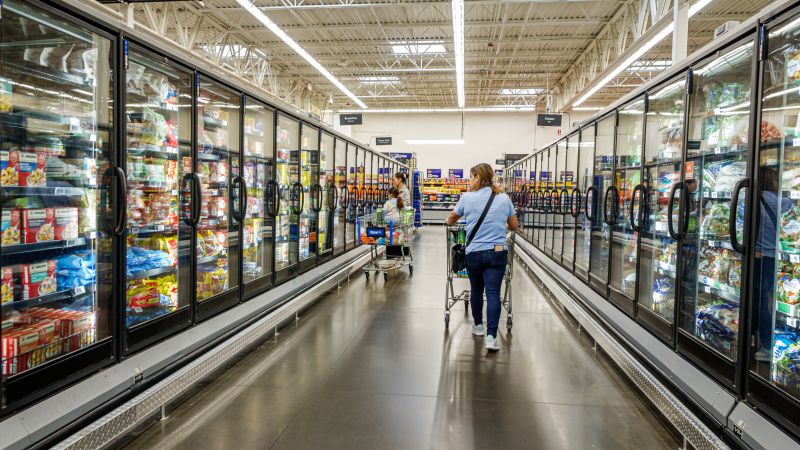
Nearly six years ago, during Donald Trump’s first term in the White House, the president signed a piece of bipartisan legislation introduced to phase out the rampant use of hydrofluorocarbons, or HFCs, which are potent greenhouse gases commonly used in commercial cooling equipment in grocery stores and air-conditioning systems.
At the time, he praised the American Innovation and Manufacturing Act, created in line with an international agreement to tamp down widespread use of the “super pollutant,” as something that would benefit U.S. manufacturers working to produce alternative and less environmentally harmful refrigerants. The Environmental Protection Agency would then spend the next four years under former President Joe Biden working to implement a series of rules to help enforce the law, which set the goal of phasing out production and use of the pollutants by 85 percent by 2036.
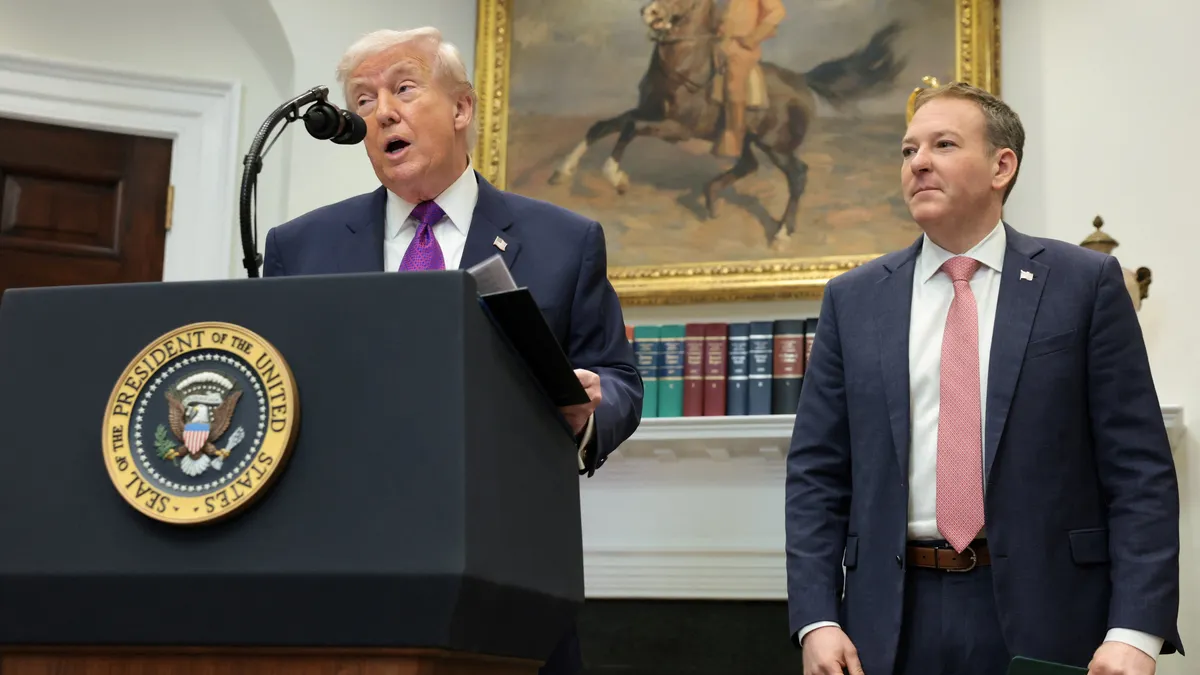
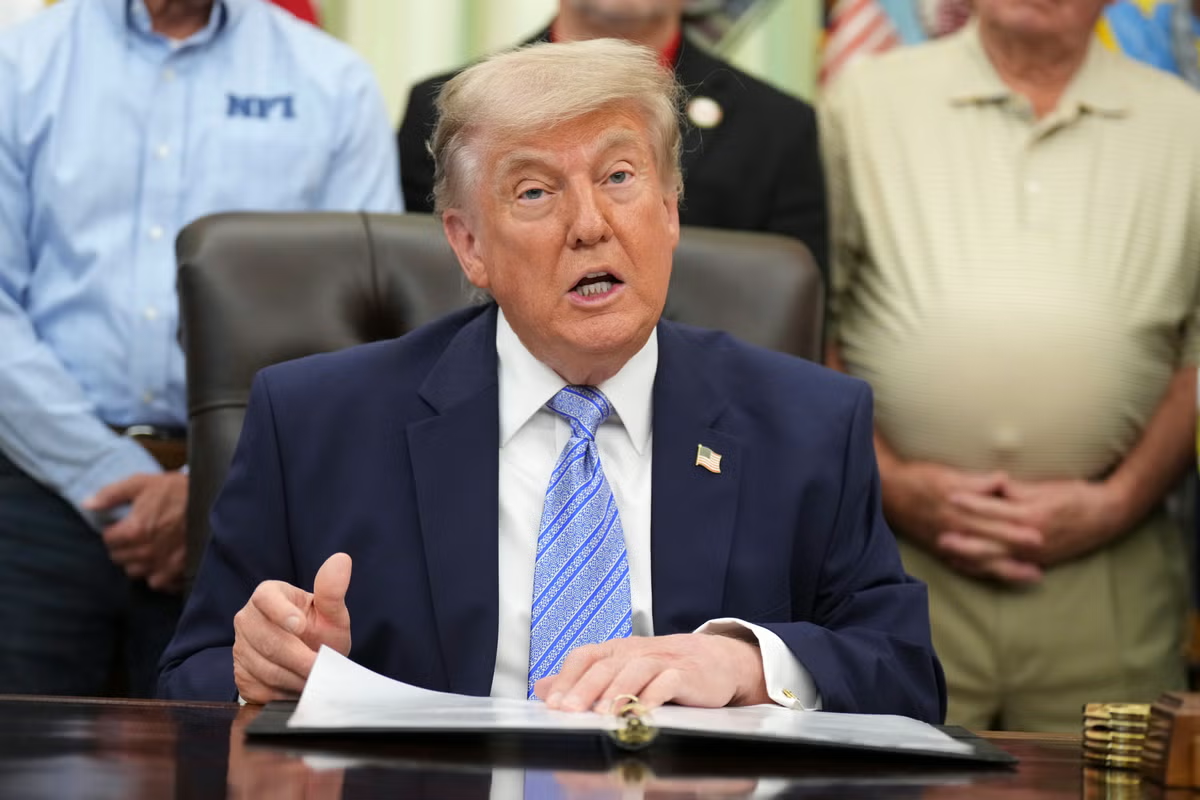
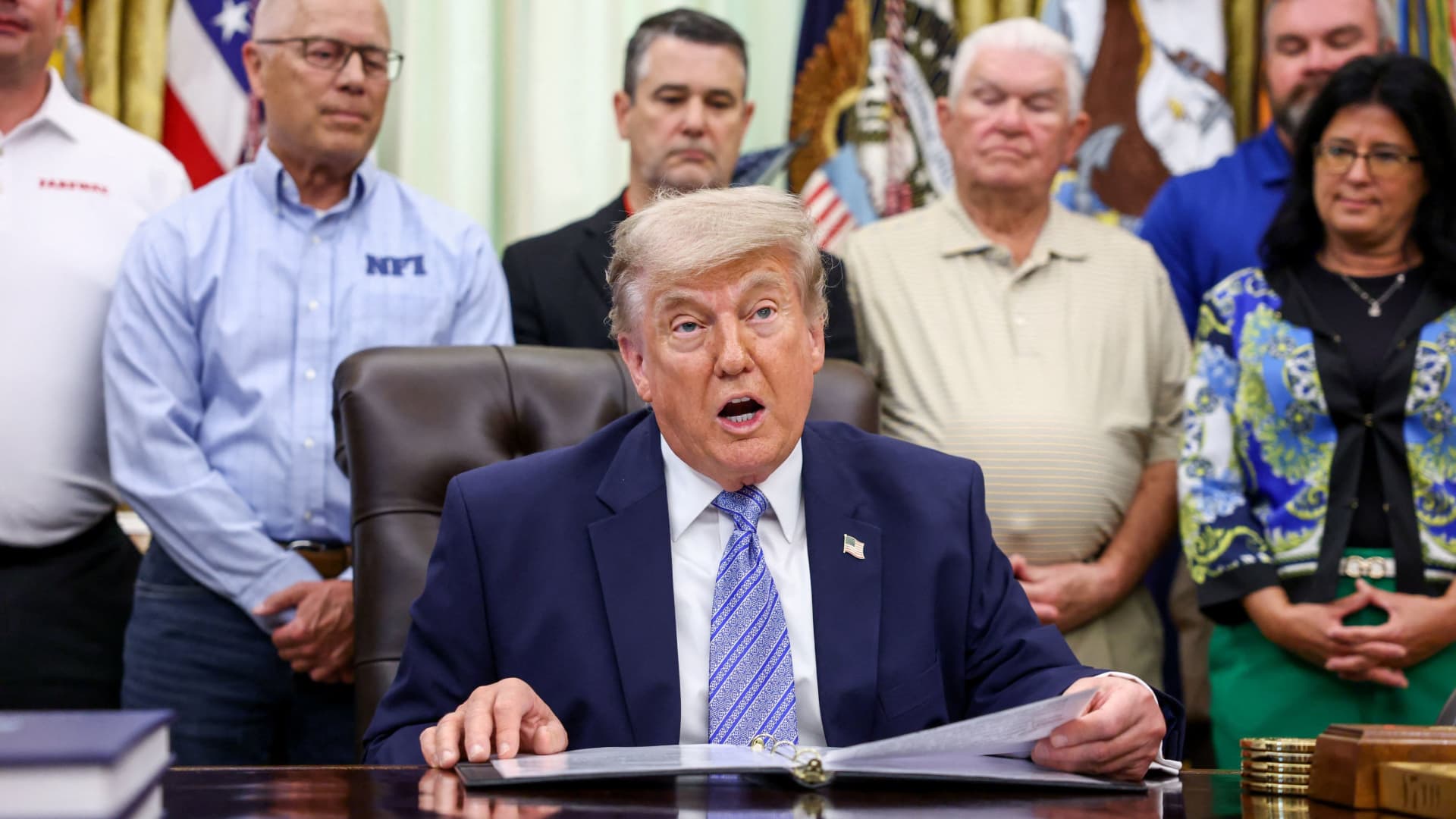
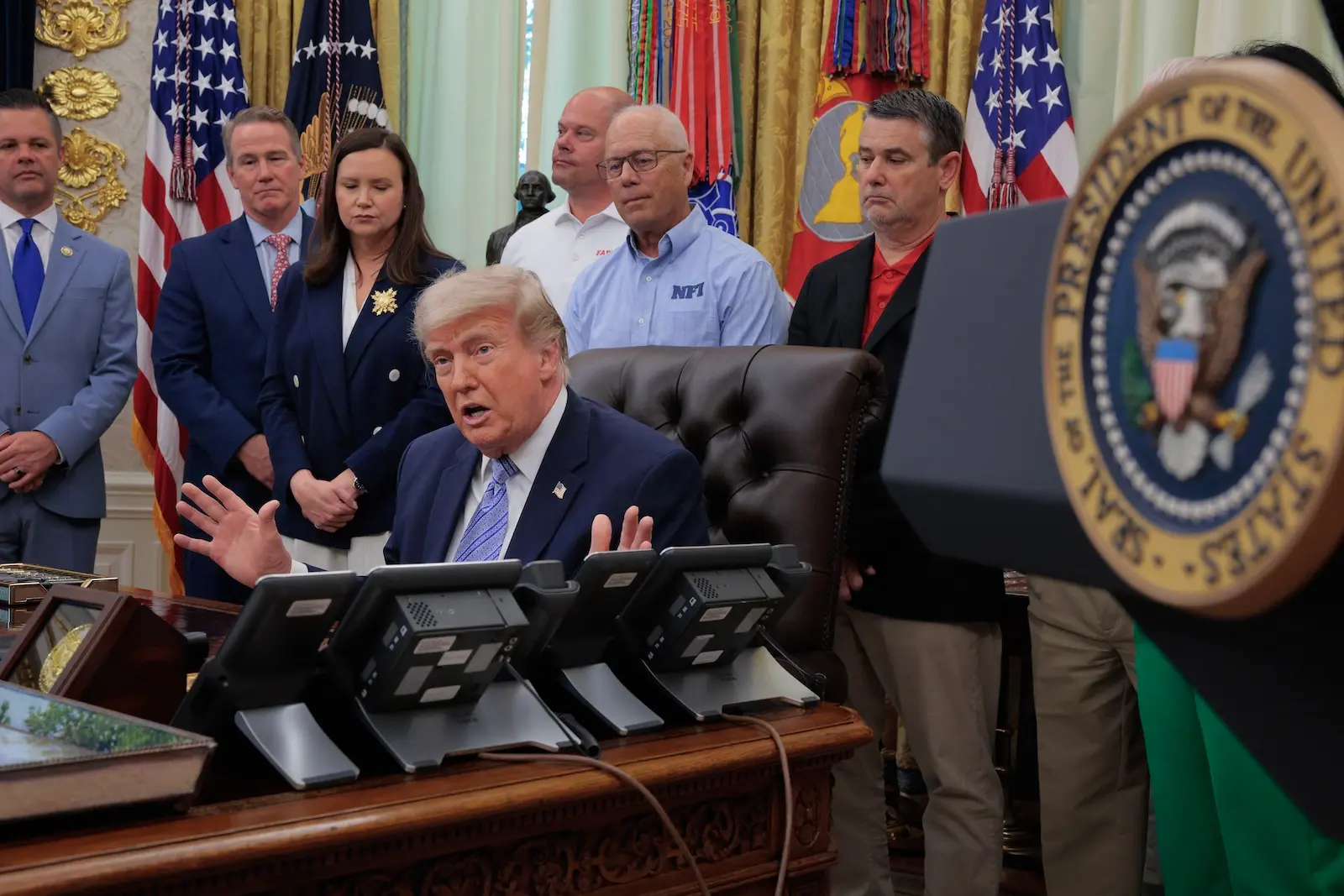
Now, Trump has reversed his position. At a White House press conference last month, he announced the administration would be loosening two of the EPA’s refrigerant rules, delaying the deadline required for grocery stores and air-conditioning companies to begin reducing their use of hydrofluorocarbons, and exempting transport companies from repairing HFC leaks in refrigeration equipment.