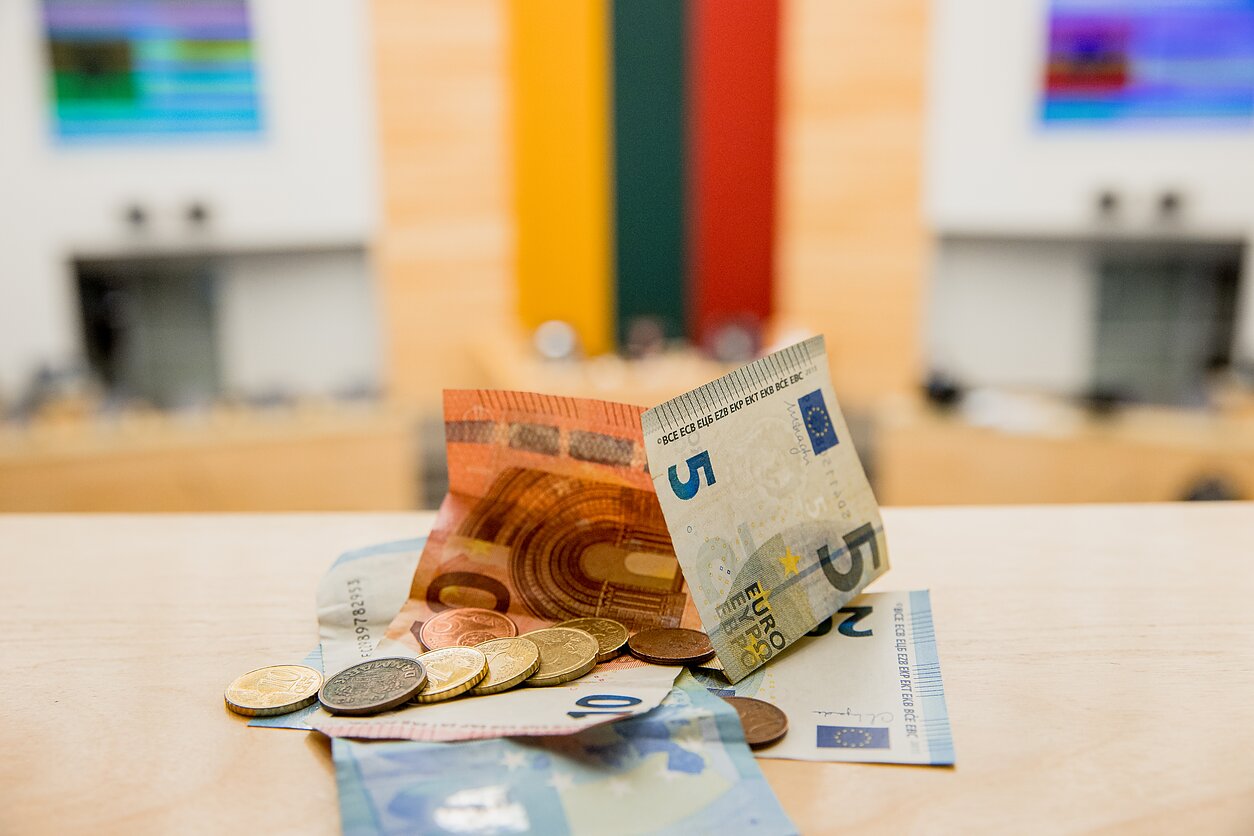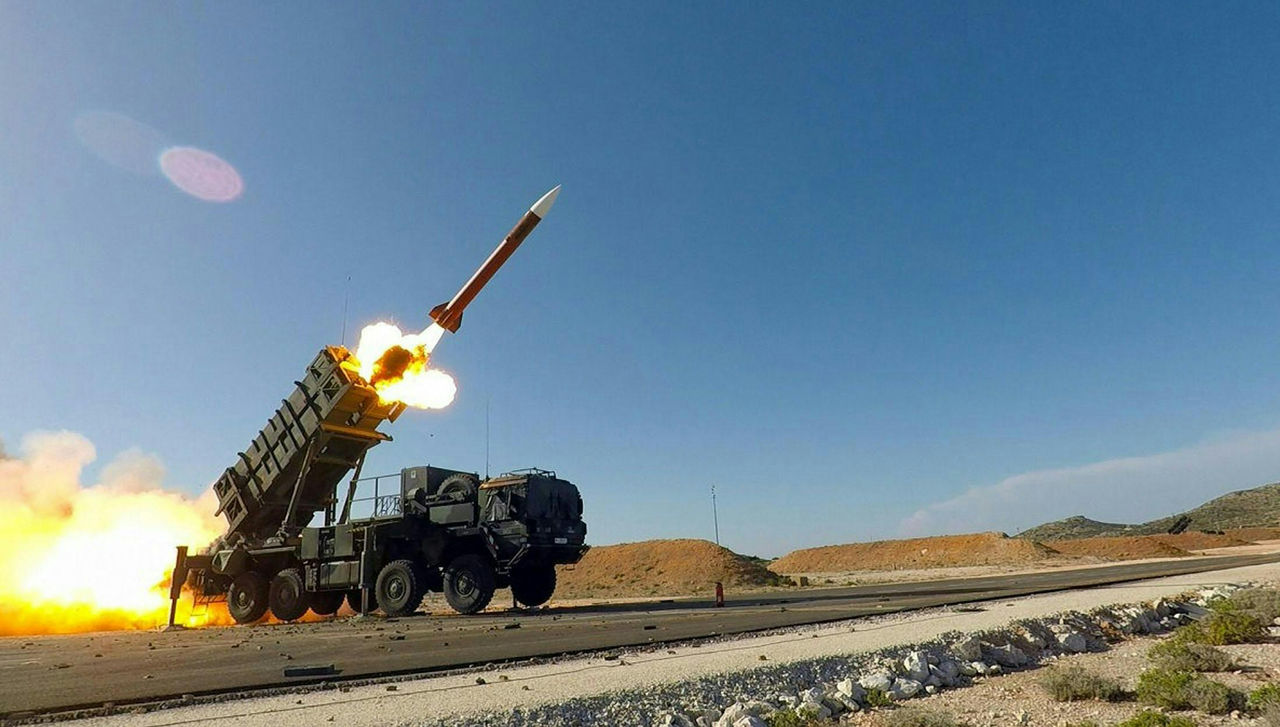
The European Commission said Lithuania could generate additional revenue to meet growing defence, healthcare and social welfare needs by reforming property and environmental taxes, removing certain tax exemptions, while maintaining fiscal sustainability.
The Commission also urged the government to strengthen efforts to tackle the shadow economy and gradually phase out subsidies for fossil fuels.
According to the Commission's assessment, Lithuania's economy remains resilient. Gross domestic product (GDP) is forecast to grow by 3% in 2026 and 2.1% in 2027.
The report highlights the rapid expansion of the country's venture capital sector, progress in renewable energy development and the positive impact of investments financed through the Recovery and Resilience Facility.
The Commission said the government could use Recovery and Resilience Facility funding to support reforms.