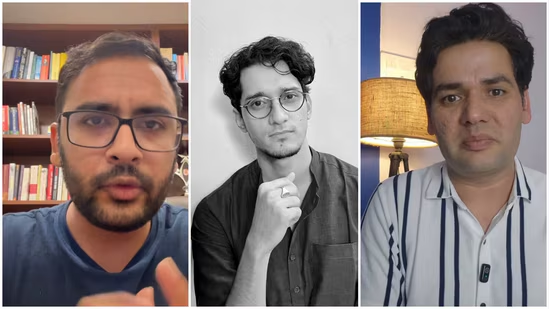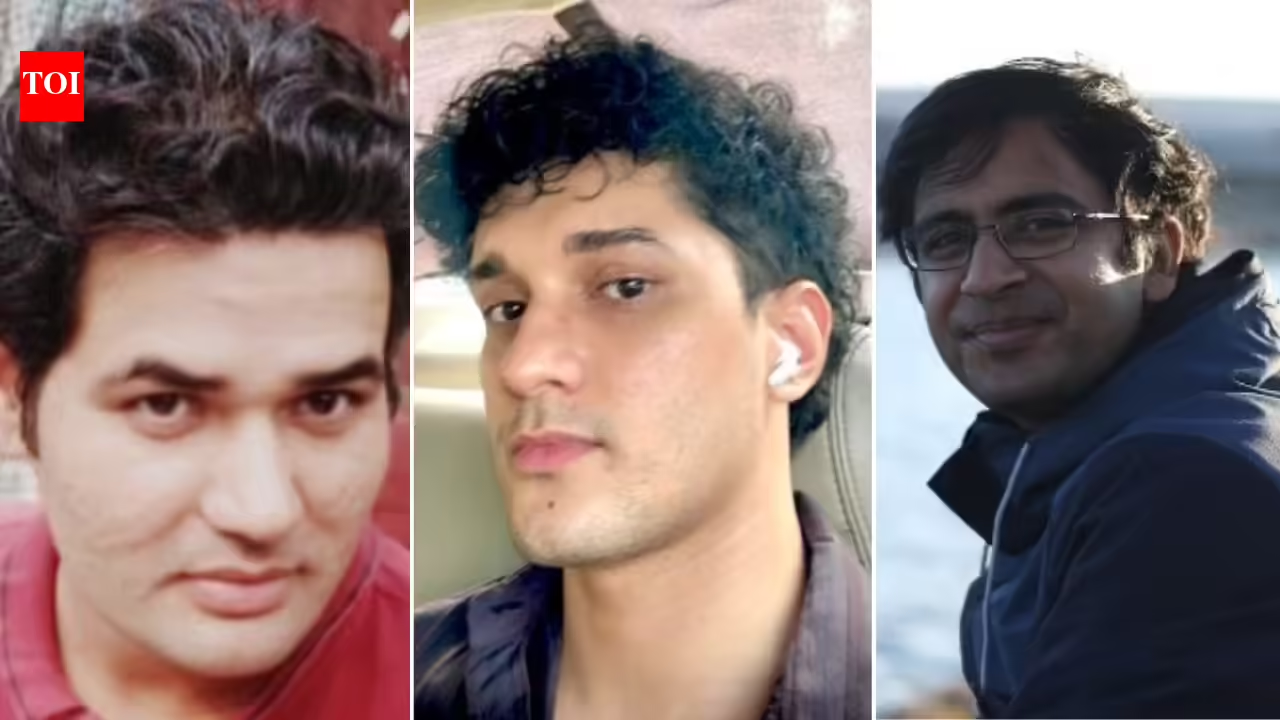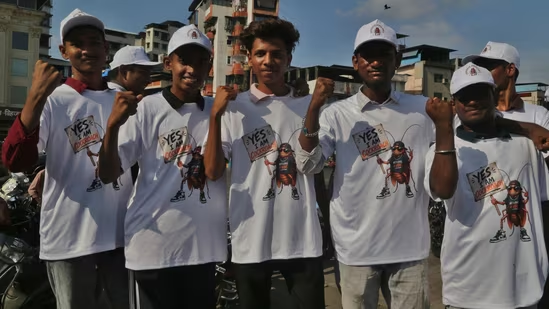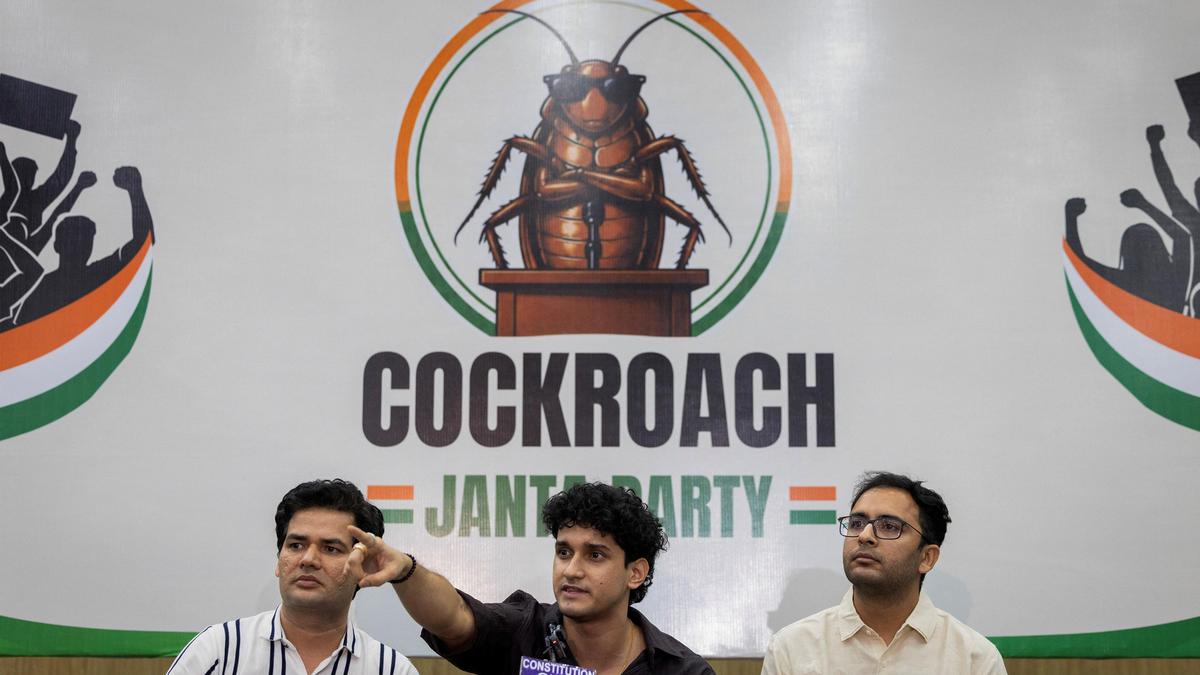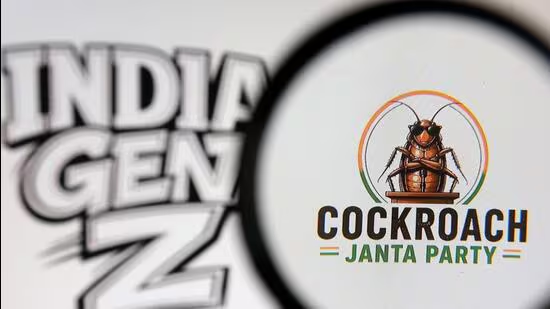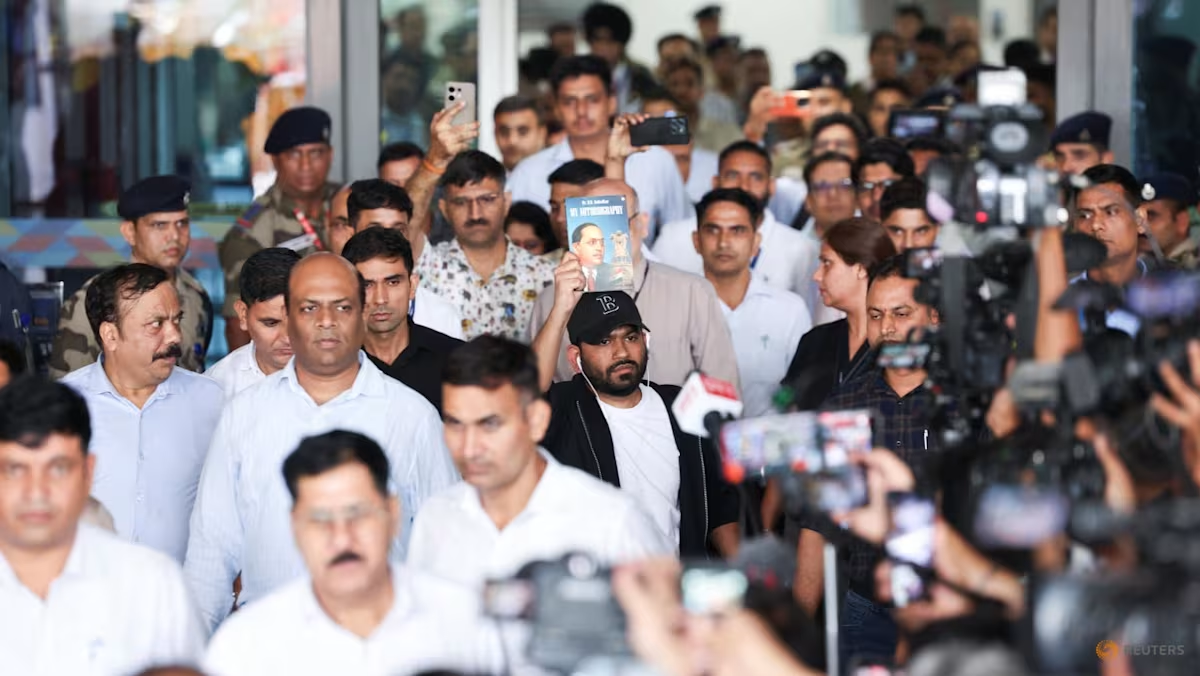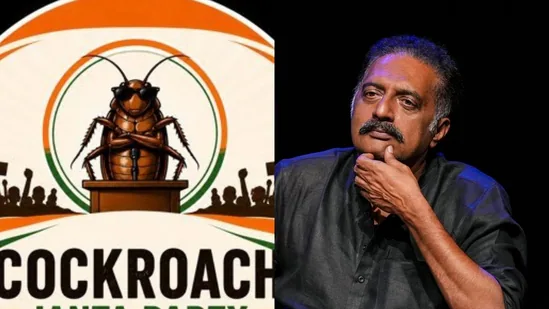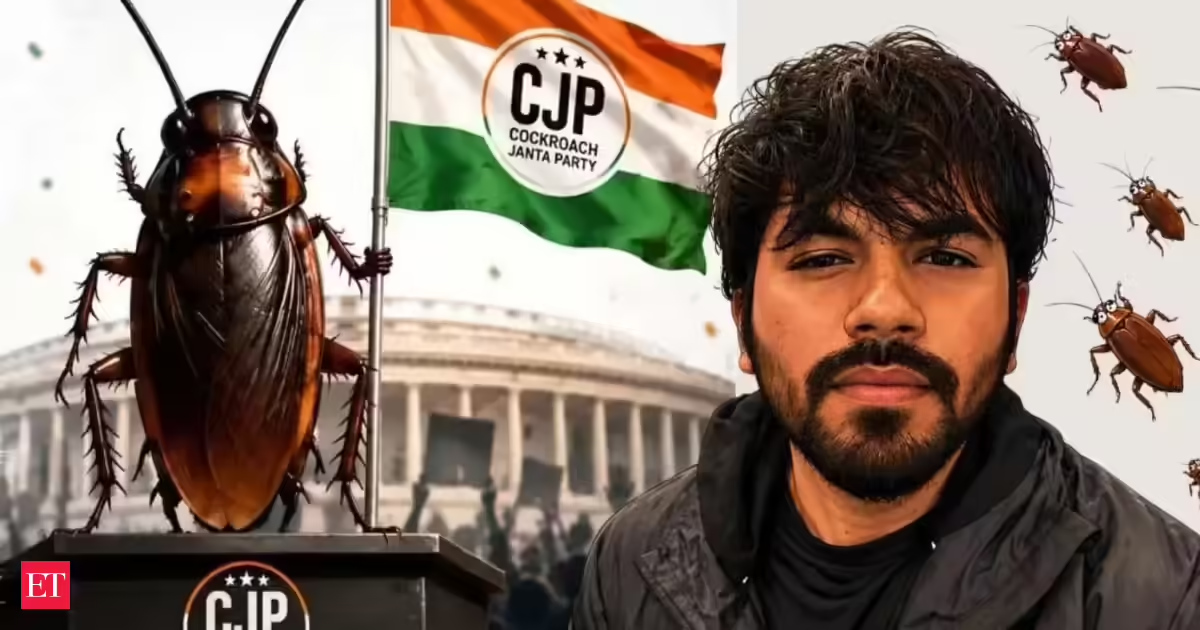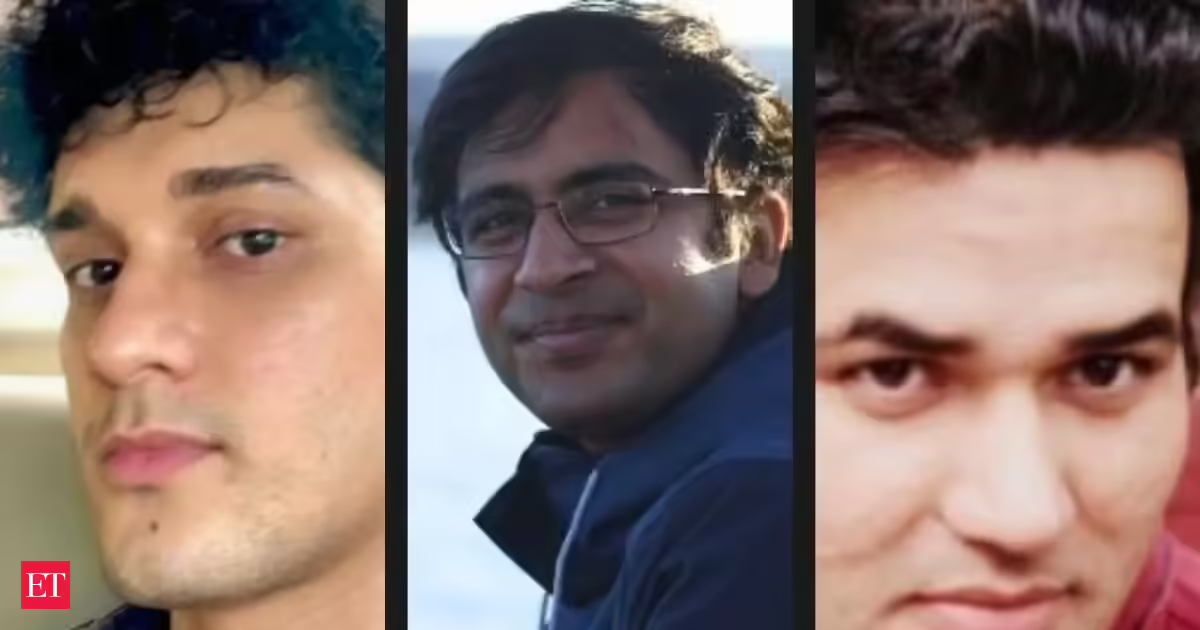
The Cockroach Janta Party (CJP) on Wednesday announced three official spokespersons who will represent the movement before the public and the media. The appointments come just days before founder Abhijeet Dipke's planned return to India and the organisation's proposed June 6 protest in Delhi.In a post on X, the organisation said the move is part of its effort to build a new generation of leadership and expand its public-facing team. "CJP is committed to changing the political discourse of India, and this will be led by a new generation of leaders," the organisation said in its statement on X.The announcement marks the first time the movement has designated official spokespersons since it emerged as a prominent online campaign.Who Is Saurav Das, CJP's Chief Spokesperson?Investigative journalist Saurav Das has been appointed as the movement's chief spokesperson.According to information shared by CJP, Das has spent several years reporting on legal, judicial and social issues. The organisation also highlighted his involvement in anti-pollution protests held at India Gate in November 2025.Das will now serve as the primary public representative of the movement as it prepares for its upcoming protest campaign.Who Is Vijeta Dahiya?Vijeta Dahiya has been appointed as one of the movement's spokespersons.CJP described Dahiya as a political researcher, writer, filmmaker and content creator. The organisation said he has authored two books, Power of Universe and To Hell With That Job, and has worked on research and content projects for digital creators.The movement also highlighted his educational background at Delhi Technological University and his work directing Haryanvi films including Dararein and Opri Paraai.Who Is Ashutosh Ranka?Ashutosh Ranka, the third spokesperson announced by the organisation, brings a background in consulting and public advocacy.According to details shared by CJP, Ranka studied at IIT Kanpur and the London School of Economics before working with McKinsey & Company in London.The organisation said he returned to India last year and has since been involved in campaigns related to environmental, educational and youth issues in Jaipur, including activism around the NEET paper leak and the Amaira suicide case.What Do CJP's Three Spokespersons Have In Common?Unlike traditional political parties that often elevate career politicians, party workers or former bureaucrats to spokesperson roles, the three individuals chosen by the Cockroach Janta Party come from a different ecosystem altogether.On paper, their backgrounds appear unrelated. One is an investigative journalist. Another is a filmmaker, author and political researcher. The third is a former management consultant who later became involved in public campaigns.But a closer look reveals a common thread: all three built influence, audiences or advocacy platforms outside electoral politics before joining the movement.Saurav Das built a public profile through journalism and commentary on legal and social issues. Vijeta Dahiya's work spans filmmaking, writing, political research and digital content creation. Ashutosh Ranka's background combines elite academic credentials, consulting experience and issue-based activism.None emerged through the conventional ladder of party politics.Instead, they represent a generation whose public influence was shaped through media, content, research, activism and online communities long before they became associated with a political movement.Why Has CJP Appointed Official Spokespersons Now?The appointments come at a significant moment for the movement.CJP founder Abhijeet Dipke has said he will return to India on June 6 and participate in a planned march linked to demands surrounding examination-related controversies, including NEET-UG.The movement has called for a protest in Delhi and has said supporters should gather upon Dipke's arrival before seeking permission for a demonstration at Jantar Mantar.The spokesperson appointments appear to be the organisation's first major step towards creating a more formal leadership structure as its activities move beyond social media campaigns.Is The Creator Economy Beginning To Influence Politics?The appointments also reflect a broader shift visible across public life.Over the past decade, creators, independent journalists, researchers, podcasters and online educators have built audiences that in some cases rival those of traditional institutions. Public trust and influence are increasingly being accumulated outside television studios, political offices and party headquarters.The three spokespersons announced by CJP reflect that trend.While it remains to be seen how influential the movement ultimately becomes, the selection itself offers a glimpse into how political communication may be changing.Why Does This Matter For CJP?The appointments suggest that CJP is attempting to position itself differently from conventional political organisations.Rather than relying on established political faces, the movement appears to be betting on people who already understand how to communicate with digital audiences, explain complex issues, shape online conversations and mobilise communities.That approach aligns with how the movement itself grew.Before announcing spokespersons, CJP's rise was driven largely through social media campaigns, online engagement and internet-native messaging rather than traditional organisational structures.In that sense, the appointments may be less about adding three spokespersons and more about formalising the kind of ecosystem that helped the movement gain visibility in the first place.(With agency inputs)
Saurav Das, Vijeta Dahiya, Ashutosh Ranka: Check hidden connection behind Cockroach Janta Party spokespersons
Cockroach Janta Party spokespersons: The Cockroach Janta Party (CJP), the youth-led movement that gained rapid traction online in recent weeks, has announced three official spokespersons ahead of its planned June 6 protest in Delhi. The appointments of journalist Saurav Das, political researcher and filmmaker Vijeta Dahiya, and former management consultant Ashutosh Ranka mark the first major step towards giving the movement a formal organisational structure as it prepares for its first large-scale public demonstration.
795 words~4 min read