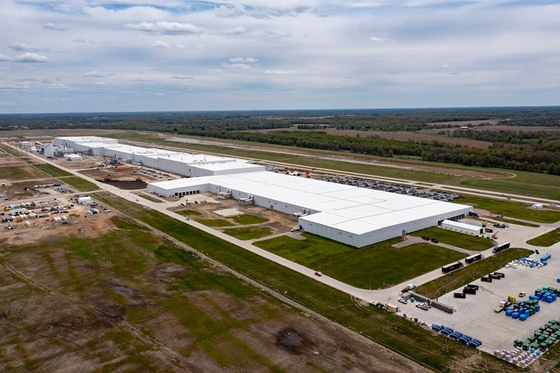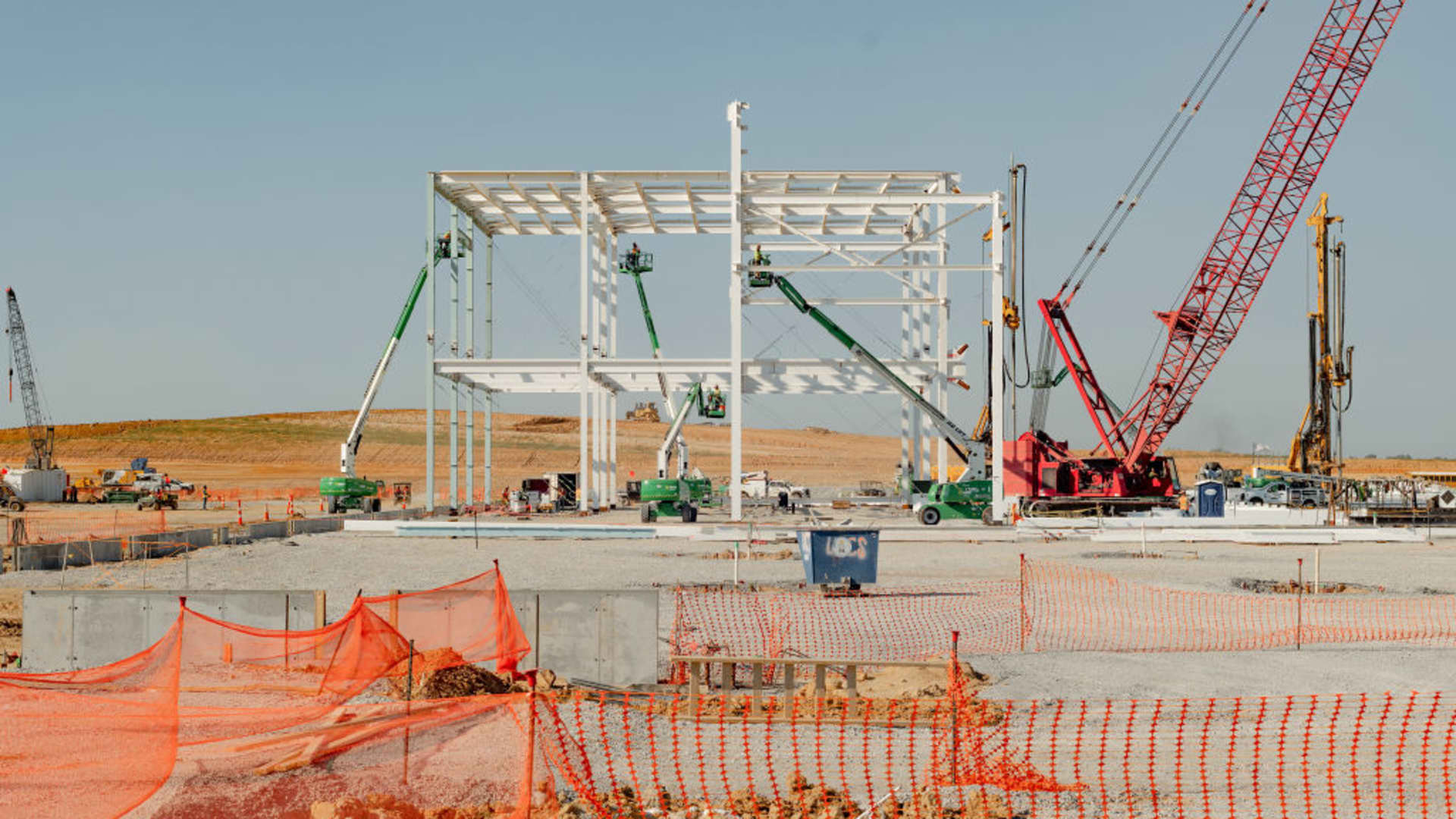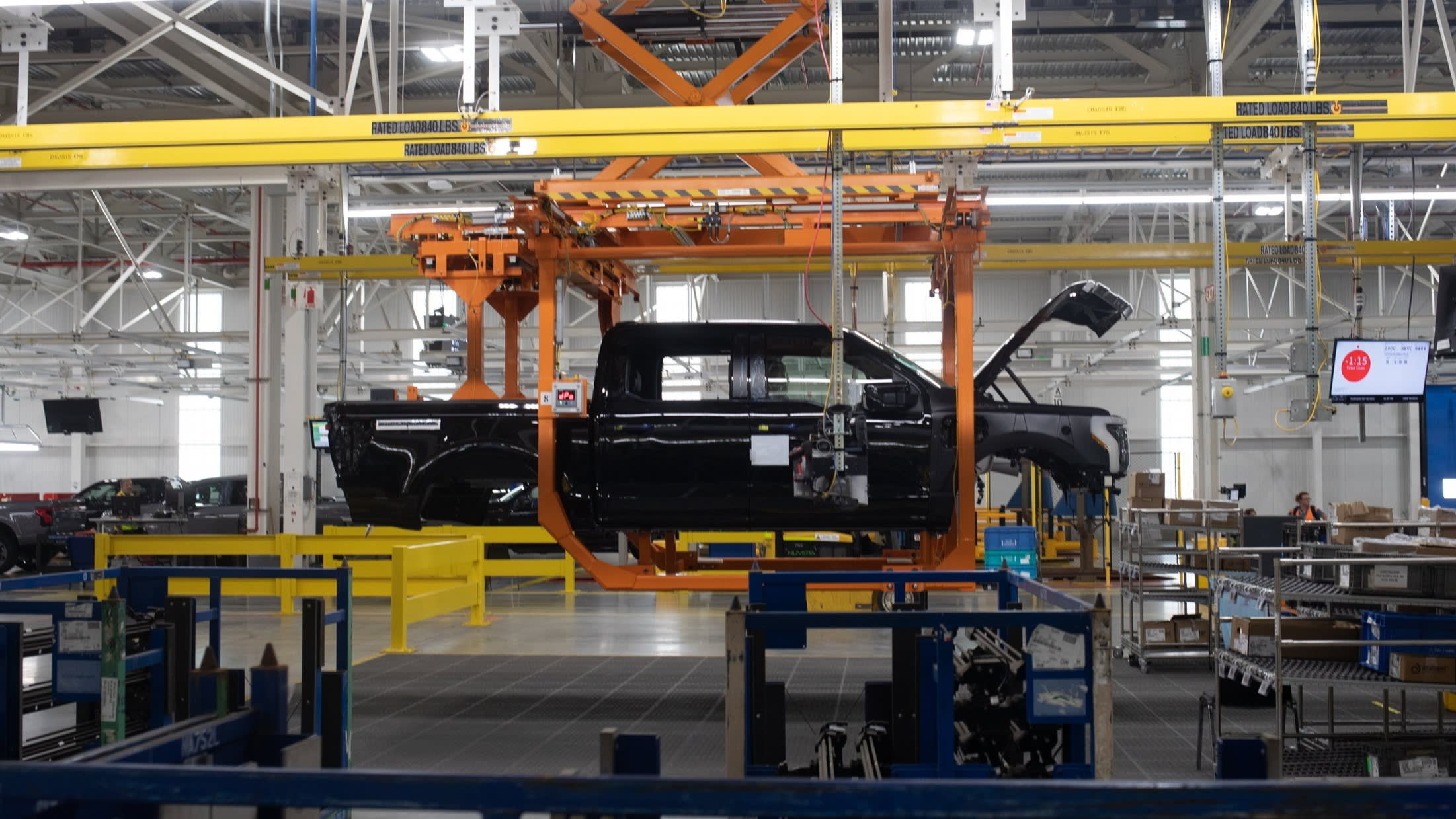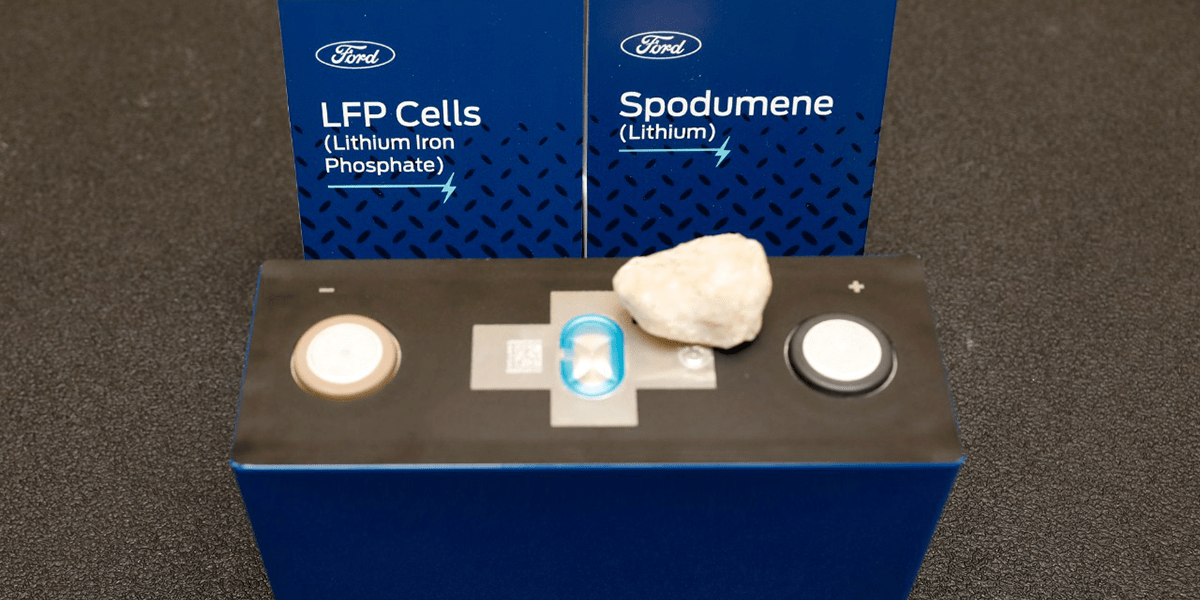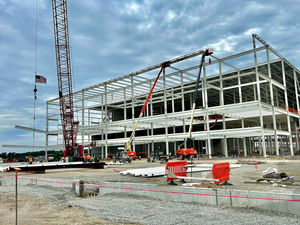
US automaker embraces Chinese battery technology for ESS growth, while Korean rivals bet on quality, reliability, China-free supply chains Construction site of Ford Motor Company’s battery manufacturing plant in Marshall, Michigan, on July 10, 2024 (Ford Motor Company) Ford Motor's decision to deepen ties with China's CATL while repurposing assets from its former battery partnership with SK On is drawing scrutiny from South Korea's battery industry as the US automaker pivots aggressively into energy storage.At a time when Washington is seeking to reduce dependence on Chinese battery supply chains, Ford is embracing CATL's battery technology to accelerate its push into the energy storage system, or ESS, market — a sector increasingly fueled by booming demand from AI data centers, power grids and renewable energy projects.Ford's earlier battery strategy centered on electric vehicles and partnerships with Korean manufacturers.The shift follows the collapse of BlueOval SK, Ford's $11.4 billion battery joint venture with SK On. In December, the two companies agreed to dissolve the venture as weaker-than-expected EV demand forced both sides to reassess their investment plans. Under the agreement, Ford took control of the Kentucky battery plants while SK On assumed ownership of the Tennessee facility.Instead of using the Kentucky facilities solely for EV battery production as originally planned, Ford is now repurposing them for energy storage while relying on CATL's lithium iron phosphate, or LFP, technology to speed up commercialization.Ford recently launched Ford Energy, an ESS-focused subsidiary, and secured its first major battery supply agreement with French utility giant EDF. The company plans to invest roughly $1.5 billion in its energy storage business this year.The appeal of CATL's technology lies largely in cost and speed. LFP batteries have become the preferred chemistry for many utility-scale storage projects because of their durability, safety and lower costs.A researcher at a major Korean battery maker said Ford's EDF deal likely reflects the automaker's determination to establish a foothold in the ESS market."Ford likely took on part of the financial risk because it was eager to secure its first major ESS reference project," the researcher said. "For renewable energy developers, LFP batteries are generally preferred because of their longer lifespan, durability and cost competitiveness."For Korean battery makers, the development represents a new competitive challenge in North America.Ford's agreement to supply up to 4 gigawatt-hours of LFP batteries to EDF effectively gives CATL greater exposure to the US energy storage market despite ongoing political scrutiny of Chinese-linked battery projects.The trend could prove particularly significant as technology giants — including Microsoft, Amazon, Google and Meta — race to secure power supplies for AI data centers, creating a rapidly expanding market for large-scale battery storage.Industry officials, however, argue that Korean manufacturers retain important advantages beyond battery chemistry."The ESS market is not driven by battery technology alone," said an industry source familiar with the matter. "Manufacturing expertise, operational reliability, quality and safety management, and supply-chain resilience are all critical factors, and Korean companies are well positioned in those areas, particularly in North America."Korean battery makers have been strengthening partnerships with domestic materials suppliers and emphasizing China-free supply chains as they capitalize on growing demand for energy storage while minimizing regulatory risks for US customers.
From SK On to CATL: Ford reshapes battery strategy
Ford Motor's decision to deepen ties with China's CATL while repurposing assets from its former battery partnership with SK On is drawing scrutiny from South Ko
527 words~2 min read