Audio By Vocalize
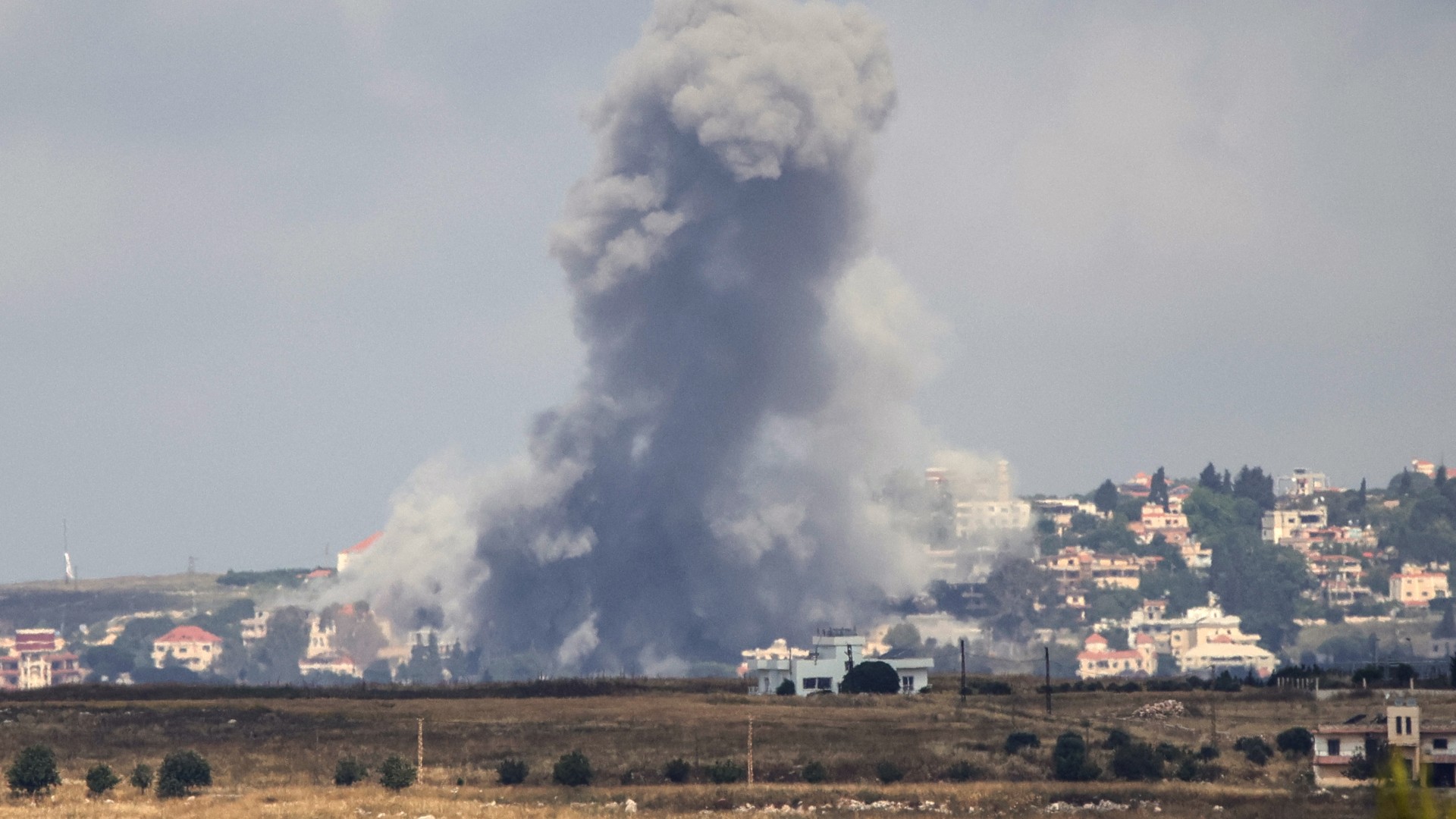
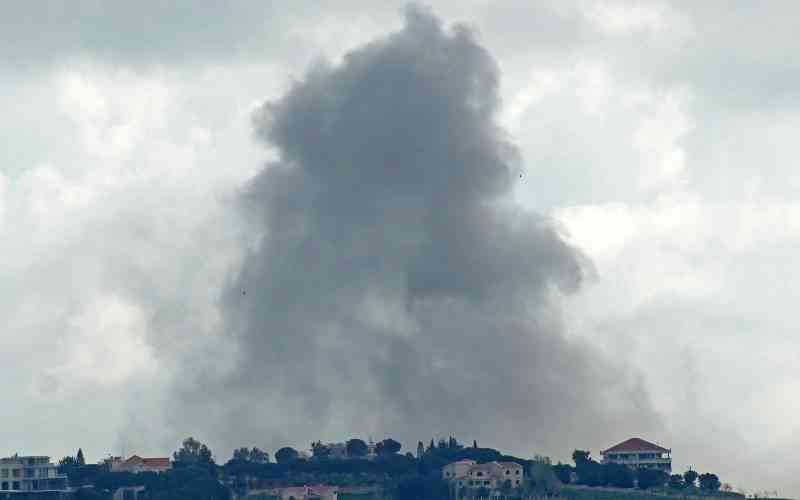
Smoke rises from the site of an Israeli strike on the outskirts of the southern Lebanese village of Choukine, on April 9, 2026.[AFP]
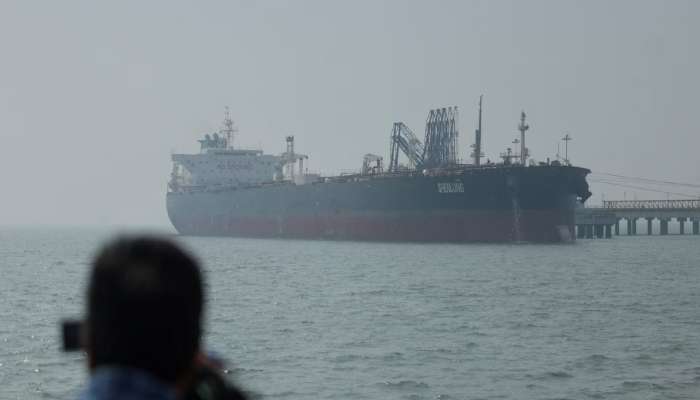
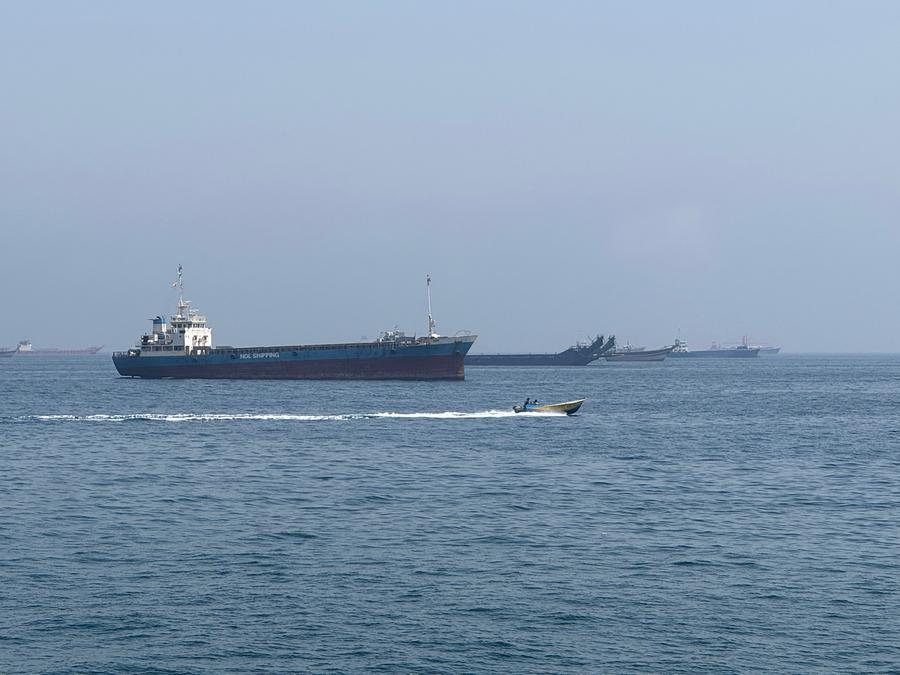
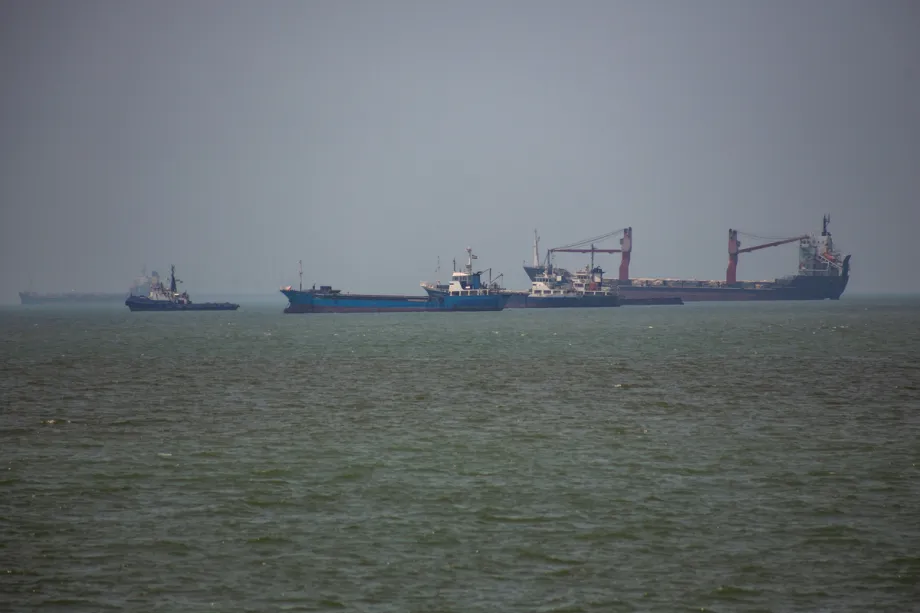
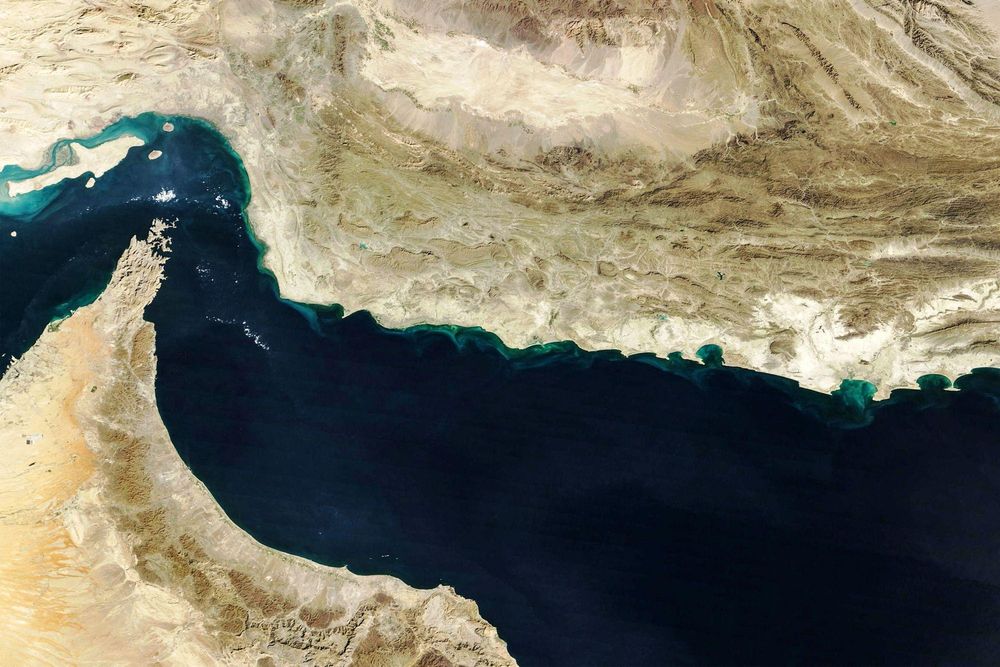
For generations, maritime navigation through the Strait of Hormuz relied not upon rigid legal dictates, but upon a foundation of mutual good faith and comity. The Islamic Republic of Iran, as a primary coastal State, has long facilitated the peaceful passage of vessels. However, this history of cooperation was never an abdication of our sovereign rights.
Today, a fundamental shift in regional circumstances driven by persistent aggression and security threats has rendered the previous unilateral approach untenable. The time has come to recalibrate our maritime framework to ensure the security of our nation and the stability of the waterway. Measures have been taken with a view to preventing further risks from being imposed on vessels and seafarers in the Persian Gulf, the Strait of Hormuz, and the Gulf of Oman.
The security landscape of the Persian Gulf and the Strait of Hormuz has been profoundly undermined by repeated acts of aggression against the Islamic Republic of Iran.