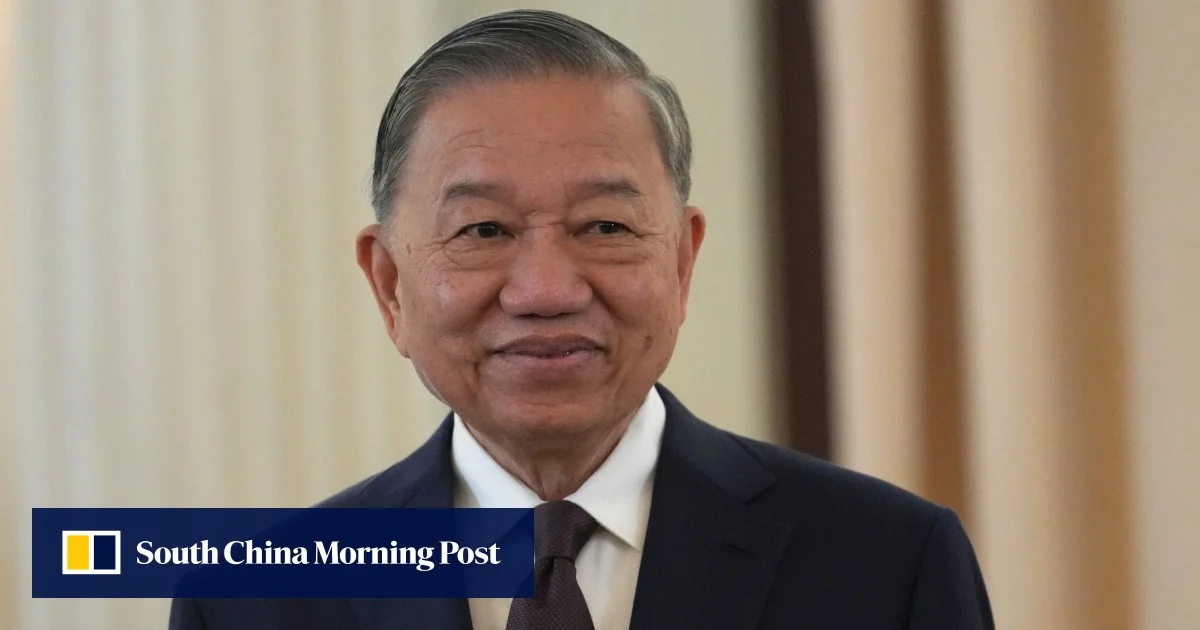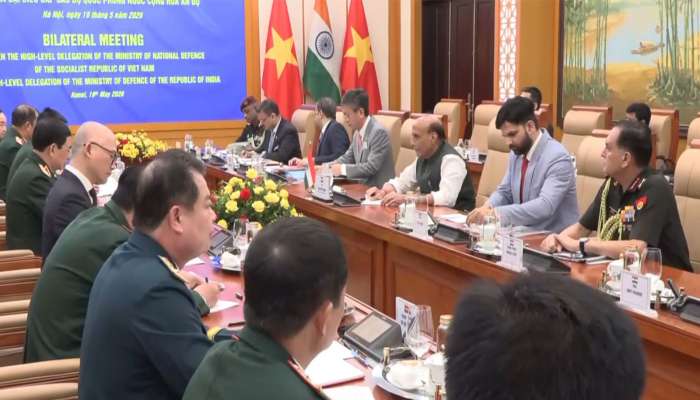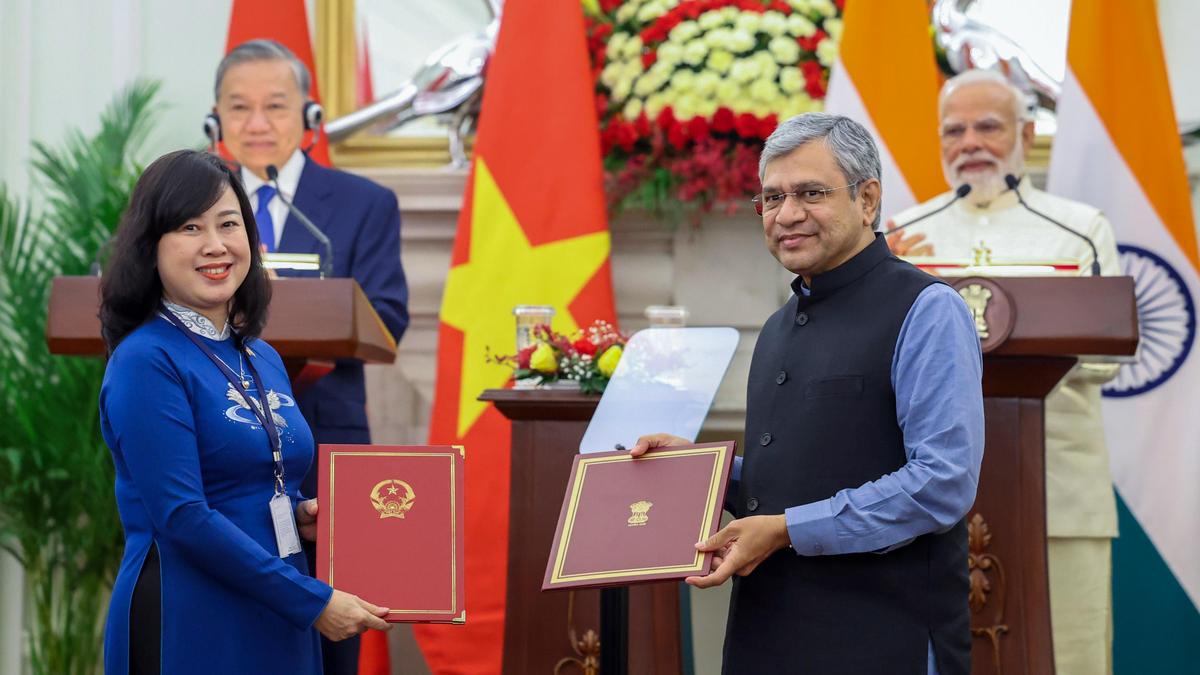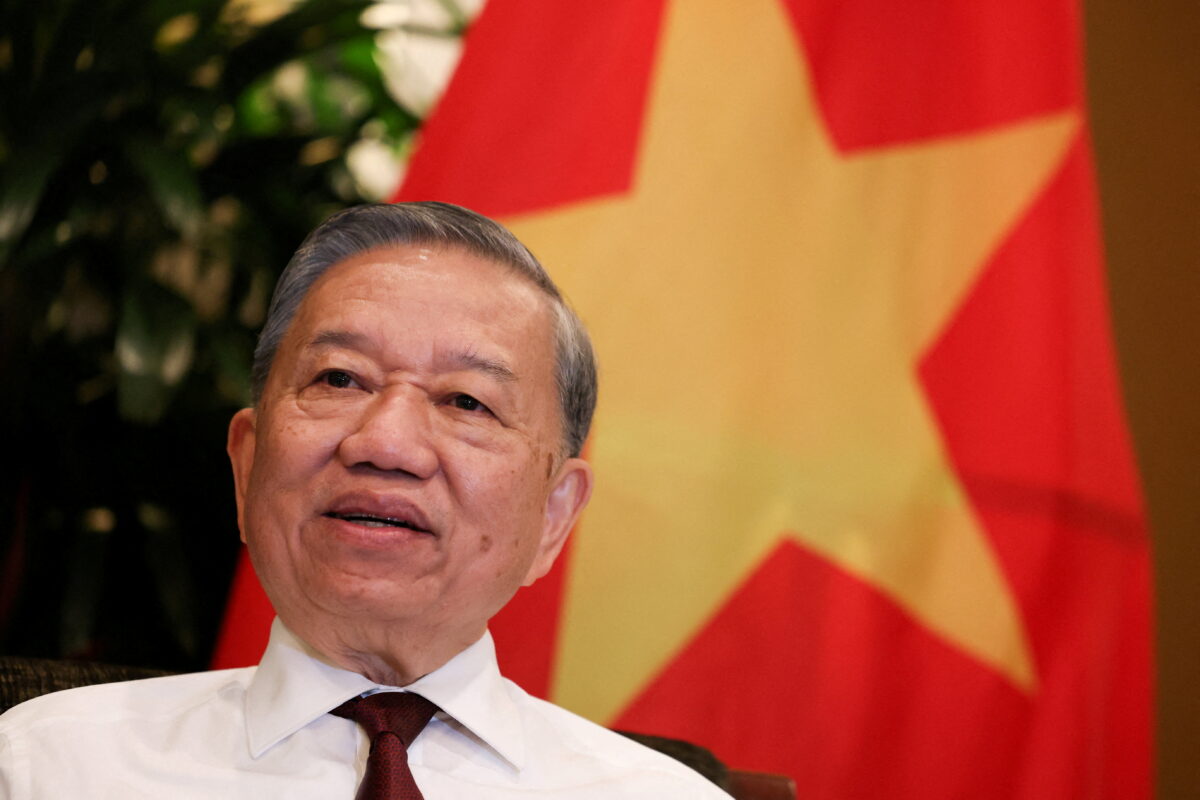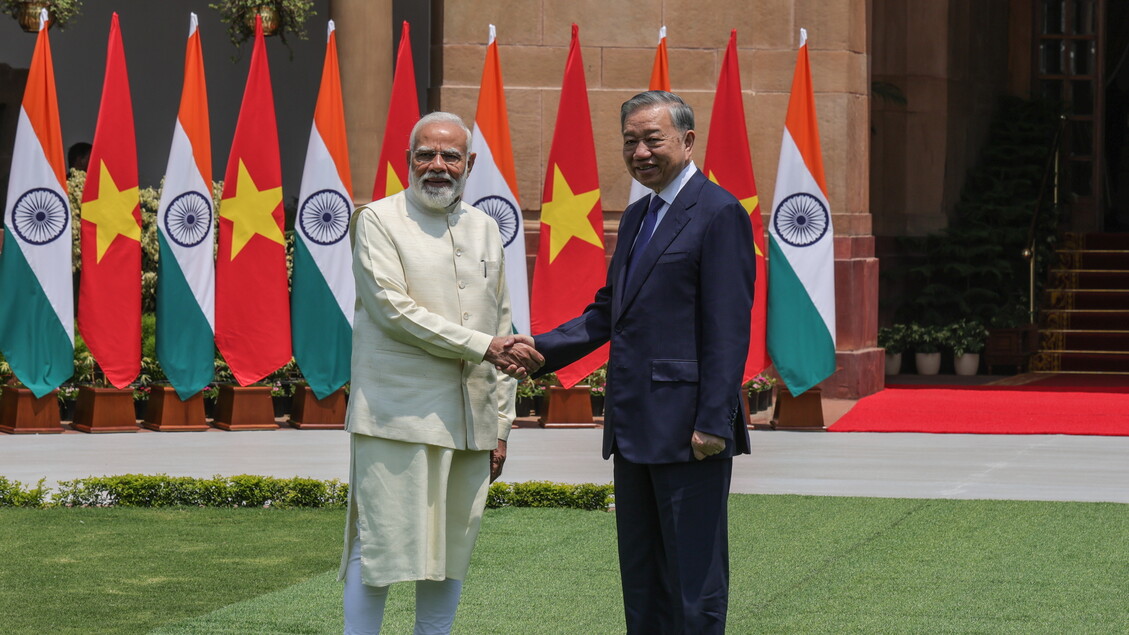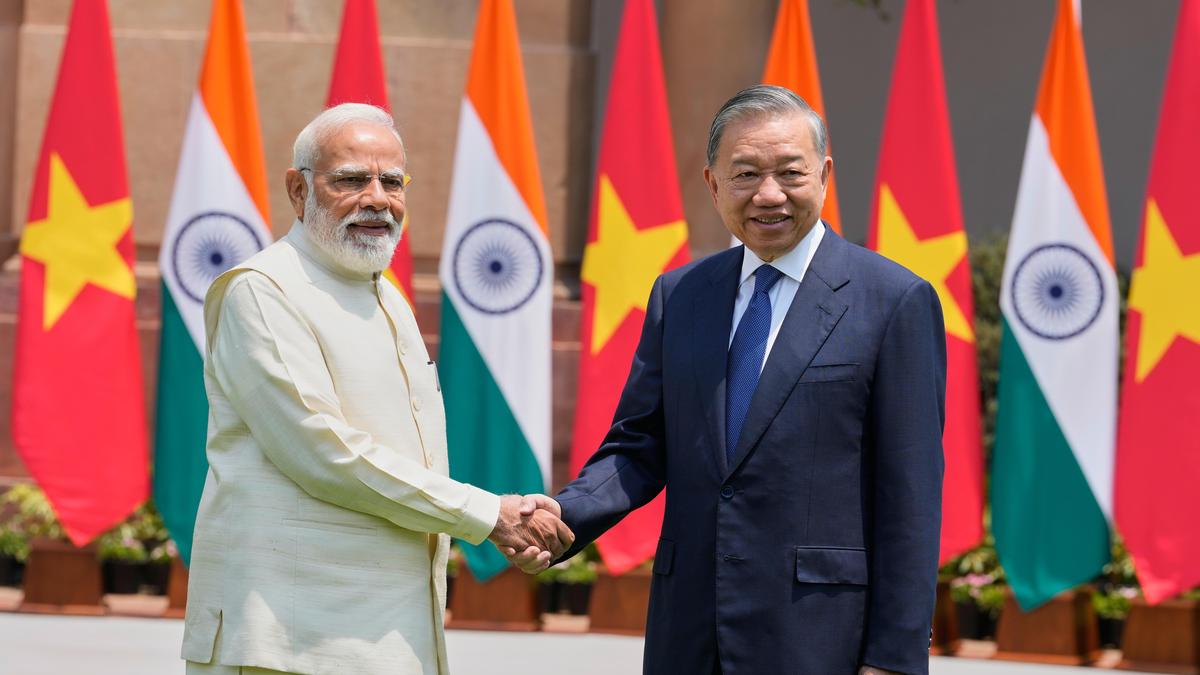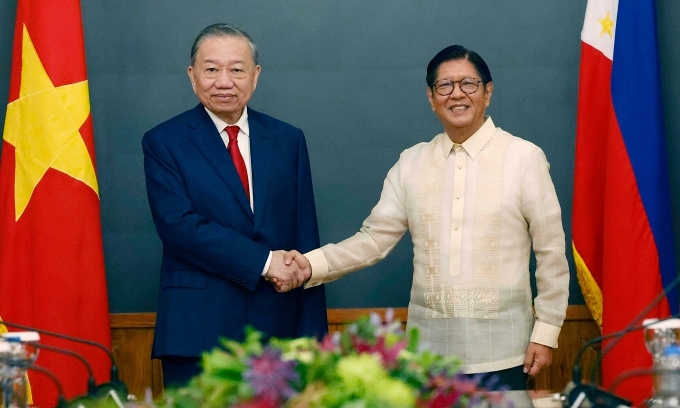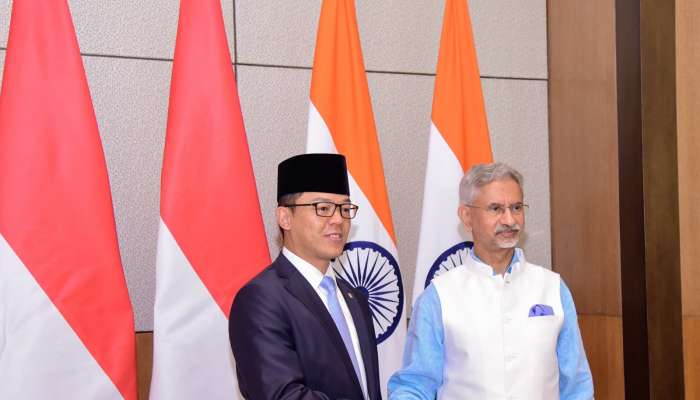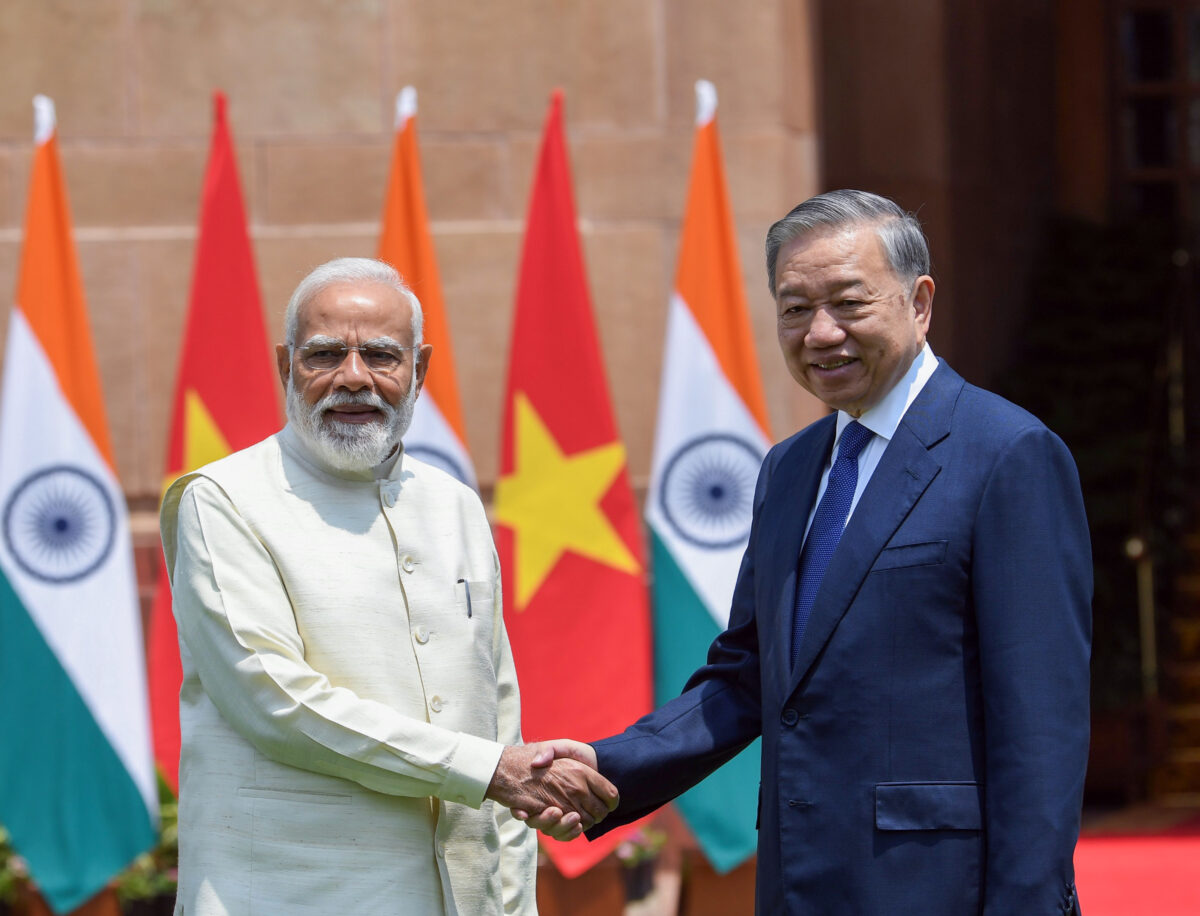
State visits rarely reshape international order, but they can illuminate deeper changes already underway. To Lam’s visit to New Delhi in May 2026, the first by a Vietnamese Communist Party General Secretary since 2013, was such a moment in Vietnam–India relations. The Joint Statement on the Enhanced Comprehensive Strategic Partnership (ECSP) that emerged from the visit formalised a relationship increasingly defined less by shared anxieties about China than by shared ambitions for national development.
The standard framing of Vietnam–India ties emphasises geopolitics: mutual distrust of Chinese assertiveness, commitment to ‘strategic autonomy’ and support for freedom of navigation in the South China Sea. While partly accurate, this account is insufficient. It reduces a maturing partnership to reactive balancing, when the more consequential story is about proactive cooperation.
Bilateral trade reached almost US$16.5 billion in 2025, with the two governments now targeting US$25 billion by 2030. Vietnamese car manufacturer VinFast announced a US$2 billion electric vehicle investment in Tamil Nadu, alongside Vingroup’s Memorandum of Understanding for a planned US$3 billion multi-sector project in Telangana. These developments signal a partnership driven by industrial complementarity, not merely threat perception.