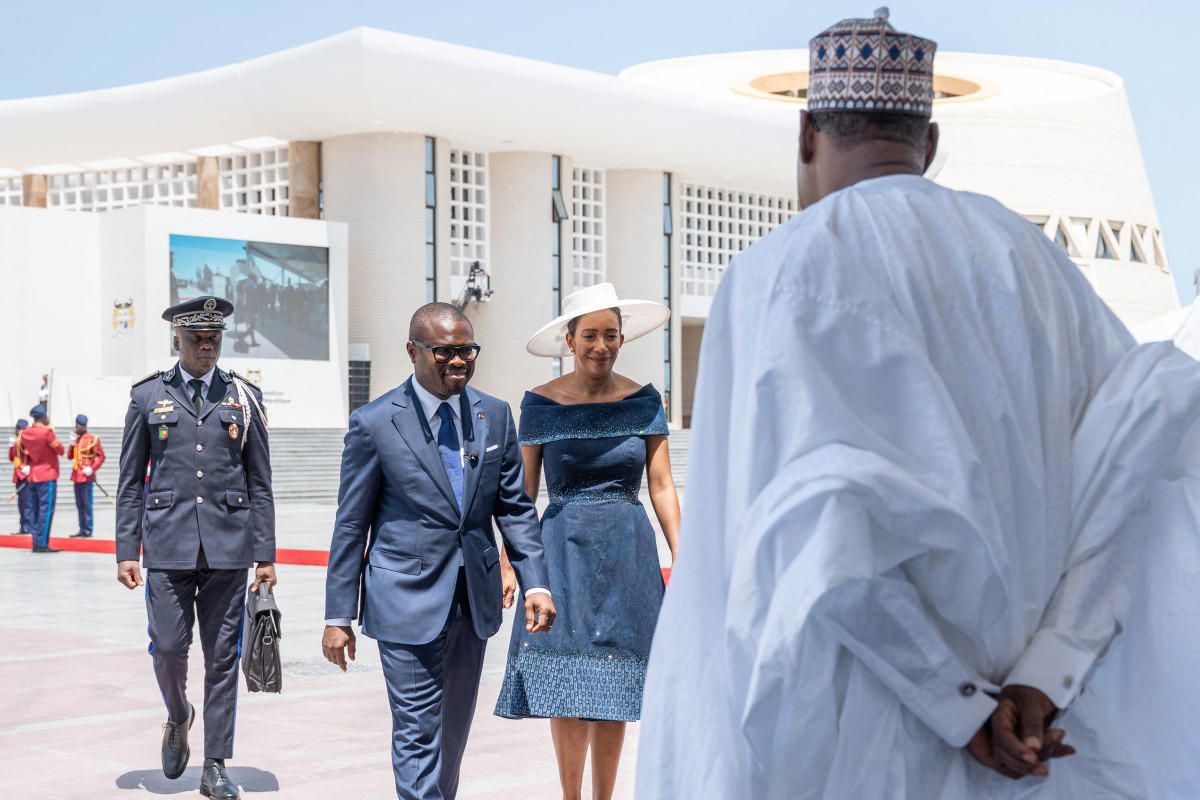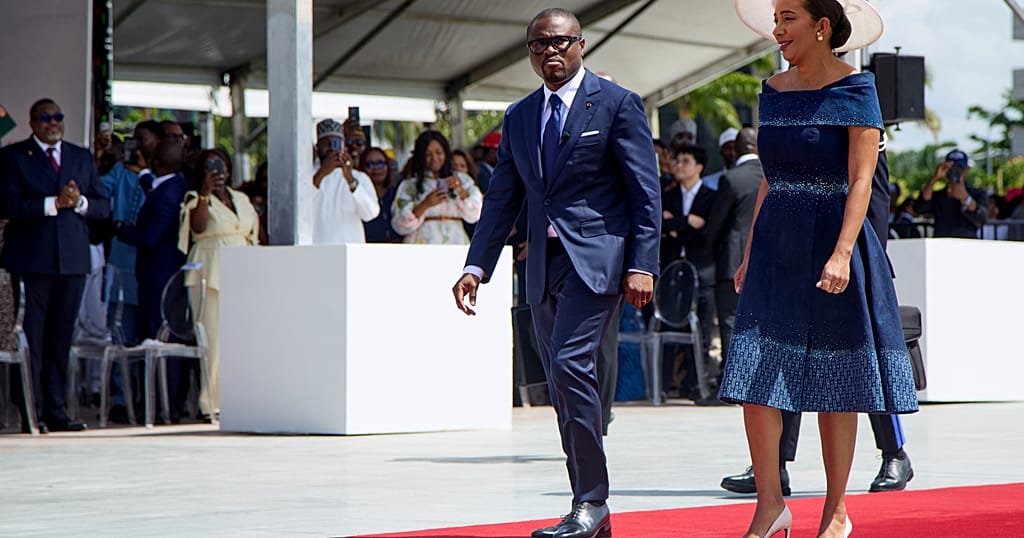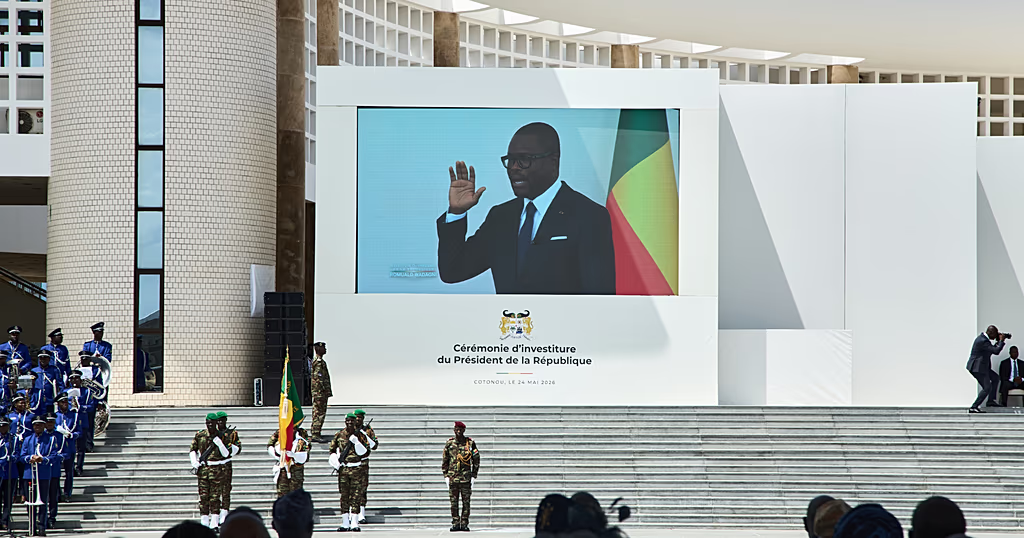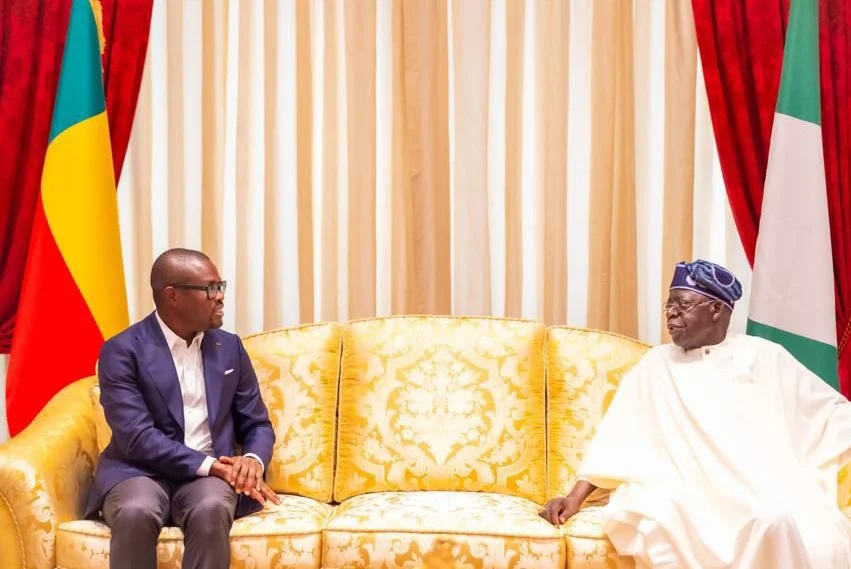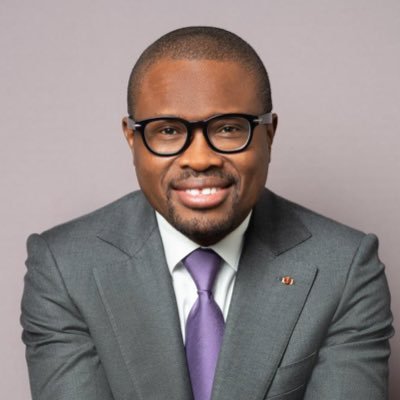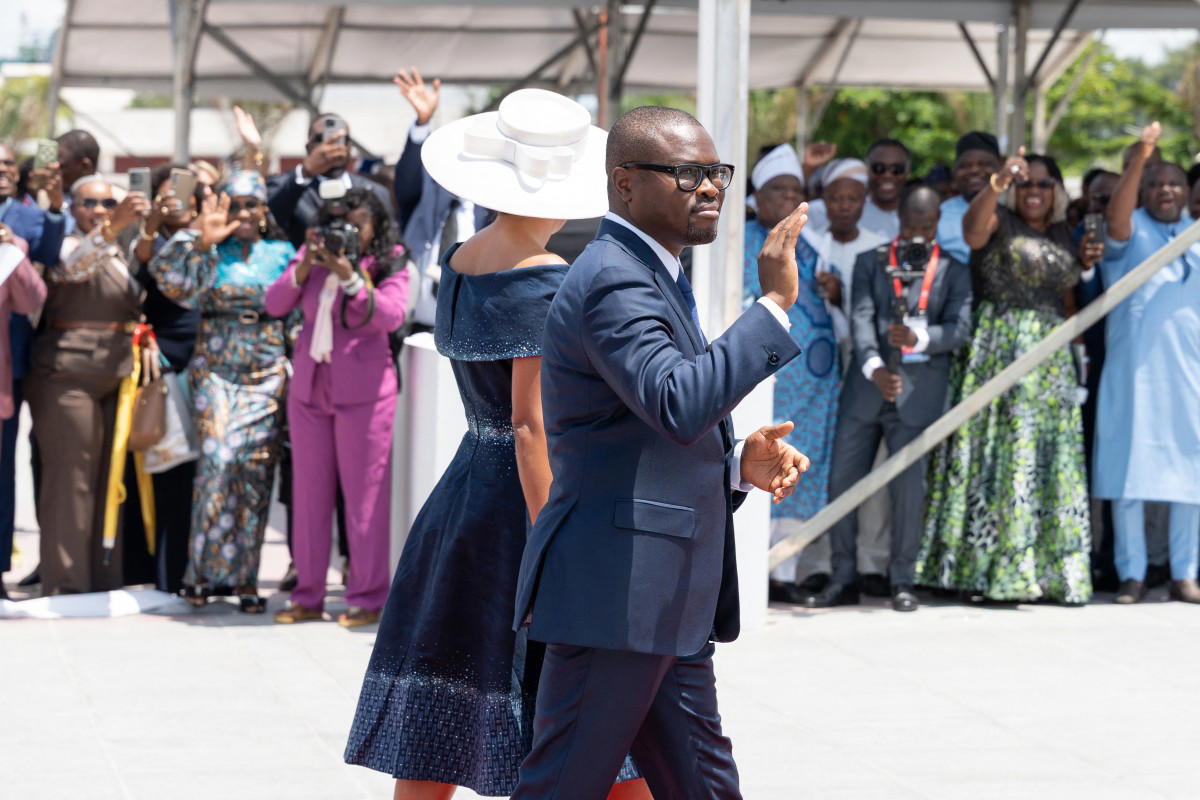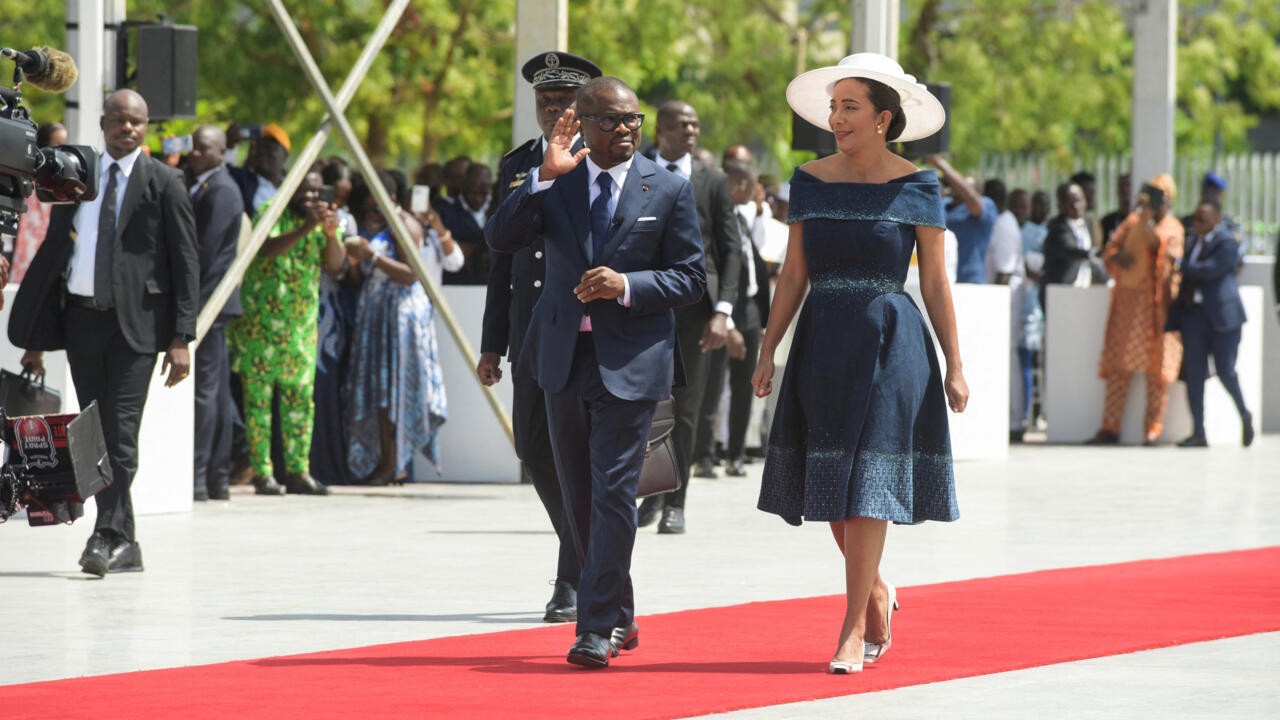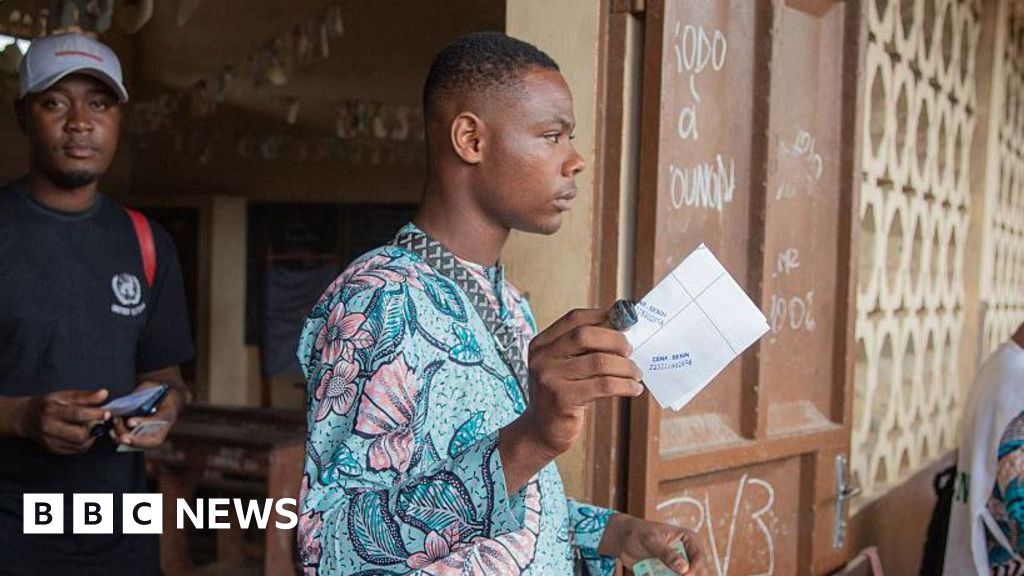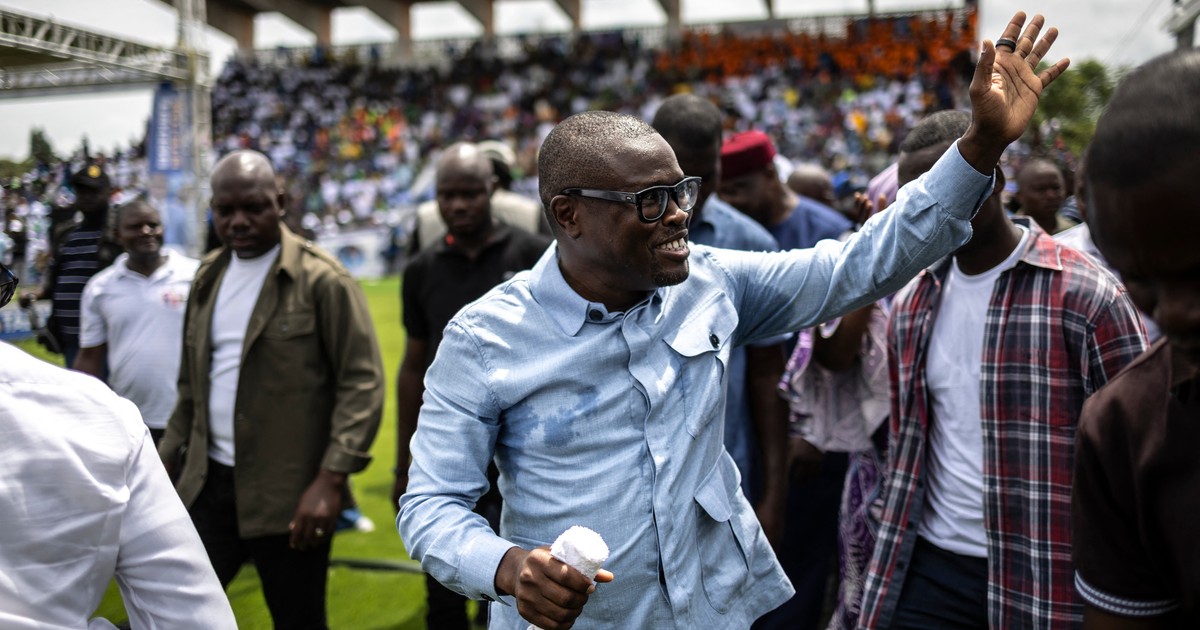
OUIDAH, Benin (AP) — Democracy came to the cradle of Voodoo religion in 1991, when Benin’s military dictator of many years surprisingly lost an election that he had organized.Mathieu Kérékou had amassed power partly by banning the practice of so-called sorcerers, whose authority he deemed subversive to his own. Voodooists would have the last laugh.The opposition figure who defeated Kérékou, Nicéphore Soglo, rehabilitated Voodoo, or Vodún as it is known in Benin, as part of national heritage and emphasized the kind of tolerance that Kérékou would try to emulate when he successfully sought reelection in 1996. Two decades and three presidents later, this West African nation is a bastion of democracy in a region dubbed “the coup belt” for the trend since 2020 of military takeovers. President Romuald Wadagni was inaugurated on May 24 to replace Patrice Talon, who stepped down after serving two terms.
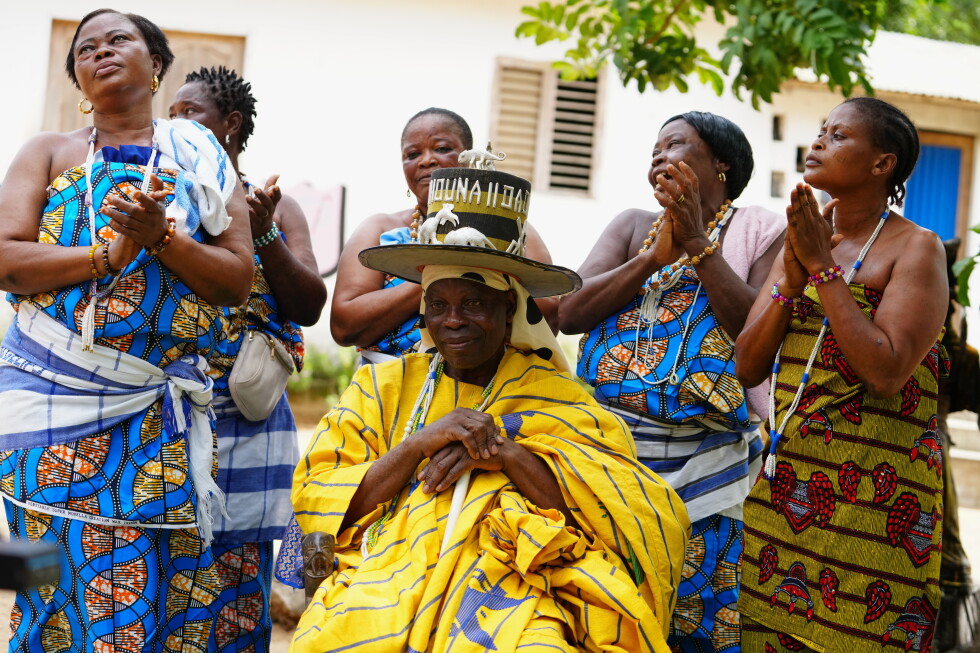
To an intriguing degree, Benin’s democratic stance reflects the resilience of the Vodún religion, which confounded Kérékou’s authoritarianism until he could no longer afford to be so rigid. The humbling of Kérékou showed that no leader, however powerful, could strangle faith in the land of Voodoo, according to devotees and scholars.“The return to democracy recognized the existence of traditional religion,” Vodún supreme leader Daagbo Hounon Houna II told The Associated Press. “Kérékou acknowledged that (African) religions must be respected.”