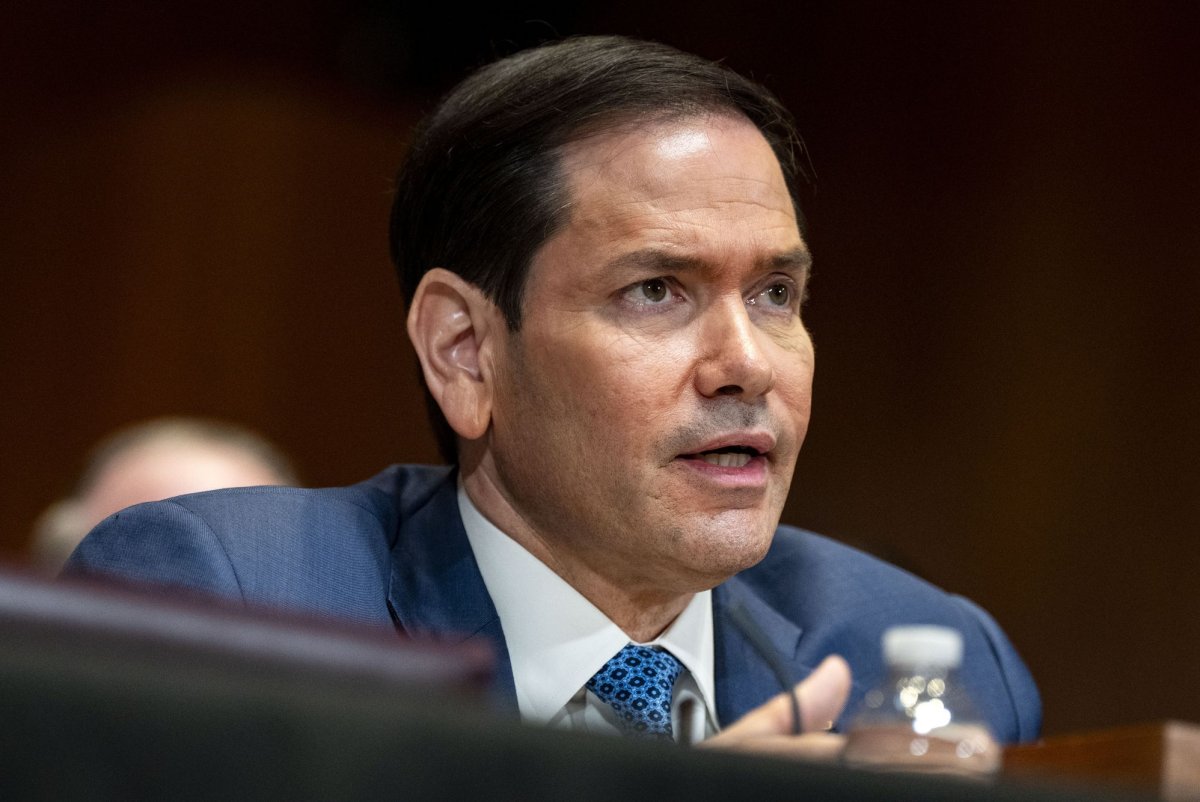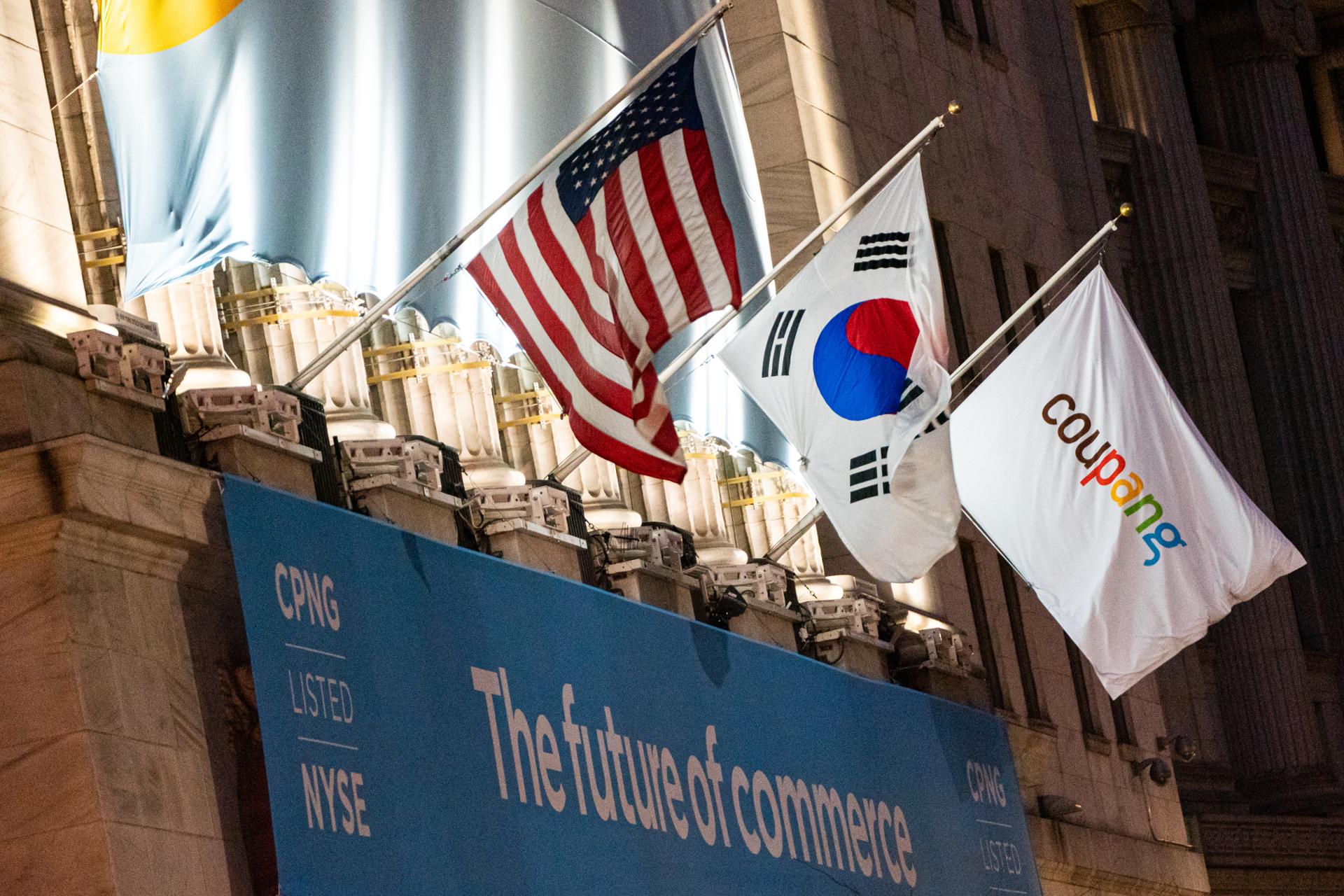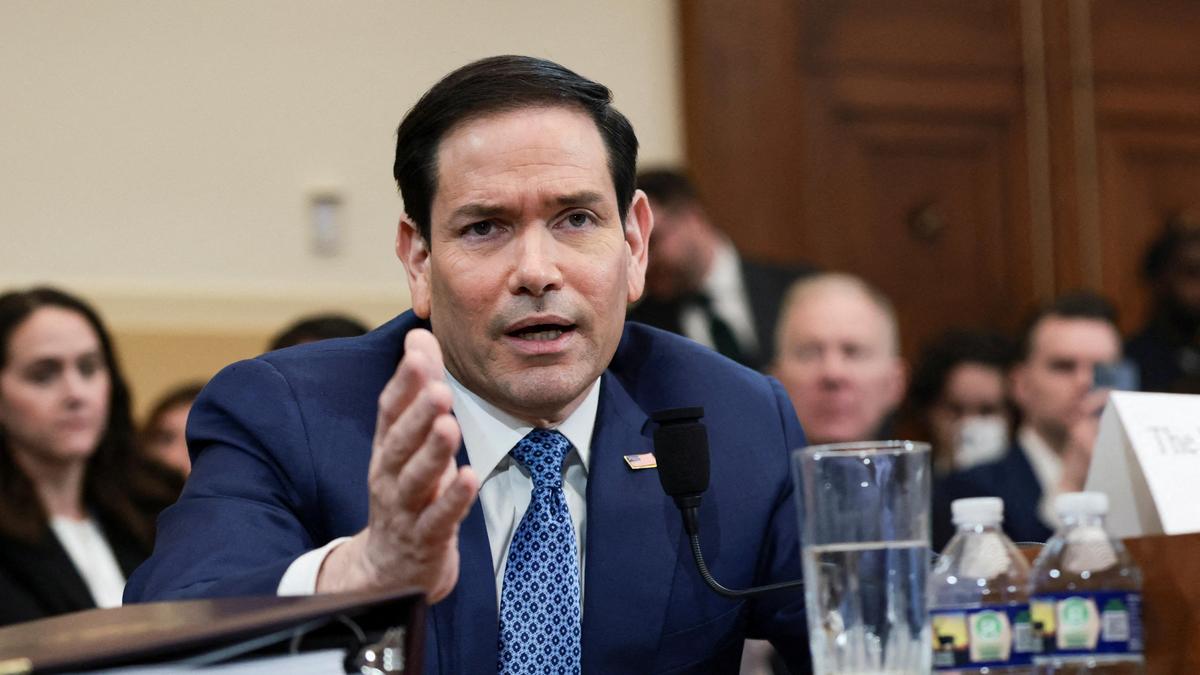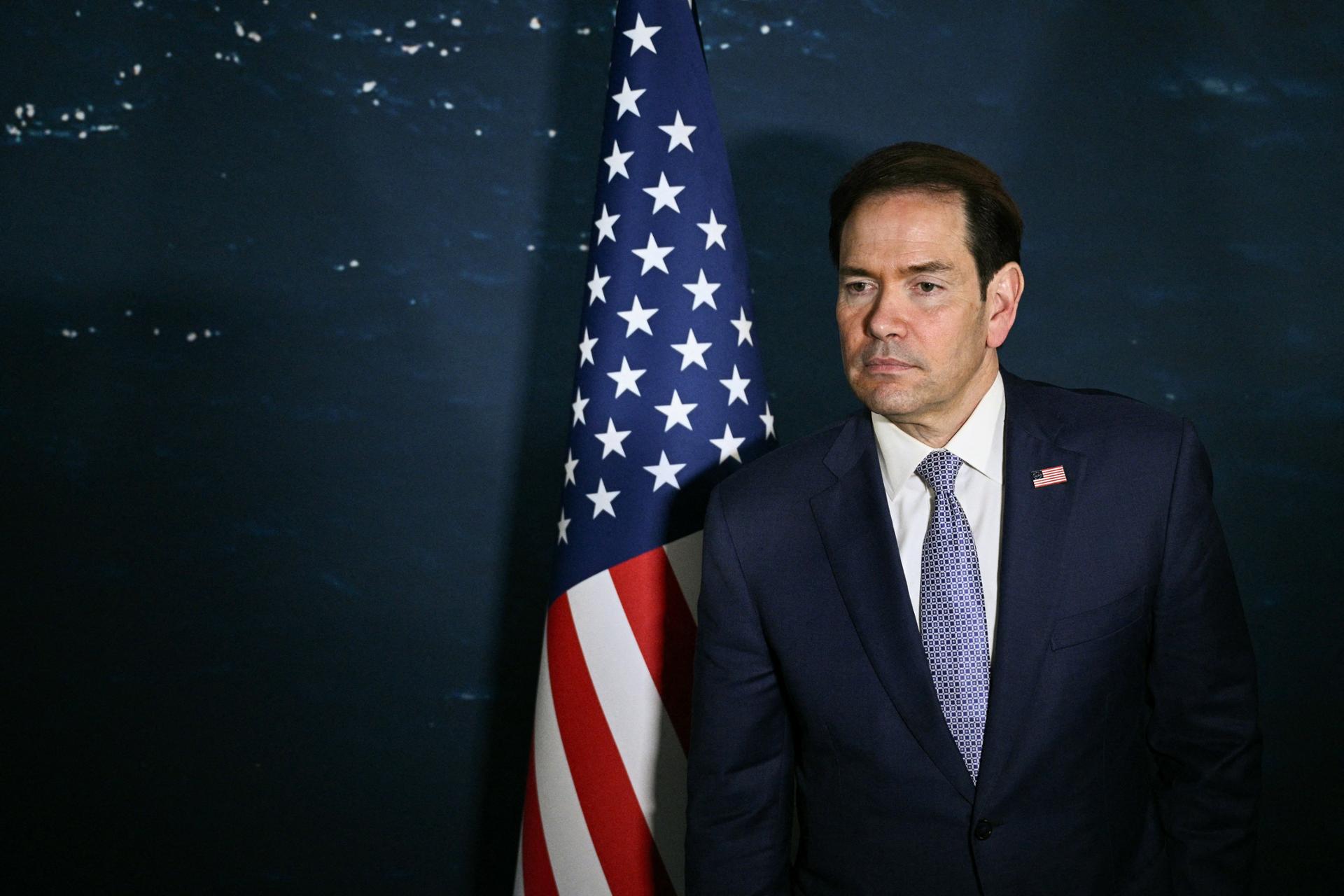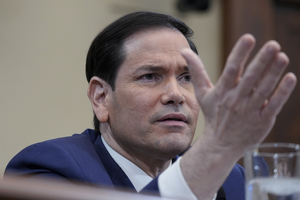
Remarks follow congressional criticism over Seoul's probe into US-listed Coupang and other American companies US Secretary of State Marco Rubio speaks during a House Committee on Foreign Affairs hearing in Washington on Wednesday. (AP-Yonhap) US Secretary of State Marco Rubio stated that Korea’s treatment of American companies influenced Washington’s decision to finalize a trade agreement with Seoul in the wake of the US' proposal to impose an additional 12.5 percent tariff on South Korean imports.The remarks came after Congressman Darrell Issa had said, “The democracy of South Korea has taken a strong bent to the left, opening up more avenues toward China and, in fact, beginning to oppress many of our companies, including Meta, Coupang and others,” during the House Foreign Affairs Committee hearing with Rubio on Wednesday. He asked Rubio how the committee should handle countries he perceived as becoming “anti-US.”Calling it a unique aspect of dealing with democracies, Rubio pointed out that democratic countries sometimes elect leaders who are friendlier to US national interests — such as “what we have now in Japan” — and others will elect leaders with different perspectives.“We respect the sovereign choice of the people of that country,” Rubio said. “That’s who they chose. In those instances, in which a democracy and their elected leaders are taking positions that run contrary to the national interests of the United States, it doesn’t mean we want to overthrow the government or get rid of the government. ... It simply means we have to engage them in the fact that they are doing things that are irritants to our national interests.”The secretary of state stressed that US companies face challenges not just in South Korea but also in Europe, claiming that the European Union is unfairly targeting US technology companies.“This becomes a feature of our engagement with South Korea,” said Rubio. “Even as we have things that we’re strategically aligned on, these are areas we’ve expressed, and I think, have frankly impacted our ability to conclude a trade agreement with them because of some of their behavior towards American companies.”Rep. Issa has repeatedly criticized Korea’s treatment of Coupang since the US-listed, Korea-heavy e-commerce company’s massive data breach in November. The leak of the personal information of some 33 million users led to Seoul’s pan-governmental, high-intensity probe into Coupang.The exchange between Rubio and Issa came as the Office of the US Trade Representative announced the intention to propose an extra 12.5 percent tariff on South Korean imports on the basis that it had found the latter, along with dozens of other countries, had failed to impose and effectively enforce a prohibition on the importation of goods produced with forced labor.South Korea Trade Minister Yeo Han-koo met with US Trade Representative Jamieson Greer on the sidelines of the OECD Ministerial Council Meeting in Paris on Wednesday, underscoring that trade negotiations should be made under the framework of the two countries’ tariff agreement.The US previously agreed to impose a 15 percent reciprocal tariff on Korean imports, down from the initially proposed levies of 25 percent, after Seoul committed to a $350 billion investment in the US last year.
Rubio says Korea's treatment of US firms affected trade talks
US Secretary of State Marco Rubio stated that Korea’s treatment of American companies influenced Washington’s decision to finalize a trade agreement with Seoul
519 words~2 min read