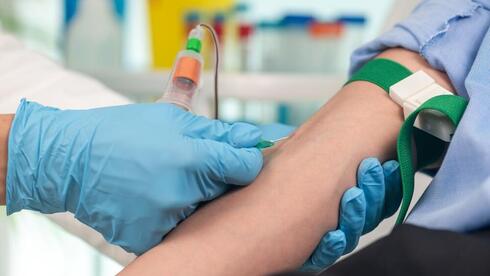
It's increasingly common to see headlines and social media conversations about the rise in colorectal cancer among younger adults.In fact, the growing incidence of colorectal cancer in people under age 50 helped drive the American Cancer Society's 2018 decision to recommend lowering the recommended age for average-risk screening from 50 to 45.Riding on the momentum of increasing public awareness of colorectal cancer, the society has now released updated screening guidelines in May 2026 to include new tests that reflect the latest science and could improve access to care.I am a public health researcher who has spent nearly 20 years developing colorectal cancer prevention programs and studying ways to improve screening guidelines.Offering more options for screening can help detect cancer earlier or prevent it altogether.The growing incidence of colorectal cancer in people under the age of 50 is spurring the new changes. (Sebastian Kaulitzki/Science Photo Library)What's new in the updated screening guidelines?The updated guidelines have added two additional screening options.The first option is an at-home screening test that checks stool samples for hidden blood and other molecular markers that may indicate the presence of colorectal cancer. The guidelines recommend taking these tests every three years.The other option is a blood-based screening test that can be done at a doctor's office. Patients who refuse a colonoscopy or a stool-based screening test can choose this test.Notably, the updated guidelines still offer patients a choice between a stool test and a direct visual exam – such as a colonoscopy – as the primary screening methods.It is also still recommended that adults with an average risk of colorectal cancer should start screening at age 45, and keep getting screened until age 75 or, if recommended by a doctor, beyond that.Which colorectal cancer screening test is better?For people with a family history of colorectal cancer or genetic or hereditary syndromes – or signs and symptoms of colorectal cancer, such as blood in the stool – a colonoscopy is the only recommended test.If you are age 45 and at average risk, your doctor may recommend the stool tests and blood tests. Because these are new options, however, many doctors' offices may not be immediately offering the tests.Ultimately, the best test is the one that gets done.Can I do a blood or stool test instead of a colonoscopy?Colonoscopy remains the preferred screening test for colorectal cancer. It's the only option for those experiencing signs and symptoms of colorectal cancer, and it's the recommended test for those who are at increased risk.Those with an average risk may still be recommended to receive a colonoscopy.
The US Just Updated Its Guidelines to Detect And Prevent Colorectal Cancer
It's increasingly common to see headlines and social media conversations about the rise in colorectal cancer among younger adults.
750 words~3 min read