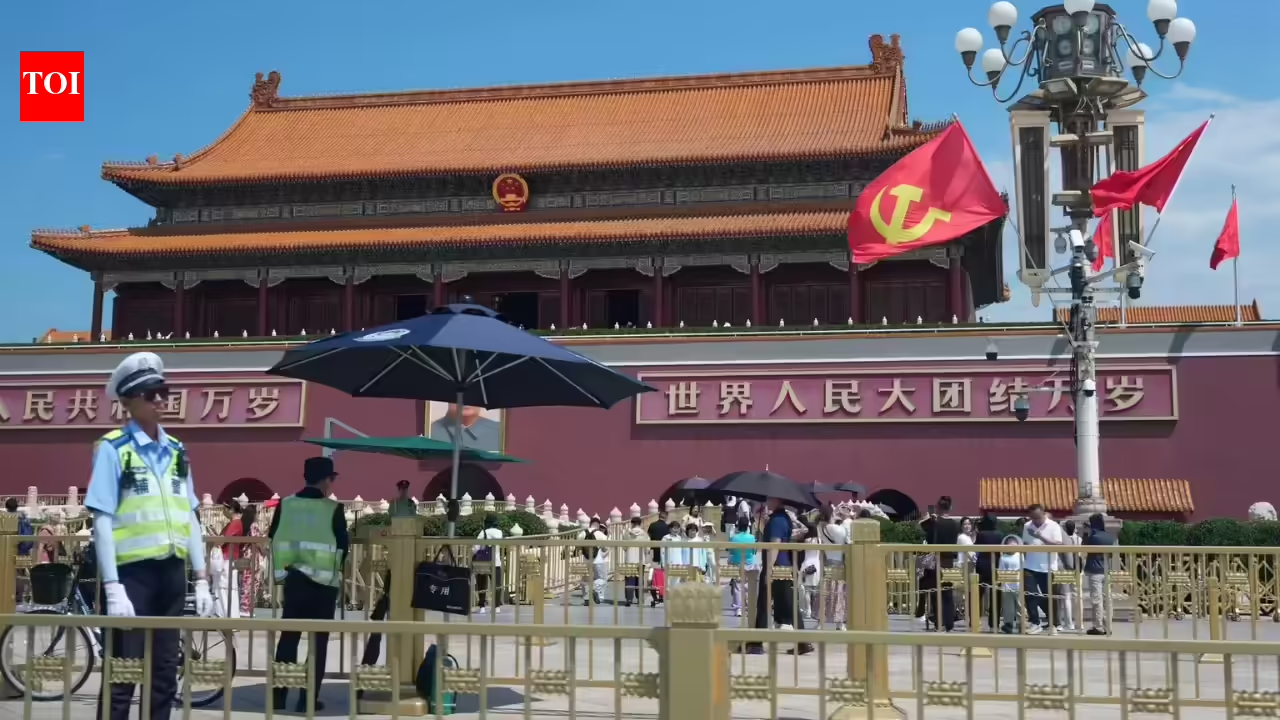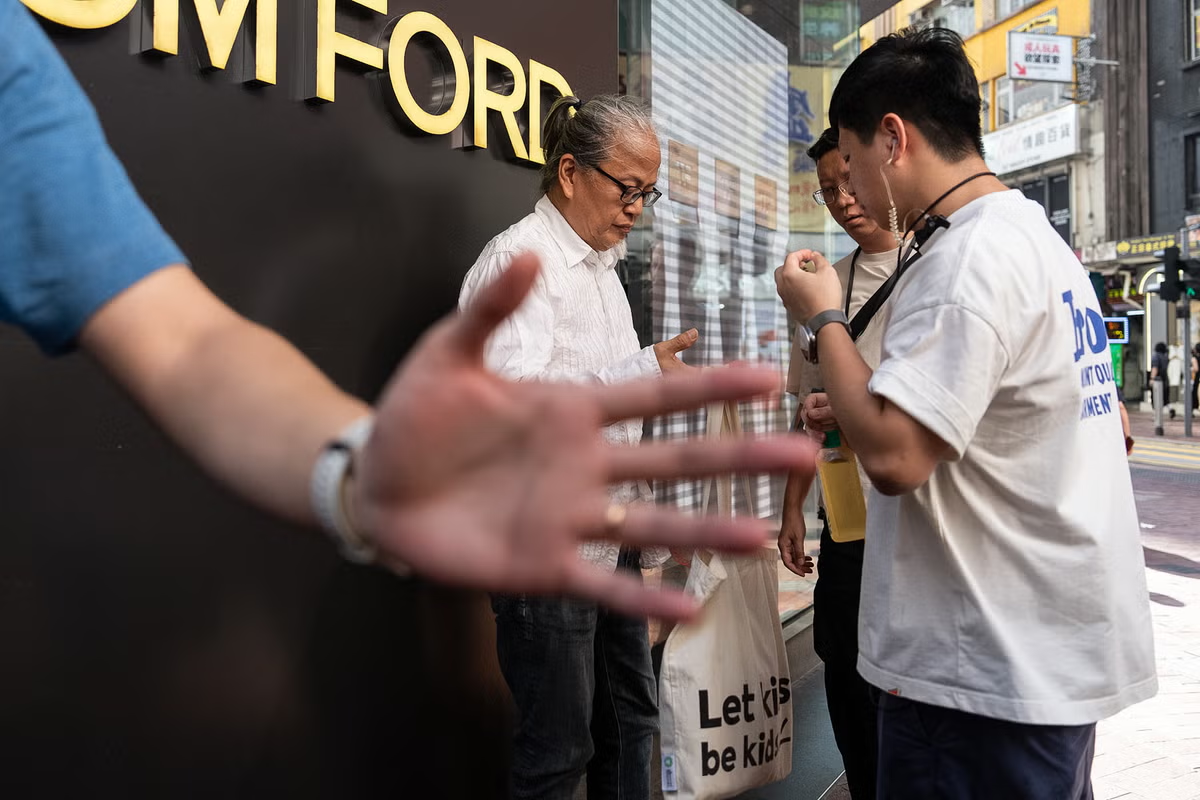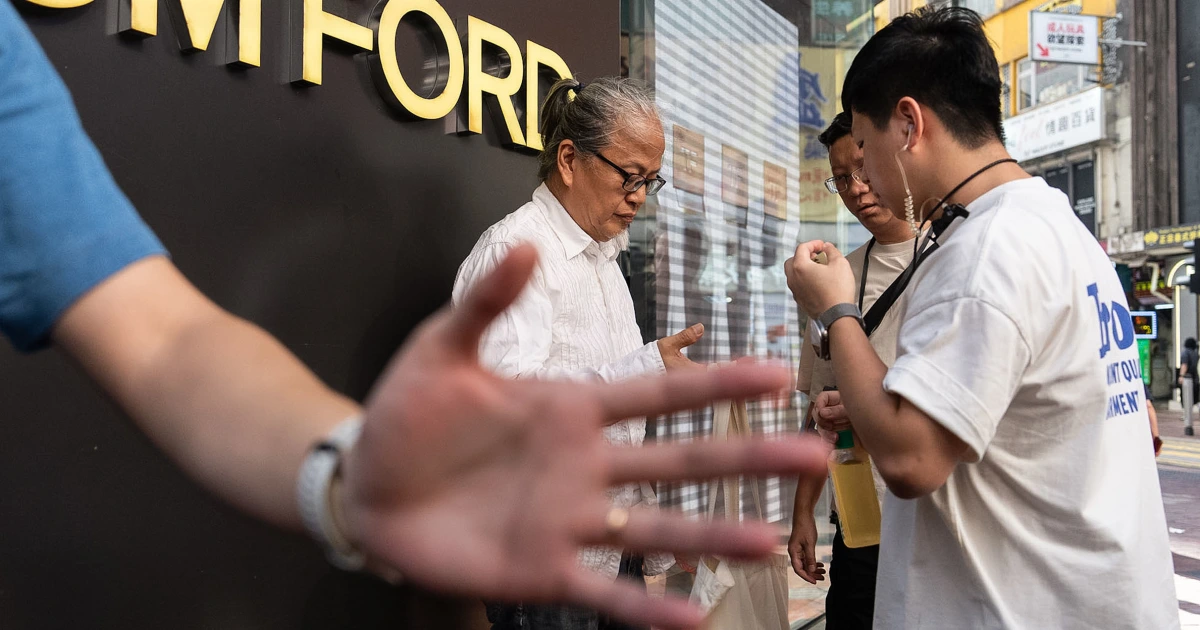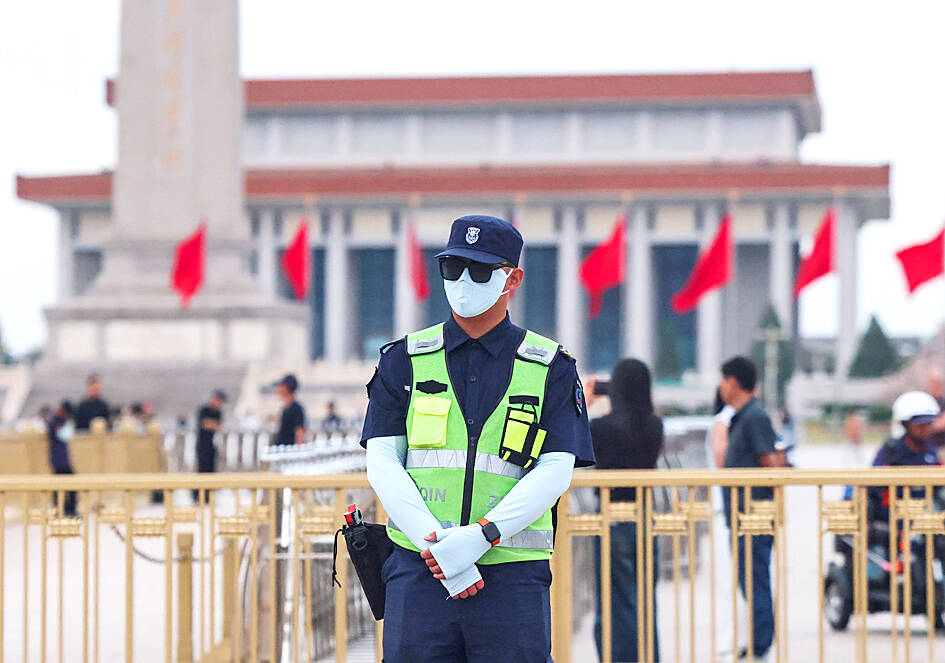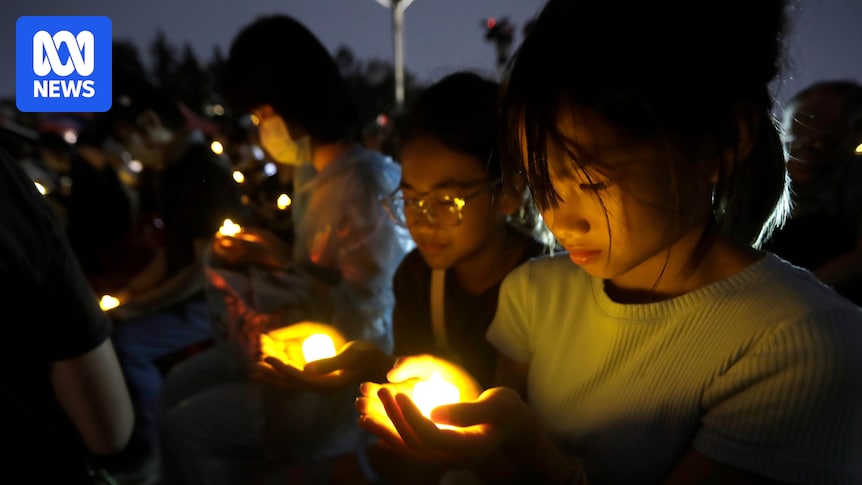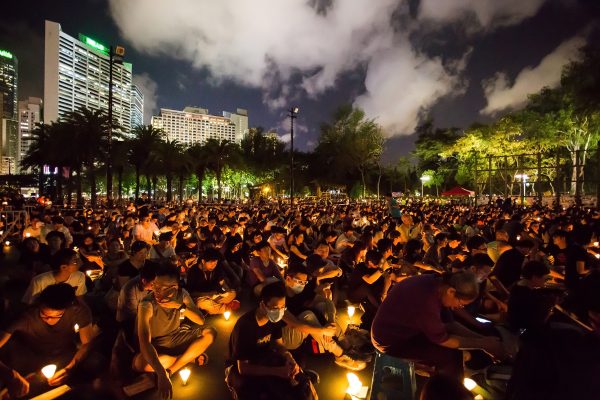
“They won’t let us go to Wan’an Cemetery.” Days before the 35th anniversary of the Tiananmen Massacre, members of the Tiananmen Mothers were informed by the Beijing Municipal Security Bureau that they would be barred from visiting the graves of loved ones killed in 1989.
For over three decades, Wan’an Cemetery served as the sole sanctioned space where grieving families could mourn together each June 4 – though always under heavy police surveillance. When I showed footage of the cemetery grounds to my Harvard freshman class 15 years ago, my students were stunned to see surveillance cameras deliberately installed over the burial sites of Tiananmen victims. Even the headstones told a story of fear: many originally omitted “June 4” as the date of death, with families adding it only years later.
Many of the student protesters who survived are now parents themselves, but the repression has only intensified. After allowing these heavily monitored cemetery visits for more than 30 years, the regime that killed their children is now depriving the Tiananmen Mothers of even this final act of remembrance.
In spring 1989, the sudden death of Hu Yaobang – the reformist Communist Party general secretary who had been purged for his sympathetic stance toward the 1986-87 student movements – sparked massive protests across China. Students, joined by workers and citizens nationwide, took to the streets demanding democratic reform and an end to corruption. The peaceful demonstrations, highlighted by college students’ hunger strike in Tiananmen Square, ended on June 4 when the regime deployed over 200,000 People’s Liberation Army soldiers, equipped with tanks and machine guns, to assault its own people in the capital.