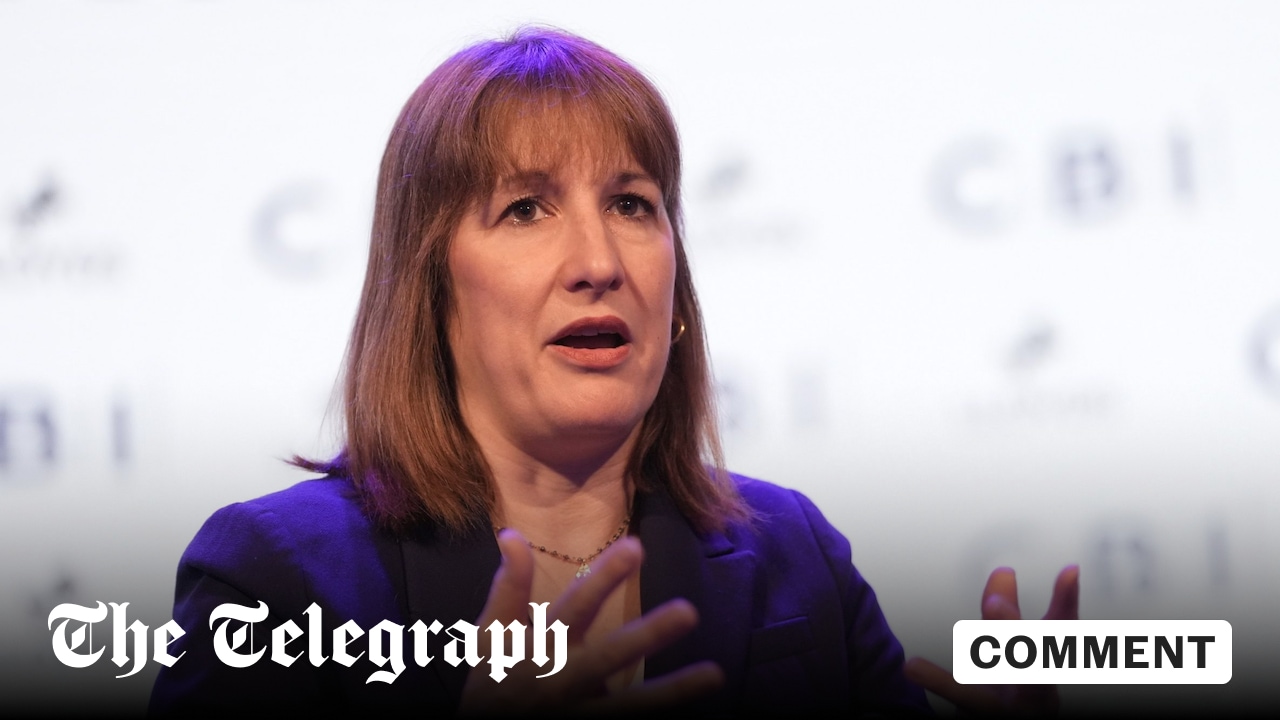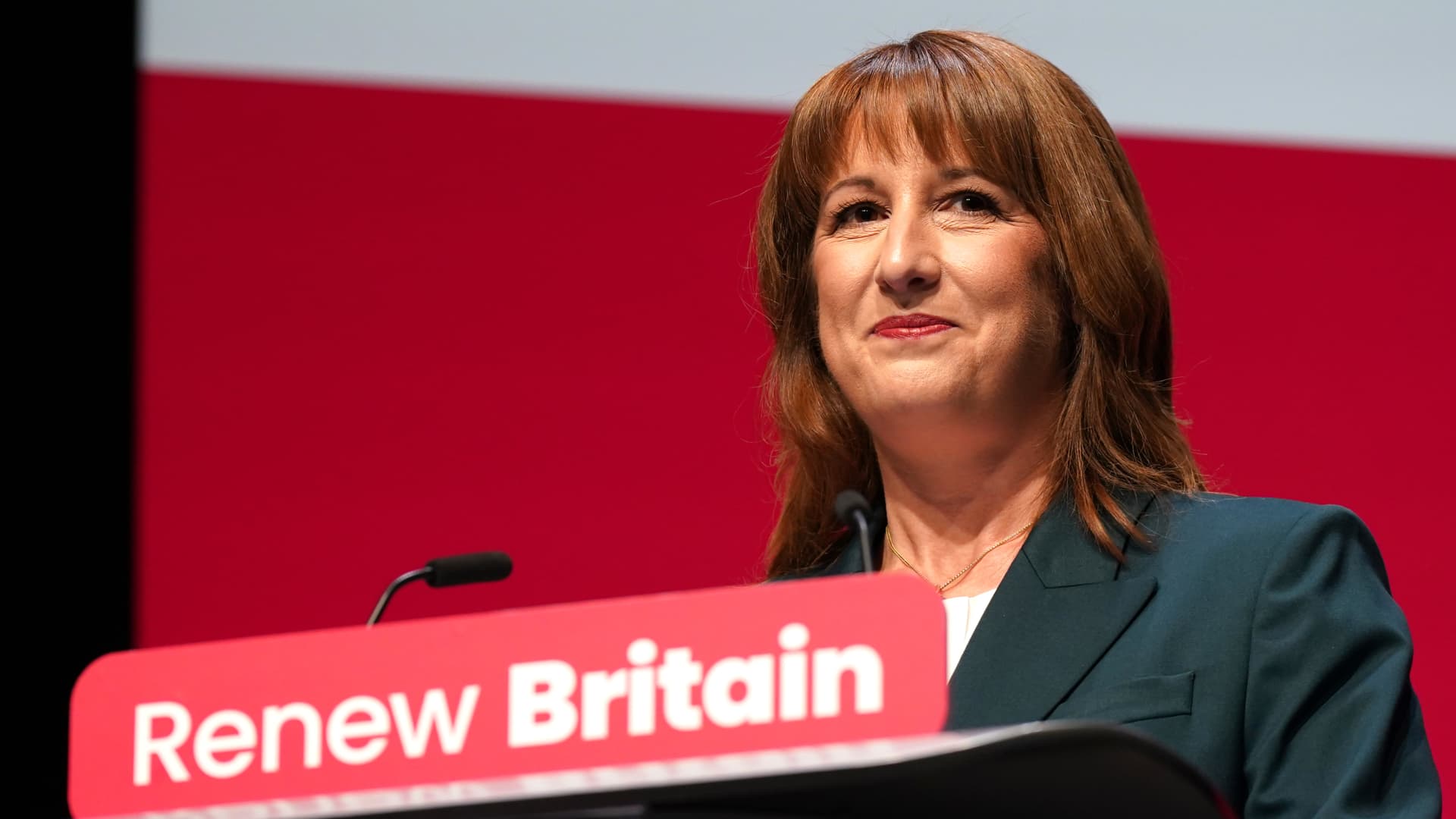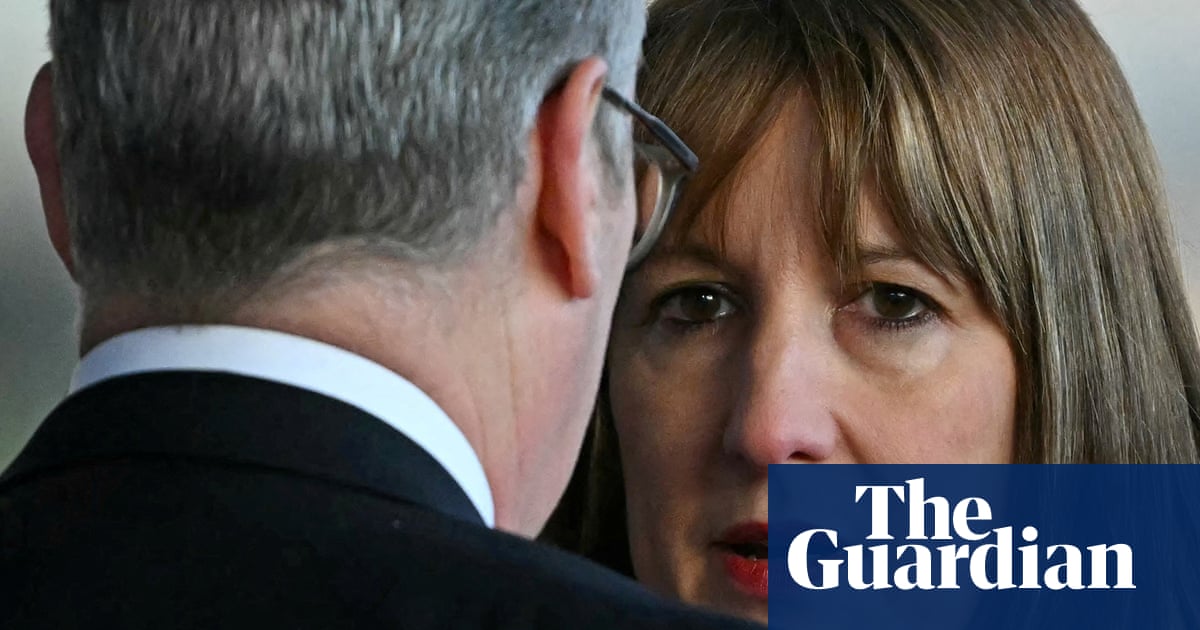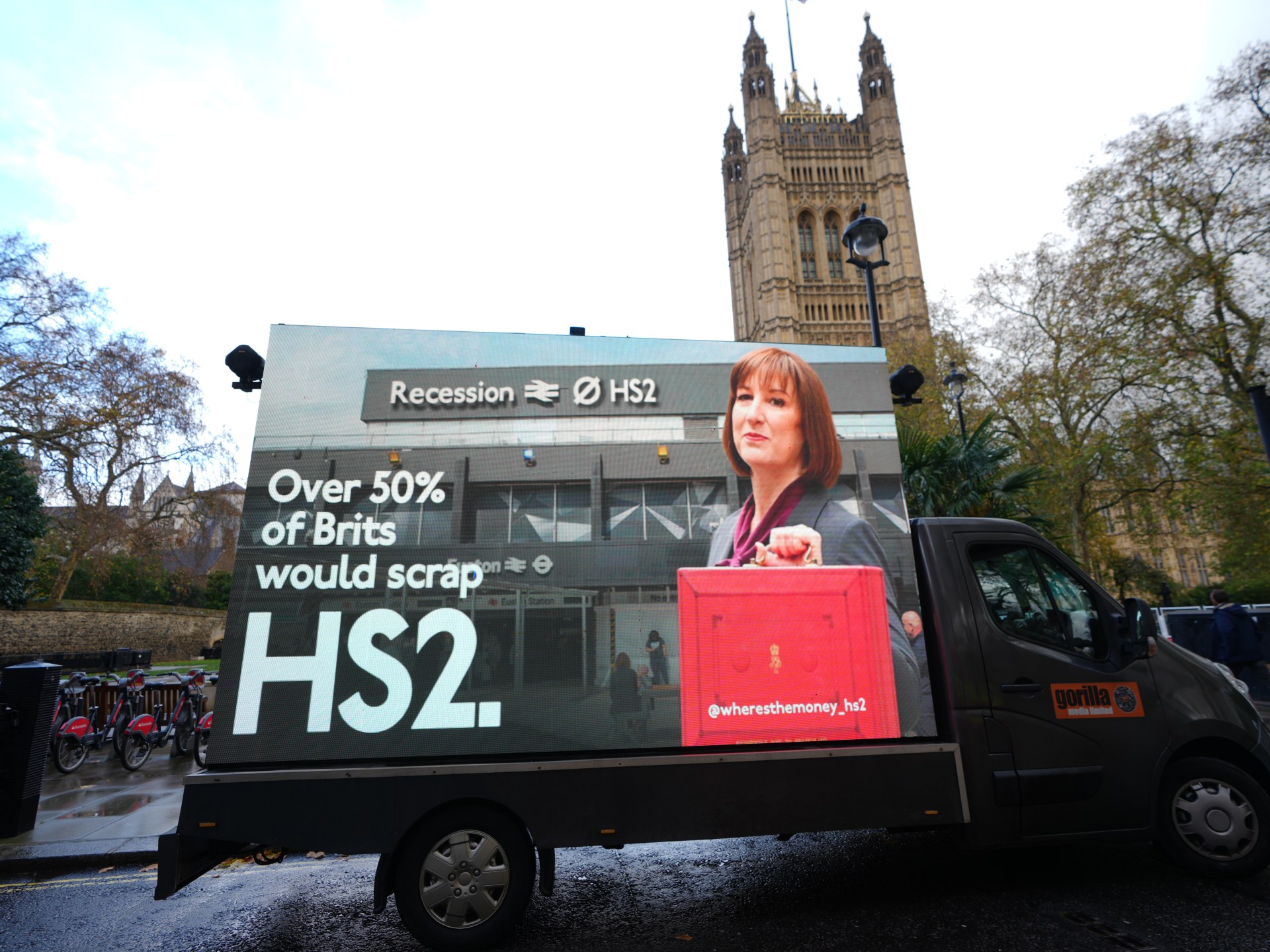
Life rarely offers us a straightforward choice between the right and wrong ways of doing things. But Chancellor Rachel Reeves is facing just such a choice this week – and with a grim inevitability, she’s veering in exactly the wrong direction.She has imposed fiscal rules on the Treasury that prevent excessive borrowing at the very time the war in Iran is driving up the cost of public debt.It emerged this week that in a bid to circumvent those borrowing restrictions, she has been talking to financiers about using private investment for government national infrastructure schemes. This so-called ‘Public-Private Partnership’ (PPP) is being mooted as a solution to Britain’s housing crisis.But everything about it is a disaster in the making. It will increase debt, punish taxpayers, damage communities and come with a guarantee of future problems by the lorry load. I have very good reason to know this and I’m far from alone.That is because PPP is not a new policy – it was used extensively during the Blair and Brown governments, when it was known as PFI: the Private Finance Initiative.By common assent, PFIs were not an unalloyed success. PPPs will be no different. They are not the answer to our housing crisis: They are the blueprint for a fresh financial crisis.It is easy to see why Rachel Reeves is keen on PPPs, given Britain’s debt levels. Just yesterday, Andrew Bailey, the Governor of the Bank of England, warned in chilling terms that Britain is at risk of a ‘vicious circle’ of rising costs to service the Government’s near-£3 trillion debt pile.And PPPs are precisely designed to avoid pushing up government borrowing in the short-term, shunting the burden on to private investors. Before she starts raising finance for new housing, the Chancellor needs to think about how people will live once they move in, writes Professor Stephen Smith In the long-term, however, that debt will appear on the state’s balance sheet – with massive interest payments attached. Despite this, Reeves commissioned a report from a group of major investors under the banner of the British Infrastructure Taskforce, on the feasibility of the resurrection of private finance initiatives.The report – unsurprisingly, since it comes from potential investors – is all for it. In fact, the research paper proposes the renewed use of PPPs to fund projects in education, defence and healthcare, though not hospitals that would usually be paid for directly by taxation.The UK needs more homes but, alongside the devastating economic implications of PPPs, there is another glaring problem in Reeves’s housing plan. We cannot invest in uncontrolled suburban sprawl without first putting vital services such as schools and transport links in place.I spent three years in Singapore, where the housing crisis is even more pressing. The government there builds railways and Tube stations first, sets up medical centres and facilities for childcare and education, and only when these are in place does it build the houses.In the UK, we’ve historically done it the other way round. In every case, a lack of community infrastructure has led to social problems that are slow and expensive to fix.Before she starts raising finance for new housing, Reeves needs to think about how people will live once they move in.As a former chief executive of one of the largest NHS trust in the country, I am most worried about the spectre of private finance returning to the healthcare sector. Once PPPs take root in government policy, they spread like knotweed.I ran the Imperial College Healthcare Trust in London when it was first set up in 2007, as well as being principal of the faculty of medicine there. Gordon Brown, who became prime minister the same year, was strongly in favour of using private investment to fund expansion – and I was just as strongly against it. Hospital trusts never have a surplus of cash. They spend every penny they receive from the Government on providing care to patients. Most, in fact, overspend. Not one comes in under budget. Gordon Brown was strongly in favour of using private investment to fund expansion PPP is not a new policy – it was used extensively during the Blair and Brown governments, when it was known as PFI: the Private Finance InitiativeBut the business model of a PFI or PPP requires the trust to repay the cost of investment out of its operating budget. The money has to be found, not only for the cost of the project but for interest payments over many years.It’s little different to taking out a mortgage for buying a house. You borrow a large sum of money that has to be repaid from your salary over a fixed period, and pay compound interest on top of that.Another analogy is the car finance deal. All too often, this looks an enticing way to make a much-wanted purchase without a major initial expense. But as the repayments add up, it can turn out to be a painfully expensive way of buying a vehicle.I repeatedly refused the blandishments of the PFI model, because it meant locking Imperial College into 40 years of repayments. That’s a shocking legacy to bequeath my successors.They would curse my name for sure, since the only way to find money for debt repayment would have been to cut our operating costs, which meant fewer staff. The idea of laying off doctors and nurses in order to meet interest payments to private investment companies struck me as quite iniquitous.But it’s not just the interest payments. The cost of services provided by the private sector under Blair and Brown’s PFI arrangements soared to ludicrous levels, too.One hospital was reported to have been charged £333 by a PFI firm to change a lightbulb, while a school was charged £300 for an electric socket.Yet a number of hospital trusts took the bait. St Bartholomew’s, or Barts, in central London, together with the Royal London in Whitechapel, signed a redevelopment deal worth more than £1 billion in 2006, to be delivered and managed by a private consortium led by the construction and investment companies Skanska and Innisfree.The largest hospital PFI ever, it was fixed for 42 years. But by 2015, Barts was in ‘special measures’, its wards dangerously understaffed and overcrowded as the institution imploded, in part because of the weight of its debt.By then, about half the initial investment had been repaid: £675 million out of £1.15 billion. But the projected total cost of the payments was more than £7 billion by 2048. Barts made a monumental error, but others were lured into the same mistake. The Norfolk and Norwich University hospital signed a £229 million deal in 2001: By the time this is paid off in 2037, it is expected to cost a total of £1 billion, more than four times the initial investment.According to the Institute for Public Policy Research, by the time PFI schemes were finally abolished in 2018, NHS Trusts were paying £2.5 billion a year to the private sector, resulting in the NHS having to pay these additional costs from its annual operating budget.Britain is far from the only country that has blundered in this way. PPPs are rapacious in Africa, Asia and South America, funding everything from schools in Liberia and roads in Brazil to waterworks in the Philippines and electricity networks in Tanzania – all at extortionate costs.In Sweden, a PPP is behind the notorious NKS hospital in Stockholm, which opened four years behind schedule and 150 per cent over budget at a cost of £2.4 billion.All the evidence, from recent British history under both Labour and the Conservatives, as well as examples from every continent on Earth, points in one direction. These schemes are a disaster.Professor Stephen Smith is the former CEO of Imperial College Healthcare NHS Trust and Dean of Medicine at Imperial College London.
How Rachel Reeves is about to make the same mistake as Blair and Brown
Life rarely offers us a straightforward choice between the right and wrong ways of doing things. But Chancellor Rachel Reeves is facing just such a choice this week.
1,300 words~6 min read