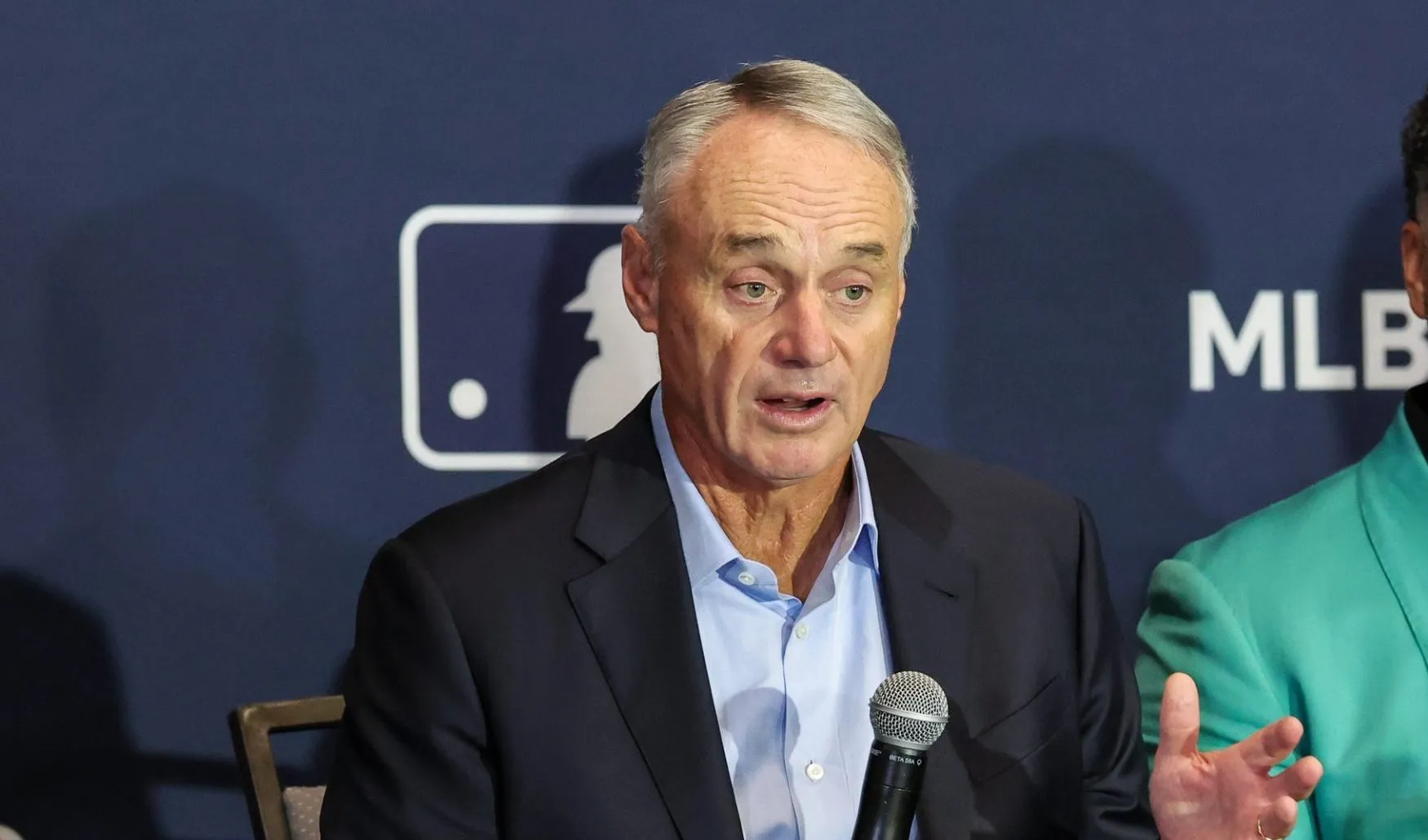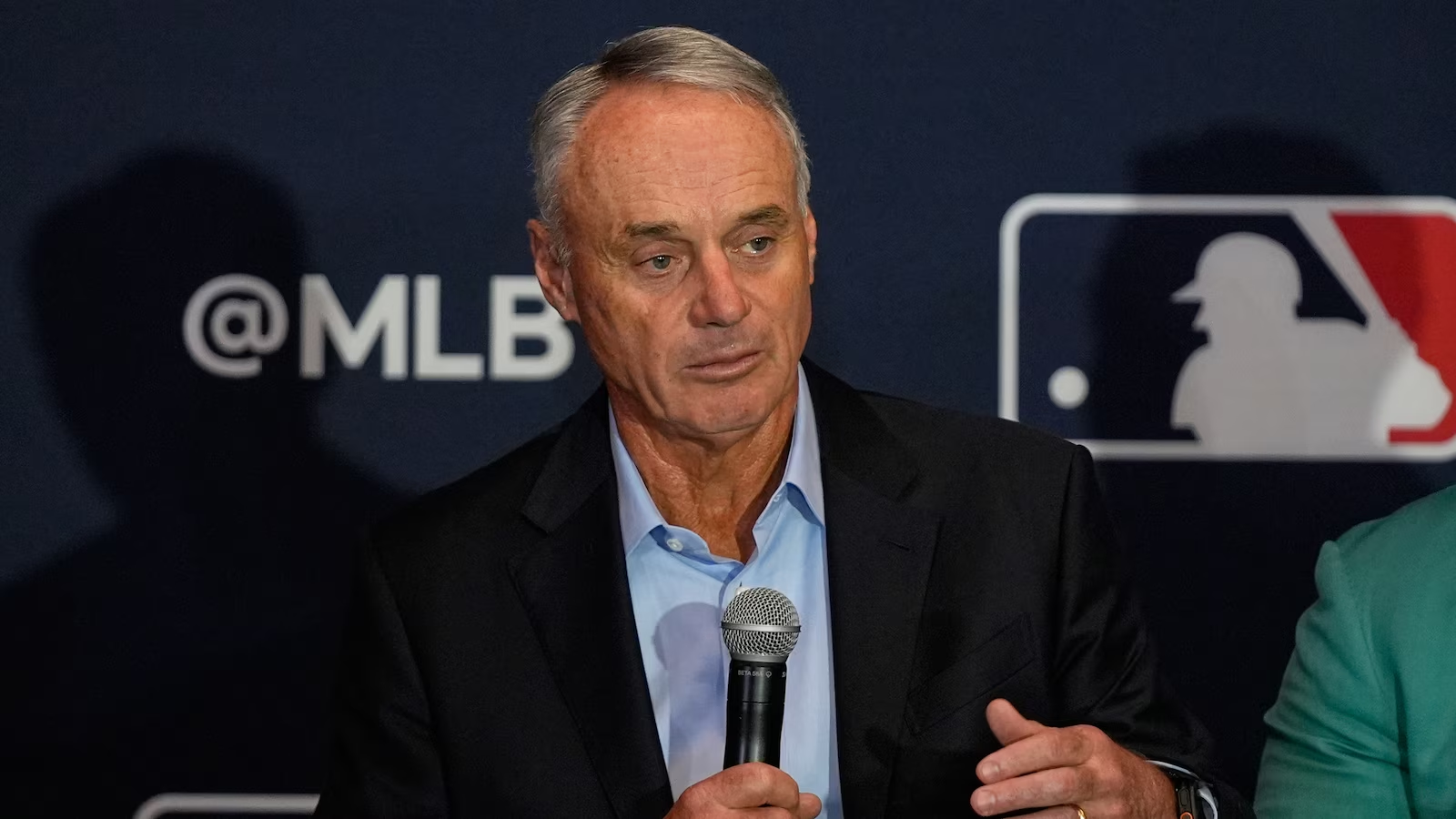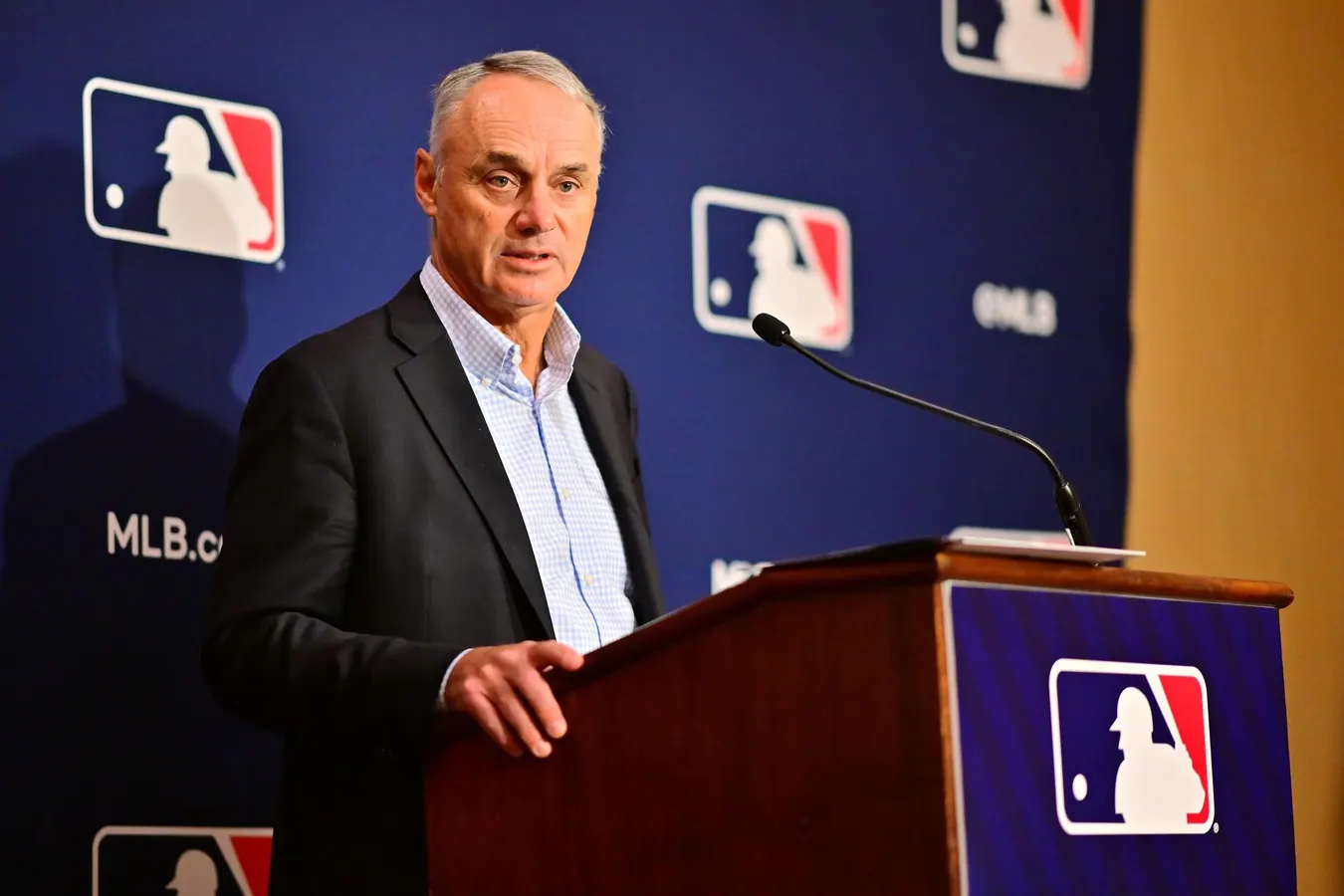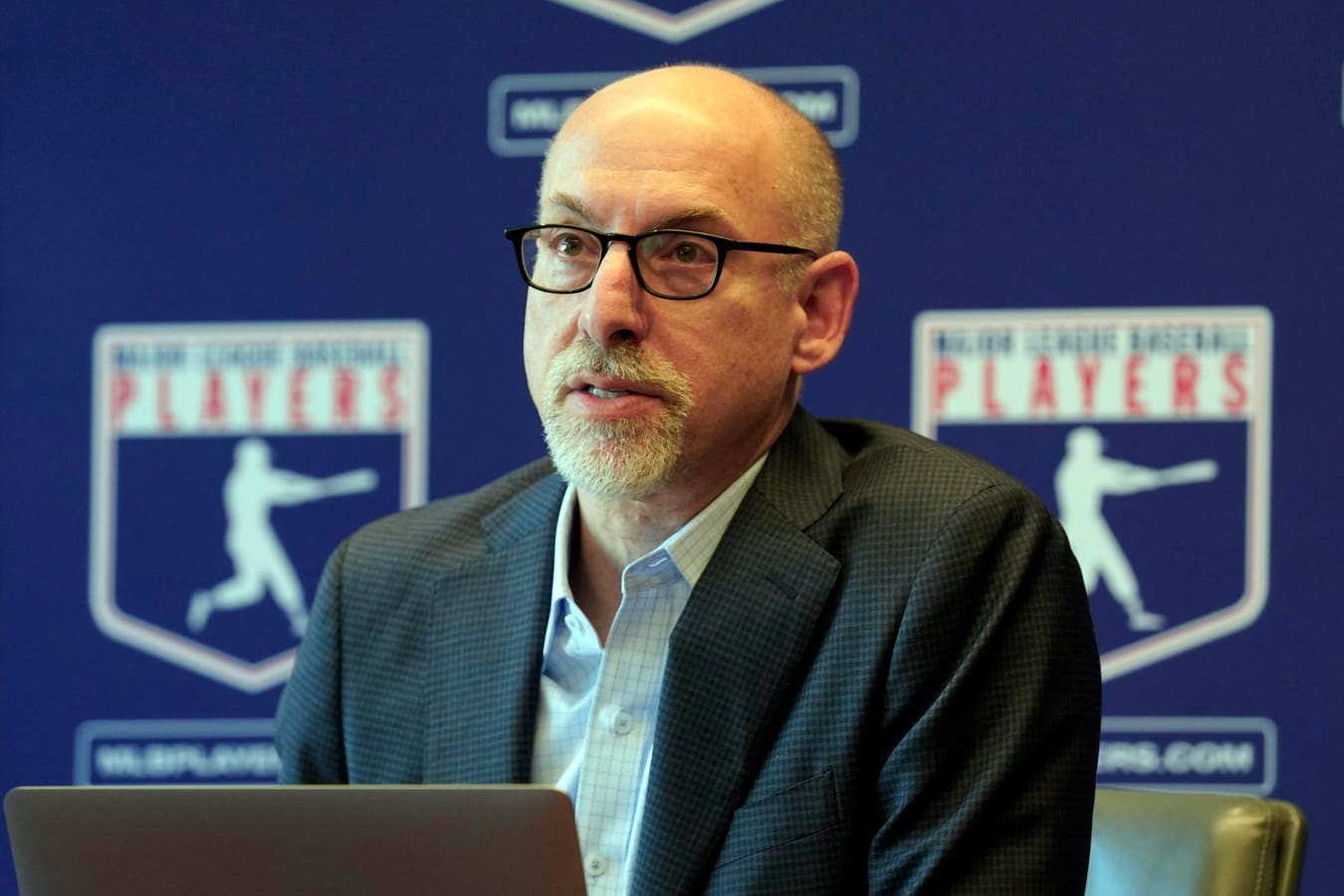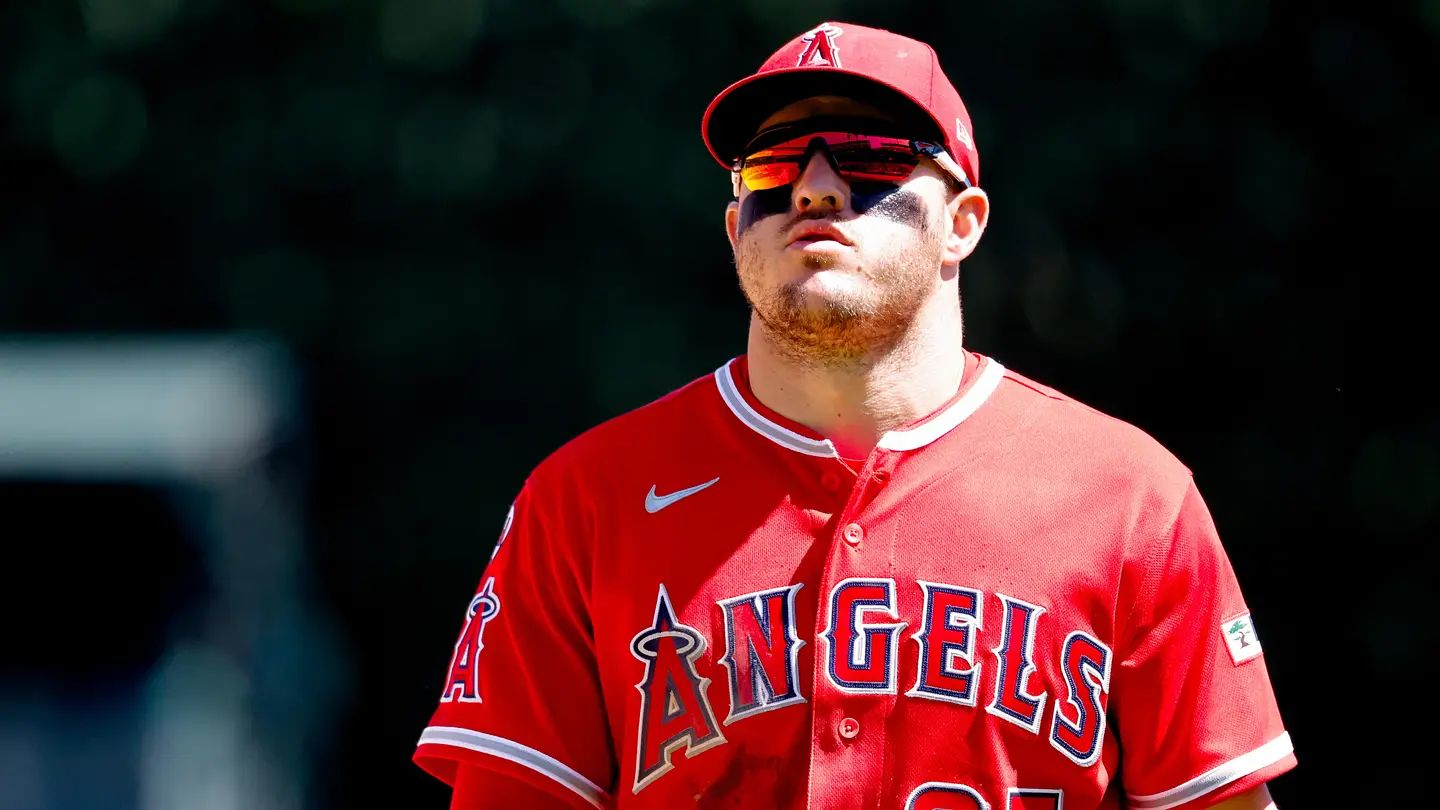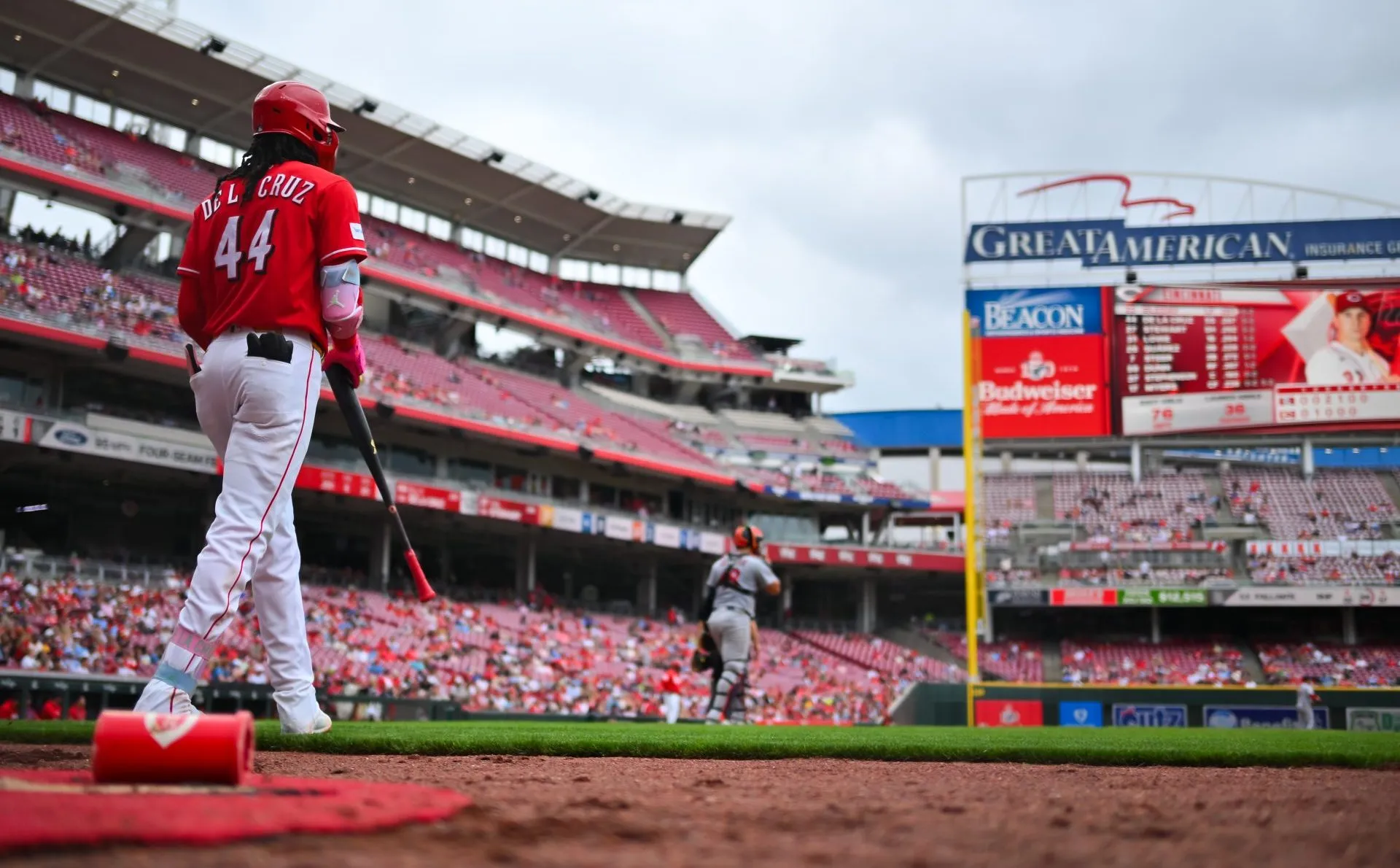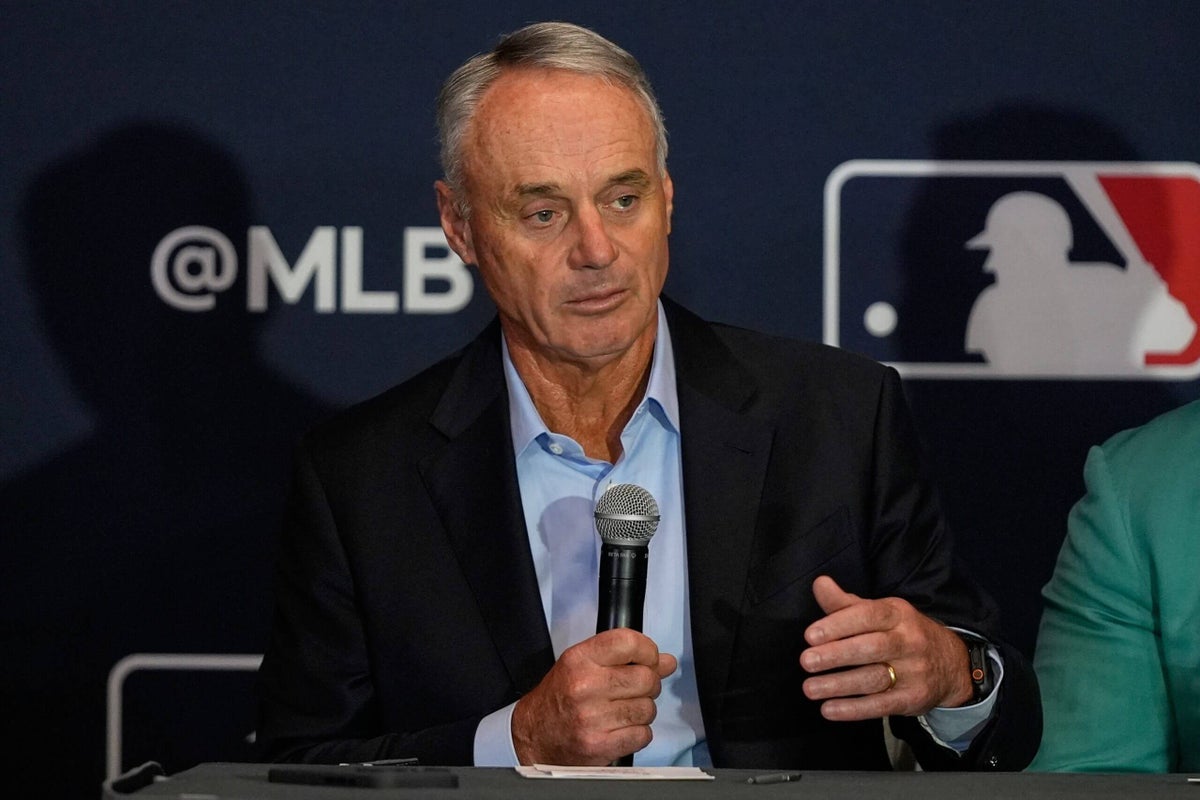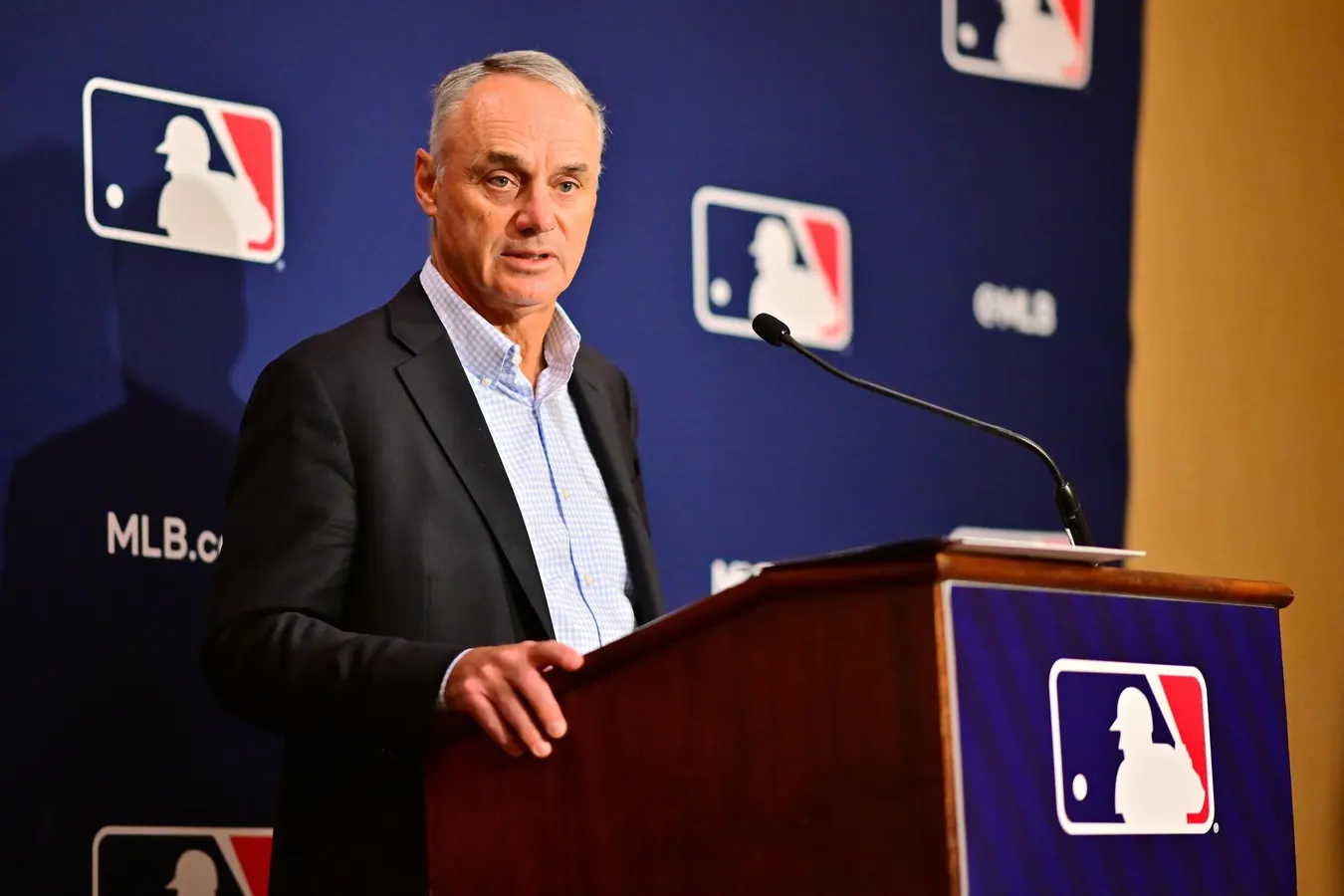
NEW YORK — Major League Baseball is building its public arguments for a salary cap around parity, and in particular, a perception by fans that small-market teams cannot compete. That effort continued on Wednesday, when during his first press conference since the league and players’ union exchanged initial proposals for a new labor deal, commissioner Rob Manfred took aim at the sport’s luxury-tax system, designed to deter large-market spending.“We have tried mightily over several rounds of bargaining to use a competitive balance tax to address competitive concerns, and sometimes, you got to admit you failed,” Manfred said at MLB’s headquarters, where the league was holding owners’ meetings.But whether fan perception is reality is hotly contested. Manfred has spoken well of baseball’s parity in the past. And the union’s opposition to a salary cap is so well known that Manfred acknowledged he worries MLB could wind up repeating the ugly conflict that stemmed from the league’s last serious push for one — a 232-day strike from 1994-95 that included a canceled World Series.“Of course I do. Of course I do,” said Manfred, who at the time worked with MLB as outside counsel. “Look, we want to make an agreement. We made a proposal on one set of topics at the outset of negotiations.“I went and said myself: Look, we’re open to whatever ideas people have. But we need a realistic framework that addresses the fans’ concerns about competitive balance, and you just can’t ignore that financial penalties have not gotten it done for us.”Manfred declined to answer, however, whether the league’s desire for a cap this time around would be worth an extended lockout. The current labor deal expires in December, and a new one would probably need to be in place by mid-March to avoid the cancellation of at least some games during the 2027 season.“I’m not going to speculate about work stoppages,” he said.The Major League Baseball Players Association argues that baseball’s parity is just as strong as other sports’, if not better. The union also blames the clubs themselves for the sport’s payroll disparity, where in the extreme, one team (the Los Angeles Dodgers, $420 million, per Cot’s Contracts) has about five times the payroll as another (the Miami Marlins, $83.6 million). When some teams choose to spend less on players, they exacerbate the gap, interim union head Bruce Meyer said Monday.Over time, Manfred has offered what appear to be contradictory statements on the state of parity. For example, in October 2024 he told The Athletic that baseball has had a “darn good” record in that area.
Commissioner Rob Manfred, who once touted MLB’s parity, says luxury-tax system has failed
Manfred questioned MLB's parity Wednesday, while acknowledging fears that a salary cap fight could rival the ugliness of the 1994-95 strike.
1,252 words~6 min read