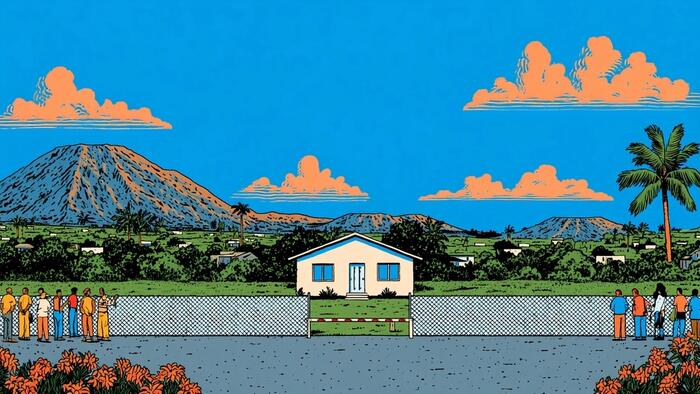
HONOLULU (AP) — A lawsuit filed this week in U.S. court in Honolulu challenges a century-old system that provides one of the most valuable benefits for Native Hawaiians: land at almost no cost. The lawsuit says the Hawaiian Homes Commission Act, which sets aside land for those who have at least 50% Hawaiian blood quantum, is unconstitutional. It was filed Monday by the Pacific Legal Foundation on behalf of a man who is not Hawaiian but is described in the lawsuit as a lifelong Hawaii resident. It’s the latest challenge to Native Hawaiian entitlements amid the Trump administration’s pushback against diversity, equity and inclusion policies.Homestead communities across the state have been key to economic self-sufficiency and strongholds of Hawaiian culture and traditions. Those with at least 50% Hawaiian blood can apply for a 99-year lease for $1 a year. There are about 29,000 people on a waitlist for residential or agricultural land leases.
Land for Hawaii’s Indigenous peopleAs a delegate to U.S. Congress for the Territory of Hawaii, Prince Jonah Kūhiō Kalaniana‘ole in 1920 pushed for a way to give Hawaii’s Indigenous people land to live on to help Hawaiians who were “landless and dying” as a result of disease, intermarriage and loss of lands since the 1893 overthrow of the Hawaiian Kingdom by American business owners. Plantation owners opposed the idea and wanted to include only full-blooded Hawaiians, with the expectation that there would come a time when there would be none left, said Robin Puanani Danner, senior adviser to the Sovereign Council of Hawaiian Homestead Associations. The organization aims to protect the act passed by Congress in 1921. Congress settled on the eligibility requirement of 50% Hawaiian blood, she said.