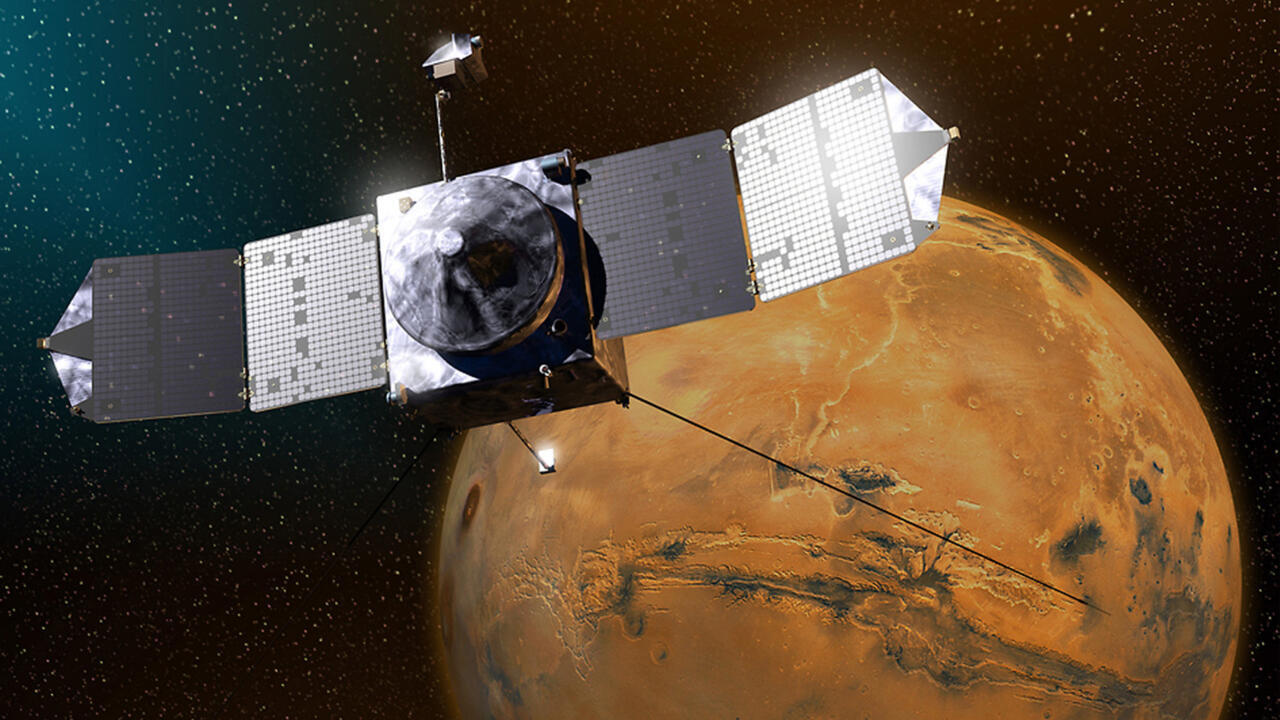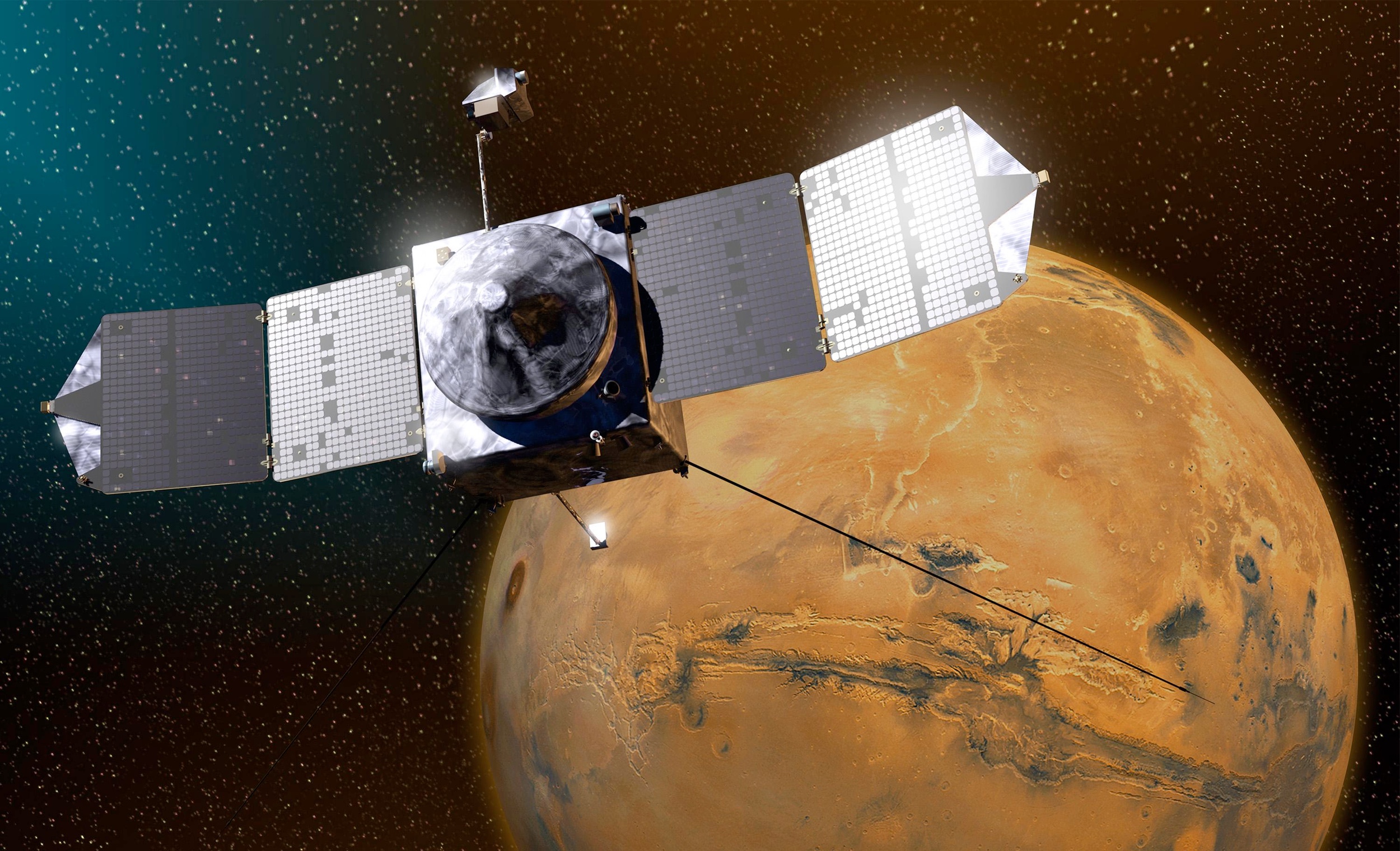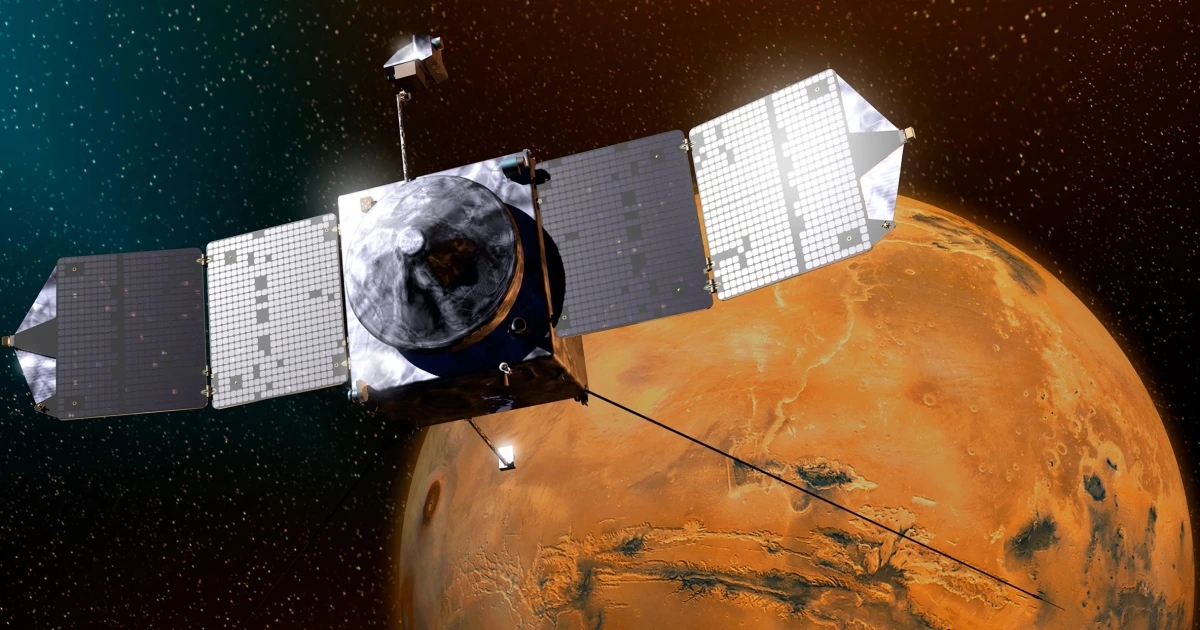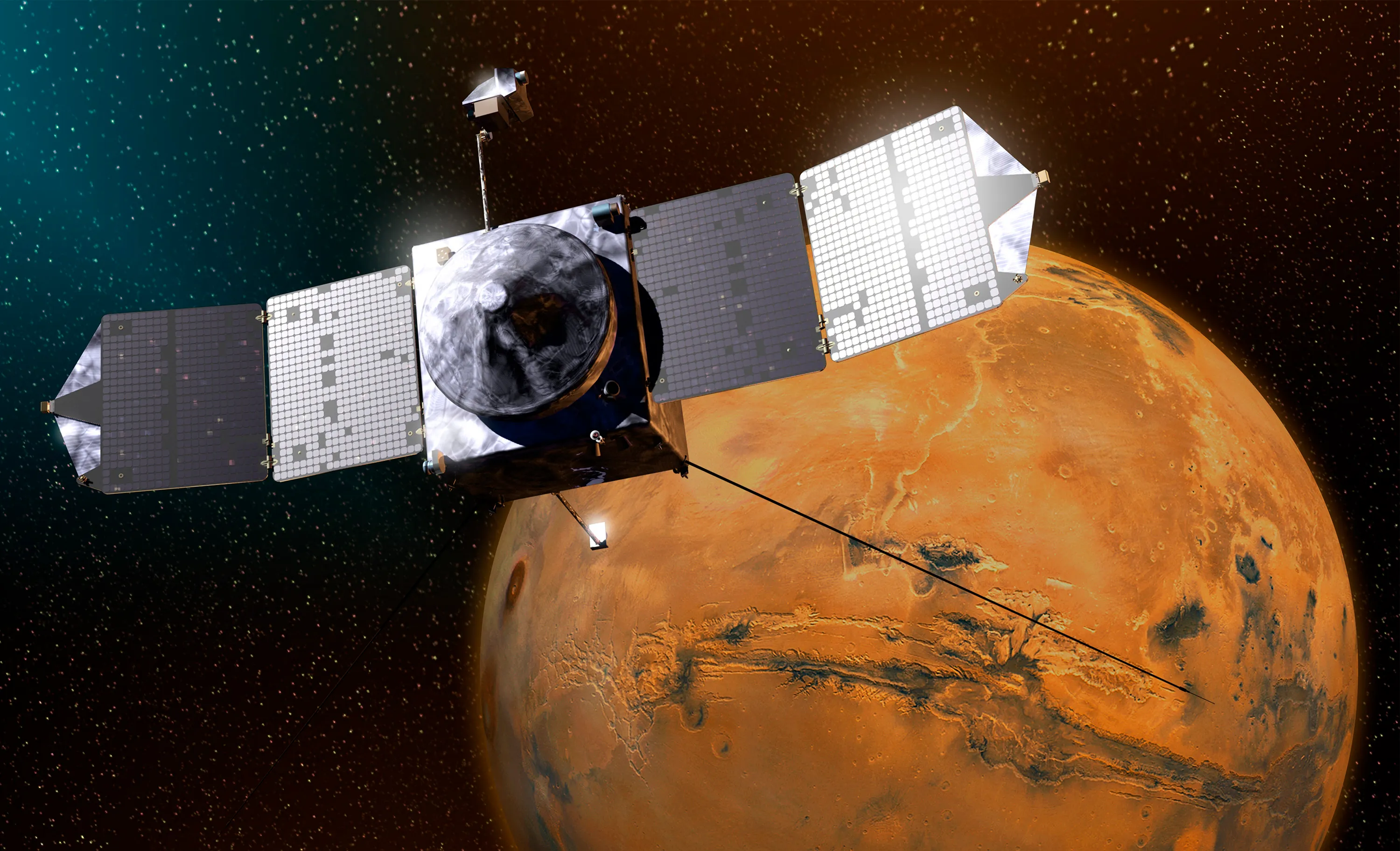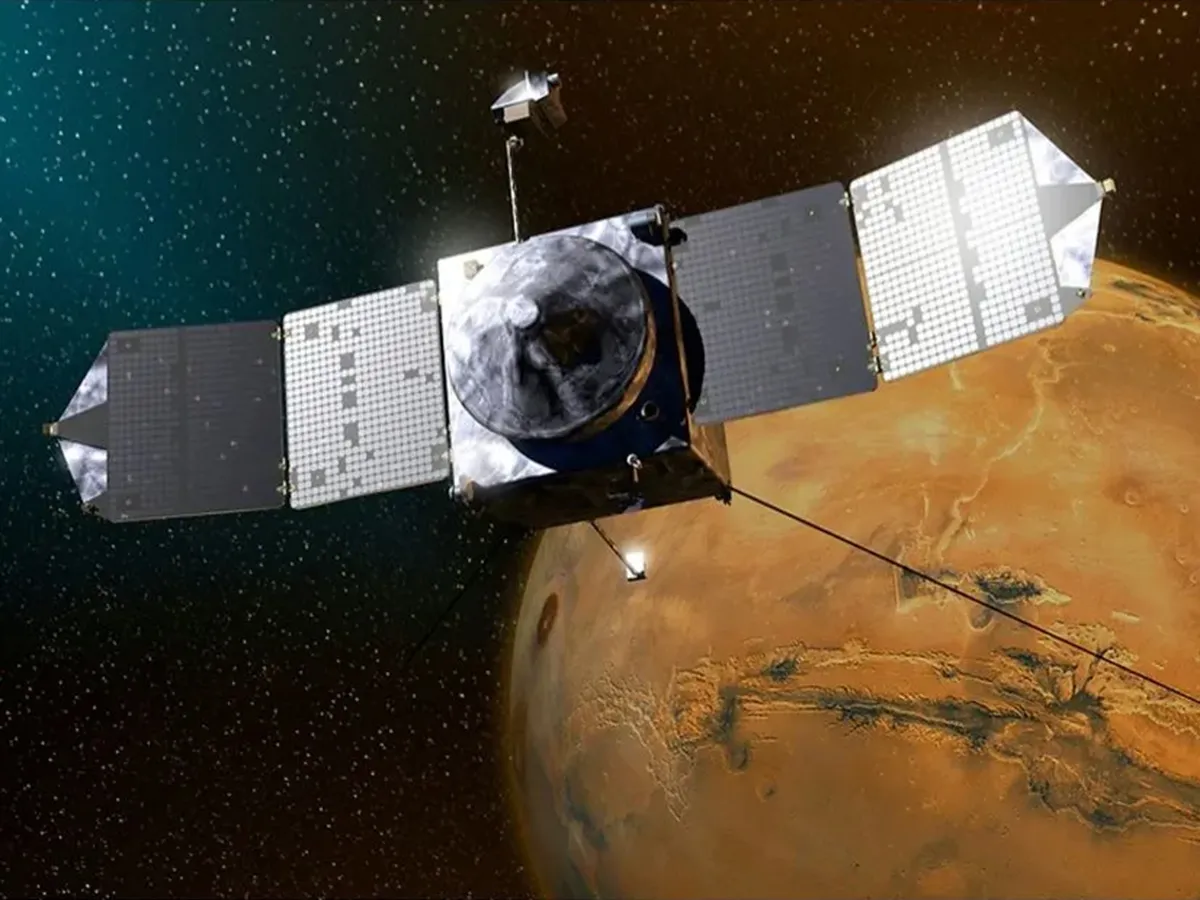
Skip to Content Subscribe Our Offers My Account Manage My Subscriptions FAQ Newsletters Canada Canadian True Crime Canadian Politics Health World Israel & Middle East Financial Post NP Comment Longreads Puzzmo Diversions Comics NP News Quiz New York Times Crossword Horoscopes Life Eating & Drinking Style Sponsored Play for Ontario Travel Travel Canada Travel USA Travel International Cruises Travel Essentials Culture Books Celebrity Movies Music Theatre Television Business Essentials Advice Lives Told Tails Told Shopping Buy Canadian Home Living Outdoor Living Tech Style & Beauty Kitchen & Dining Personal Care Entertainment & Hobbies Gift Guide Travel Guide Deals Savings National Post Store More Sports Hockey Baseball Basketball Football Soccer Golf Tennis Driving Vehicle Research Reviews News Gear Guide Obituaries Place an Obituary Place an In Memoriam Classifieds Place an Ad Celebrations Working Business Ads Archives Healthing Epaper Manage Print Subscription Profile Settings My Subscriptions Saved Articles My Offers Newsletters Customer Service FAQ Newsletters Canada World Financial Post NP Comment Longreads Puzzmo Diversions Life Shopping Epaper Manage Print Subscription HomeNewsSpaceWorldAfter six months of silence from Mars probe, NASA to pull plug on missionMAVEN was intended to operate for one or two years, but the probe remained active for more than a decade, until Dec. 2025 when it lost contact with EarthAuthor of the article: You can save this article by registering for free here. Or sign-in if you have an account.An artist rendering provided by NASA of the Mars Atmosphere and Volatile Evolution (MAVEN) mission. Photo by NASA/LOCKHEED MARTIN/AFP/FileNASA said Wednesday it will end its mission to study the atmosphere and evolution of Mars after its probe went silent for six months.Enjoy the latest local, national and international news.Exclusive articles by Conrad Black, Barbara Kay and others. Plus, special edition NP Platformed and First Reading newsletters and virtual events.Unlimited online access to National Post.National Post ePaper, an electronic replica of the print edition to view on any device, share and comment on.Daily puzzles including the New York Times Crossword.Support local journalism.Enjoy the latest local, national and international news.Exclusive articles by Conrad Black, Barbara Kay and others. Plus, special edition NP Platformed and First Reading newsletters and virtual events.Unlimited online access to National Post.National Post ePaper, an electronic replica of the print edition to view on any device, share and comment on.Daily puzzles including the New York Times Crossword.Support local journalism.Create an account or sign in to continue with your reading experience.Access articles from across Canada with one account.Share your thoughts and join the conversation in the comments.Enjoy additional articles per month.Get email updates from your favourite authors.Create an account or sign in to continue with your reading experience.Access articles from across Canada with one accountShare your thoughts and join the conversation in the commentsEnjoy additional articles per monthGet email updates from your favourite authorsSign In or Create an AccountorScientific spacecraft MAVEN — short for Mars Atmosphere and Volatile Evolution — went into Martian orbit in 2014.The mission was originally intended to operate for one or two years, but the probe remained active for more than a decade, until December 2025 when it lost contact with Earth.After months of silence, NASA has resigned itself to the loss of the spacecraft, which is believed to still be in orbit around Mars.Get a dash of perspective along with the trending news of the day in a very readable format.By signing up you consent to receive the above newsletter from Postmedia Network Inc.A welcome email is on its way. If you don't see it, please check your junk folder.The next issue of NP Posted will soon be in your inbox.We encountered an issue signing you up. Please try againThe U.S. space agency said Wednesday it would investigate the cause of the loss.For Shannon Curry, an astrophysics professor involved in the flight, it was the “best Mars mission ever.”The probe enabled scientists to understand the phenomenon of atmospheric escape, which is the loss of atmospheric gases into space, Curry told reporters.“We now have a better understanding of atmospheric escape at Mars than at any other planet, including Earth, and consequently Mars serves as an incredible natural laboratory for understanding rocky planet atmosphere,” Curry said.NASA exploration program chief Tiffany Morgan added that the MAVEN “profoundly advanced our understanding of Mars’s atmosphere, climate history, and habitability.”The probe also served as a communications relay between Earth and the robots NASA has sent to the surface of the red planet.Other orbiters will now have to pick up those relays. Join the Conversation This website uses cookies to personalize your content (including ads), and allows us to analyze our traffic. Read more about cookies here. By continuing to use our site, you agree to our Terms of Use and Privacy Policy.
After six months of silence from Mars probe, NASA to pull plug on mission
MAVEN was meant to last one or two years, but the probe stayed active for over a decade, until Dec. 2025 when it lost contact with Earth.
780 words~4 min read