‘We are catching up’ – WHO chief on DR Congo’s Ebola fight
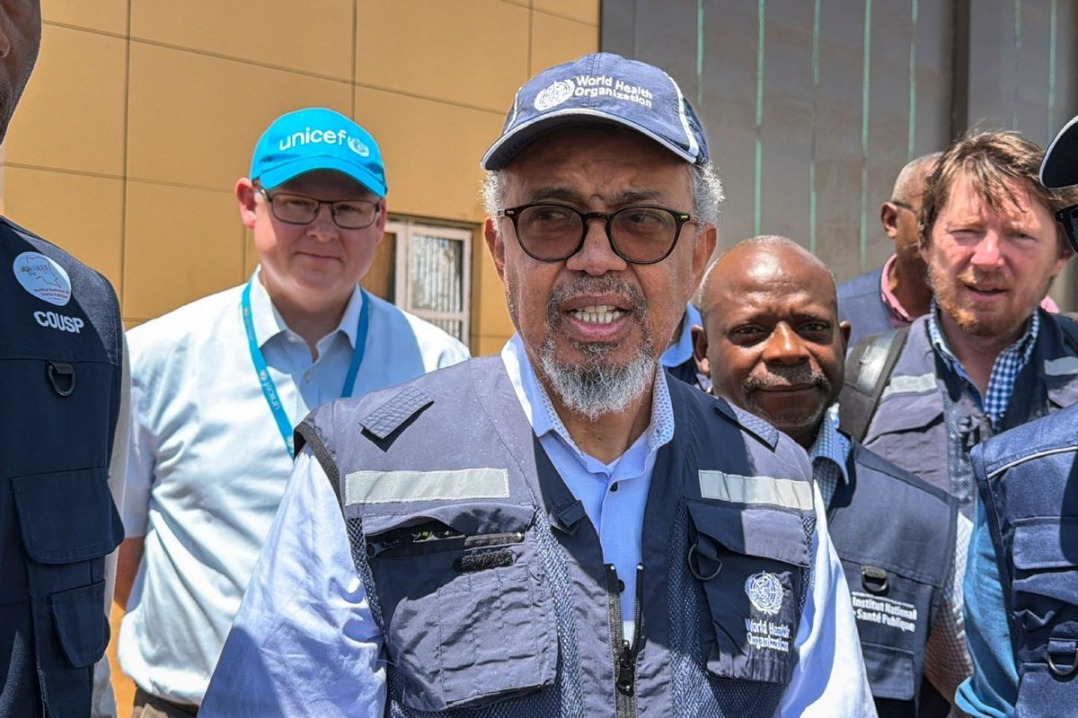
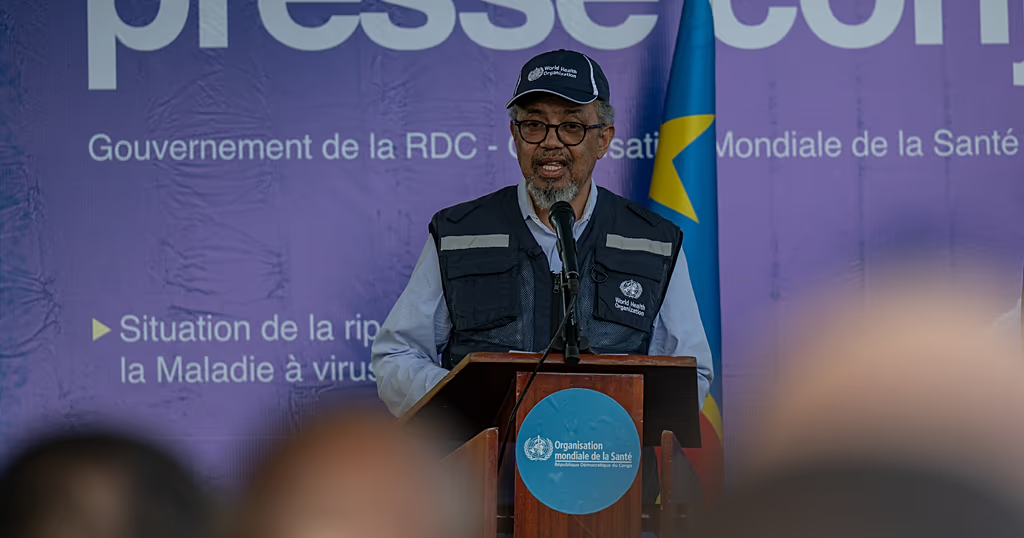
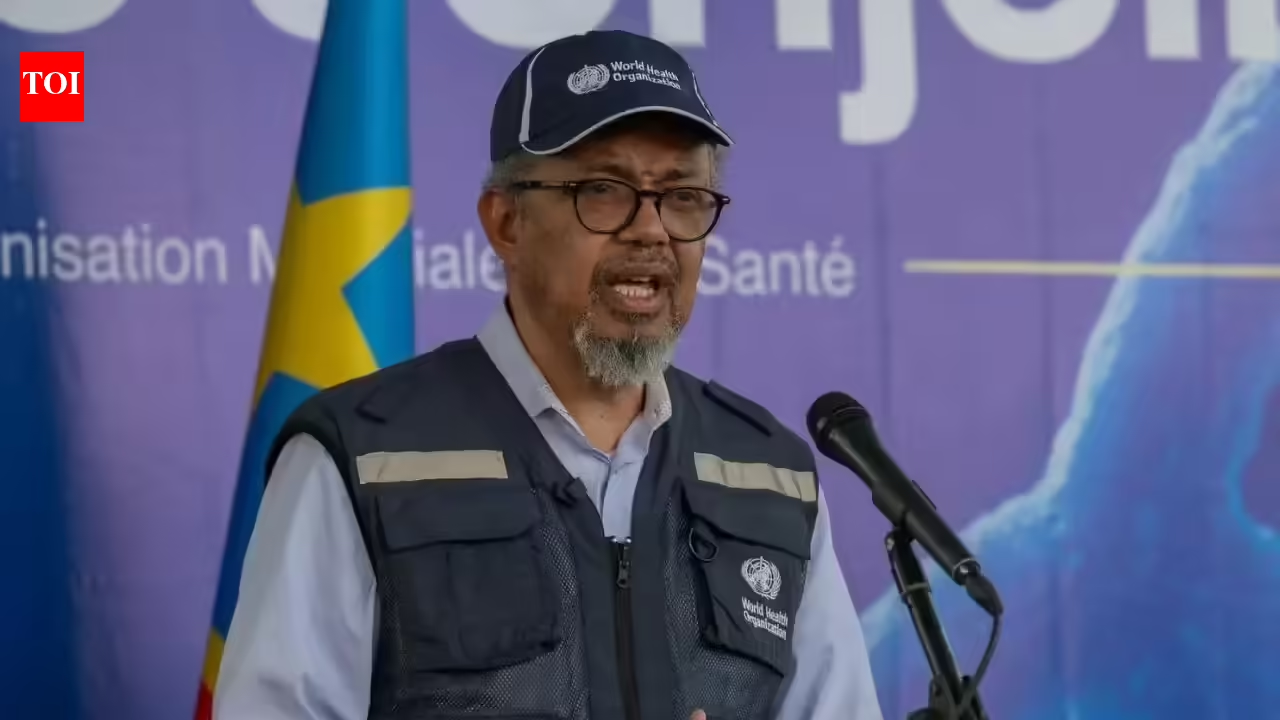
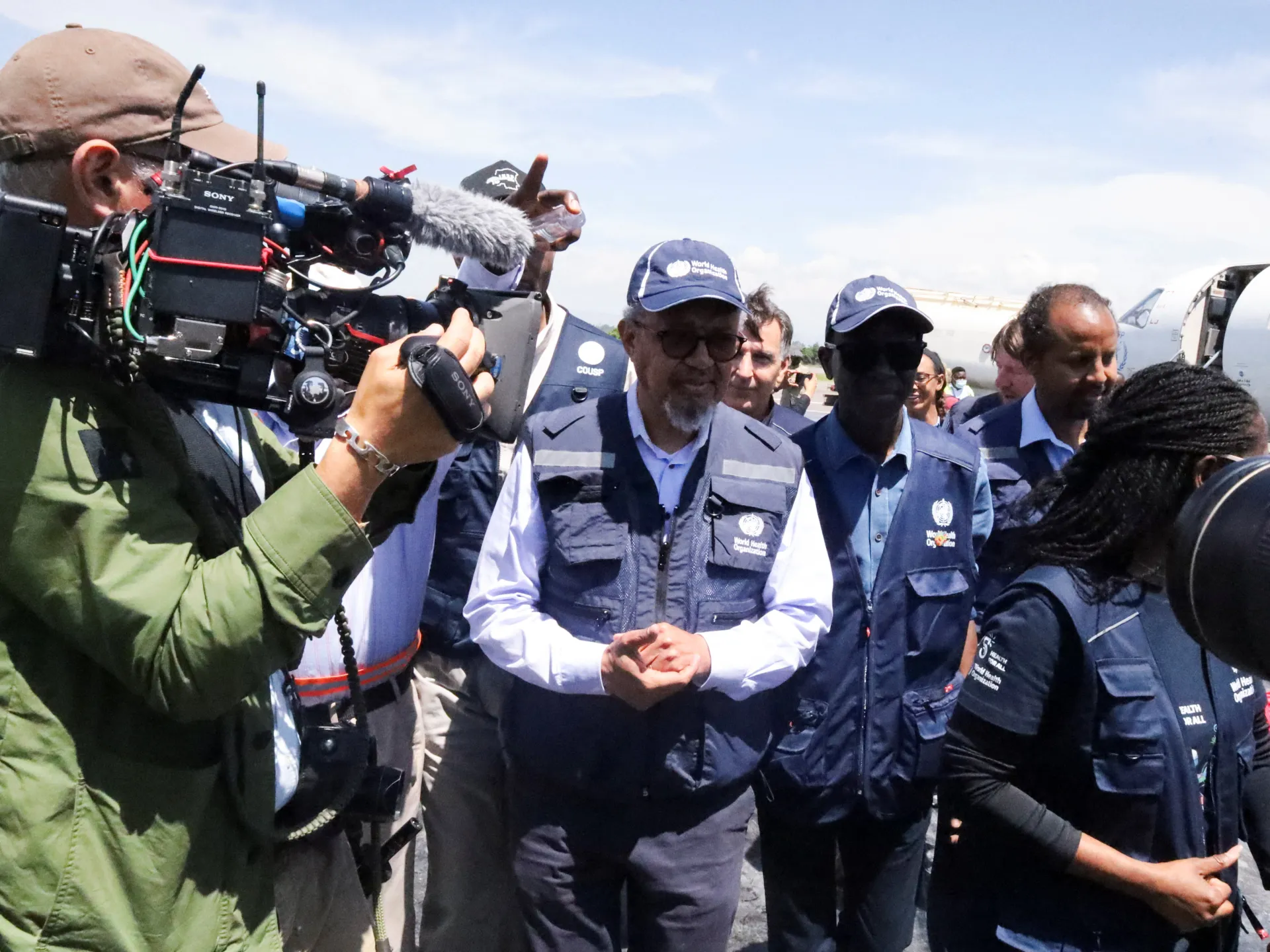
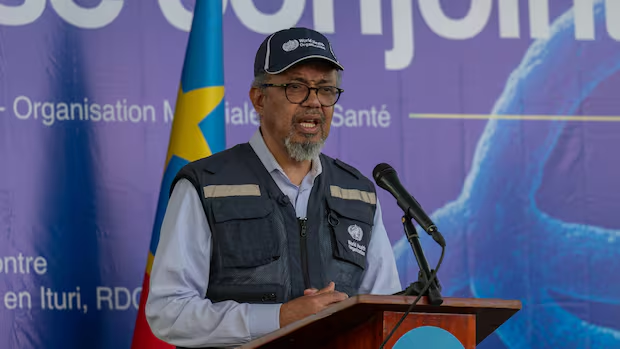
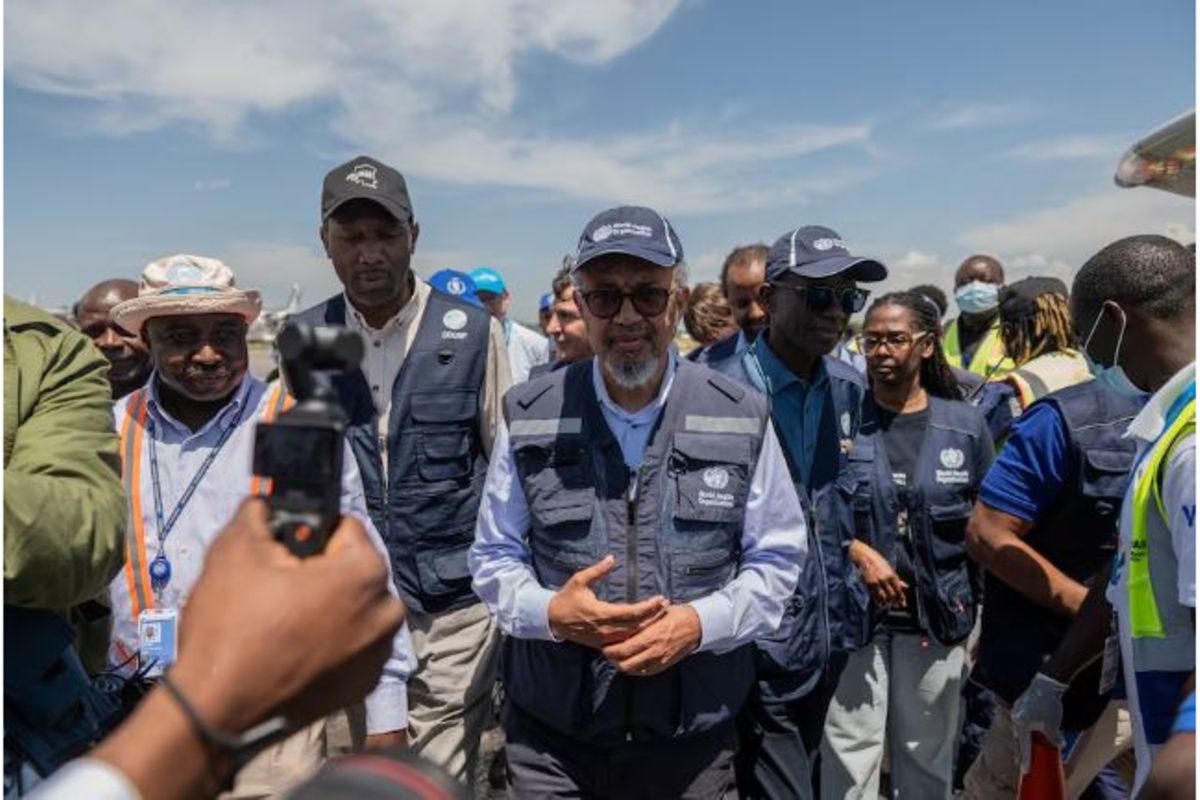
Tedros Adhanom Ghebreyesus briefed journalists in Geneva a day after returning from the DRC, where he met a wide range of stakeholders and said he was encouraged by the Government's commitment to combating the deadly epidemic, which has also spread to neighbouring Uganda.
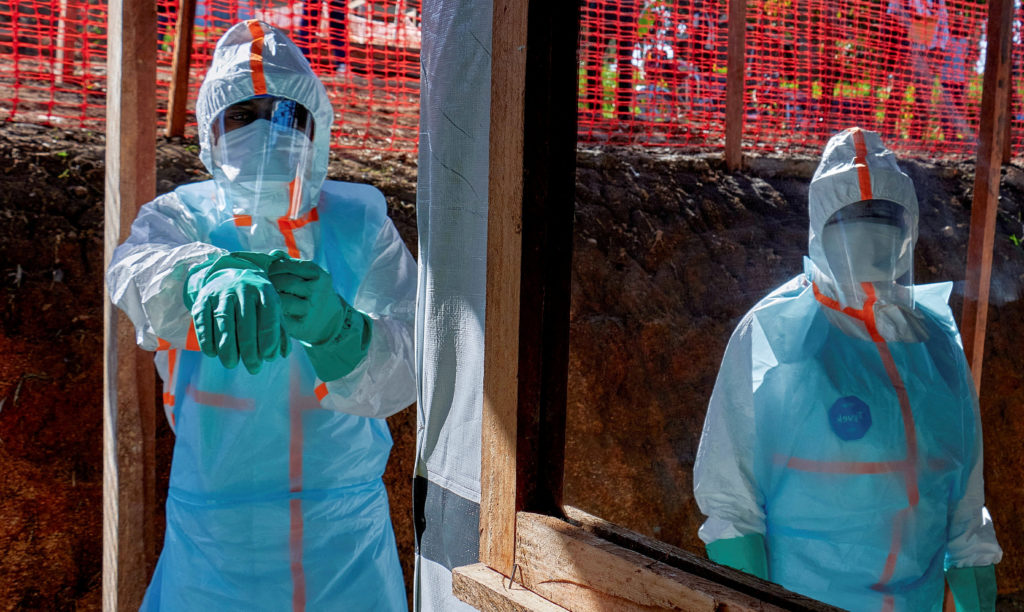
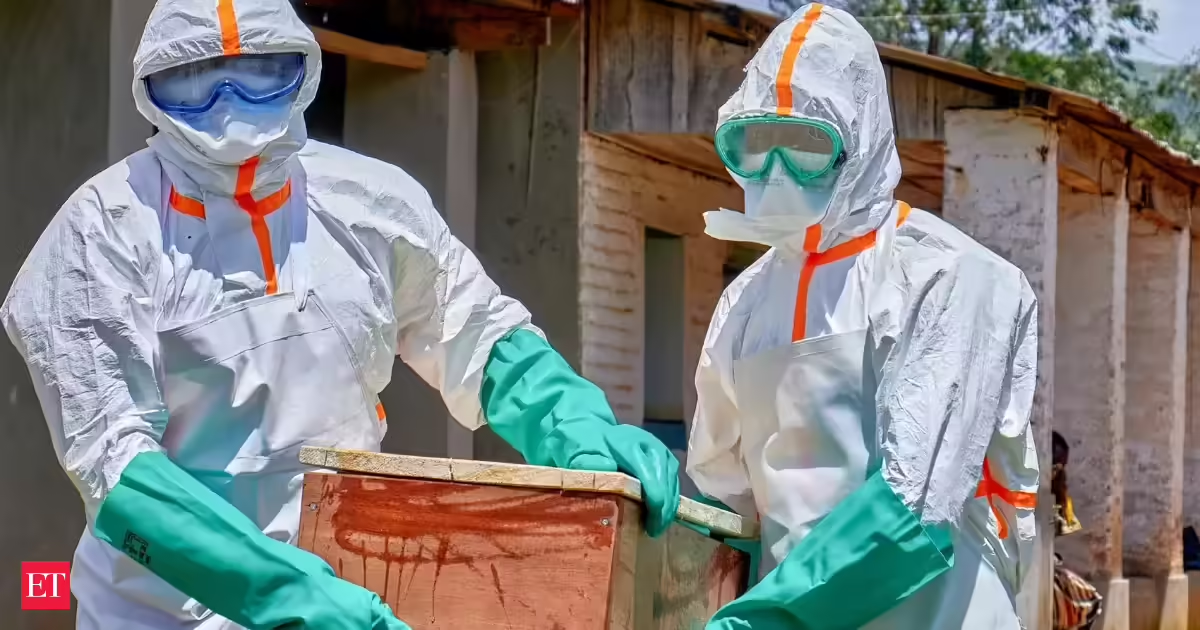
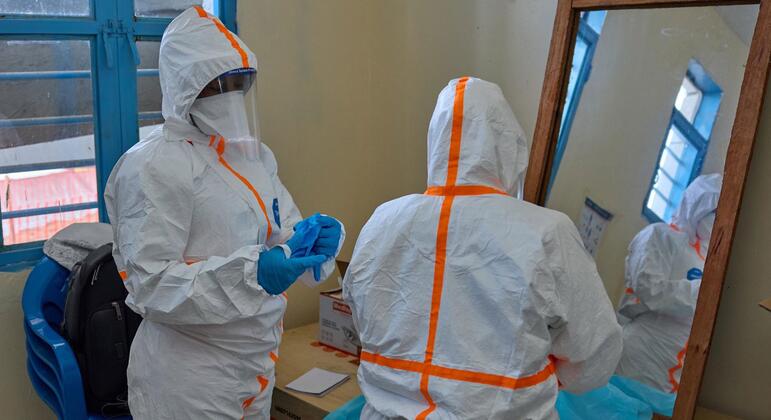
“What I saw gave me hope,” he said. “The outbreak had a big head start, and we’re still behind, but under the leadership of the Government of DRC, we are catching up.” Caseload decrease The outbreak is caused by the rare Bundibugyo strain of the Ebola virus for which there is no treatment although three vaccines are in development. Tedros said 344 cases have been confirmed in the DRC, including 60 deaths. Meanwhile, the number of suspected cases has now been reduced from over 1,000 last week to 116 as teams work through the backlog. The epicentre of the outbreak is the eastern province of Ituri, with cases also in North and South Kivu provinces. It is unfolding amid ongoing violence by armed groups, other health threats such as malaria, and dire humanitarian needs. Three Ebola treatment centres are now operating in Ituri’s capital, Bunia, with a capacity of 80 beds. Treatment units also have been established in five other regional cities, and more are on the way. Risk and recovery Meanwhile, Uganda has recorded one confirmed death and 15 confirmed cases, including a Congolese resident who travelled there from the United Arab Emirates (UAE). An American citizen, who was infected in the DRC, continues to receive care in Germany. WHO’s risk assessment is unchanged, remaining very high at the national level and high at the regional level while global risk is low. Six people in the DRC and two in Uganda have recovered to date, “showing that people can survive Ebola if they have access to care and go to health facilities as soon as they show symptoms.”