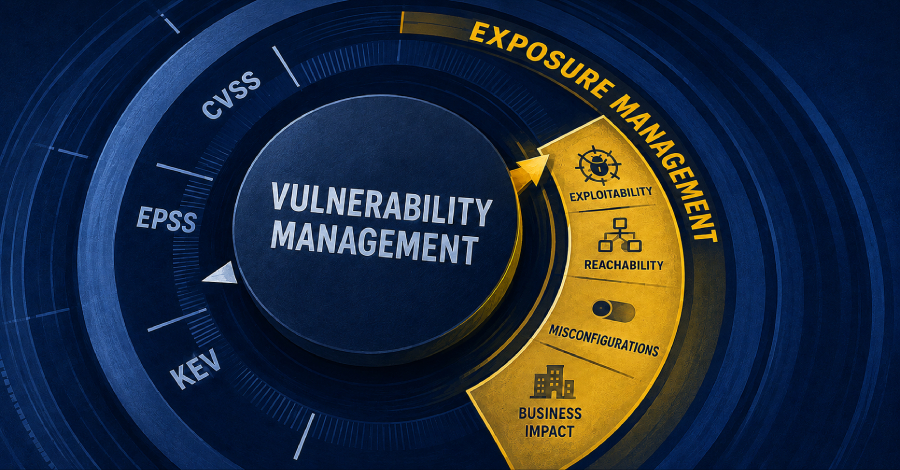
Exposure management evolves from vulnerability scanning to full-stack AI defense
AI has fundamentally broken the economics of cybersecurity and exposure management, compressing exploit windows from days to minutes and forcing organizations to rethink how they inventory, prioritize and remediate risk across an attack surface that now includes cloud infrastructure, identities and AI workloads themselves.
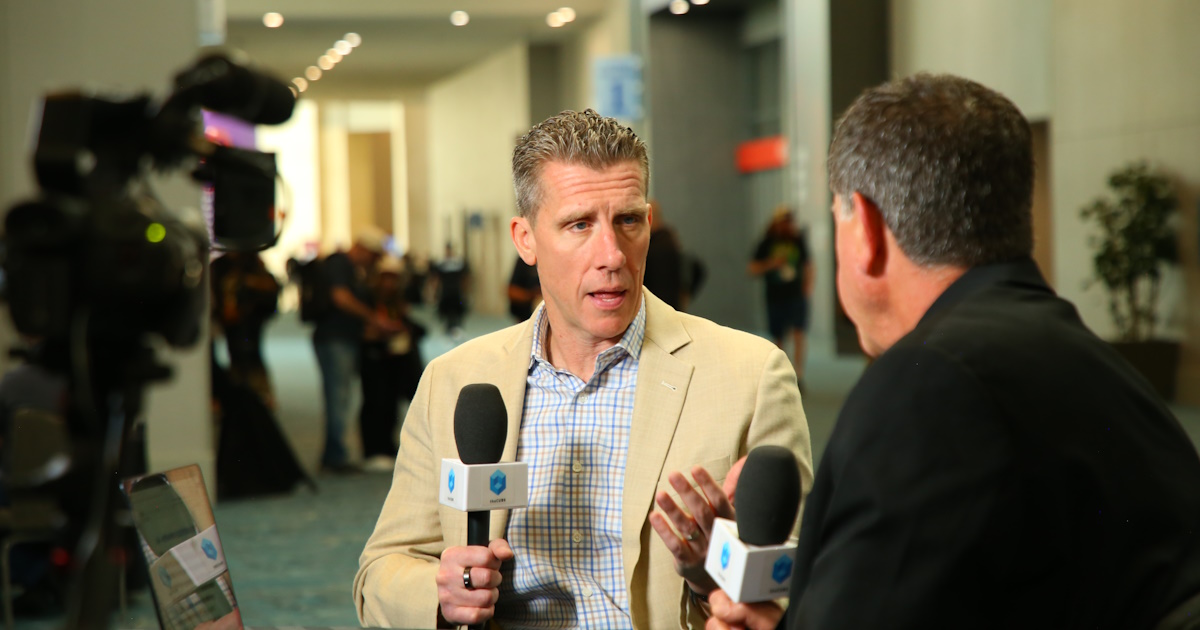
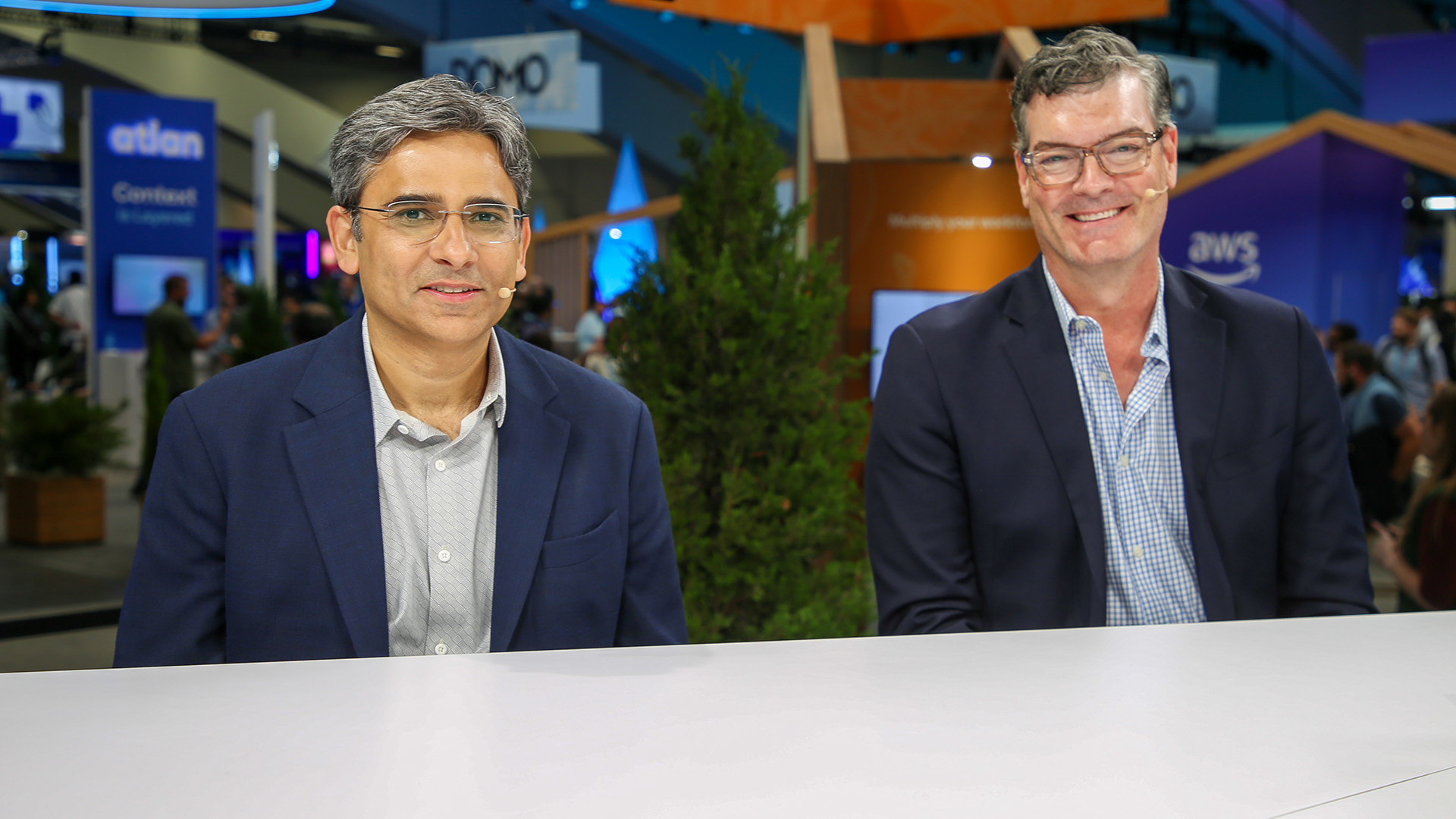
The traditional approach — periodic scanning followed by manual patching cycles — can no longer keep pace with threats operating at machine speed. Exposure management has emerged as the organizing framework for security teams trying to move from reactive triage to proactive risk reduction, according to Jason Merrick (pictured, right), senior vice president of product at Tenable Holdings Inc.
“Exposure management is not a product,” Merrick said. “It’s a program. It’s not just looking at traditional IT infrastructure. It’s looking at cloud … it’s looking at identities … lacing it together in context within the organization and looking at the configuration, looking at [whether] it doesn’t have known CVEs on it … and then being able to go and highlight that and then be able to reduce that risk.”