Jurisprudence
June 03, 20263:47 PM
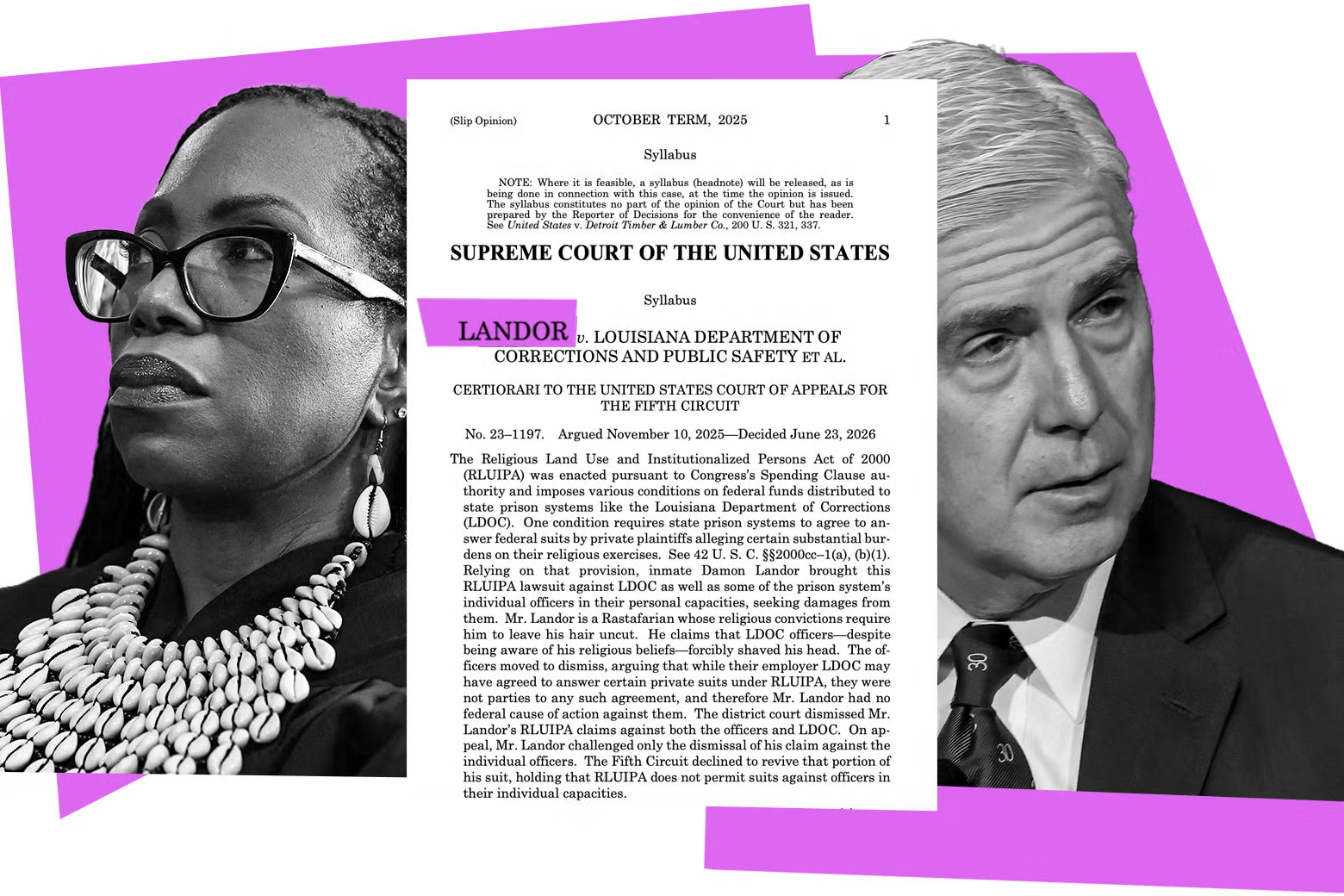
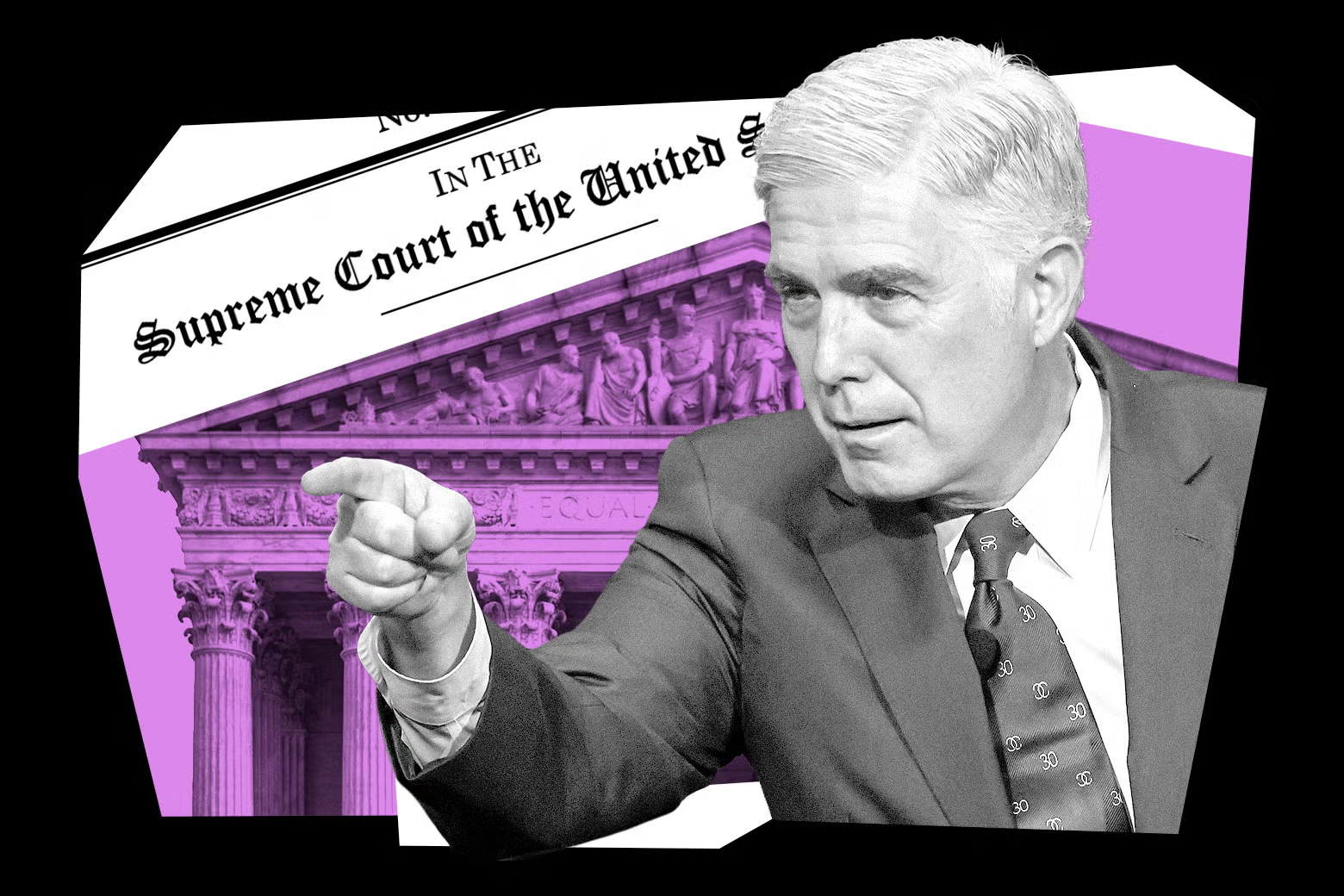
Photo illustration by Slate. Photos by Tim Mossholder on Unsplash and Mario Tama/Getty Images.
This is part of Opinionpalooza, Slate’s coverage of the major decisions from the Supreme Court. Keep up with all of our Supreme Court coverage and analysis by signing up for weekly email roundups. The best way to support our work—and unlock exclusive legal analysis—is by joining Slate Plus. (If you are already a member, consider a donation or merch!)
Last week, the Supreme Court delivered a resounding victory for workers in Flowers Foods Inc. v. Brock, ruling that local delivery drivers cannot be forced into private arbitration for employment disputes. The Federal Arbitration Act requires federal courts to enforce arbitration agreements—even those that employees are essentially forced to sign when accepting a job. Often, this means that workers must resolve employment disputes through individual arbitration processes, where the deck is stacked against workers, instead of going to court. These arbitration agreements also often prohibit workers from banding together in class-action lawsuits. But the FAA expressly excludes from arbitration “contracts of employment of seamen, railroad employees, or any other class of workers engaged in foreign or interstate commerce.” The Flowers Foods decision was the latest in a series of cases in which the justices interpreted that exemption to broaden access to federal courts.