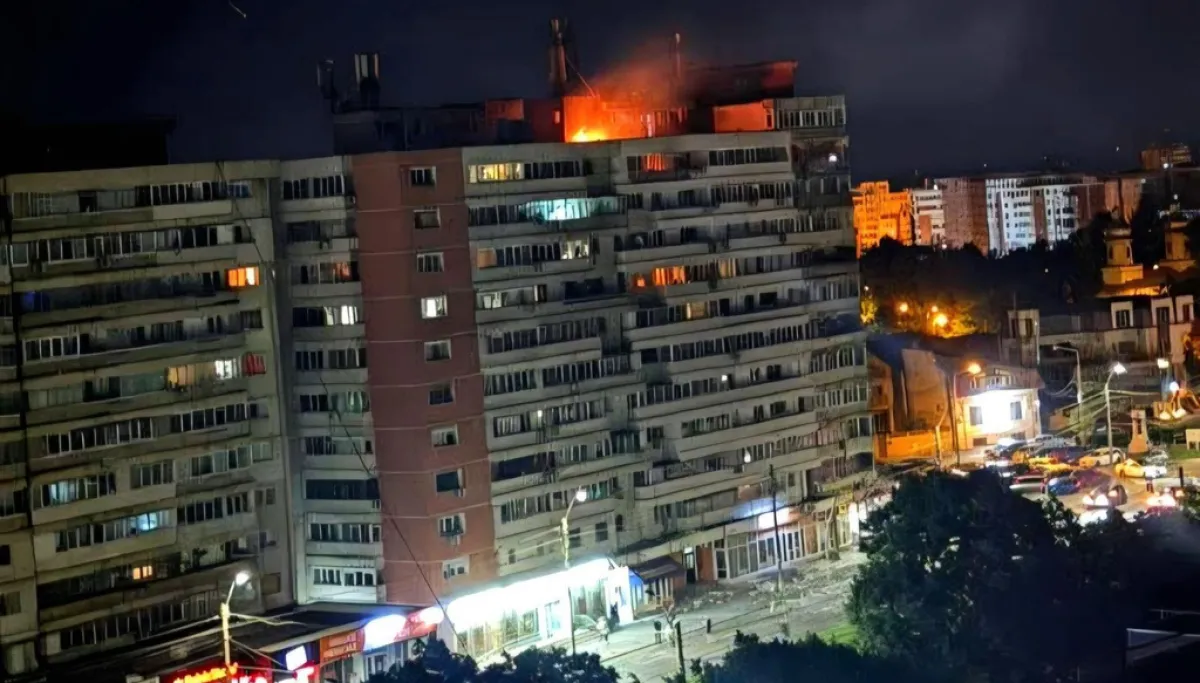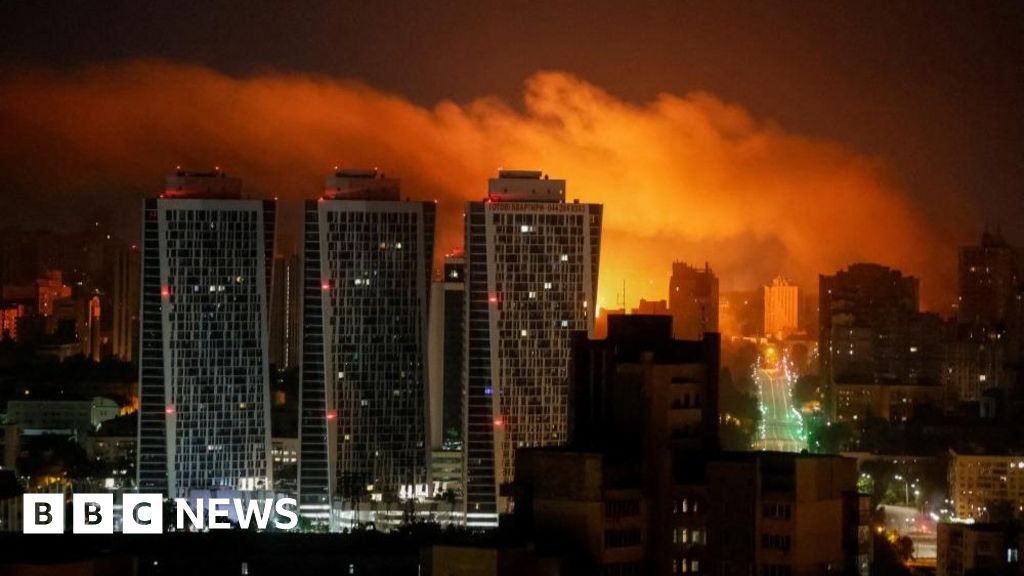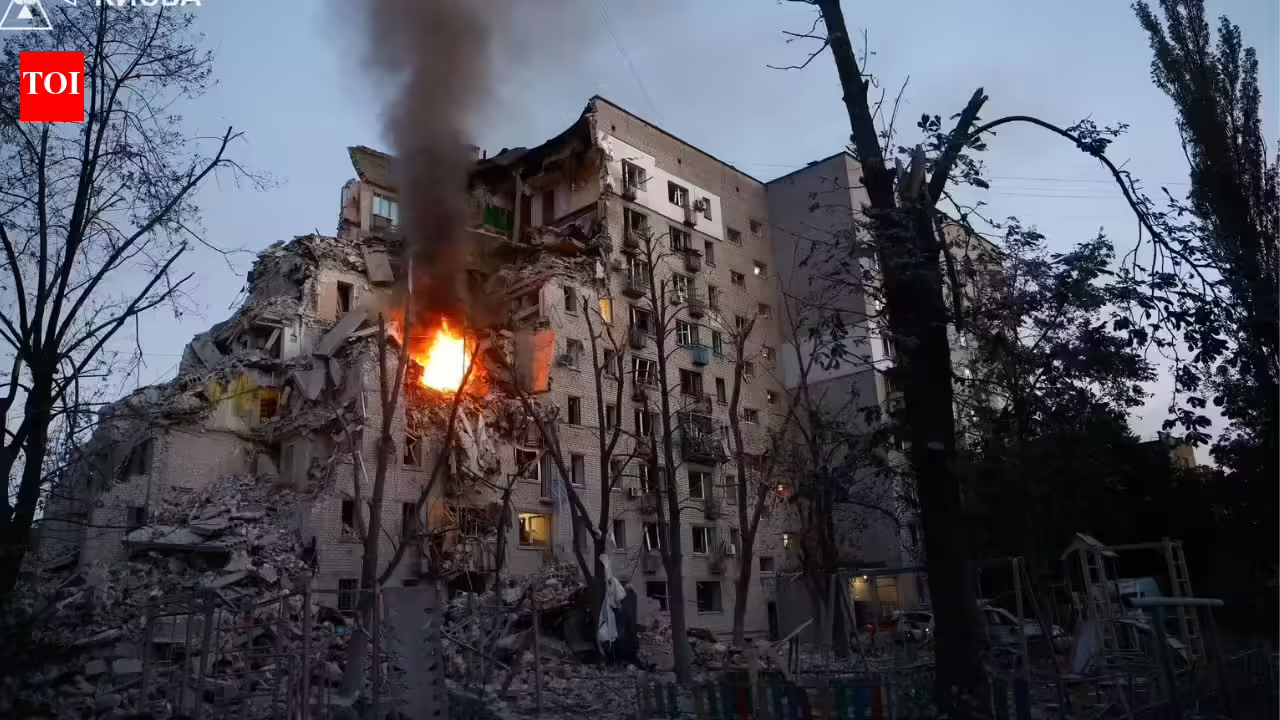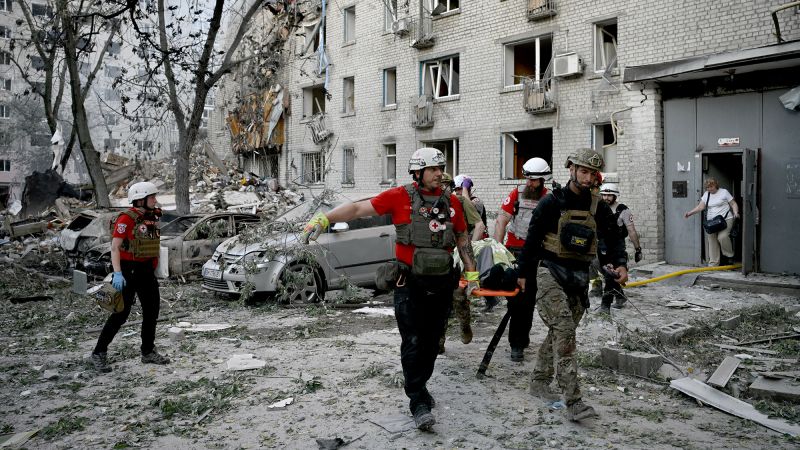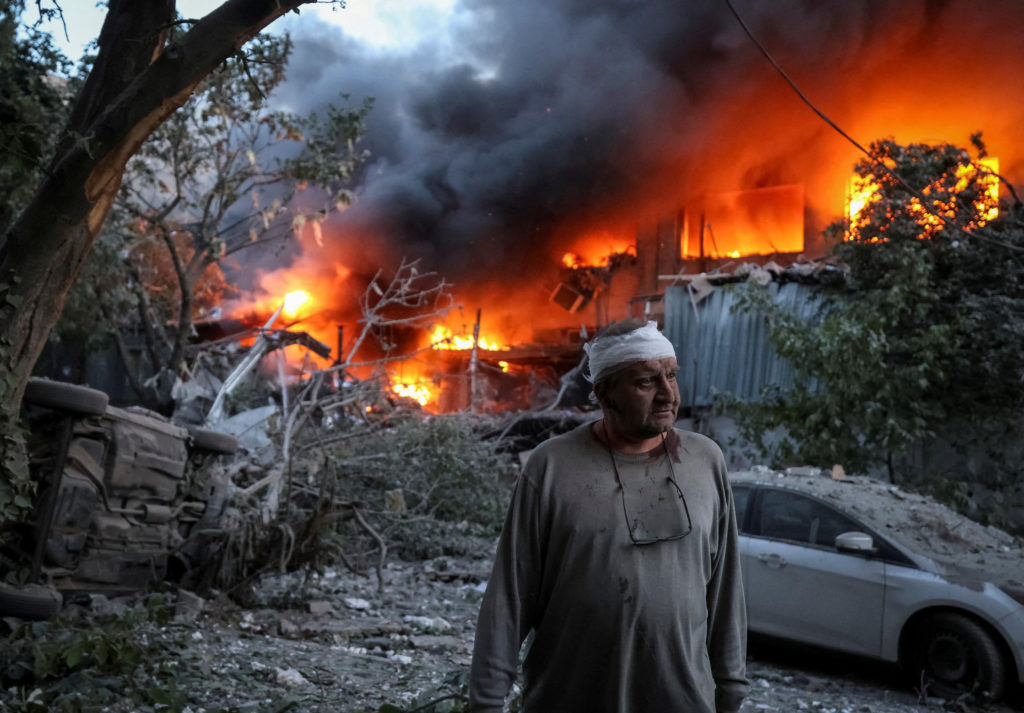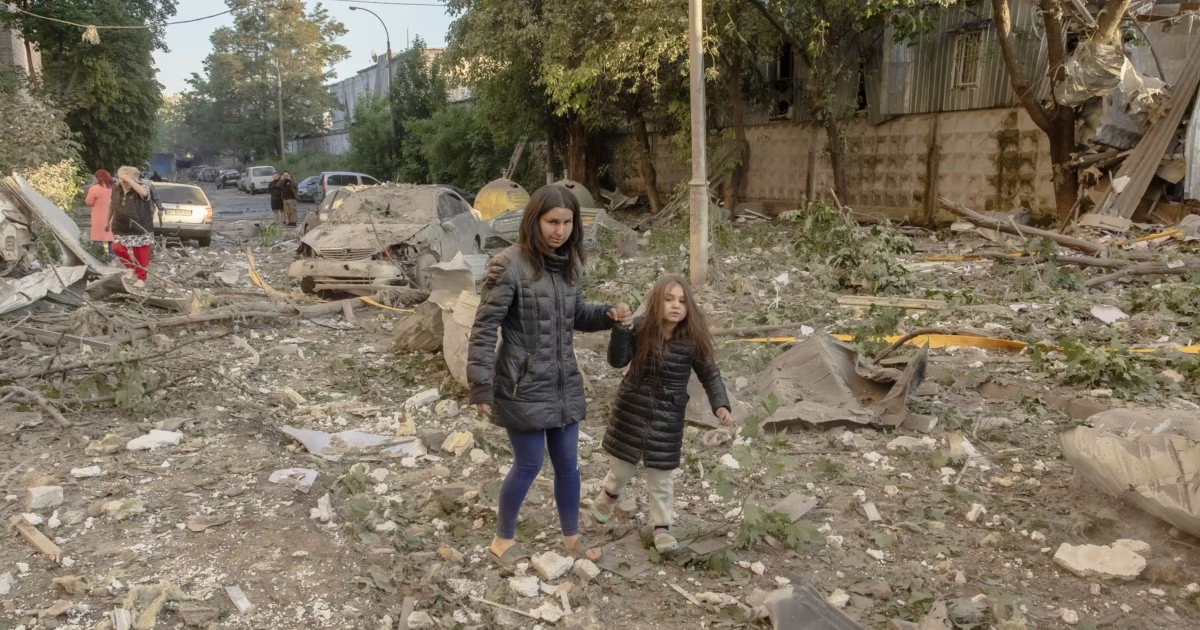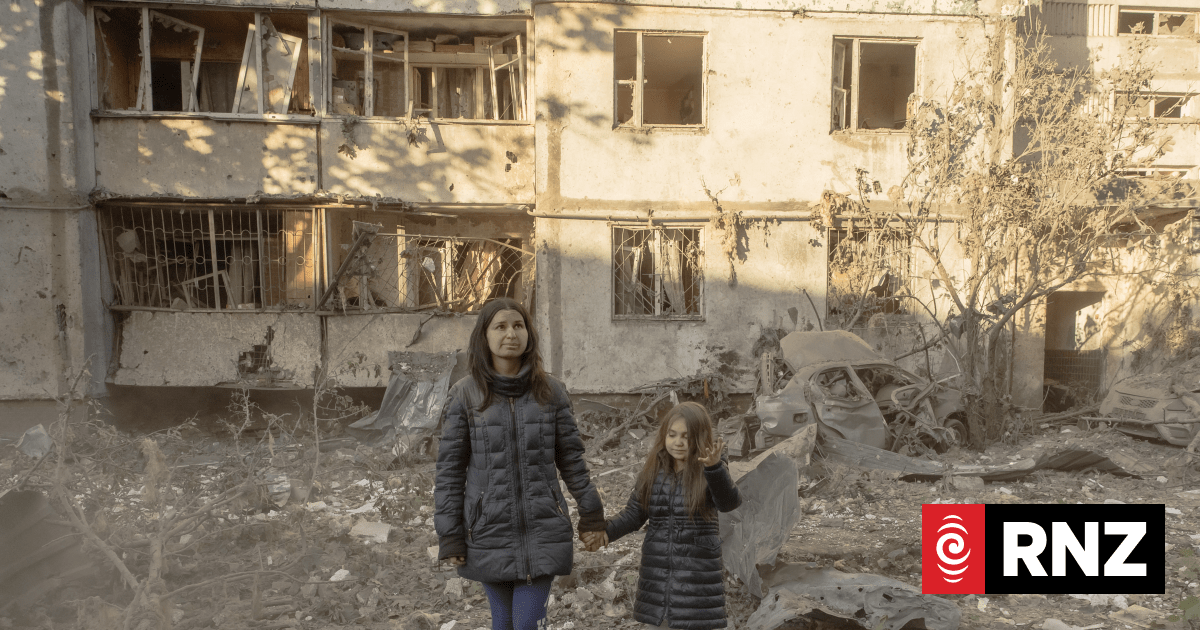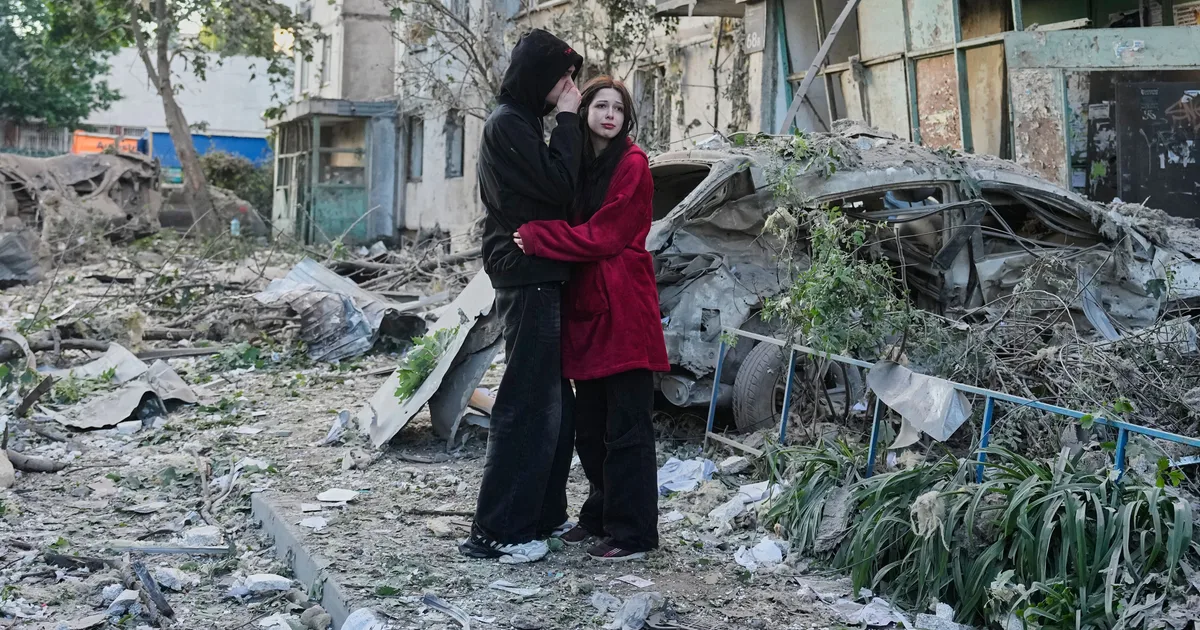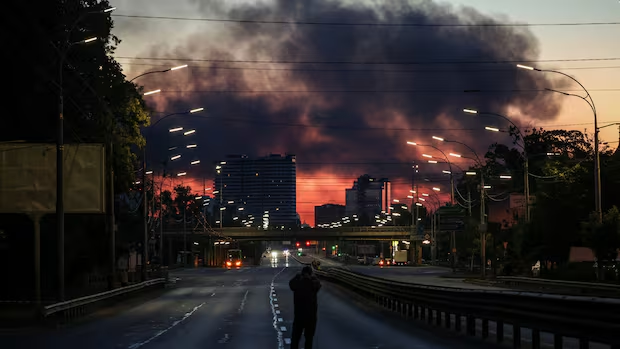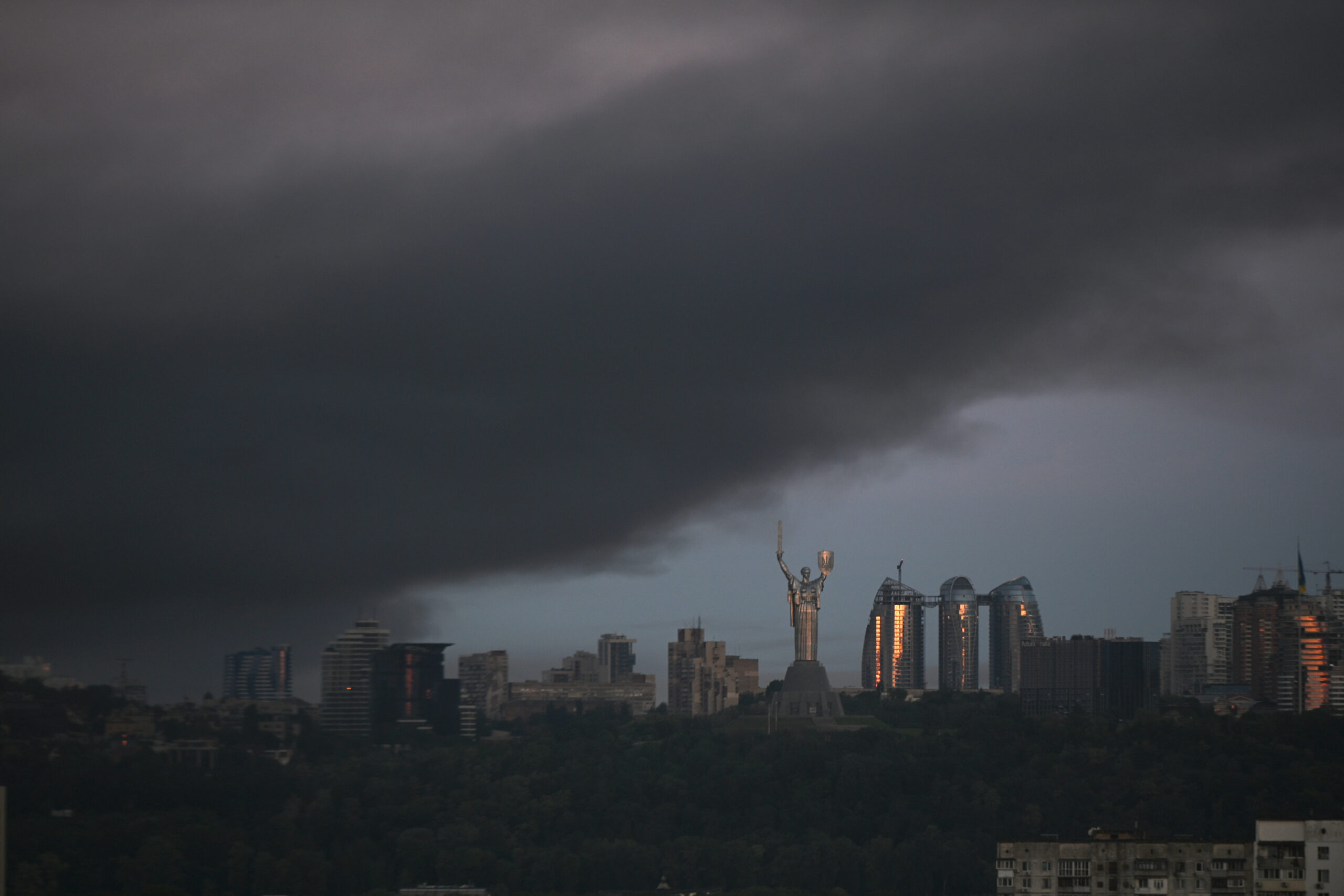
KYIV—News of Russia’s deadliest attack on Ukraine so far this year came to us less than an hour after we had left the Ukrainian capital, after having spent almost a week in the country. Overnight on Tuesday, Russian forces launched hundreds of missiles and drones on several Ukrainian cities, killing nearly two dozen people, including children, and injuring many more. In news reports on Wednesday, we saw damage in the same cities, and on some of the same streets, that we had visited days earlier, in what was our third trip to Ukraine since late February.
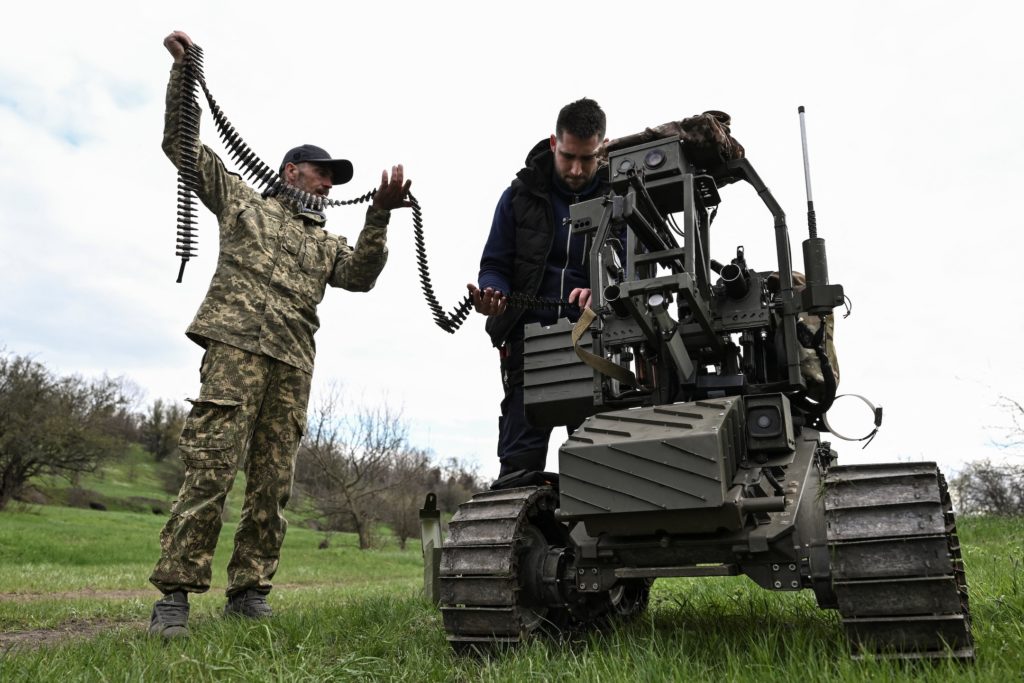
These trips provide important context for the latest set of attacks and for the road ahead. We saw ample indications, if not clear proof, of a trend toward growing Ukrainian strength and emerging Russian vulnerabilities in the fifth year of Putin’s hare-brained “special military operation.” Our latest trip started in Odesa, where we attended the Black Sea Security Forum, along with scores of distinguished Americans and Europeans, and it ended in Kyiv for the Architecture of Security Forum 2026.
The mood in both cities was wary but quietly buoyant. Wary because the Kremlin has greatly increased its production of ballistic and other missiles, as well as drones, and has been unleashing them in large numbers on Ukraine’s civilians, in particular in Kyiv, Odesa, and Dnipro. We visited civilian sites that Russian attacks had devastated as part of an ongoing campaign that the Kremlin alleges targets only strategic and military sites. In Odesa, we witnessed the wreckage at the city’s oldest Jewish cemetery damaged by a Russian attack for the third time. In Kyiv, we walked through the charred remnants of a commercial shopping mall and commercial district, burned down in the massive May 24 attack on Kyiv.