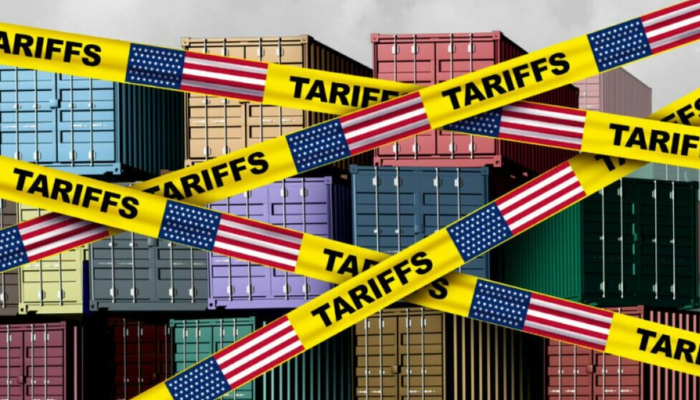
The United States has proposed additional tariffs of 12.5% on imports from eight African countries, Algeria, Angola, Egypt, Libya, Mauritania, Morocco, Nigeria, and South Africa, following findings that these economies have failed to ban or enforce prohibitions on goods produced with forced labour, adding fresh pressure on a continent already struggling to hold its footing in a volatile global trade environment.
The proposal, unveiled on 2 June 2026 by the Office of the United States Trade Representative (USTR), is the outcome of 60 simultaneous Section 301 investigations that Washington launched in March this year to assess whether trading partners have legal frameworks in place to stop forced-labour goods from crossing into their markets.
According to the USTR’s findings, published in full at ustr.gov, 54 of the 60 economies investigated had neither imposed nor effectively enforced such a prohibition, while six others — Canada, Ecuador, the European Union, Indonesia, Mexico, and Pakistan — had laws on the books but failed to apply them. All 60 now face proposed action under Section 301 of the Trade Act of 1974.
The eight African nations fall squarely in the first category. They would face a 12.5% additional duty on most goods entering the American market, compared with a lower 10% rate proposed for economies that have adopted at least a partial forced-labour prohibition or made commitments to do so under trade agreements with Washington.