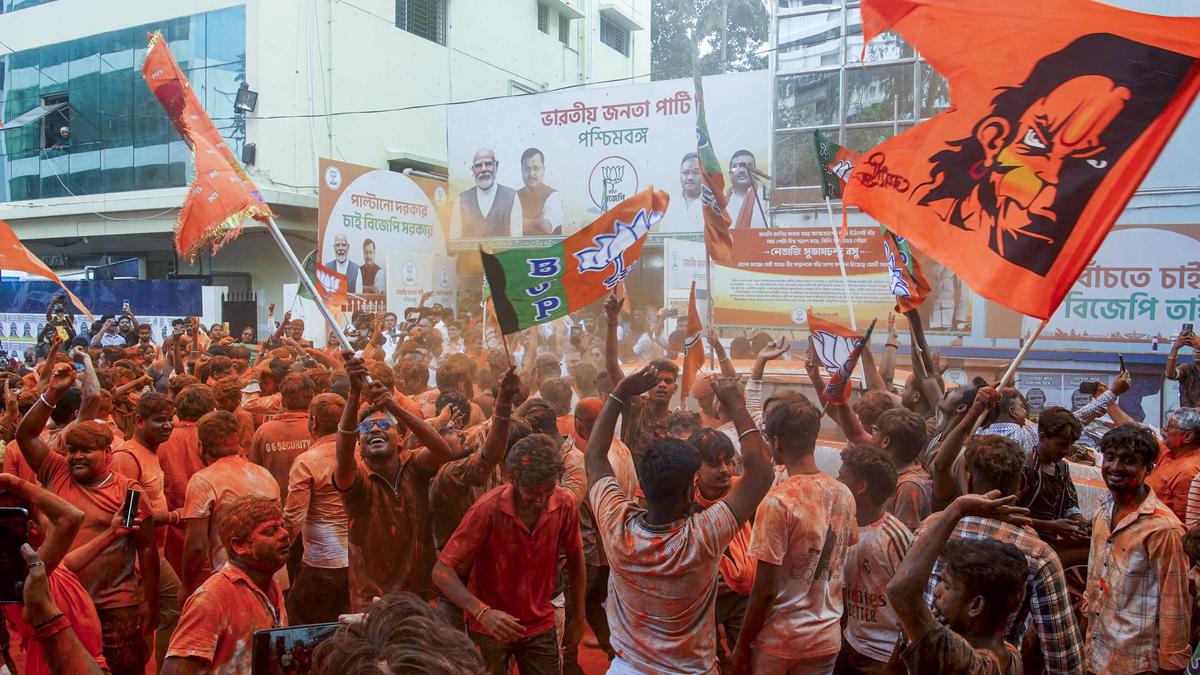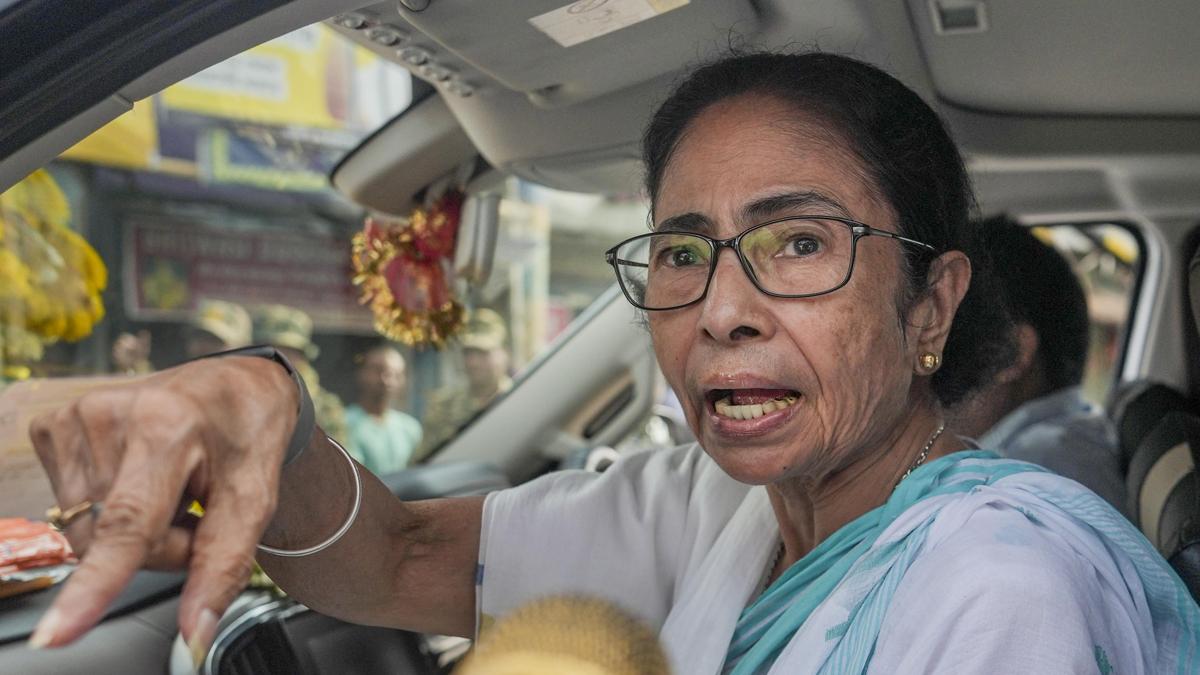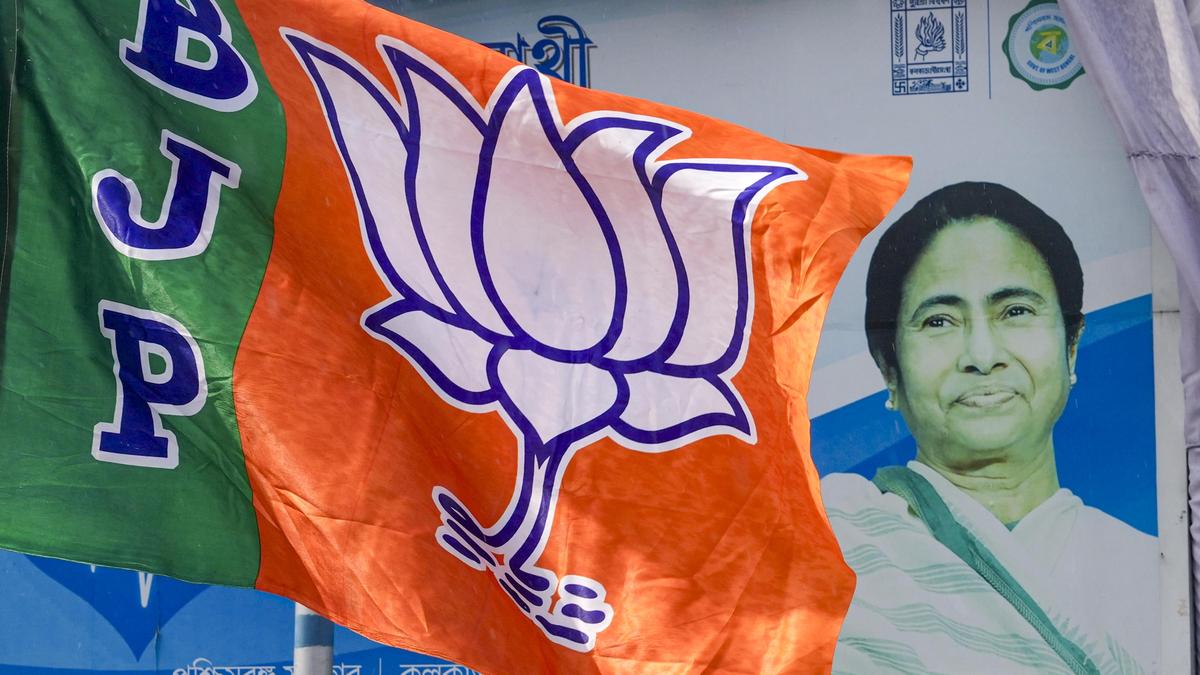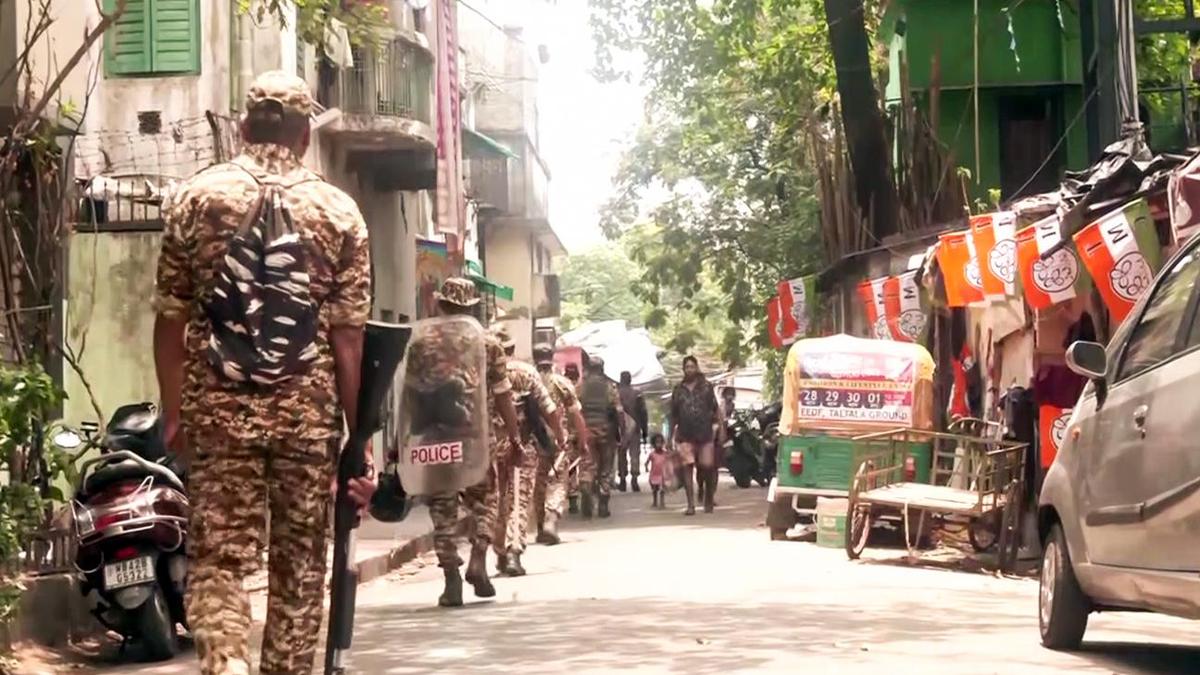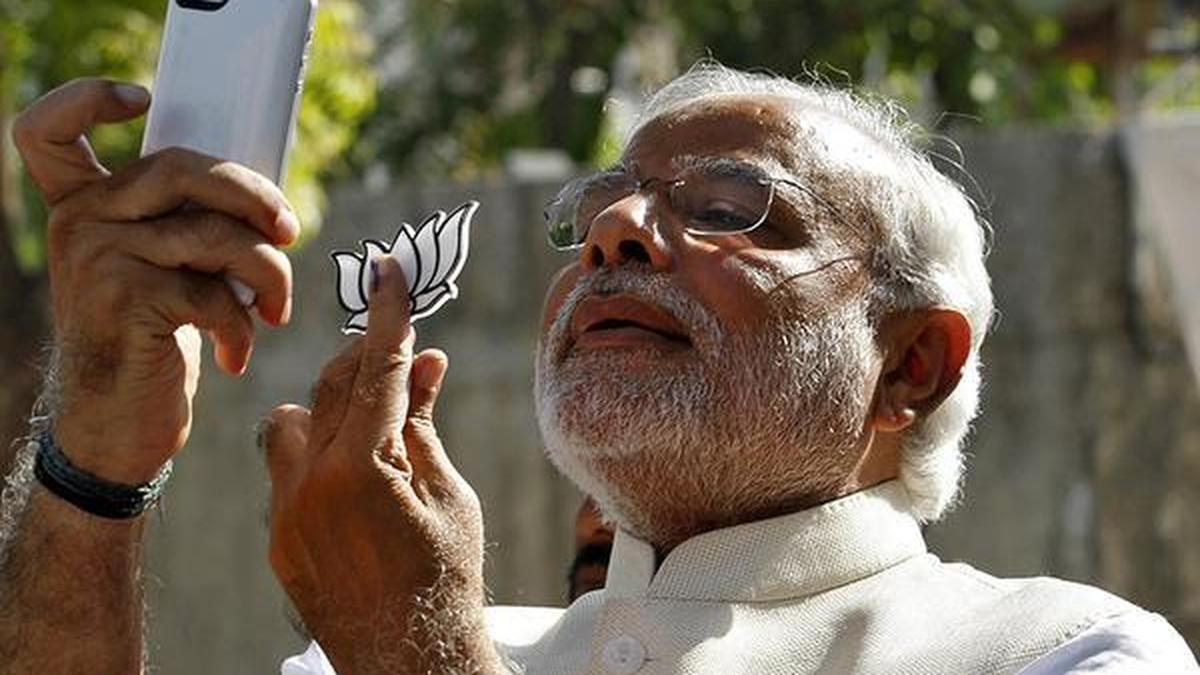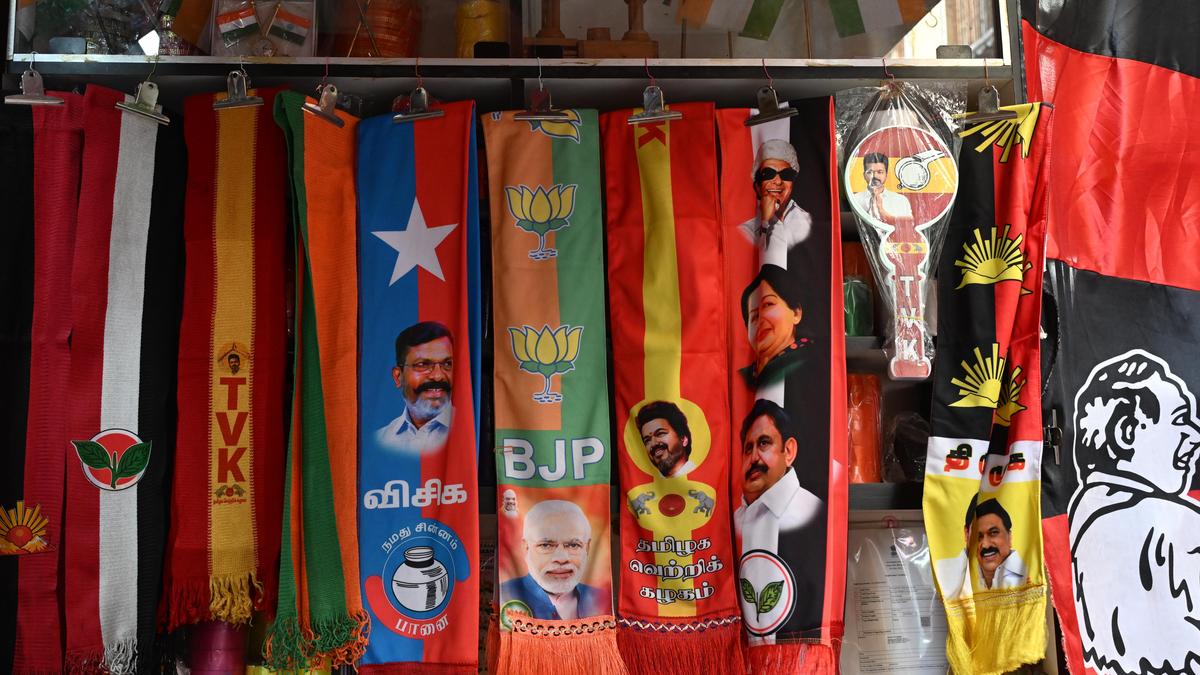
Outcomes in the recent Assembly elections in Bengal, Tamil Nadu, Kerala and Assam demand careful introspection. The results in Assam and Kerala were not unexpected, but Tamil Nadu and perhaps West Bengal, appear to signal the shape of things to come, and of the role of Gen Z in this respect.In Tamil Nadu, a close to 60-year-old duopoly of the Tamil Dravidian parties was ended by a party headed by a relatively unknown newcomer, who had few pretensions to any ideology. Complementing the upheaval in Tamil Nadu was the eclipse of the ‘people’s leader’ in West Bengal, Mamata Banerjee, who only a few years back had toppled a Marxist conglomerate that had remained entrenched for nearly three decades.The script in Assam and West BengalAssam, adhering to the script, produced an expected result, viz., a Bharatiya Janata Party (BJP), or rather more appropriately a Himanta Biswa Sarma victory, who notched up his second consecutive success. Victory was a foregone conclusion, given the extent of communal politics prevailing in the State and the redrawing of constituency boundaries, which reduced the number of Muslim-majority seats and put the BJP’s rivals such as the Congress and the All India United Democratic Front at a disadvantage. This time Mr. Sarma also ensured the eclipse of the remnants of Assam’s political past, as also the legacies of Hiteswar Saikia, Tarun Gogoi and Bhumidhar Barman and the era of Congress rule.More significantly perhaps, in a State with 34% Muslim population, he ensured that not one Muslim representative was elected as a member of the majority BJP party, even as 18 of the 19 Opposition Congress MLAs elected were Muslims. While some form of ethnic cleansing had been in evidence in Assam for some time, ostensibly to eliminate ‘illegals’ (essentially ‘Bangladeshi Muslims’), the wider implications of not a single Muslim being elected as part of the ruling echelon is worth examining in some detail. At one level it would seem a travesty of India’s claims to be a multi-religious, multi-cultural civilization.The Assembly elections in West Bengal witnessed the BJP coming to power in the State for the first time. Bengal appeared to be a State under siege during the two phases of polling, with the deployment of over 2,500 companies of the Central Armed Police Forces, ostensibly to maintain order, even though no major law-and-order issues were reported. Together with the removal of several lakh voters from the electoral rolls following the Special Intensive Revision (SIR) of electoral rolls, this created a surreal atmosphere in the State during the elections.Explaining the outcome in Bengal may appear relatively straightforward, but understanding the factors behind the BJP’s success is less so. The standard explanation for Ms. Banerjee’s eclipse is that, after 15 years in office, her regime had ossified. Its perceived overreliance on the Muslim vote — more specifically on ‘returnees from erstwhile East Bengal’ — allegedly provoked adverse reactions.Coupled with charges of administrative apathy and a lack of employment opportunities, this is said to have contributed to a consolidation of the Hindu vote against her. Interestingly, despite the existence of a 27% Muslim vote in Bengal, not a single Muslim was elected as part of the ruling alliance, while the Opposition returned over 35 Muslim MLAs in its tally of 86 seats. The implications of this development merit careful consideration.Other reasons being adduced for the defeat of Ms. Banerjee and the All India Trinamool Congress, are the tardy response of the erstwhile Chief Minister and her coterie to the R.G. Kar Hospital imbroglio, the lingering shadow of Singur and Nandigram, and a failure to recognise Gen Z’s aspirations for better employment opportunities in a shrinking job market. Taken together, these factors allowed the BJP to capitalise on a prevailing anti-Mamata and anti-Trinamool sentiment.Upending Dravidian dominanceIf the change in Bengal could be compared to a political earthquake, the real tsunami was in Tamil Nadu, where close to six decades of ‘Dravidian’ rule was swept aside by the Tamilaga Vettri Kazhagam (TVK) headed by a political neophyte, C. Joseph Vijay. Rationalism and caste took a back seat, concerns about North Indian domination seemed to recede to the background, even as established Dravidian parties such as the Dravida Munnetra Kazhagam (DMK) and the All India Anna Dravida Munnetra Kazhagam bit the dust. The erstwhile Chief Minister, from the DMK, became a victim of the tidal wave of youth power.The 1967 eclipse of the Congress party by the DMK under C.N. Annadurai hardly bears comparison with the achievement of Mr. Vijay’s two-year-old party, despite its lack of a well-defined political construct. The electorate only appeared determined to remove decades of duopoly of the DMK and AIADMK, viewing Mr. Vijay as a breath of fresh air in a region long consumed by anti-Delhi beliefs and ideas. Mr. Vijay’s TVK promised to retain the model of social justice and the broadly secular welfare-friendly policies of the previous regime, but his emergence denotes the beginnings of the end of ‘Dravidianisation’ of politics in the State.The change in Tamil Nadu does suggest that southern politics, despite a strong anti-Delhi thrust, may be in for a change. Even as the ideas and concepts of Periyar, Annadurai and Karunanidhi are likely to remain, many concepts and beliefs could alter, and this might well provide space for other ideologies to enter. The reasons for Chief Minister M.K. Stalin’s defeat in a constituency that he had assiduously nursed for years, and having provided relatively competent leadership to the State overall, does call for a deeper study as its implications are huge. Meanwhile, Mr. Vijay is clearly the ‘trumpeter’ of change, but he may not necessarily be the future.The Kerala resultElections in Kerala followed a more traditional pattern of alternating between a Congress-led coalition and a Marxist-led Left Front. In 2021, the Communist Party of India (Marxist), under Pinarayi Vijayan, had bucked this trend, and continued in office with its alliance for a further five years, but Mr. Vijayan was to be the main reason for the debilitating defeat of the CPI(M)-led Front in the recent Assembly elections. In the event, a Congress-led United Democratic Front emerged victorious, securing 102 seats in the 140-member Assembly.A significant aspect of the Kerala elections this time has been the emergence of a forward caste leader (V.D. Satheesan), without the support of casteist formations such as the Nair Service Society and the Sree Narayana Dharma Paripalana Yogam, denoting a shift in the politics of Kerala. However, the rise and rise of the Muslim League will be seen by many as bucking this trend. If the new Chief Minister, Mr. Satheesan, is able to detach State politics from the stranglehold of communal and casteist forces, and seize the moment with both hands, it could well usher in a new era in the politics of Kerala.Few elections to State Assemblies in the past carry this degree of significance as the just concluded ones. Assembly elections this time were held in the backdrop of an assertion by the ruling party at the Centre, of the virtues of the same party being in power at the Centre, and in the States — the so-called ‘double engine sarkar’.Victory for the ruling party at the Centre in the States that went to the polls, were meant to add one more layer to this edifice of the same party ruling the government at the Centre and in the States. West Bengal was the prime target, and ensuring the defeat of Ms. Banerjee had become the single point objective. The campaign was carried out with military precision – less an ‘election’ than a campaign. Central paramilitary forces were employed extensively to maintain order. The SIR succeeded in the elimination of lakhs of voters, at least some of whom might have fulfilled the voter criteria, and most of whom belonged to the minority. That these tactics succeeded in achieving victory according to a predetermined plan, would suggest that elections are no longer confined to voting without fear or favour.The implications of this are very considerable. A belief, as also a determination, that the same party should be in power at the Centre and in the States, may appear attractive, but it undermines the logic that people vote according to their conscience, and according to their own logic. In this sense, the elections of 2026 could have a far greater significance than initial outcomes would suggest. It has certain implications as well, for a ‘double engine sarkar’, often touted as the answer to several of India’s problems, especially those faced by the various parties in the country.M.K. Narayanan is a former Director, Intelligence Bureau, a former National Security Adviser, and a former Governor of West Bengal
Assembly poll results that recast the political landscape
The recent Assembly elections of 2026 in Assam, Kerala, Tamil Nadu and West Bengal could have a far greater significance than initial outcomes would suggest
1,440 words~7 min read