Buying an electric vehicle in 2026 involves more choices than it did even a few years ago. The market has expanded quickly, with new models arriving each year across segments that range from compact crossovers to full-size trucks. More options mean more to evaluate, and safety has become one of the primary filters through which buyers narrow an increasingly crowded field. The good news is that the technology available in even mainstream EVs has improved substantially: driver-assistance features that were optional equipment on premium vehicles a decade ago now come standard across a wide range of segments.
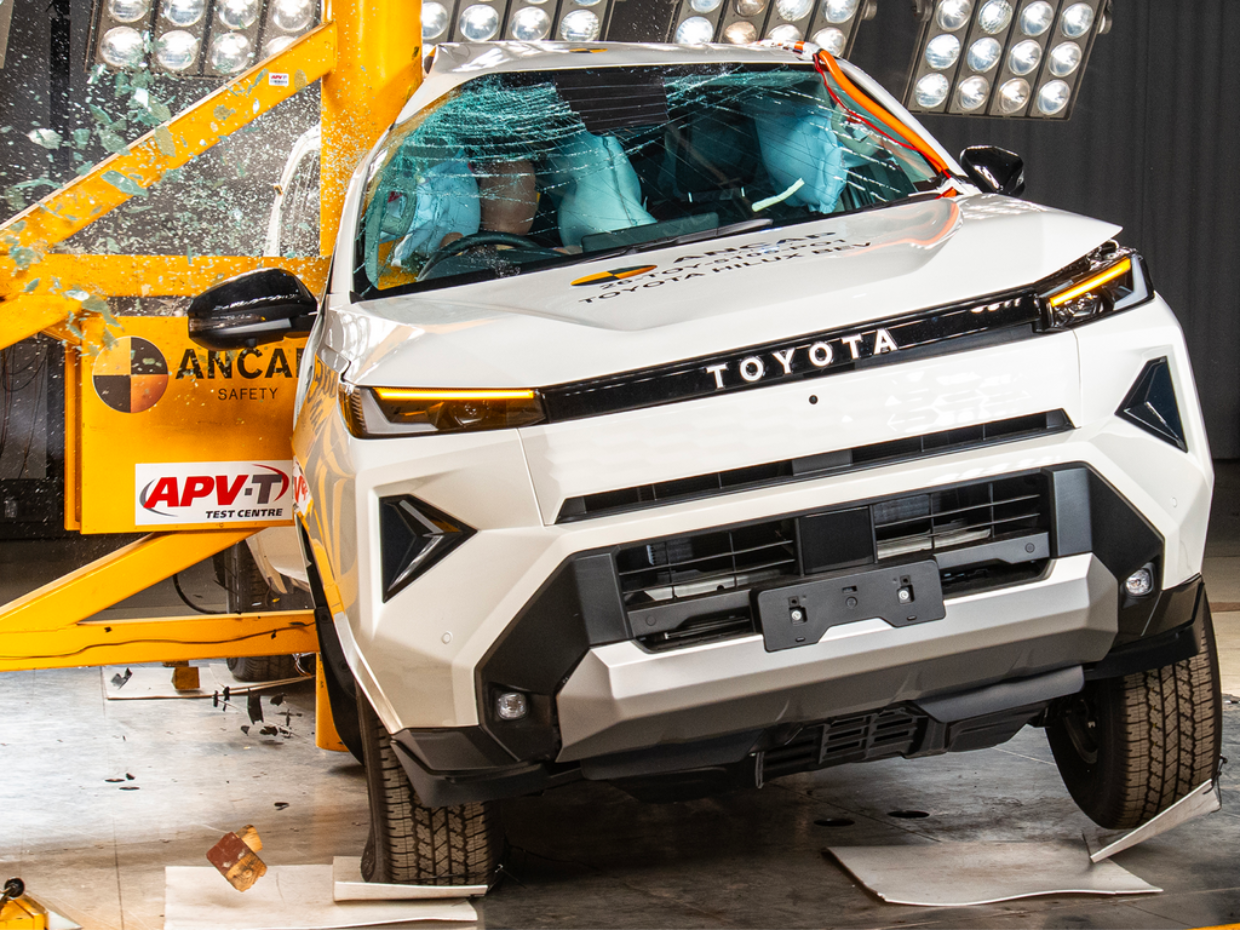
Two organizations produce the safety data that most buyers rely on when assessing a vehicle’s crash performance. The Insurance Institute for Highway Safety conducts a series of standardized crash tests and awards its highest recognition, Top Safety Pick+, to vehicles that meet stringent criteria across multiple test categories, including headlight quality. The National Highway Traffic Safety Administration runs its own independent program and assigns an overall star rating, with five stars representing the highest possible score. A vehicle that earns top marks from both organizations has demonstrated safety performance across two distinct testing methodologies, which provides more confidence than either program alone.