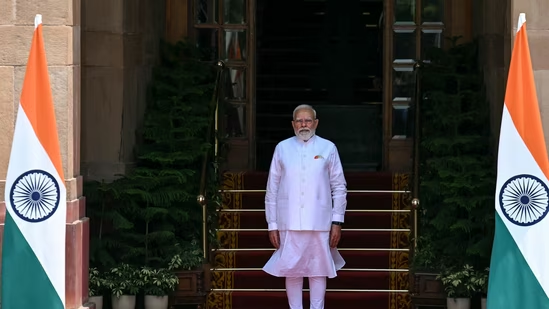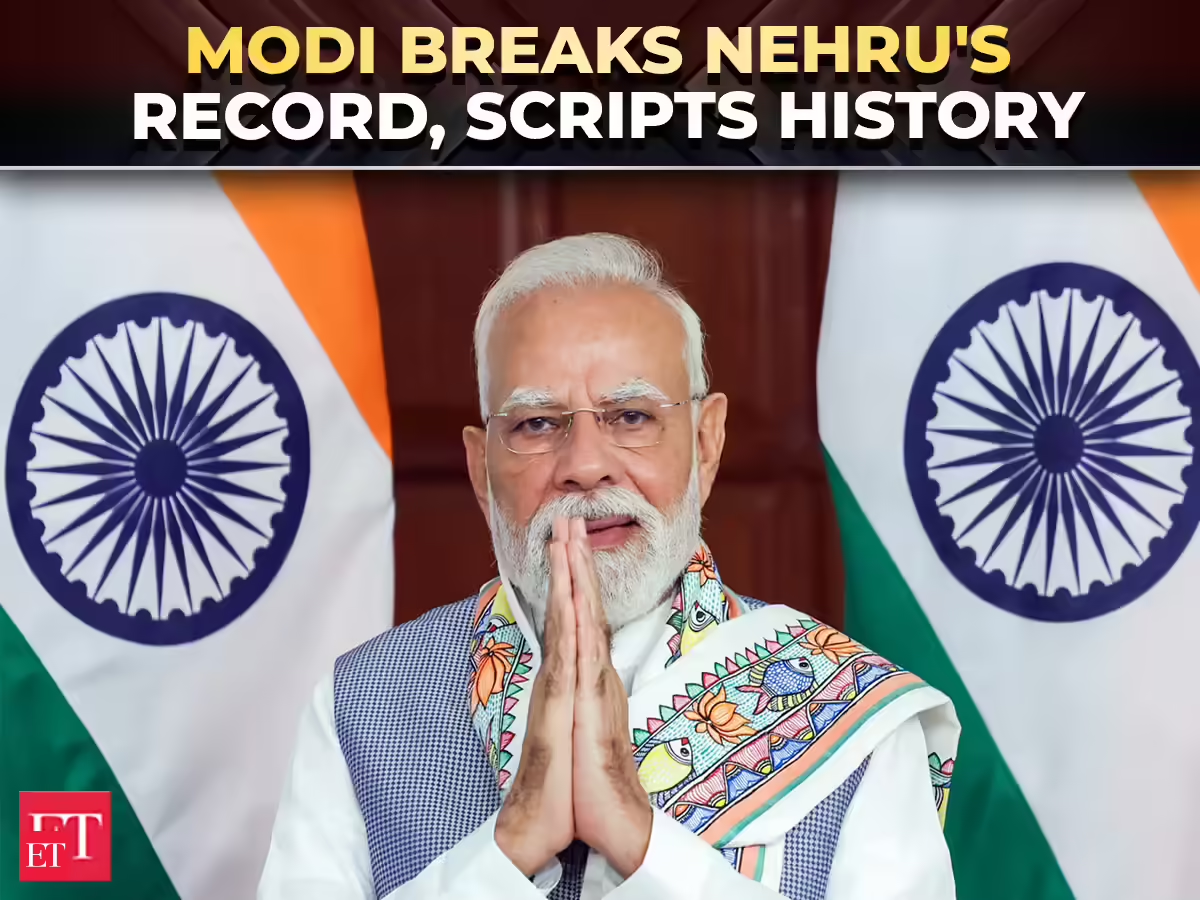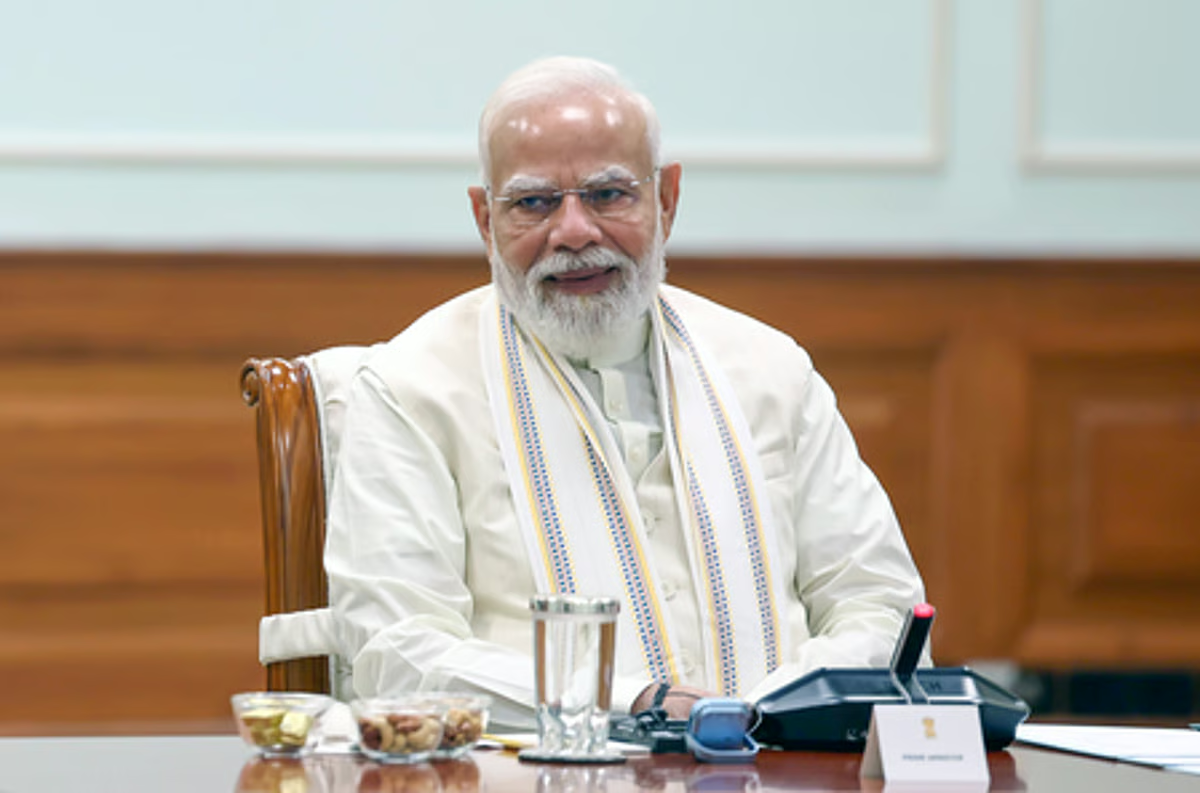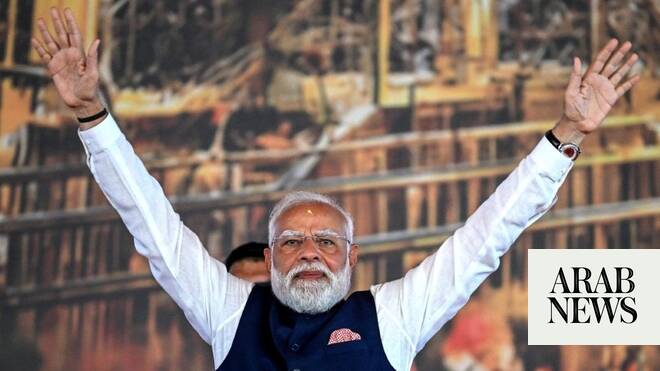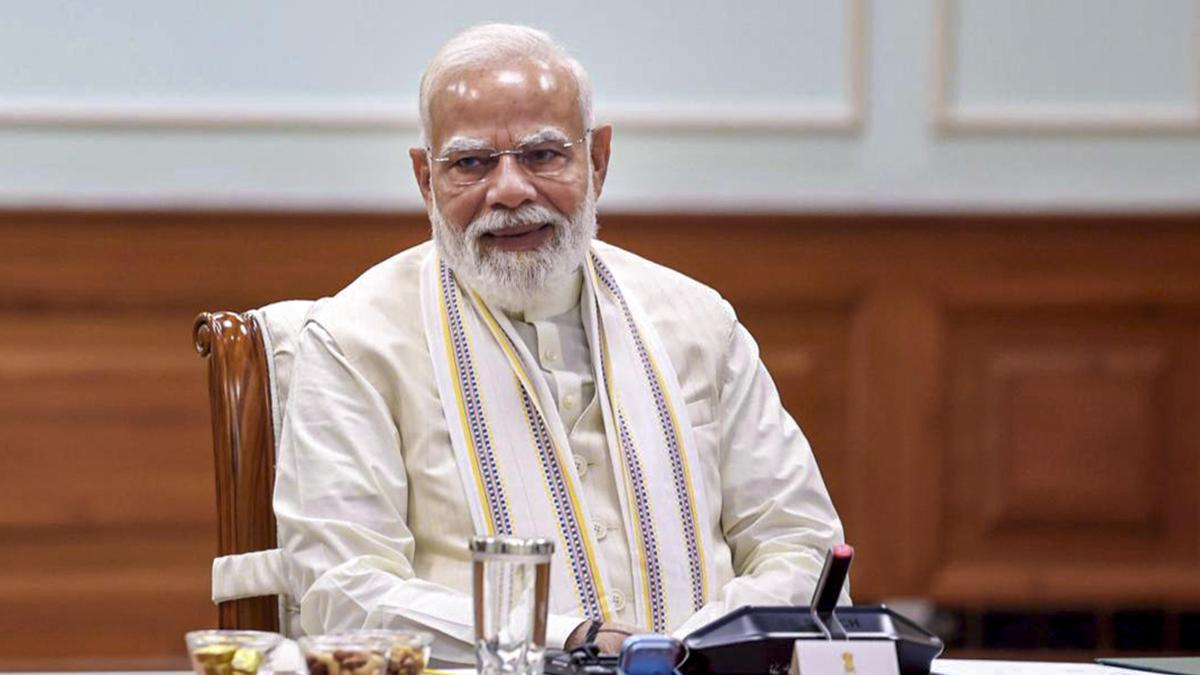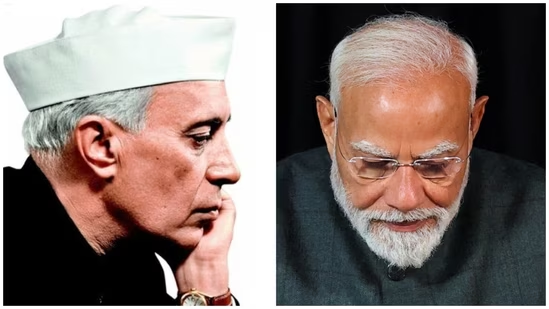
New Delhi: Prime Minister Narendra Modi is set to cross a significant political milestone on June 10, 2026, completing 4,399 consecutive days in office and becoming the longest-serving Prime Minister in the post-election era that began with the first Lok Sabha in 1952.Modi will surpass Jawaharlal Nehru to become India's longest-serving continuously elected Prime Minister. While Nehru assumed office on August 15, 1947, following Independence, the comparison is based on tenure after India's first democratic general election. The first Lok Sabha was constituted on April 17, 1952, and Nehru took oath as PM of the elected government on May 13, 1952. He remained in office until his death on May 27, 1964, serving 4,398 days as the head of an elected government.Modi, who first took oath as Prime Minister on May 26, 2014, after leading the BJP to victory in the Lok Sabha elections, will complete 4,399 consecutive days in office on June 10, 2026, thereby overtaking Nehru's record.The milestone comes against the backdrop of a dramatically transformed democratic landscape. When Nehru became Prime Minister in 1947, India's population was around 34 crore. By 2014, when Modi assumed office, the population had crossed 131 crore and is now estimated at over 146 crore. The scale of electoral participation has expanded from around 17 crore voters in the first general election to more than 83 crore voters in 2014 and over 96 crore registered electors in the 2024 Lok Sabha polls.Political competition has also intensified sharply. While 53 political parties contested the 1951-52 general election, the number rose to 464 in 2014 and reached 744 in the 2024 elections.Modi had already overtaken Indira Gandhi as the second-longest-serving continuously elected Prime Minister on July 25, 2025. On June 10, 2026, he will move to the top of that list.
Narendra Modi set to overtake Jawaharlal Nehru's elected PM record on June 10
Prime Minister Narendra Modi is set to achieve a significant record. On June 10, 2026, he will become India's longest-serving Prime Minister since the first Lok Sabha in 1952. This milestone surpasses Jawaharlal Nehru's tenure. Modi's leadership comes as India's population and voter participation have grown substantially. Political competition has also seen a sharp increase over the years.
297 words~1 min read